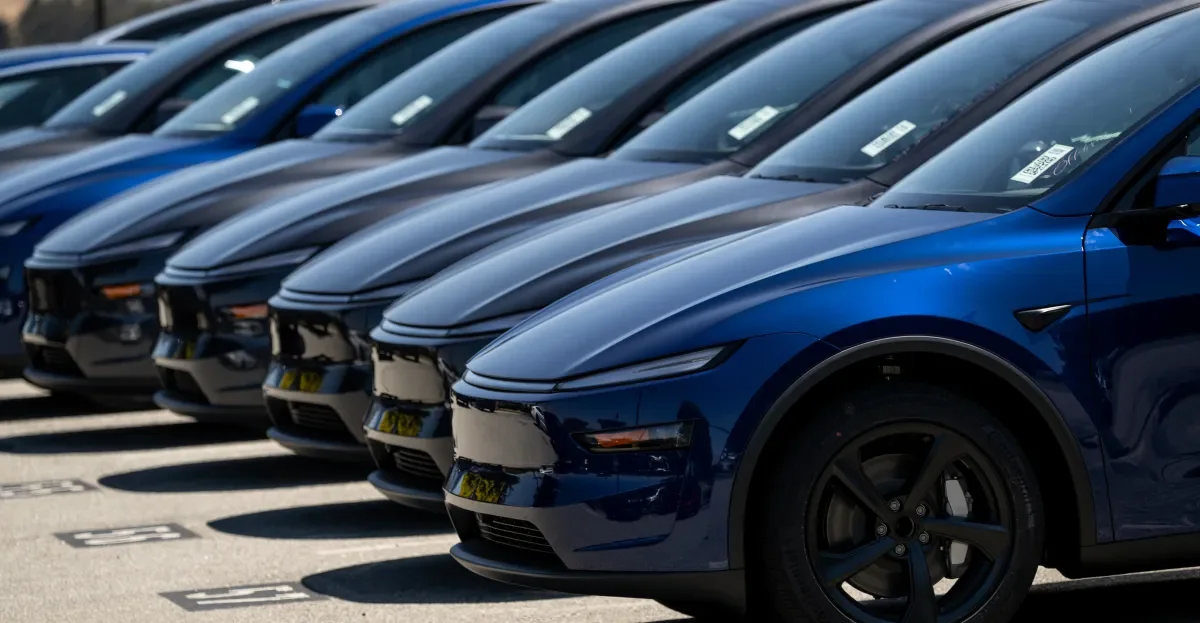
Tesla is launching short-term car rentals in California to counteract declining US EV sales after the end of federal tax credits, offering competitive perks and direct rental options to boost demand.
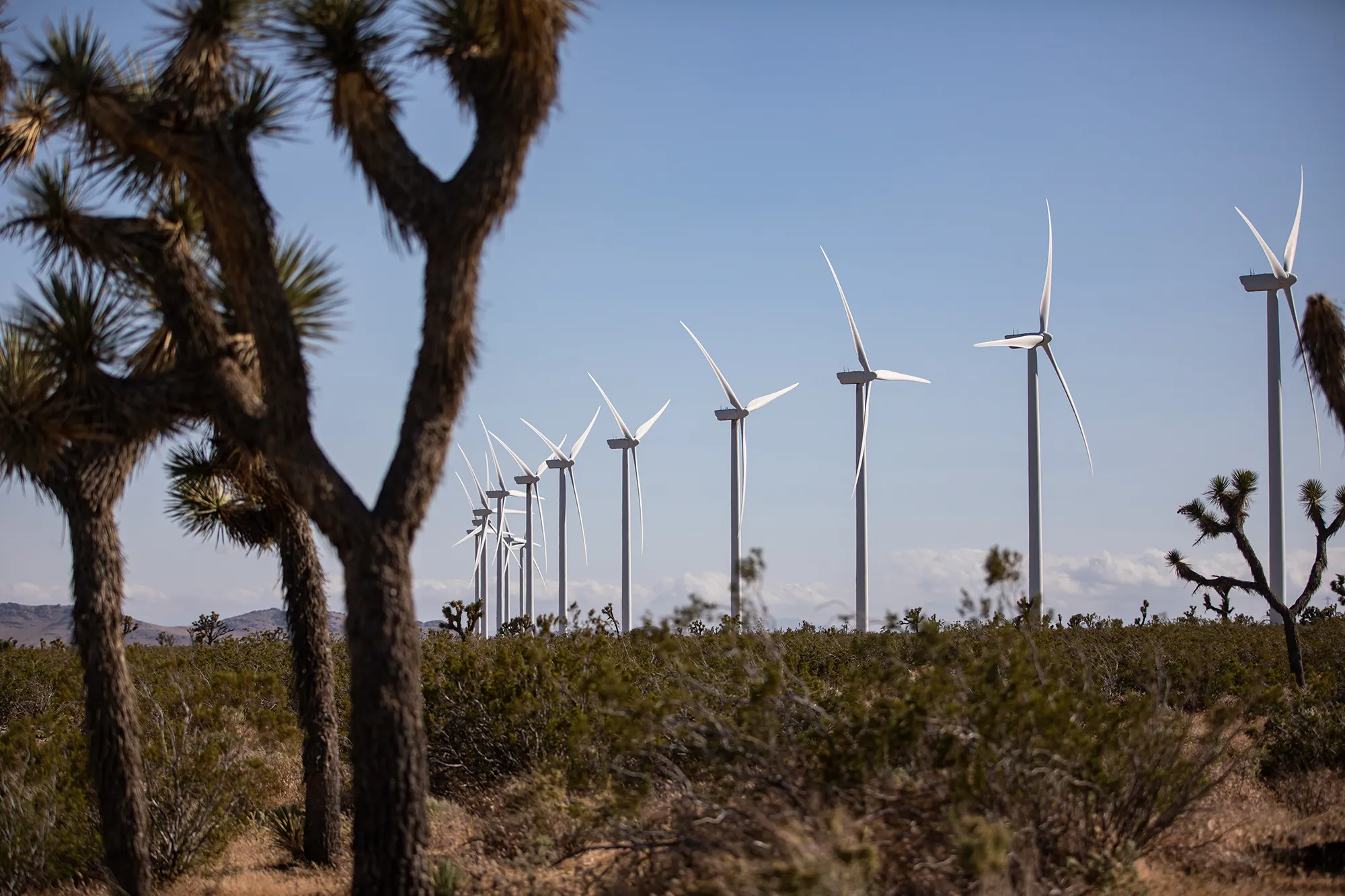
California faces new federal hurdles for wind and solar projects due to changes in tax credits and foreign component restrictions, potentially delaying or canceling several projects and increasing future energy costs, despite the state's ongoing commitment to renewable energy and climate goals.
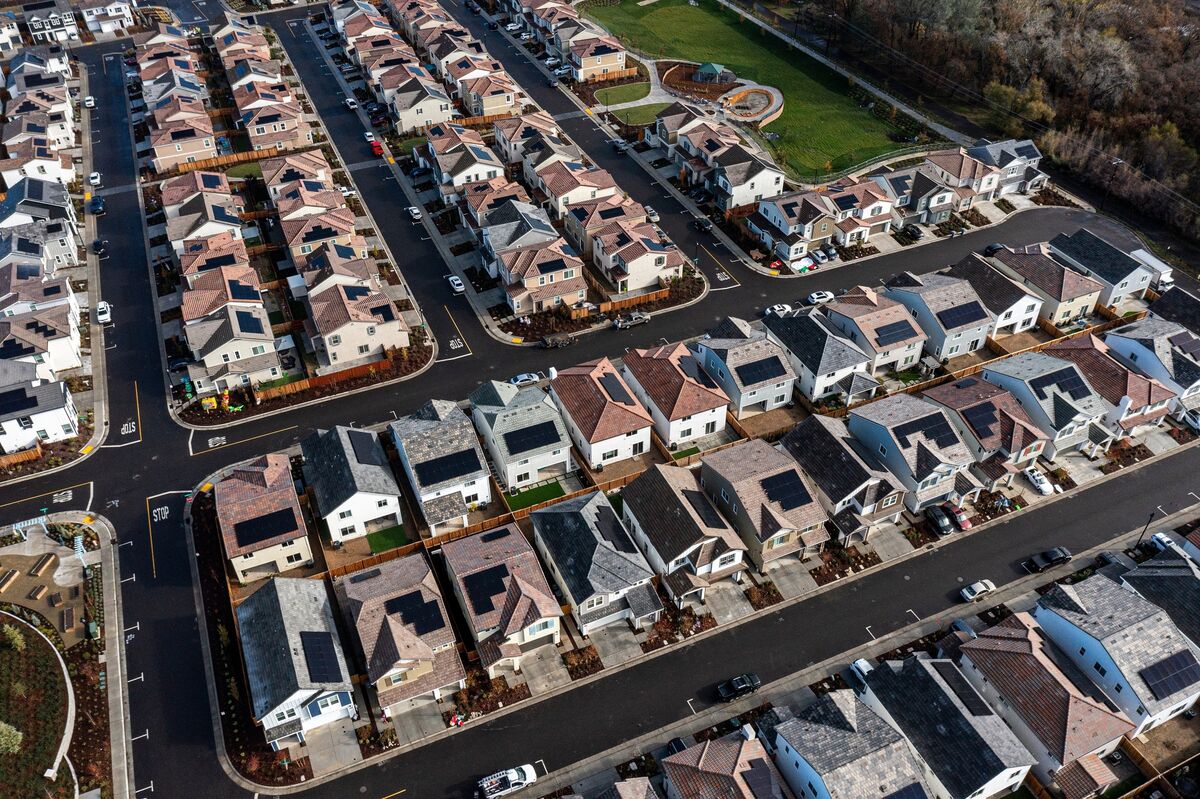
The US residential solar industry faces significant challenges, exemplified by Sunnova's bankruptcy, due to high borrowing costs, policy uncertainties, and reduced federal incentives, which threaten the growth and investment in clean energy solutions.
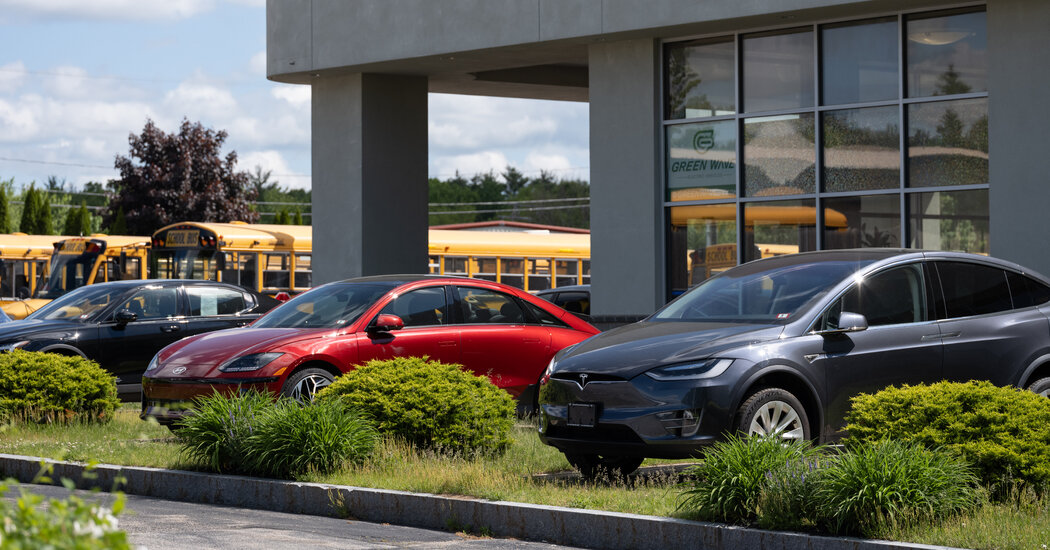
Electric vehicles are becoming more affordable due to efficient manufacturing, falling battery costs, and increased competition, with prices now comparable to gasoline cars. Federal tax credits and state incentives further reduce costs, making EVs accessible to a broader range of consumers.
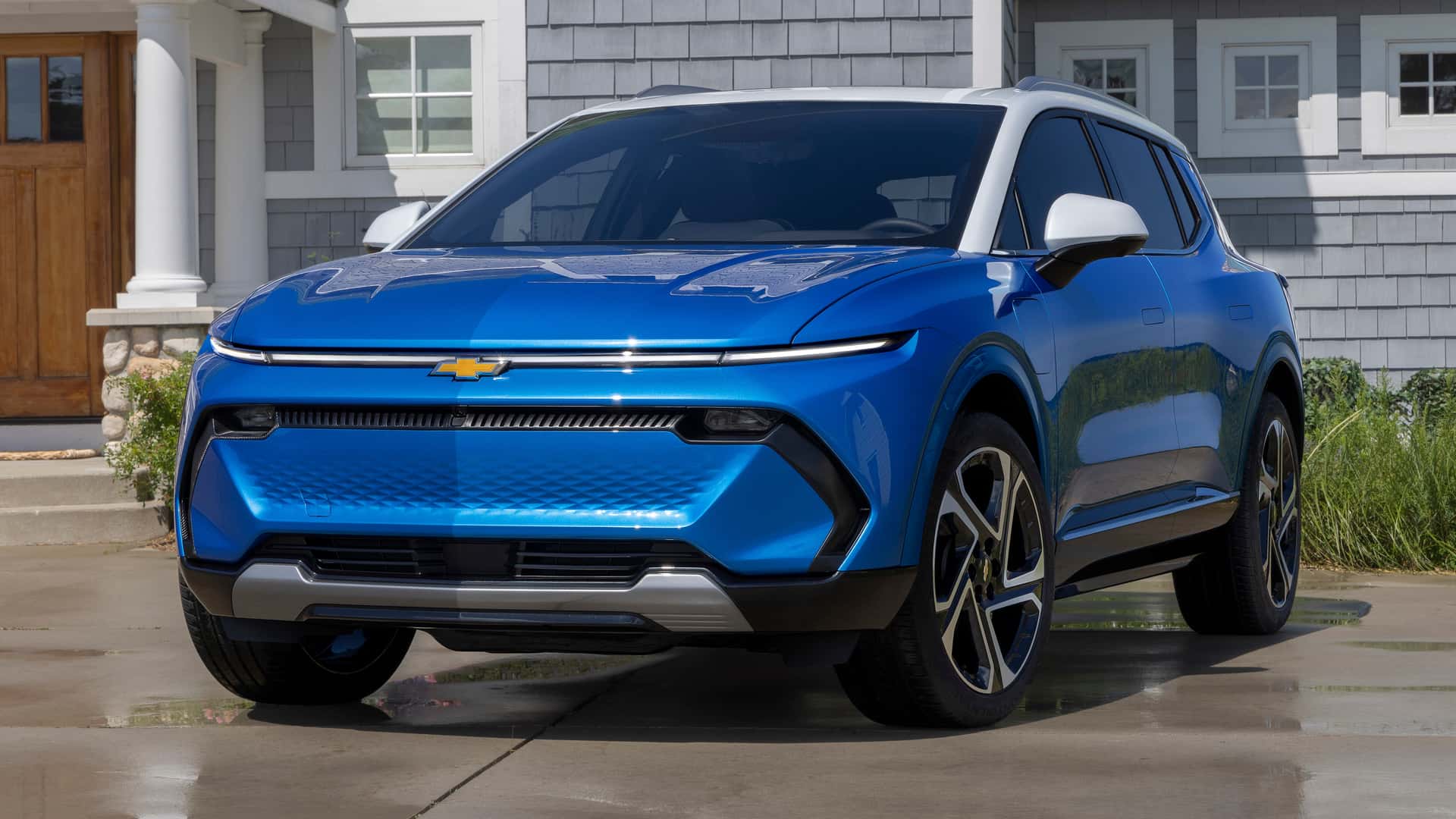
General Motors confirms that the 2024 Chevrolet Equinox EV 1LT will start at $34,995, slightly higher than initially promised, but eligible for a $7,500 federal tax credit. Order books for most models will open soon, with the base variant available later in 2024. The Equinox EV is expected to become the most affordable electric car in the U.S. with over 300 miles of range. GM's electric vehicle rollout has faced setbacks, but if the Equinox EV lives up to expectations, it could pose a serious challenge to other electric vehicles in the market.
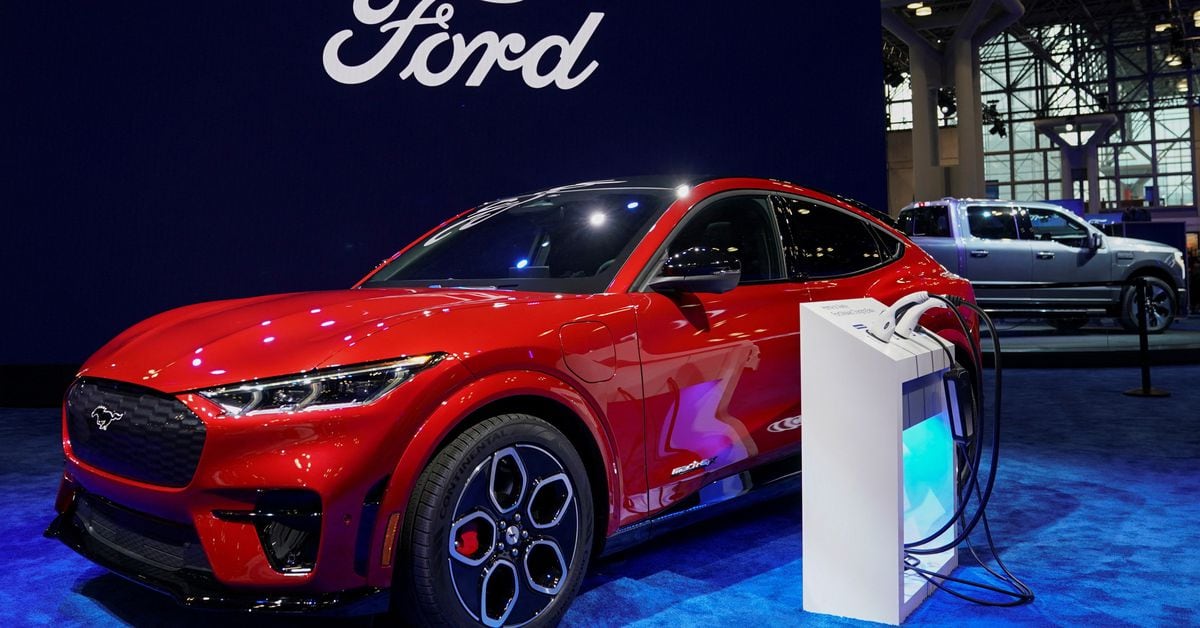
Ford Motor stated that it is unlikely that the Mustang Mach-E electric vehicles currently in dealer showrooms will qualify for federal tax credits starting in January due to new battery sourcing restrictions aimed at reducing reliance on China. The company is still reviewing whether its F-150 Lighting EV truck will qualify for tax credits after January 1. Ford has sold 35,908 Mach-E EVs in the US this year and has cut some Mach-E production. The automaker also postponed $12 billion in EV investments and temporarily reduced production at its Michigan plant due to supply chain issues.
The Environmental Protection Agency is set to release new proposed federal emissions standards for light-duty vehicles that could make up to two-thirds of new passenger vehicles sold in the U.S. electric by 2032. The rules would ensure that 64% to 67% of all new-car sales in the United States would be electric vehicles by 2032. The proposal is a monumental step toward zero-emissions vehicles, coming as the U.S. tries to keep up with other countries racing toward EV adoption. Biden has made electrifying the cars that Americans drive a key part of his climate goals.