Rivian's Q4 2025 sales dropped 31.3% following the end of federal tax credits, with full-year sales down 18.1%, but the company remains optimistic about the upcoming launch of the R2 in 2026 and new features like Universal Hands-Free Driving.
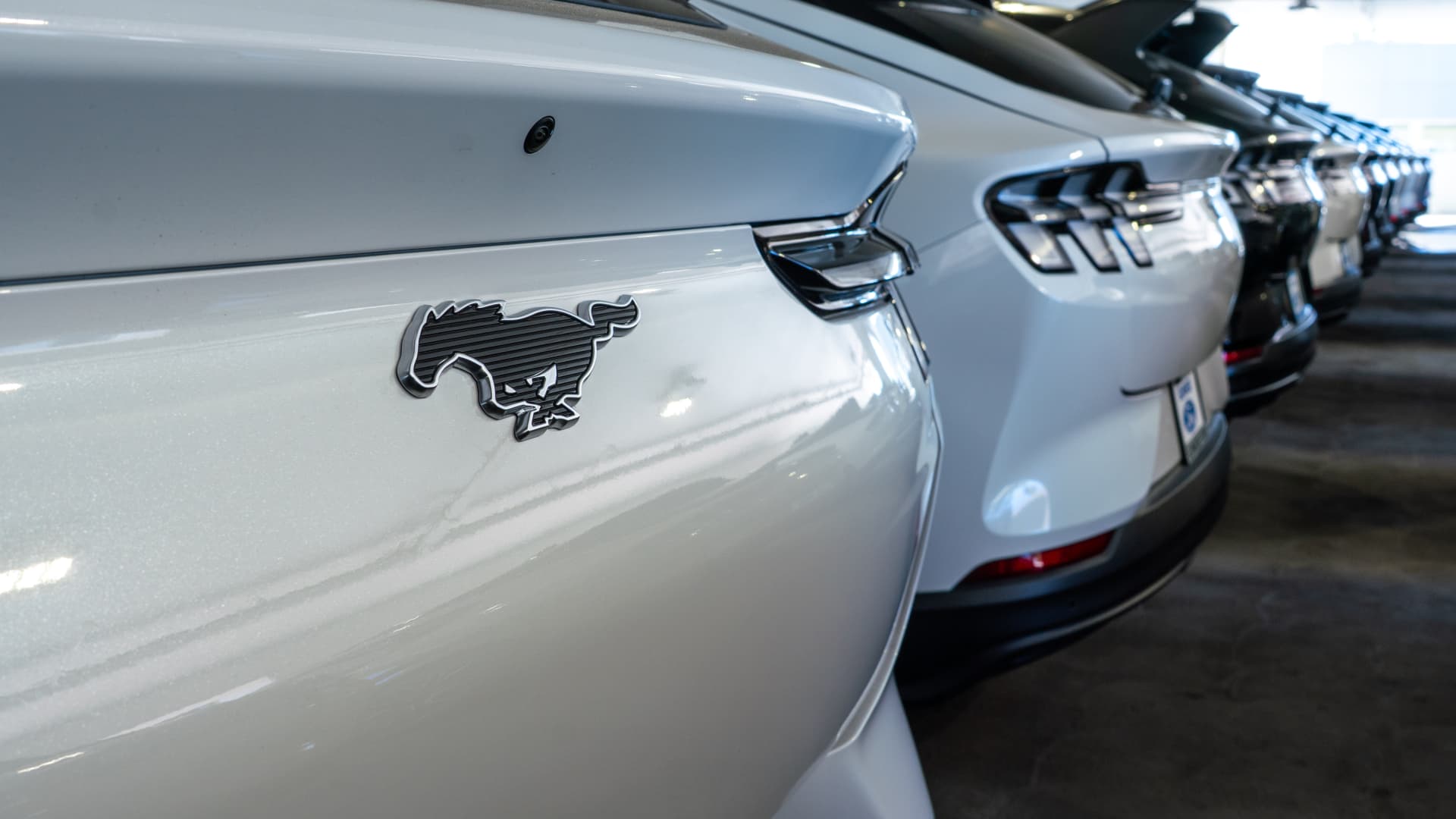
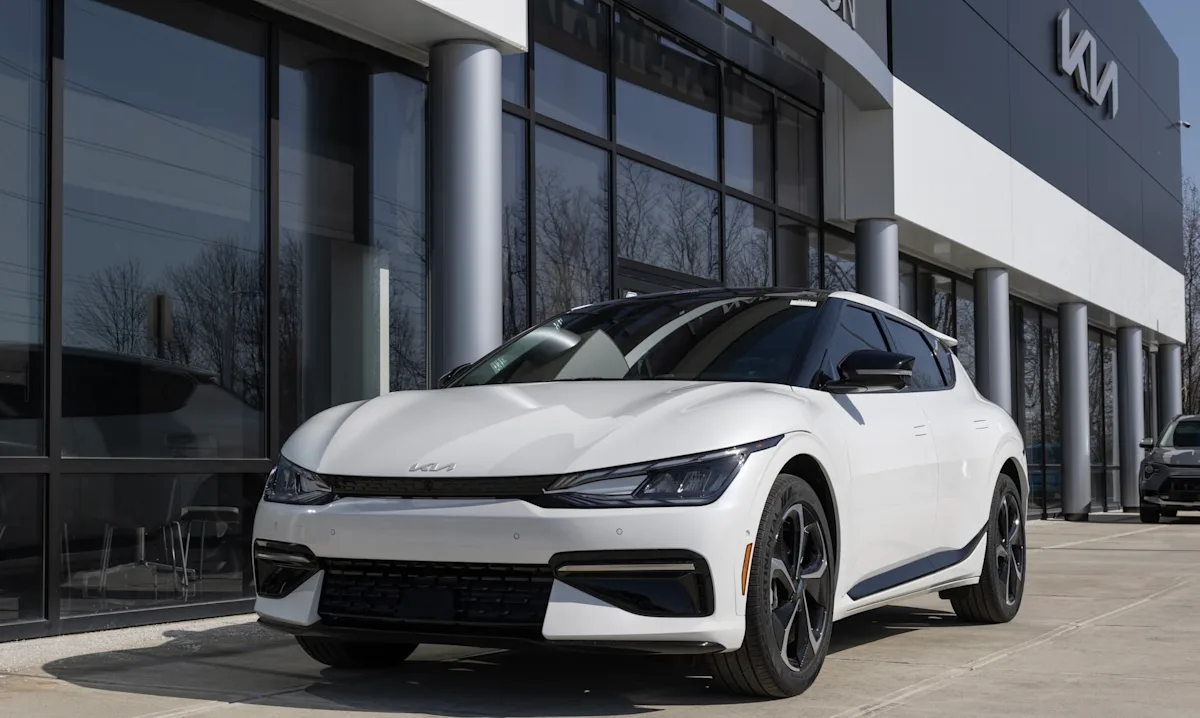
EV sales in the US experienced a significant drop in October following the expiration of federal tax credits, with automakers like Ford, Kia, and Hyundai reporting declines between 25% and over 70%, although hybrid vehicle sales remain strong. The market is expected to stabilize as buyers adjust to the new incentive landscape.
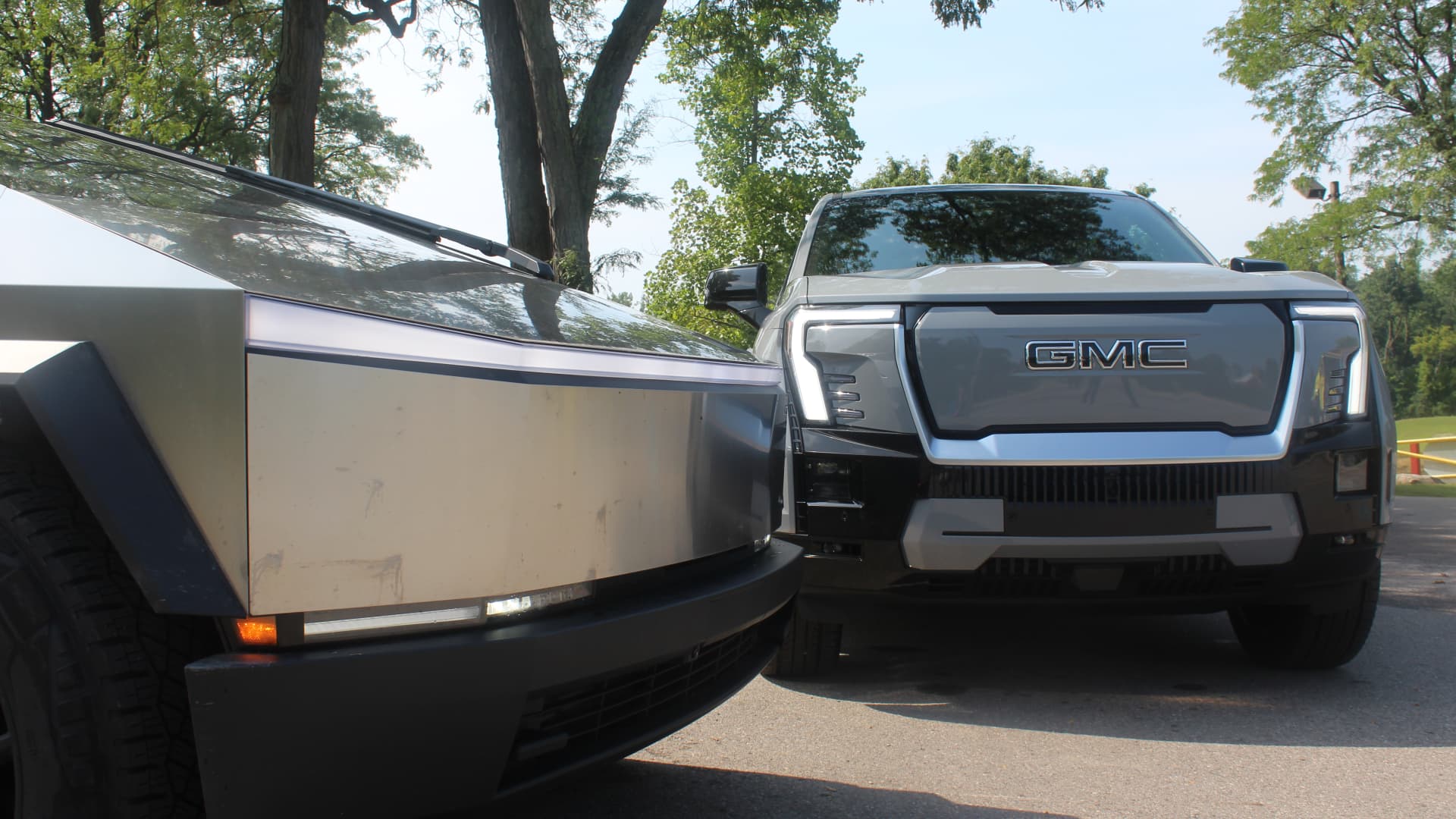
Tesla and GM lead record U.S. EV sales in 2023, driven by consumers rushing to buy before federal incentives end in September, with EVs reaching over 1 million units sold in the first nine months and a market share of 10.5% in Q3.
An Oregon couple nearly missed out on a $7,500 federal EV tax credit due to dealership paperwork errors, highlighting the importance for buyers to verify proper documentation when purchasing electric vehicles before the September 30 deadline, as the IRS credit program is set to expire.
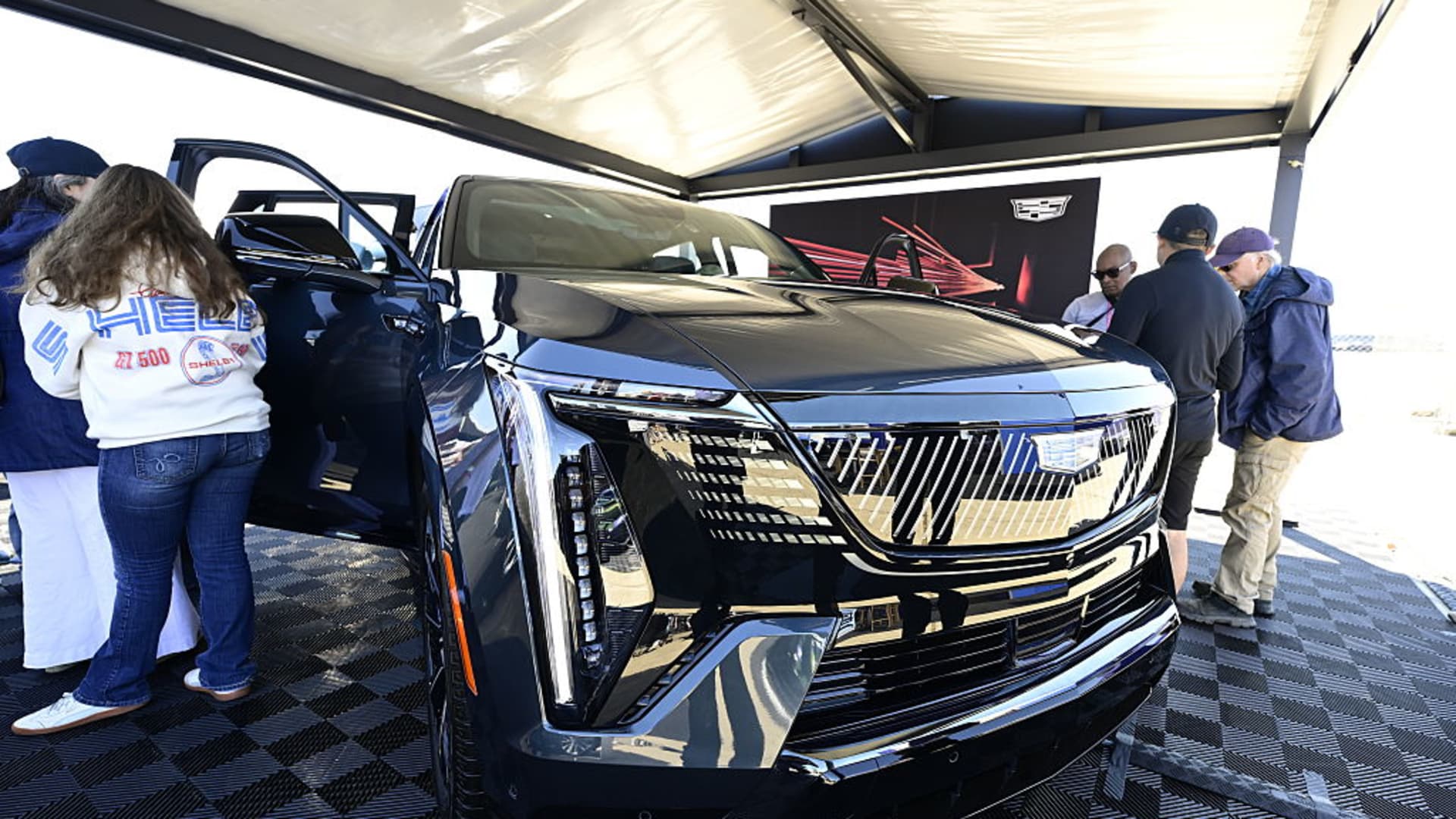
The U.S. EV market is expected to experience a decline in demand following the expiration of federal incentives, which have historically boosted sales. Automakers are adjusting to this new reality, with some reducing production or workforce, while others focus on launching affordable new models. Despite short-term challenges, industry leaders remain optimistic about long-term growth driven by new, lower-cost EVs.
Electric vehicle sales in the US surged recently due to a federal tax credit that is expiring, but this may lead to a slowdown in growth, with projections now showing EVs making up a smaller share of new car sales by 2029 than previously expected.
Jon Voight and his partners are hopeful that a federal film incentive will be introduced in Congress this year to help save Hollywood, amid ongoing discussions about extending tax deductions and reauthorizing provisions to support domestic film production, though significant progress has yet to be made.
Ford is set to announce a new 'Model T' moment with its latest electric vehicle platform, emphasizing affordable, mass-market EVs amid a challenging U.S. market without federal incentives, while facing skepticism about profitability and delayed models. The announcement follows recent financial losses and legislative changes ending EV tax credits, impacting future sales and industry dynamics.
The $7,500 federal EV tax credit will expire on September 30 after President Trump signed the Big Beautiful Bill, making it a good time for potential buyers to purchase new electric vehicles before the incentive ends. Used EVs also qualify for a smaller tax credit, and market competition may influence prices and incentives in the future. If you're planning to buy an EV and can afford it, it's advisable to do so before the credit expires.
The article explains the recent congressional decision to eliminate federal tax credits for electric vehicles, solar panels, and home energy efficiency projects, highlighting the importance of acting before these incentives expire on July 4, 2025.
A proposed bill by President Trump aims to eliminate federal EV tax incentives, which could negatively impact Tesla's sales in the short term by making vehicles more expensive, but Tesla's strong capital reserves and market position might turn this challenge into a long-term advantage by reducing competition from smaller EV makers.
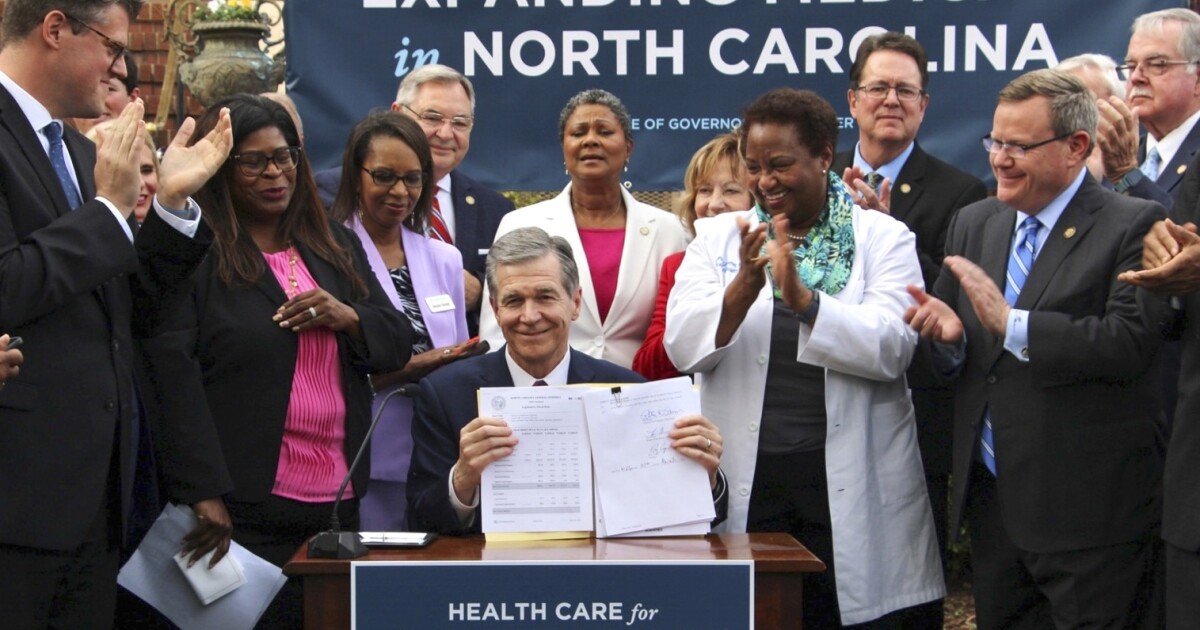
Medicaid expansion has been implemented in North Carolina, allowing hundreds of thousands of low-income adults to access the government-run health insurance program. The state's Republican-controlled legislature, which had previously rejected expansion, changed course due to increased federal incentives. North Carolina becomes the first state in the southeastern region to expand Medicaid, and advocates hope that other states will follow suit. The expansion does not include a work requirement, and eligibility is based on income levels.
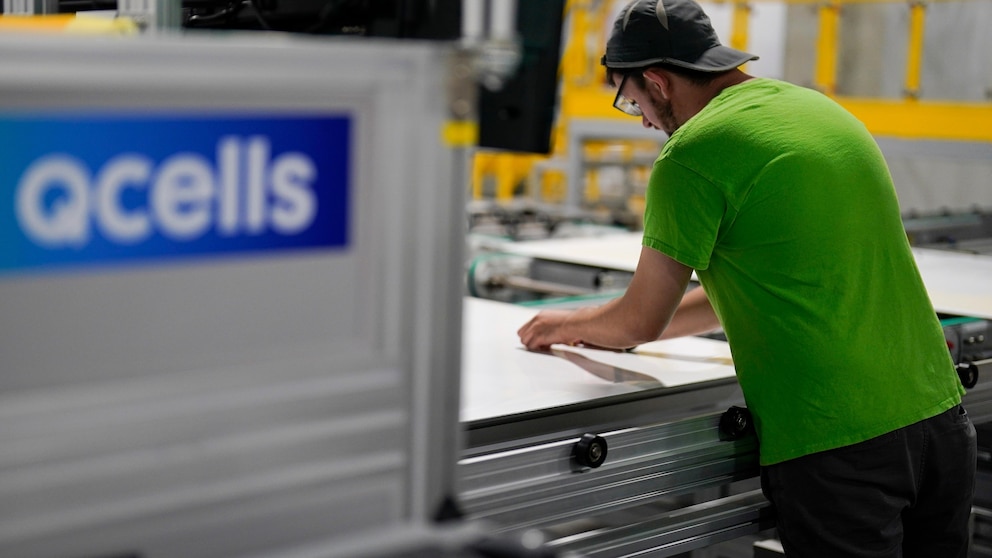
South Korean company Qcells has opened a major solar panel factory in Georgia, capable of producing 5.1 gigawatts of power annually. The factory is the first solar module factory in the US to begin production since President Joe Biden's climate legislation was passed. However, concerns have been raised about the influx of cheap solar panels from Asia, which could hinder efforts to boost domestic solar manufacturing. Qcells is investing $2.3 billion in a complex to refine polysilicon and manufacture solar cells in the US. The company is optimistic that federal incentives and policies promoting American-made products and low-carbon emissions will support its growth.
Starting January 1, 2024, the federal EV tax credit in the US will be transformed into a point of sale rebate, allowing consumers to transfer up to $7,500 in new clean vehicle credit and up to $4,000 in previously owned clean vehicle credit to the car dealer. This will effectively lower the purchase price of the vehicle at the time of sale, eliminating the need to wait until tax return filing. The new rules also remove the requirement for consumers to have tax liability and allow low-income shoppers to benefit from lower monthly payments. Dealers will report sales to the IRS and receive reimbursement within 72 hours, while buyers will receive written confirmation of the credit eligibility. Income and price limits still apply, and used EVs must be for personal use.
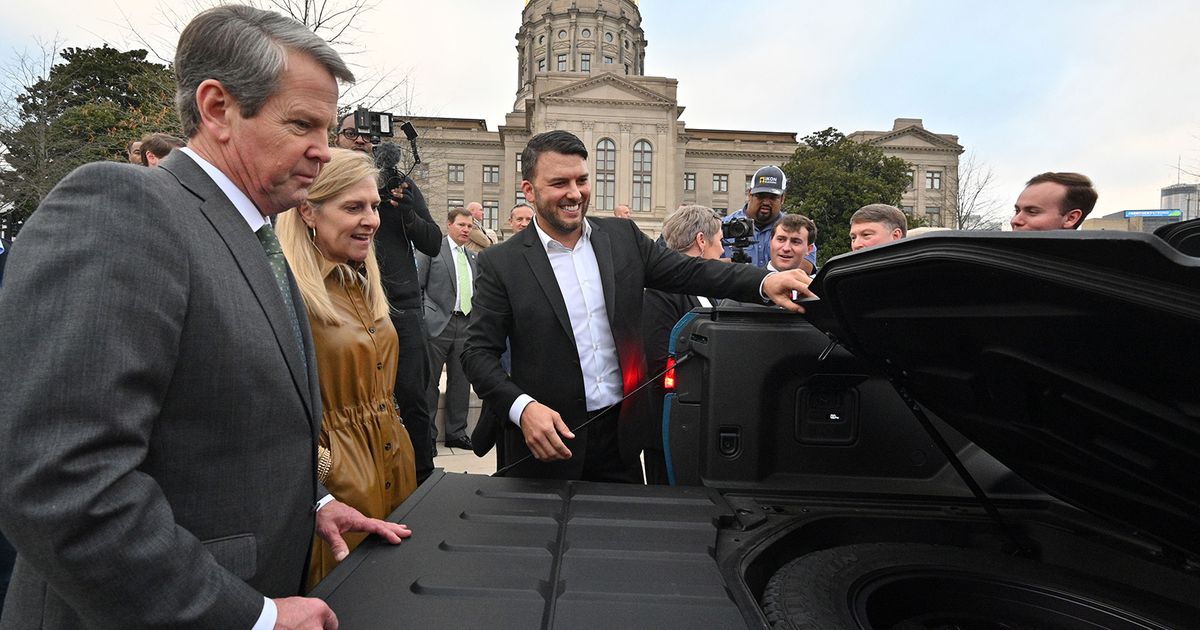
Georgia Governor Brian Kemp criticized President Joe Biden's green energy initiatives during a ceremony for a new electric battery supplier that is benefiting from federal spending. Kemp attributed Georgia's green energy success to state-level Republican policies and accused the federal government of favoring a few companies over the industry as a whole. While the federal incentives have been opposed by many Republicans, they have also fueled a jobs and investment boom in Georgia, making it a growing hub for electric mobility. The ongoing feud over incentives could have implications for the 2024 White House race and Kemp's potential reelection campaign in 2026.