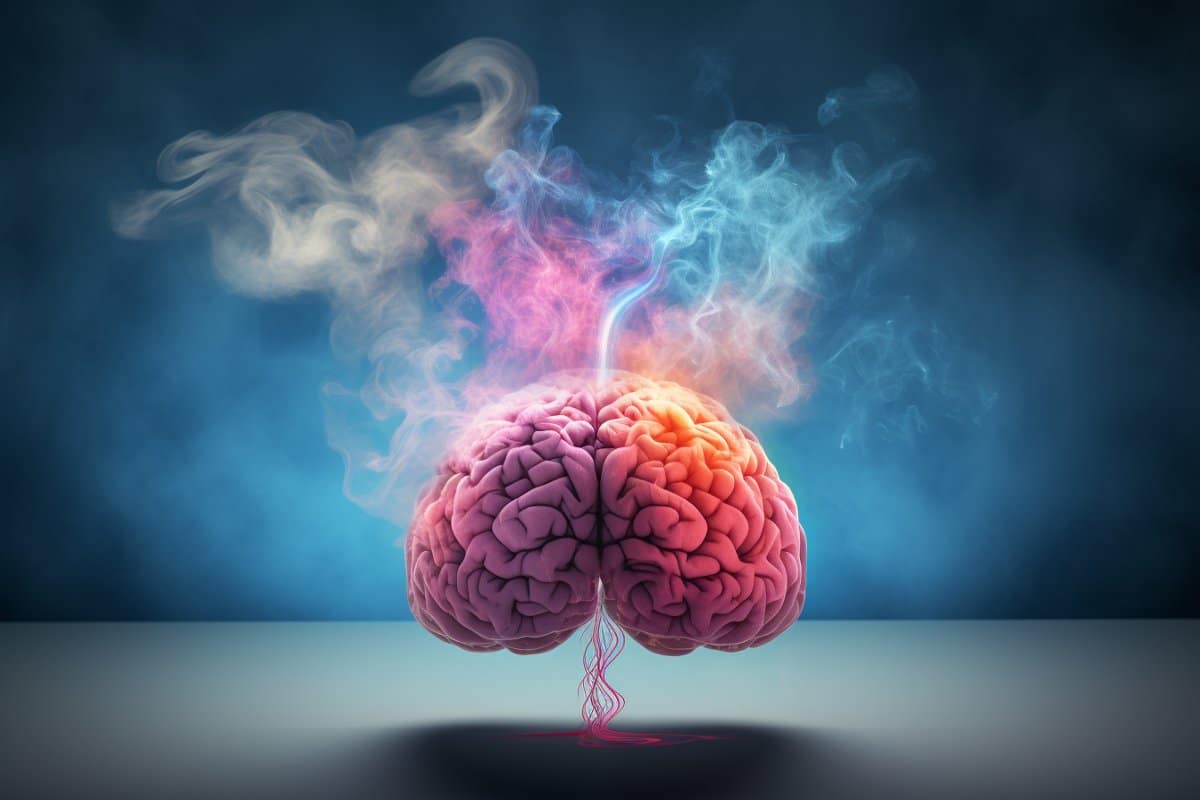
Researchers have discovered that specific brain cells in the hippocampus, known as 'time cells,' are stimulated by odors to facilitate rapid decision making, as demonstrated in mice learning to associate fruity odors with rewards. This study sheds light on the intricate relationship between sensory perception and cognitive processes, revealing new insights into the hippocampus's role in associative learning and decision making. The findings suggest that these cells play a crucial role beyond memory recall, directly influencing the brain's decision-making process.
Researchers have used innovative optical and machine-learning methodologies to decode the neural networks involved in traumatic memory formation. They identified a neural population encoding fear memory and discovered the crucial role of the dorsal part of the medial prefrontal cortex (dmPFC) in associative fear memory retrieval in mice. The study also revealed a novel associative connection between distinct networks involved in fear conditioning, shedding light on the mechanisms of information processing that trigger a fear response. This research not only advances our understanding of memory formation but also demonstrates the potential of combining optics and machine learning to study neural dynamics.
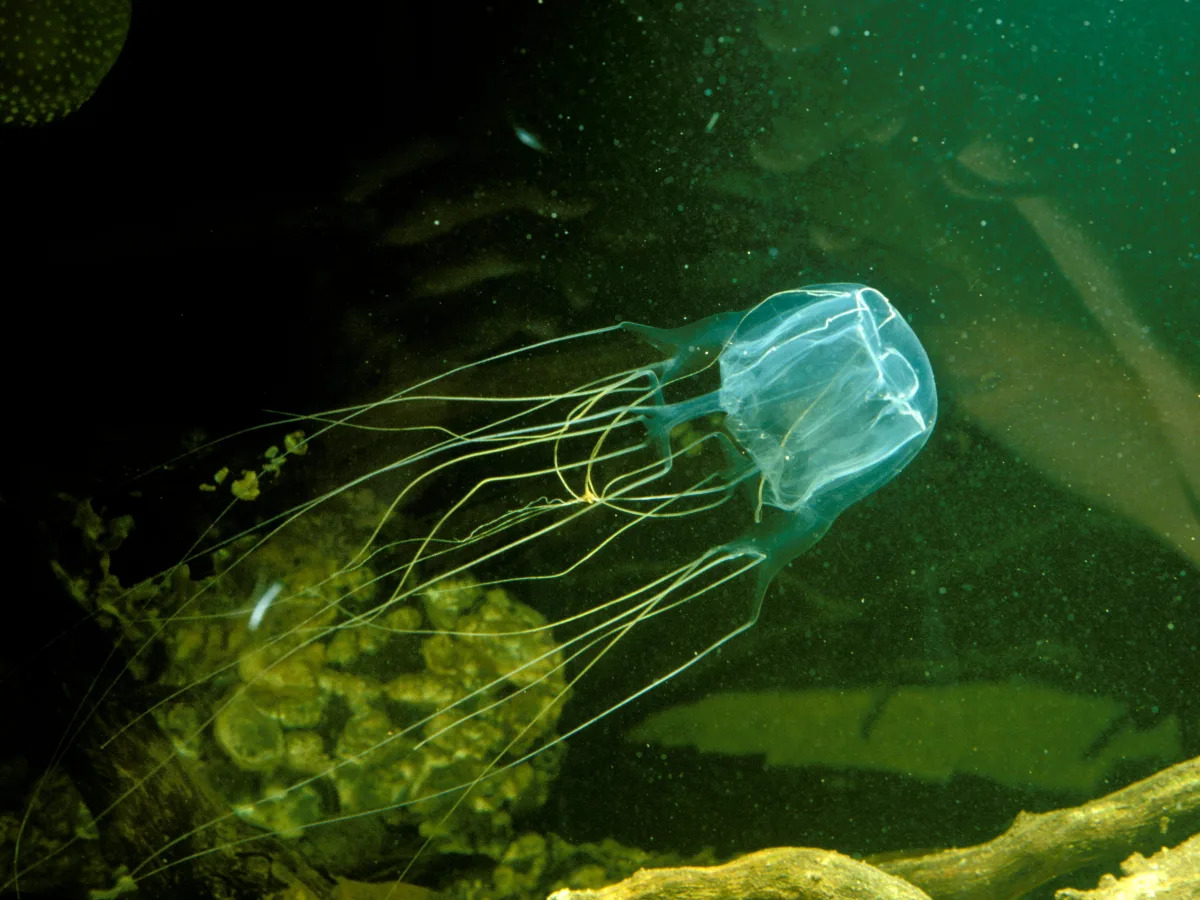
Scientists have discovered that jellyfish, despite lacking centralized brains, possess advanced learning abilities similar to humans and other complex organisms. In a study, Caribbean box jellyfish were trained to spot and dodge obstacles, challenging the traditional belief that advanced learning requires a centralized brain. These seemingly simple creatures have a complex visual system with 24 eyes, allowing them to navigate through murky waters and avoid underwater obstacles. The study sheds light on the evolutionary roots of learning and memory and highlights the potential for advanced learning in even the simplest nervous systems.
A new study published in Current Biology reveals that box jellyfish, known for their deadly venom and lack of brains, are capable of learning and changing their behavior. Researchers trained the jellyfish to avoid obstacles in a low-light environment, demonstrating that they can learn through their nervous system without a brain. This challenges the belief that associative learning requires a brain. The jellyfish learned to navigate by combining mechanical and visual stimuli, suggesting that learning may be universal for organisms with nervous systems.