The article exposes how the IPC falsely claimed a famine in Gaza to manipulate public opinion and influence policy, highlighting the importance of relying on accurate data and criticizing the spread of false narratives that prolong conflict and fuel anti-Semitism.
In 2025, Sudan has experienced a rare declaration of famine due to severe food, water, and medicine shortages, following similar crises in Gaza, Somalia, and South Sudan. The famine classification relies on a strict, internationally-agreed system called IPC, which assesses hunger on a five-phase scale, with famine being the most severe. Despite the challenges in data collection, especially in conflict zones, the system aims to alert the global community early enough to mobilize aid and prevent widespread mortality. The declaration process involves multiple agencies and high-level approvals, emphasizing the urgency of addressing these crises before they escalate further.
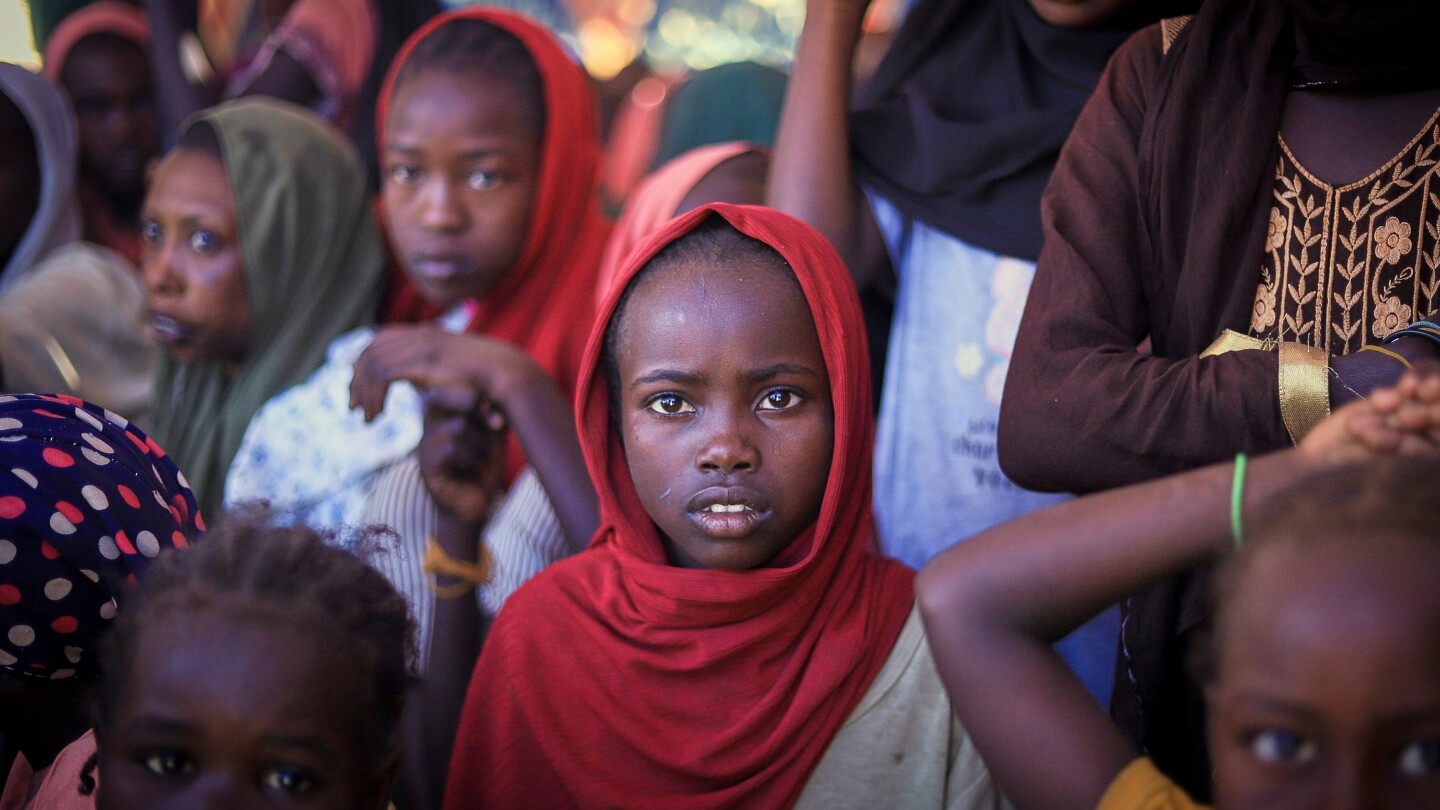
Famine has spread to two regions in Sudan, including Darfur's el-Fasher and South Kordofan's Kadugli, due to ongoing conflict and sieges by paramilitary forces, leading to a humanitarian disaster with high malnutrition and death rates, and thousands fleeing affected areas.
Gaza is facing a severe famine and malnutrition crisis, with warnings from the UN-backed IPC about widespread starvation and rising hunger-related deaths, amid ongoing hostilities and blocked aid efforts.