Nexperia chips are resuming shipments to Europe after China eased export restrictions, providing short-term relief to the European auto industry, though supply chain risks persist due to unresolved disputes and US-China tensions.
China's near-monopoly on rare earth magnets, crucial for electric vehicle motors, is causing global auto industry delays due to new export controls and bureaucratic bottlenecks, with only a limited number of permits issued amidst rising tensions with the US and concerns over strategic leverage.
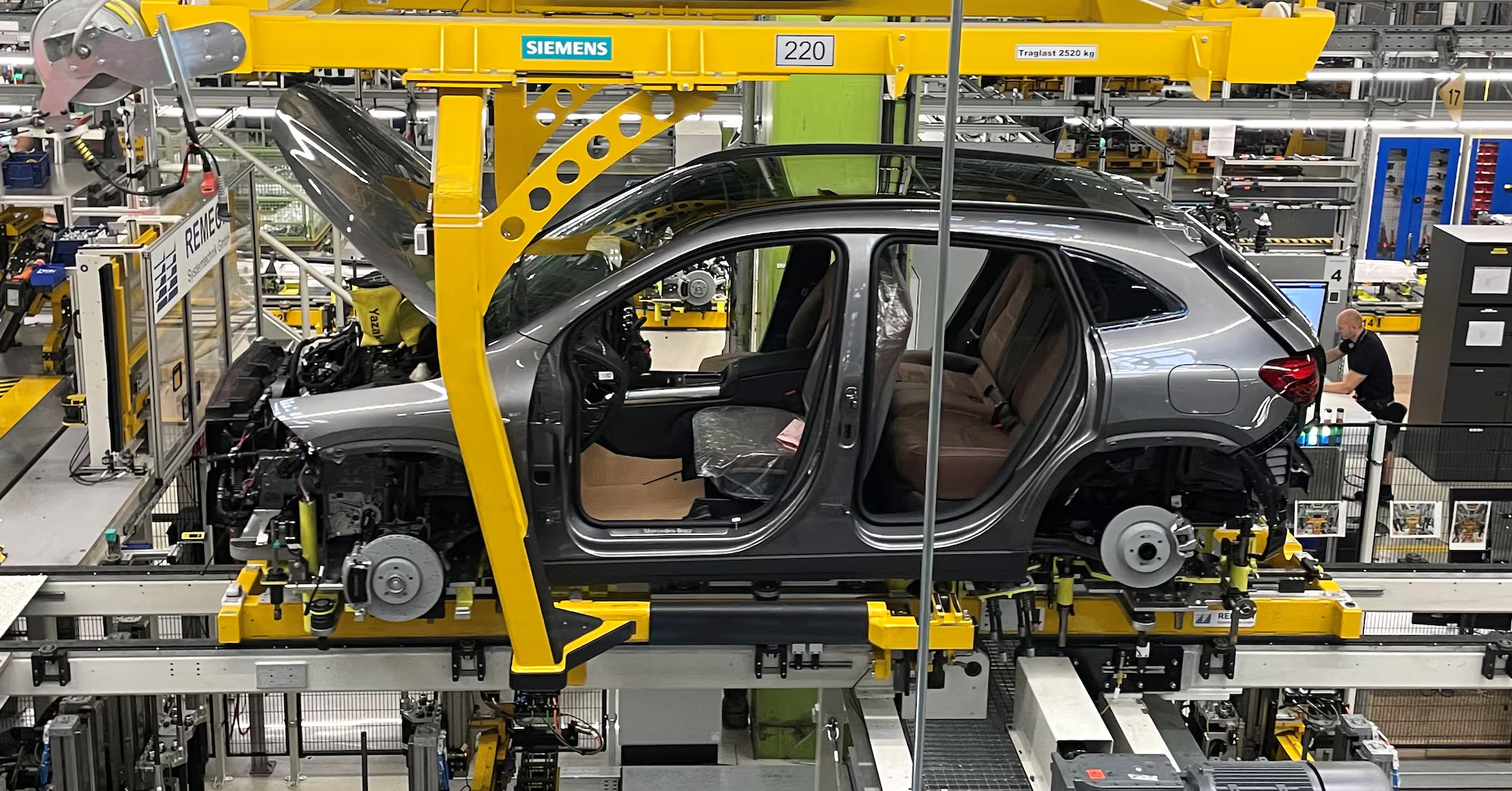
The shift towards electric vehicles (EVs) is disrupting the traditional auto supply chain, with revenues for internal combustion engines and related parts expected to decline while those for electric drivetrains and batteries are projected to rise significantly. Automakers are adopting new manufacturing methods like giga casting to produce parts more efficiently. While larger suppliers are spinning off or winding down their internal combustion divisions, smaller suppliers face challenges in making the transition due to limited capital. The evolving supply chain presents opportunities for innovation and creativity in the industry.