Tag

Expertise

All articles tagged with #expertise

Human-in-the-loop AI: why expertise matters more than ever in the workplace
technology1 day ago

Human-in-the-loop AI: why expertise matters more than ever in the workplace

A Smartsheet survey argues the real workplace risk isn’t AI replacing people but losing years of tacit know-how as experienced professionals retire; to keep AI reliable, organizations must keep humans in the loop as teachers, debuggers, and decision-makers, using structured data, knowledge graphs, and governance—as demonstrated by Smartsheet’s Intelligent Work Management to train AI and avoid the deployment trap.

Birding Brains: Expertise Builds Lasting Cognitive Reserve
science3 days ago

Birding Brains: Expertise Builds Lasting Cognitive Reserve

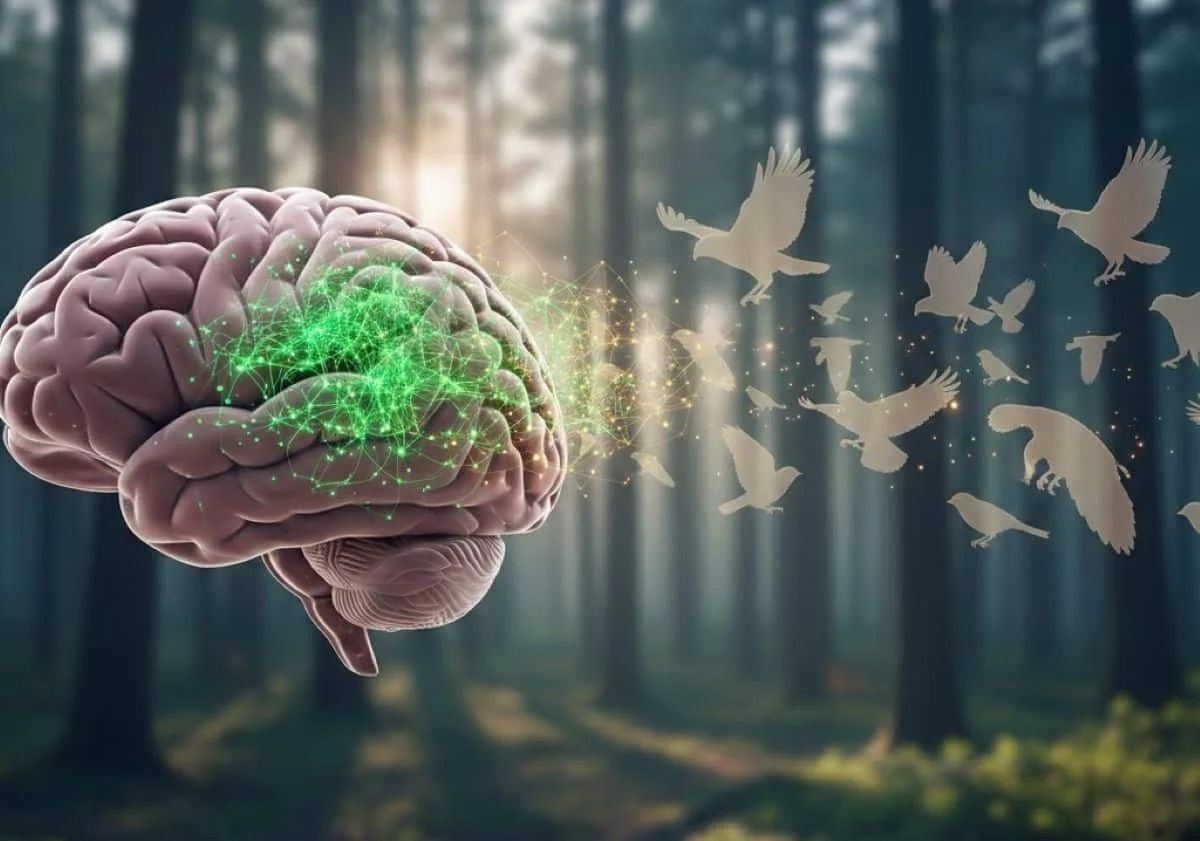
A neuroscience study comparing 29 expert birders with 29 age- and sex-matched novices found that experts have more compact, efficient brain tissue in attention- and perception-related regions, which correlates with higher accuracy in bird identification. These structural advantages persist into older age, and older birders even remember arbitrary faces paired with birds better than beginners, suggesting that complex, multi-process skill learning builds cognitive reserve that supports broader cognition as we age.

Humans in the loop: why AI needs expert judgment at work
technology10 days ago

Humans in the loop: why AI needs expert judgment at work

A Smartsheet survey shows workers across generations fear AI’s missteps more than job loss, underscoring that decades of tacit knowledge and professional judgment are at risk as experienced professionals retire. Experts say AI should augment human decision-making, not replace it, and success depends on training AI with context, building knowledge graphs, and continuous human oversight. Without structured knowledge transfer, organizations risk losing both veteran expertise and the ability to guide AI, risking a deployment trap where tools appear confident but are wrong.

AI Needs a Human in the Loop to Preserve Workplace Expertise
technology12 days ago

AI Needs a Human in the Loop to Preserve Workplace Expertise

The piece argues that AI's biggest risk isn't replacement but the erosion of institutional know-how as experienced professionals retire; a Smartsheet survey shows workers fear AI could lead to poor decisions rather than being replaced, underscoring the need for humans to train, supervise, and refine AI—building knowledge graphs and infrastructure that couple people with data to enable Intelligent Work Management and avoid the deployment trap.
The real AI risk: losing human judgment as experts retire
technology21 days ago

The real AI risk: losing human judgment as experts retire

A Smartsheet survey shows workers across Gen X, Millennials, and Gen Z fear AI's impact, but the greater danger is losing institutional knowledge as seasoned professionals retire without structured knowledge transfer. AI is most effective when humans teach, debug, and tailor it to context, creating a reliable “human in the loop” that can discern patterns and guard against flawed outputs. Organizations risk a deployment trap if they remove humans from the loop; success hinges on investing in people, unified data foundations, and knowledge graphs so AI can support high‑value decisions rather than just generate plausible results.

The importance of homework before conducting research
science8 months ago

The importance of homework before conducting research

The article emphasizes the importance of doing thorough homework and understanding scientific principles before trusting or conducting research on critical issues like public health, safety, and environmental concerns. It warns against the dangers of rejecting expert consensus and misinformation, highlighting how societal progress relies on respecting scientific methods and foundational knowledge to make informed decisions for the collective good.

neuroscience1 year ago

"Unveiling the Neuroscience of Achieving 'Flow State' for Better Mental Focus"

Researchers at Drexel University have used neuroimaging technology to track flow state in people's brains in real time, finding that experienced individuals are able to enter flow state more often and intensely. The study involved jazz guitarists improvising while their brain activity was recorded, revealing increased activity in areas associated with music and decreased activity in areas linked to executive control during flow state. Lead researcher John Kounios recommends building expertise in a creative discipline and learning to withdraw conscious control to increase the likelihood of attaining flow state.

"The Neuroscience of Creative Flow: Unveiling the Secrets of 'the Zone'"
neuroscience2 years ago

"The Neuroscience of Creative Flow: Unveiling the Secrets of 'the Zone'"

A new study by researchers from Drexel University sheds light on the brain activity during creative flow, revealing that extensive experience in an activity and relinquishing conscious control are key factors. The study, which involved 32 jazz guitarists, found that expertise and reduced executive control in the brain are associated with intense creative flow. The findings suggest that achieving a state of creative flow involves building expertise in a particular creative outlet and then withdrawing conscious control, providing a basis for new techniques to instruct people in producing creative ideas.

"Cracking the Code: Unleashing Creative Flow in the Brain"
neuroscience2 years ago

"Cracking the Code: Unleashing Creative Flow in the Brain"

A new study using EEGs to analyze jazz improvisations reveals that the brain enters the creative flow state by combining extensive experience with a conscious release of control, allowing for automatic idea generation. This "expertise-plus-release" model suggests that deep creative flow is more accessible to those with significant experience and the ability to let go, challenging previous theories and opening avenues for enhancing creativity through practice and relinquishment of control. The findings offer practical implications for achieving productive flow states by building expertise in a creative field and then training to "let go," enabling the brain's specialized circuits to operate autonomously.

"Uncommon Knowledge: Concepts Unfamiliar to Non-Experts"
education-and-science2 years ago

"Uncommon Knowledge: Concepts Unfamiliar to Non-Experts"

Redditor 'StaleTheBread' initiated a discussion about simple concepts from various fields of study that are often misunderstood by the general public. Responses covered topics such as vaccines, freedom of speech, evolution, correlation vs. causation, memory reliability, orthodontics, vision impairment, drug use and trauma, library management, diaphragmatic breathing, medical limitations, cooking expertise, scientific literacy, essential oils, and sound engineering. The discussion highlighted the gap in understanding between experts and the public in different areas of expertise.

"Optimizing Memory: Embracing the Science of Forgetting"
science-and-psychology2 years ago

"Optimizing Memory: Embracing the Science of Forgetting"

In his book "Why We Remember," Charan Ranganath discusses the limitations of human memory and the concept of chunking, which allows people to compress large amounts of data into manageable information. He explores how expertise changes the way we learn and remember, demonstrating that experts can bypass memory limitations by focusing on the most important information. Research on chess grand masters and a study involving alien shapes show that expertise enables individuals to extract useful information and overcome memory constraints by leveraging their knowledge.

"The Dumbness of the Davos Smart Set"
opinion2 years ago

"The Dumbness of the Davos Smart Set"

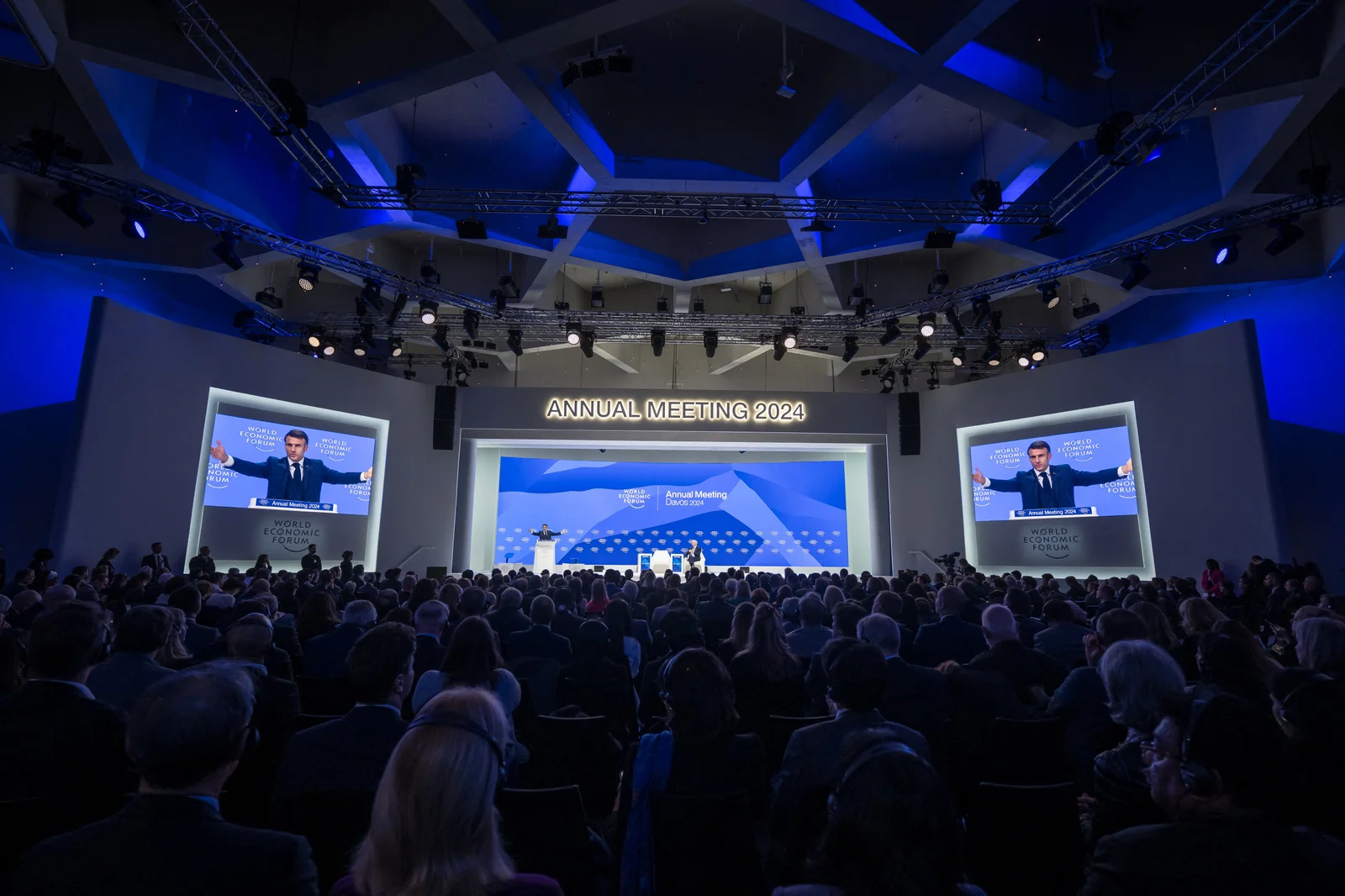
The annual World Economic Forum in Davos sees high-profile individuals engaging in conversations about current events, but their discussions often mirror those of the average person, lacking groundbreaking insights. Despite their technical expertise in specific fields, their opinions on imponderable subjects like public opinion and future elections are often unmoored. The democratization of information through cable news and social media has weakened the hold of elite gatherings like Davos. Additionally, even highly credentialed individuals struggle with modern life, as evidenced by concerns about social media's impact on mental health and the intolerance of opposing views in university intellectual culture. Ultimately, the real lesson of Davos is that everyone, experts and laypeople alike, is navigating a fast-moving world with only fragmentary understandings of its inscrutable future.

Microsoft Copilot: The Future of AI Assistance in Windows 10
technology2 years ago

Microsoft Copilot: The Future of AI Assistance in Windows 10

Microsoft's Copilot AI assistants may not receive competent support from the software giant's channel, according to Loryan Strant, a Microsoft MVP. Strant warns that Microsoft partners and consultants may lack meaningful expertise in the tool due to limited access and recent availability. He advises caution when seeking Copilot services and urges customers to challenge potential partners to prove their knowledge and experience beyond basic web searches. The commoditization of AI and Copilot has led to a gold rush, making it important to avoid being misled by those with limited understanding.