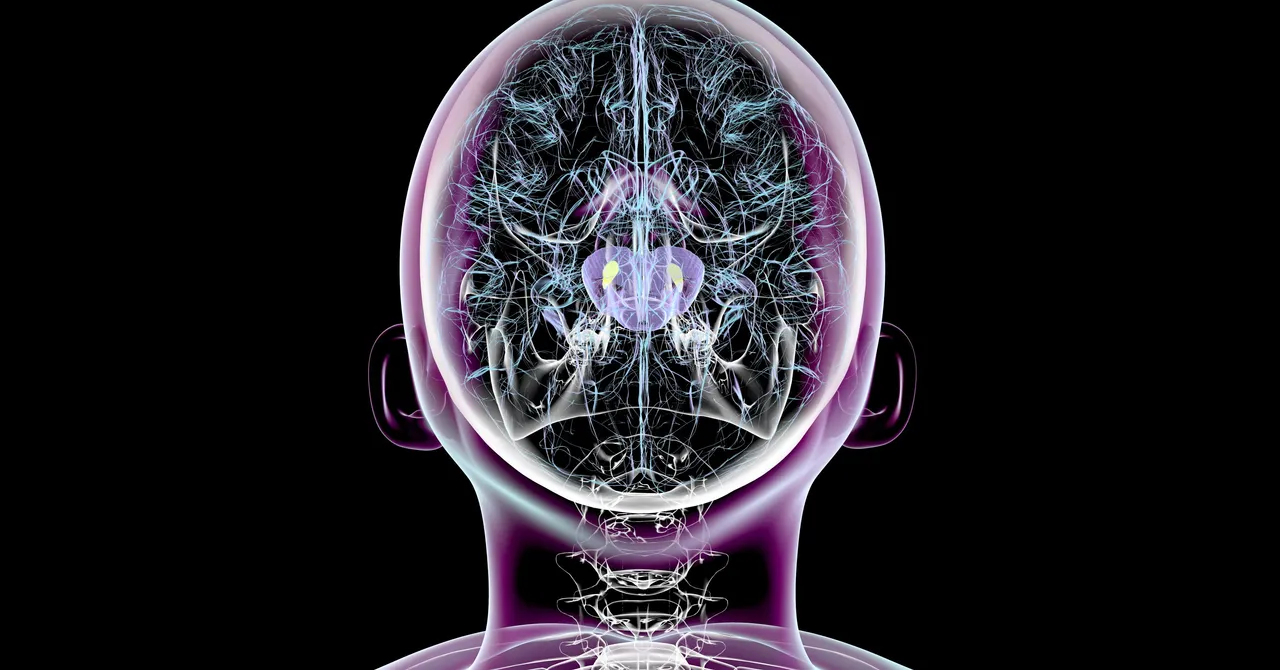
Scientists have successfully reversed Parkinson's symptoms in mice using experimental therapies, offering hope for future treatments for the nearly 10 million people affected worldwide, as the incidence of the disease continues to rise.
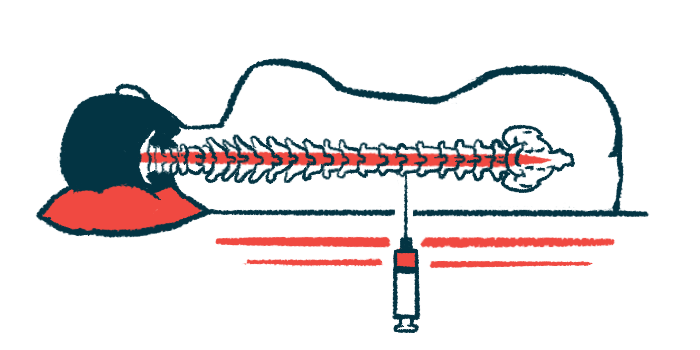
A study published in The Lancet reports that the experimental therapy jacifusen appears to be safe and may slow or reverse disease progression in some patients with FUS-ALS, a rare and aggressive form of amyotrophic lateral sclerosis caused by FUS gene mutations. The therapy showed promising results, including decreased nerve damage markers and, in one case, significant functional recovery, suggesting potential for delaying disease onset in high-risk individuals. Further research through Phase 3 trials is underway to confirm these findings.
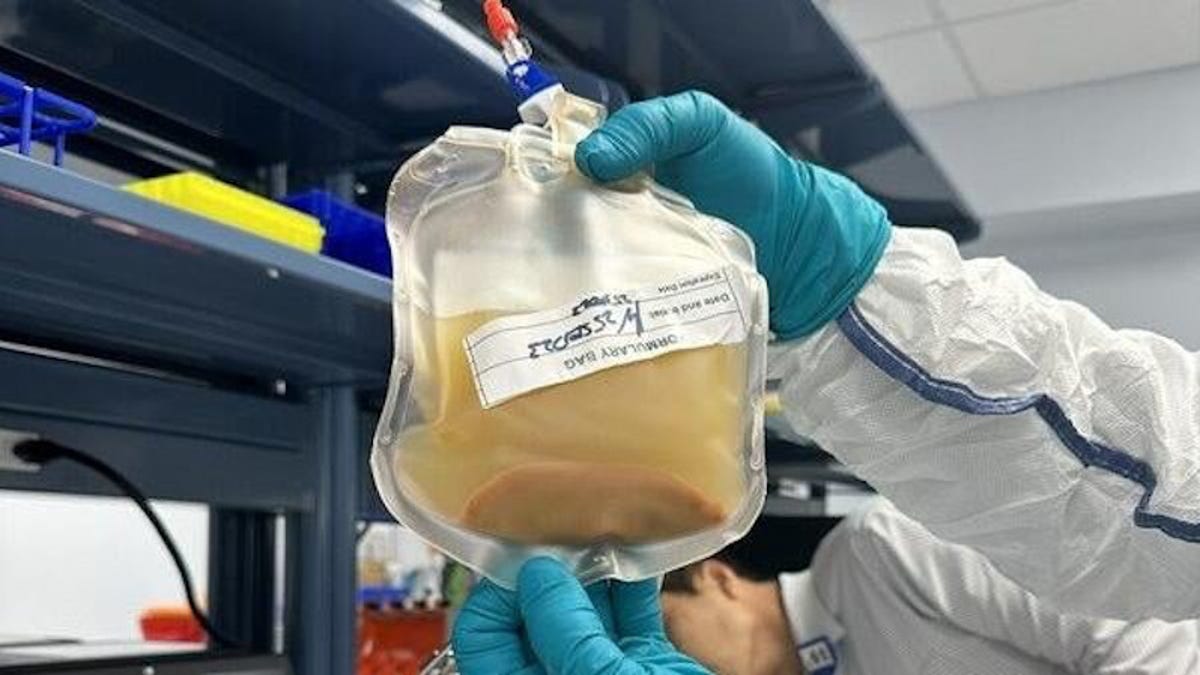
Biotech company LyGenesis has initiated a phase II trial for its experimental therapy, LYG-LIV-001, which aims to grow miniature livers inside a person’s lymph nodes using hepatocytes derived from donated livers. The therapy could potentially offer a life-saving alternative for individuals with end-stage liver disease who are ineligible for conventional transplants. If successful, this regenerative medicine milestone could help address the imbalance between organ supply and demand, with the potential to treat many ESLD patients using a single donated liver. The trial, set to enroll 12 patients, is expected to conclude in early 2026, and the company is also exploring the use of its bioreactor technology to grow other organs.
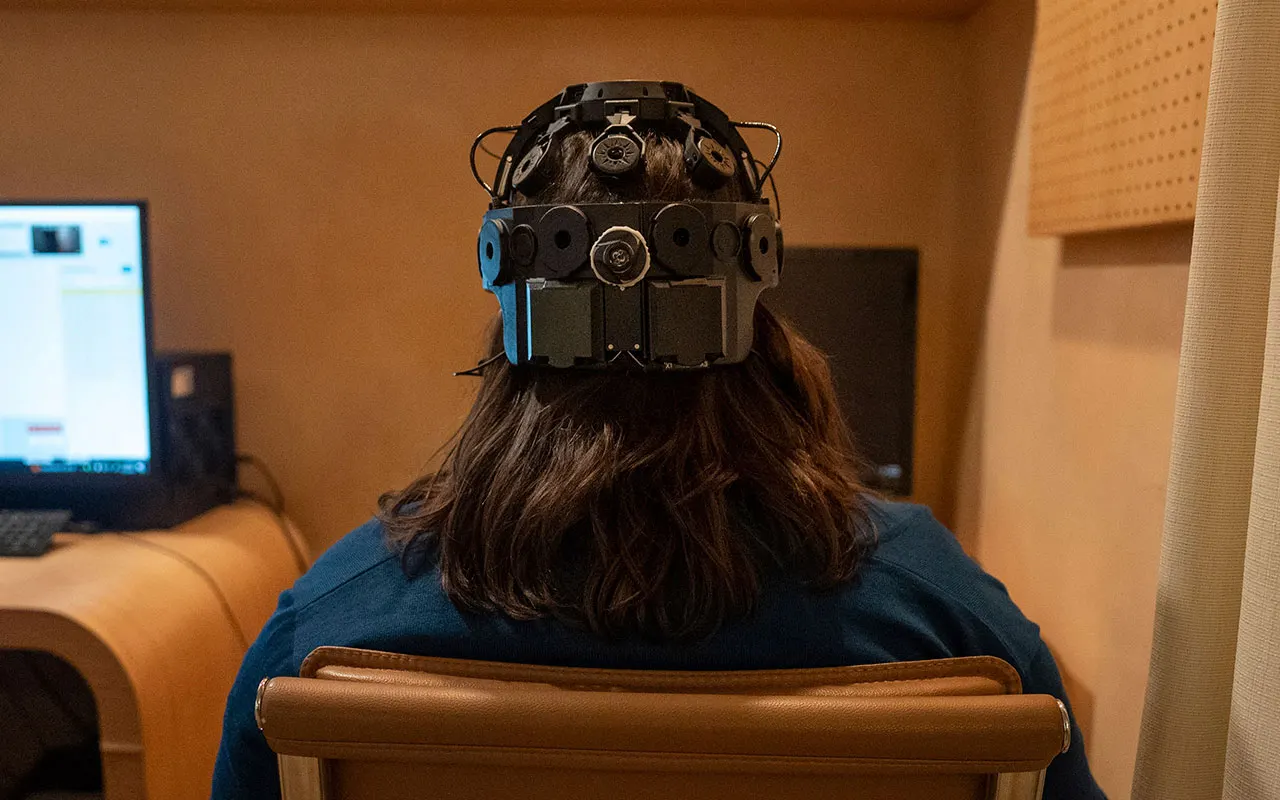
Emily Hollenbeck, who struggled with recurring depression, underwent deep brain stimulation (DBS) therapy, an experimental treatment that delivers targeted electrical impulses to the brain, showing promise in research despite setbacks. The treatment, similar to a pacemaker for the brain, has improved her mental health, with researchers hoping it will become more widely available for depression. While some scientists raise concerns, the FDA has agreed to speed up its review of DBS devices for treatment-resistant depression. Recent research shows potential for providing an objective way to observe patients' improvement and distinguish between impending depression and typical mood fluctuations.
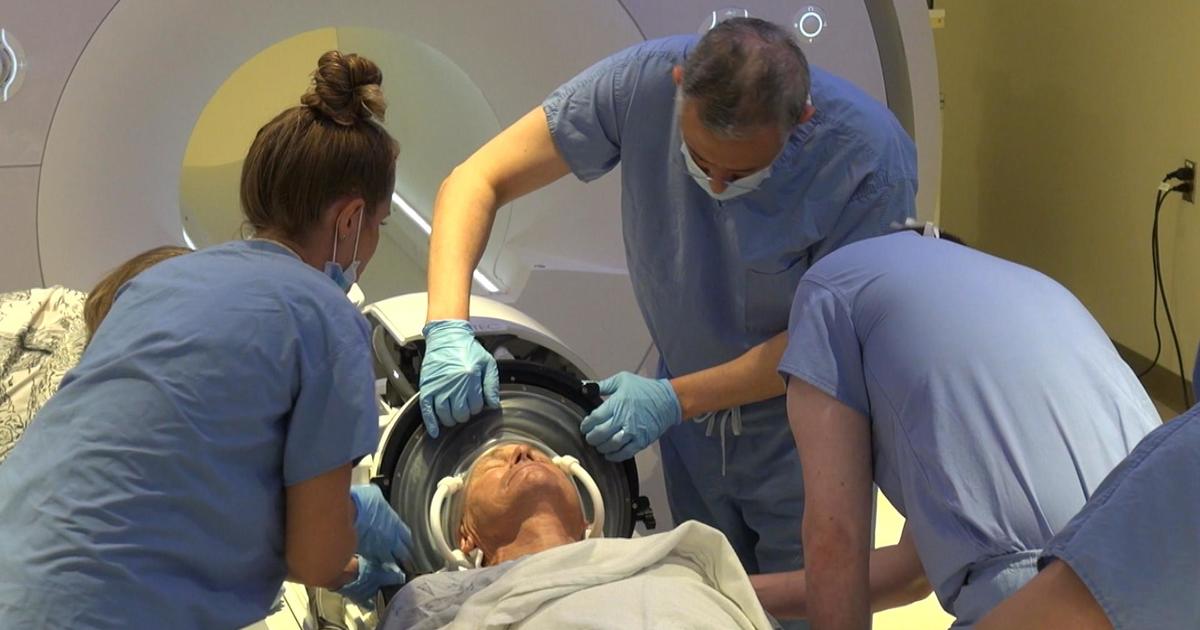
Dr. Ali Rezai, a neurosurgeon, is pioneering experimental ultrasound treatments for Alzheimer's disease and drug addiction. Using focused ultrasound, Rezai's trials have shown promising results in reducing beta amyloid proteins in Alzheimer's patients and suppressing cravings in addiction patients. The ultrasound treatment involves opening the blood-brain barrier to deliver therapeutic drugs directly to the brain. Rezai is now expanding the use of ultrasound to help people with other brain disorders and is determined to continue pushing the frontiers of medical treatment.
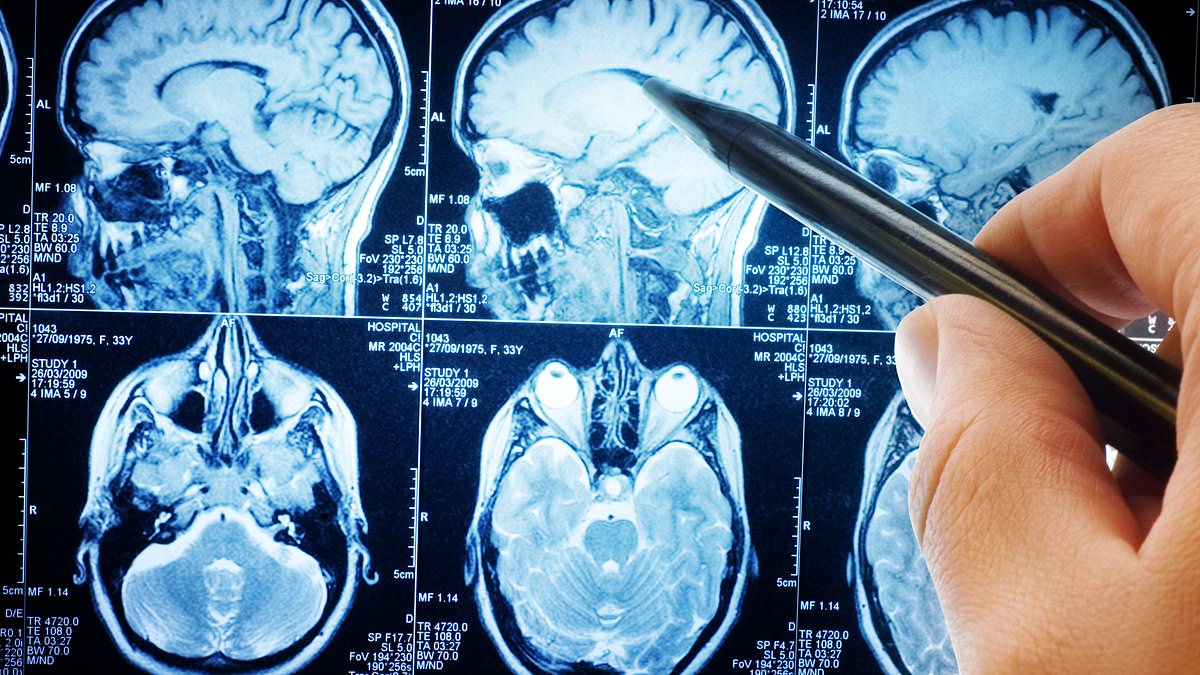
Researchers in Massachusetts are testing an experimental therapy called CAN-3110, which uses a genetically modified herpes simplex virus to provoke an immune response against brain cancer cells. The treatment, injected into the tumor, aims to activate the patient's own immune cells to fight off the cancer. Initial results from a Phase I study showed that even patients with existing antibodies to herpes experienced an enhanced immune response. Further studies are needed to determine the effectiveness of CAN-3110, especially in patients without existing herpes antibodies.
Thousands of people have signed up to participate in Oregon's novel psilocybin experiment, which aims to explore the therapeutic potential of magic mushrooms. Recent studies have shown that psilocybin mushrooms have promising effects in treating anxiety, anorexia, depression, PTSD, obsessive-compulsive disorder, and substance abuse. The experiment in Oregon is part of a growing movement to explore the use of psychedelics as a potential therapy for mental health conditions.