European businesses are underutilizing AI due to strict regulations and overregulation concerns from Brussels, leading top AI talent to move to Silicon Valley; EU aims to address this by reforming policies and ensuring fair competition among tech giants.
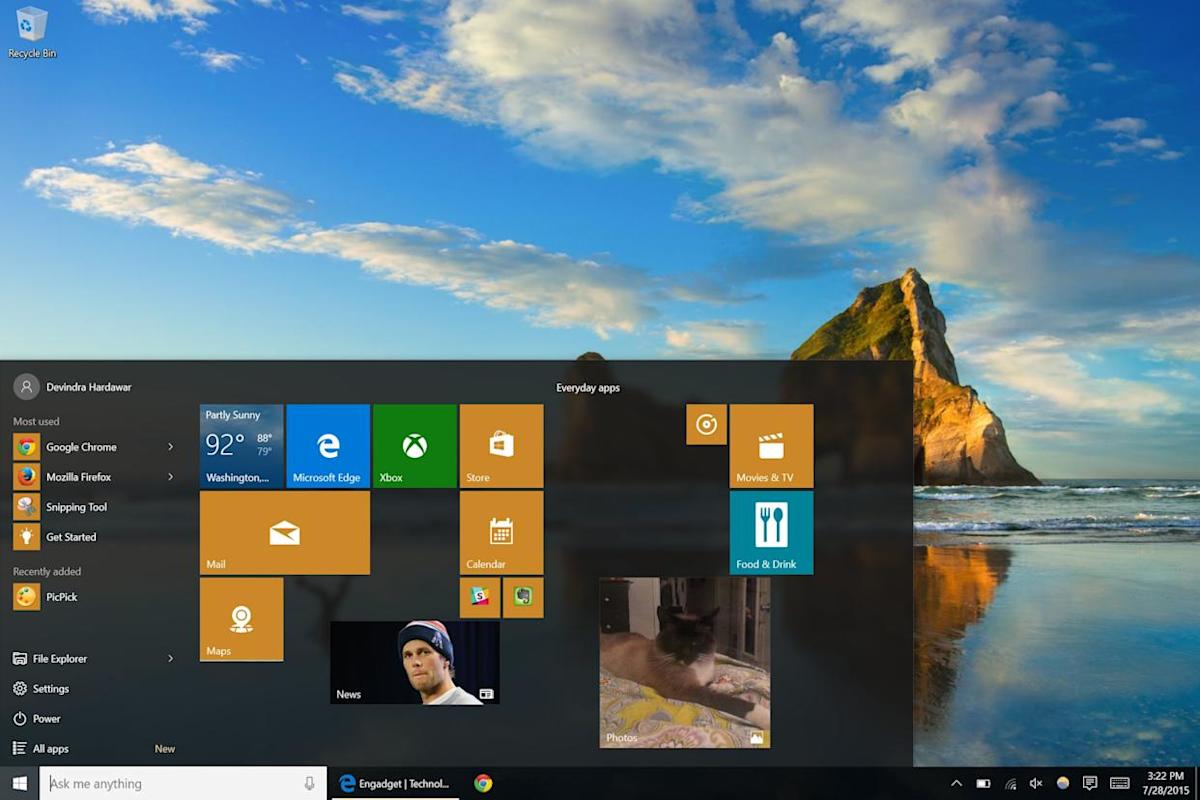
Microsoft has agreed to extend free security updates for Windows 10 in the European Economic Area following complaints and regulatory pressure, while other regions still face the October 14 deadline to upgrade or pay for support, amid concerns over planned obsolescence and consumer choice.
Meta announced it will cease political advertising in the European Union starting October, citing upcoming EU regulations on transparency that it finds unworkable, though users can still share political content without paid amplification.
The 'Stop Killing Games' campaign, which has gained over 1.2 million signatures, advocates for regulations to prevent online games from becoming permanently unplayable after server shutdowns. While game publishers and industry groups defend current practices citing costs and security concerns, the campaign highlights legal and ethical debates about consumer rights and game preservation, especially in Europe where laws are less clear than in the US.
Originally Published 6 months ago — by Hacker News
The article discusses the controversy surrounding online-only and DRM-heavy games, with critics arguing that such practices limit consumer rights and developer choices. It highlights calls for legislation to ensure ownership rights, transparency in licensing, and the ability to play previously purchased games offline, contrasting current industry practices with potential regulatory reforms. The debate also touches on licensing issues, market segmentation, and the impact of laws on game development and preservation.
Apple's upcoming iOS 17.4 update, driven by EU regulation, introduces sideloading for iPhone users, allowing them to download apps from alternative marketplaces. While this move challenges Apple's traditional "walled garden" approach, it may have implications beyond the EU, potentially impacting the rest of the world. Despite concerns about security and potential impact on the App Store ecosystem, this change represents a significant shift in Apple's control over its operating system and could lead to further global changes in the future.
Spotify is preparing to implement in-app purchases if Apple complies with the Digital Markets Act, a 2022 EU law that aims to curb anticompetitive practices by tech giants like Apple. The law prohibits gatekeeper services from charging fees for apps to promote their own products and subscriptions or requiring specific payment processors. Spotify hopes to revamp its app to allow full in-app payment functionality, which could benefit its premium subscription, audiobooks, and podcasting verticals. The enforcement of this law could lead to a more competitive space in the tech industry.
The Digital Services Act (DSA), a new EU regulation on digital services, is set to come into effect on August 25th for 19 major digital platforms, including Instagram, Snapchat, Twitter, Facebook, and TikTok. The law requires platforms to remove illegal content, including hate speech and counterfeiting companies, and mandates transparency regarding algorithms and recommendation systems. Non-compliance can result in sanctions of up to 6% of a company's annual turnover. Some platforms have criticized their inclusion on the list, while a survey found that platforms have not done enough to combat hate speech. Commissioner Thierry Breton has expressed support for the DSA and warned companies of their obligations under the law.
Valve will be forced to manufacture new versions of the Steam Deck with replaceable batteries due to a new EU battery regulation. The current process of removing the battery is difficult and can lead to damage. The regulation aims to reduce environmental impact and encourage competition among battery manufacturers. This change may apply to all devices sold by Valve, including those in the US. Third-party sellers may also produce more powerful replacement batteries. The new version of the Steam Deck is expected to be released in the next few years.