Fairphone has released Fairbuds, wireless earbuds with easily replaceable batteries for both the charging case and buds themselves, along with other replaceable parts, aiming to reduce e-waste. With features like active noise cancellation, IP54 sweat and water resistance, and a two-year warranty (extendable to three years), the Fairbuds offer a compelling package. Priced at €149 in Europe, they hope to set an example for sustainable design in the tech industry.
JBL has unveiled new portable Bluetooth speakers at CES 2024, featuring replaceable batteries for extended usage. The updated PartyBox models and personal portable iterations support Bluetooth 5.3 with LE audio and Auracast for wireless connectivity with other Auracast-enabled JBL speakers. The large-format PartyBox models now include easily swappable batteries, while the personal portables have longer runtimes on a single charge. Additionally, recycled fabric and plastic are used in their construction.
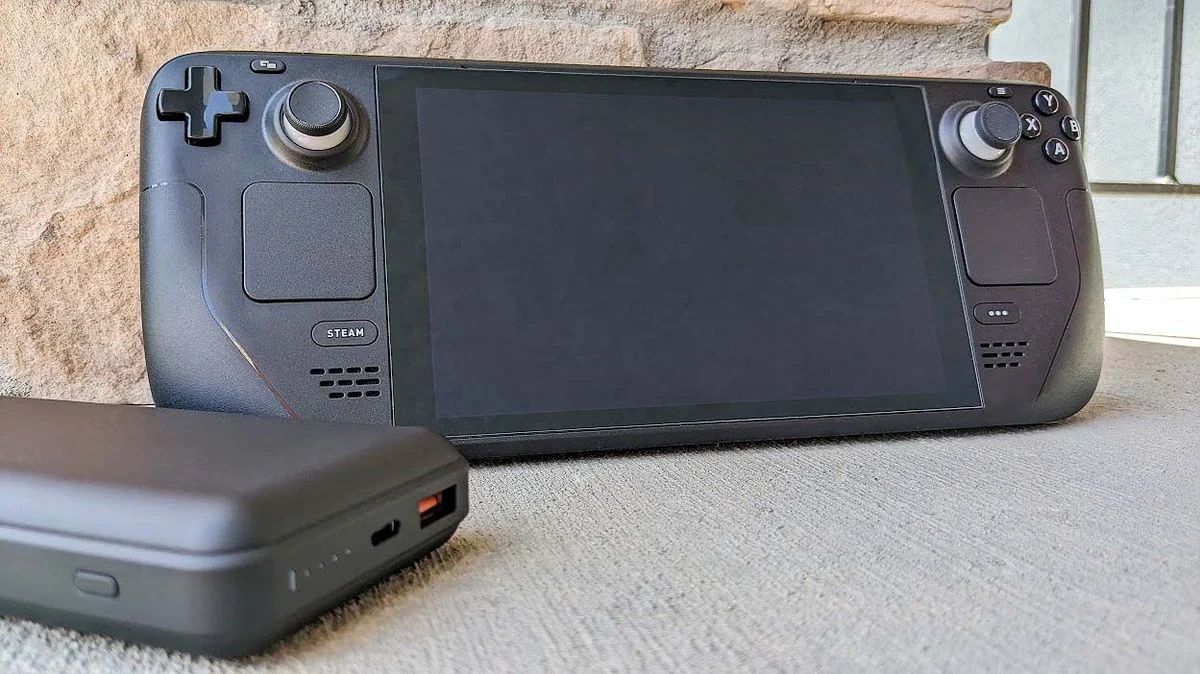
Valve will be forced to manufacture new versions of the Steam Deck with replaceable batteries due to a new EU battery regulation. The current process of removing the battery is difficult and can lead to damage. The regulation aims to reduce environmental impact and encourage competition among battery manufacturers. This change may apply to all devices sold by Valve, including those in the US. Third-party sellers may also produce more powerful replacement batteries. The new version of the Steam Deck is expected to be released in the next few years.
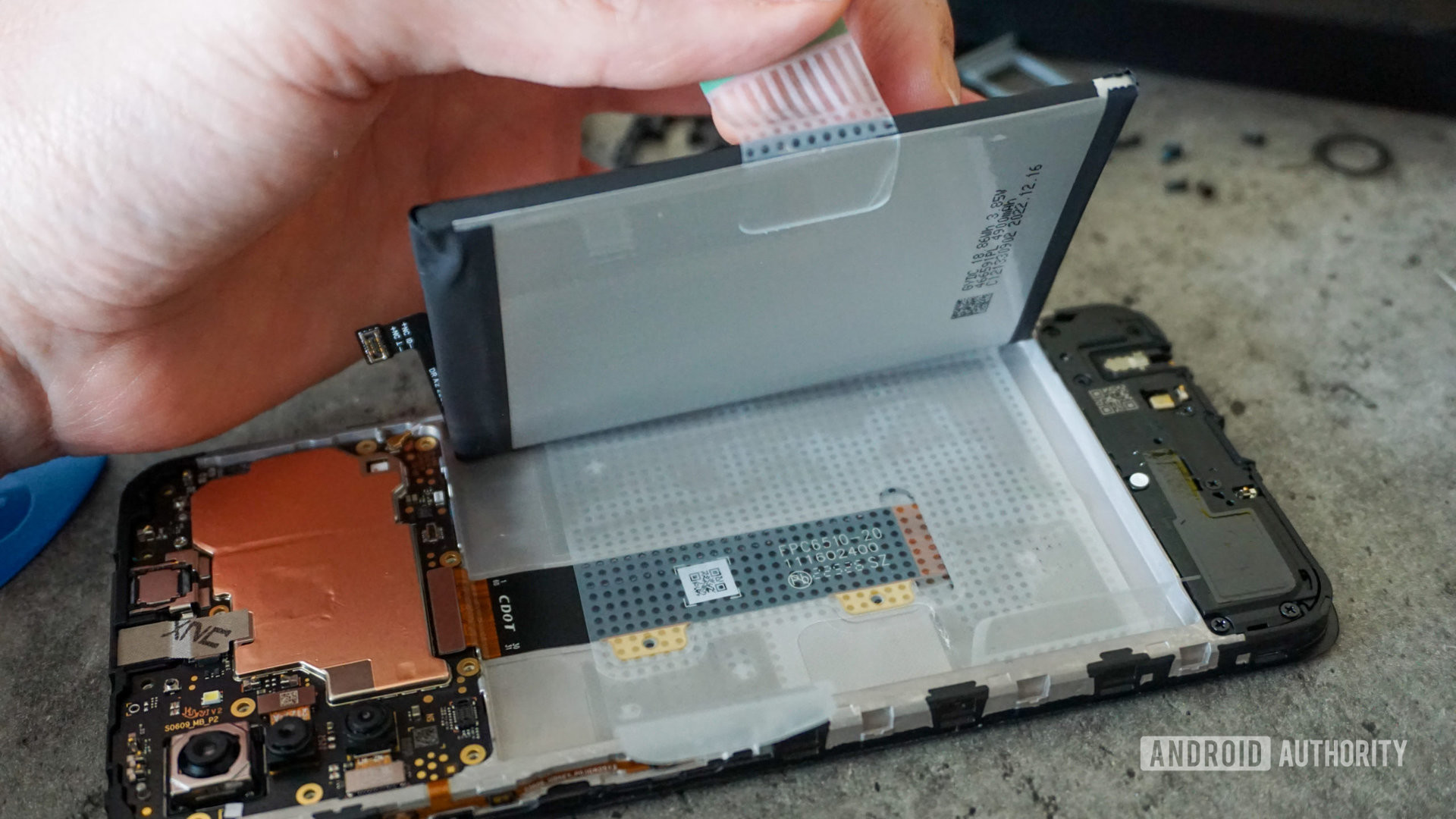
The European Parliament has approved a law that requires portable batteries in appliances to be "readily removable and replaceable" by consumers. This means that in a few years, any phone sold in Europe will have to be designed so that its battery can be replaced by the person who owns it. The interpretation of "readily removable and replaceable" is still up for debate, but this move could extend the longevity of devices and bring back easily replaceable phone batteries.
The EU Parliament has approved a set of rules requiring replaceable batteries in portable appliances, including mobile phones. The move is expected to increase ease of maintenance and extend the lifespan of devices. The package also includes the introduction of a battery passport for larger industrial and EV batteries.
The European Parliament has passed a law that will require all gadgets, including smartphones, to have easily replaceable batteries without the need for special tools or adhesives. This law, which goes into effect in 2027, is an attempt to reduce environmental waste and increase responsibility in the tech industry. The law could fundamentally change how smartphones are designed, as the current "glass sandwich" design method would need to be altered to comply with the new regulations.