The piece notes rising activity on the Epic Games Store, yet a member poll shows purchases remain low: 46% use the store mainly for free games, 28% don’t use Epic at all, 12% buy most PC games there, 8% have it installed but rarely use it, and 7% only open it for Fortnite or Rocket League. Overall, growth in reach hasn’t translated into broad purchasing behavior.
Nintendo has showcased Pokémon Pokopia as a Game-Key Card, set to launch on March 5, 2026, marking the company's first release of this kind, though questions remain about its implications and whether more titles will follow.
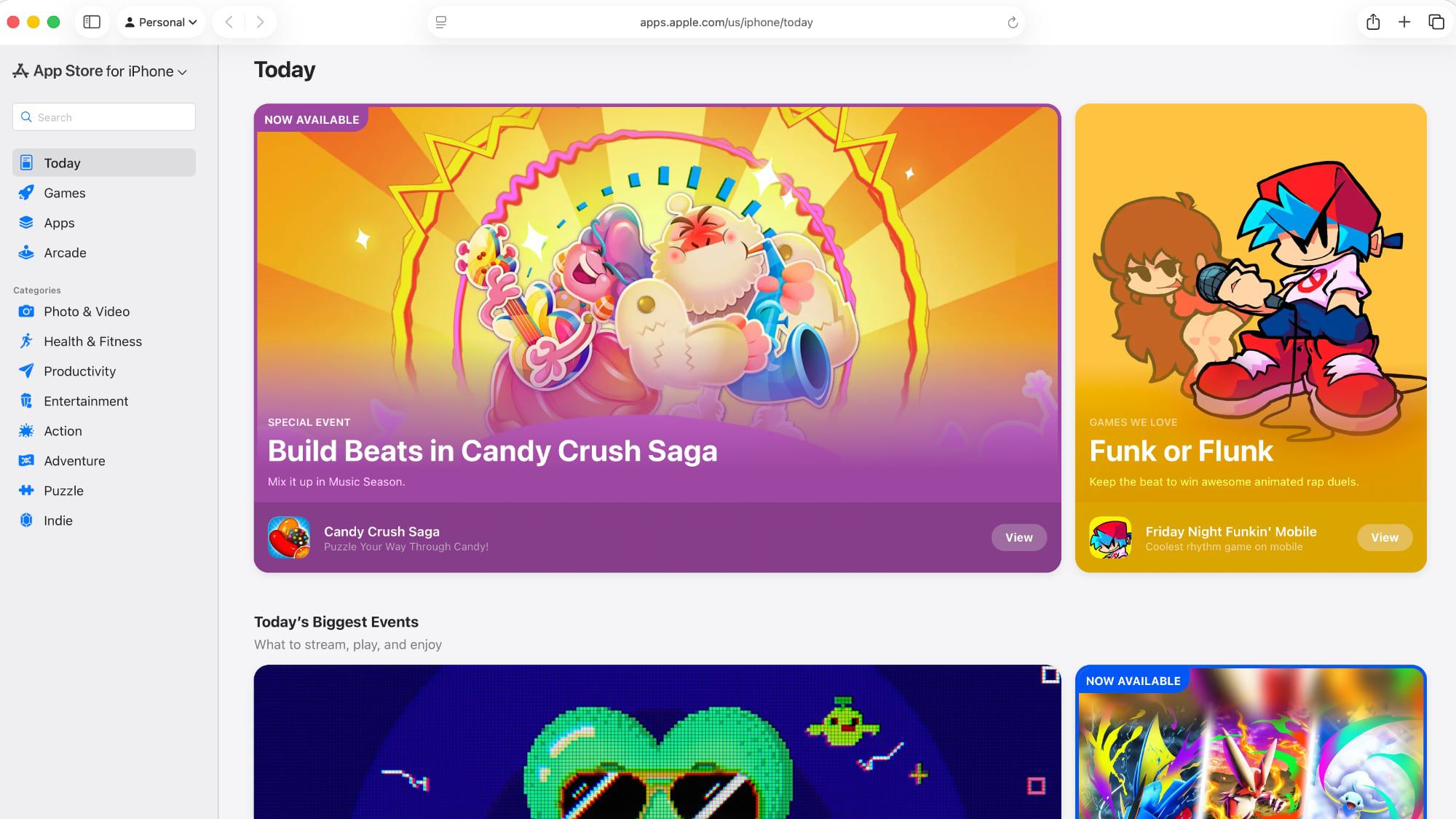
Apple has launched a new App Store for the web, expanding its digital distribution platform beyond traditional app stores, allowing users to access and install apps via web browsers.
Pico Park: Classic Edition was accidentally made permanently free on Steam due to a mistake by the developer, Tecopark, related to Steam's rules about switching between paid and free status, making it a free addition to users' libraries.
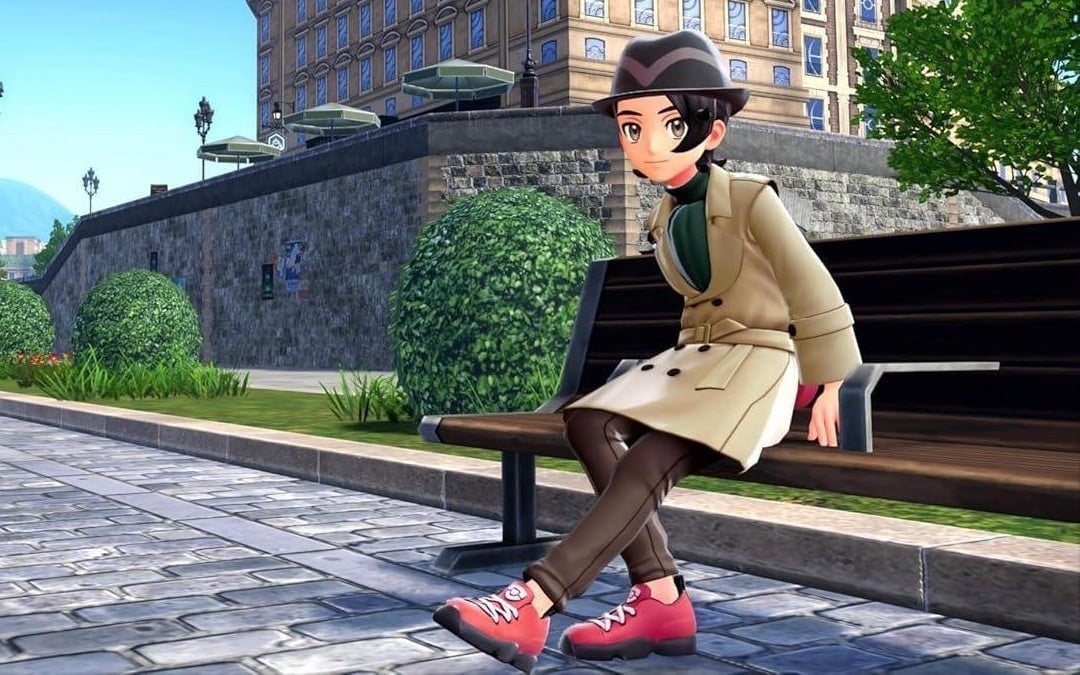
Pokémon Legends: Z-A offers exclusive pre-order bonuses in Japan and Australia, including a trench coat customization available via serial code, with additional digital pre-order deals available worldwide.
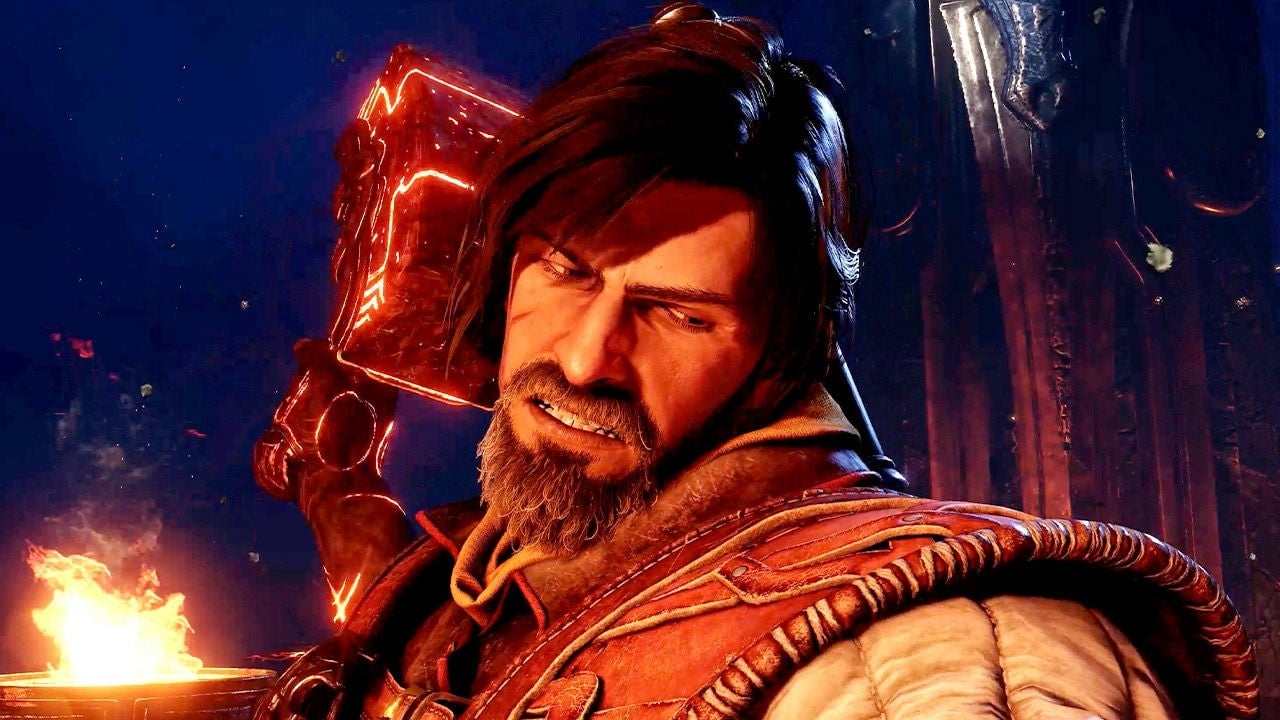
The underperformance of the PS5 game Blades of Fire is attributed to an oversaturated market and increasingly selective consumers, despite positive reviews and a decent reception. The game's publisher, Digital Bros, predicts an €10 million loss, citing challenges in launching new IP without strong brand backing and the impact of platform exclusivity. The article suggests that market saturation and consumer preferences are key factors affecting new game success, with potential for future gains through discounts or subscription services.
The article discusses the controversy surrounding online-only and DRM-heavy games, with critics arguing that such practices limit consumer rights and developer choices. It highlights calls for legislation to ensure ownership rights, transparency in licensing, and the ability to play previously purchased games offline, contrasting current industry practices with potential regulatory reforms. The debate also touches on licensing issues, market segmentation, and the impact of laws on game development and preservation.
PlayStation will continue its policy of not releasing first-party games on PS Plus on launch day, instead adding older titles and select indie games, maintaining a strategy that differs from Xbox's Game Pass approach.
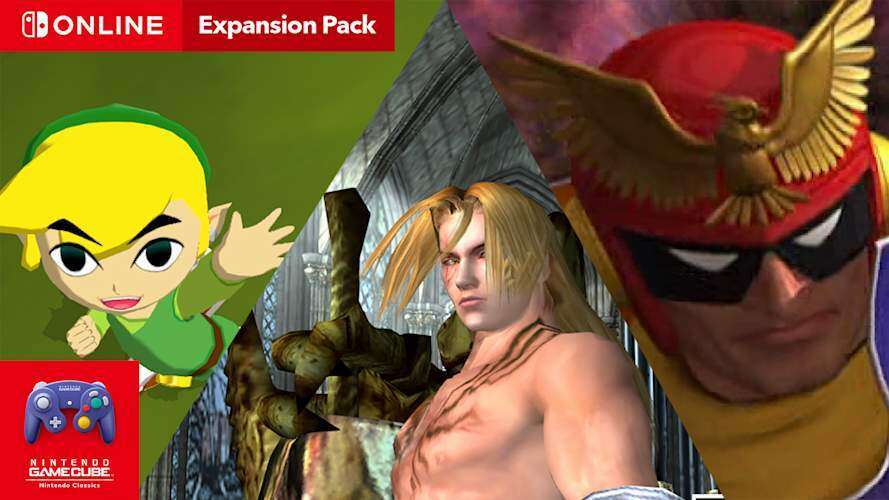
Nintendo's slow and deliberate rollout of classic games across its platforms, including the GameCube titles on Switch Online, is a strategic choice that allows players to better appreciate each game and maintains the value of its extensive back catalog, despite initial frustrations with limited releases.
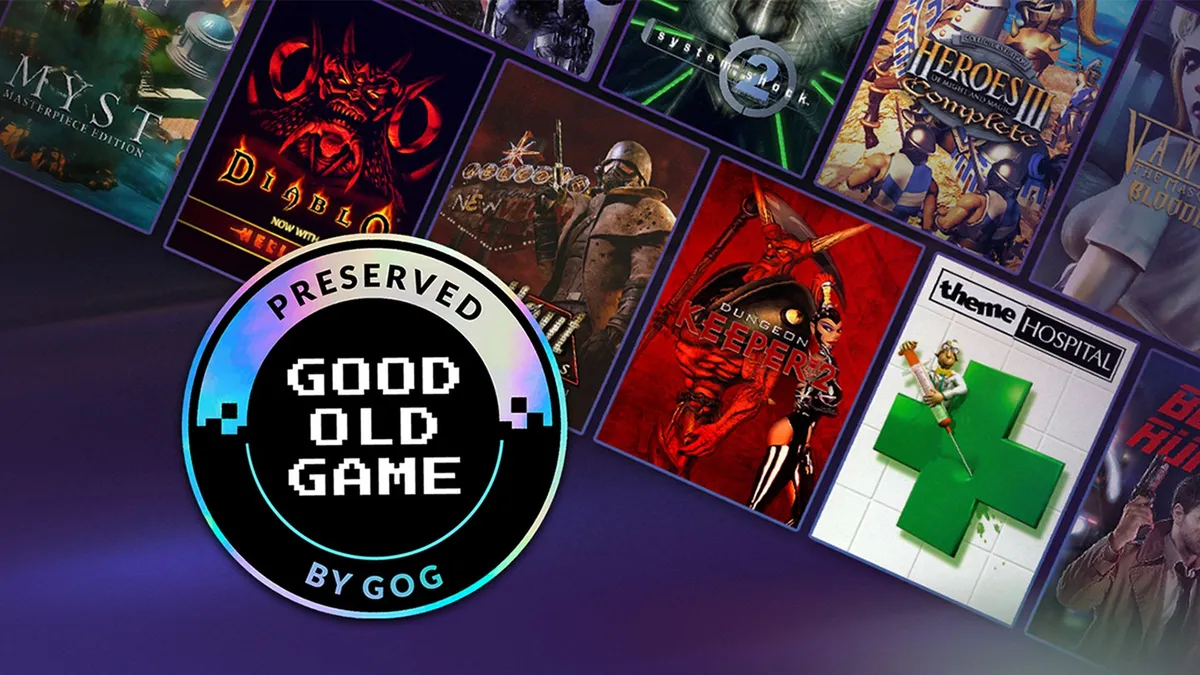
GOG.com has launched The GOG Preservation Program, a new initiative aimed at preserving classic games and ensuring their compatibility with modern systems. This move marks a return to GOG's original mission of offering DRM-free versions of classic games, amidst growing concerns about game preservation. The program starts with 100 games, including titles like Diablo and Fallout, and plans to expand to hundreds more by 2025, emphasizing long-term support and maintenance.
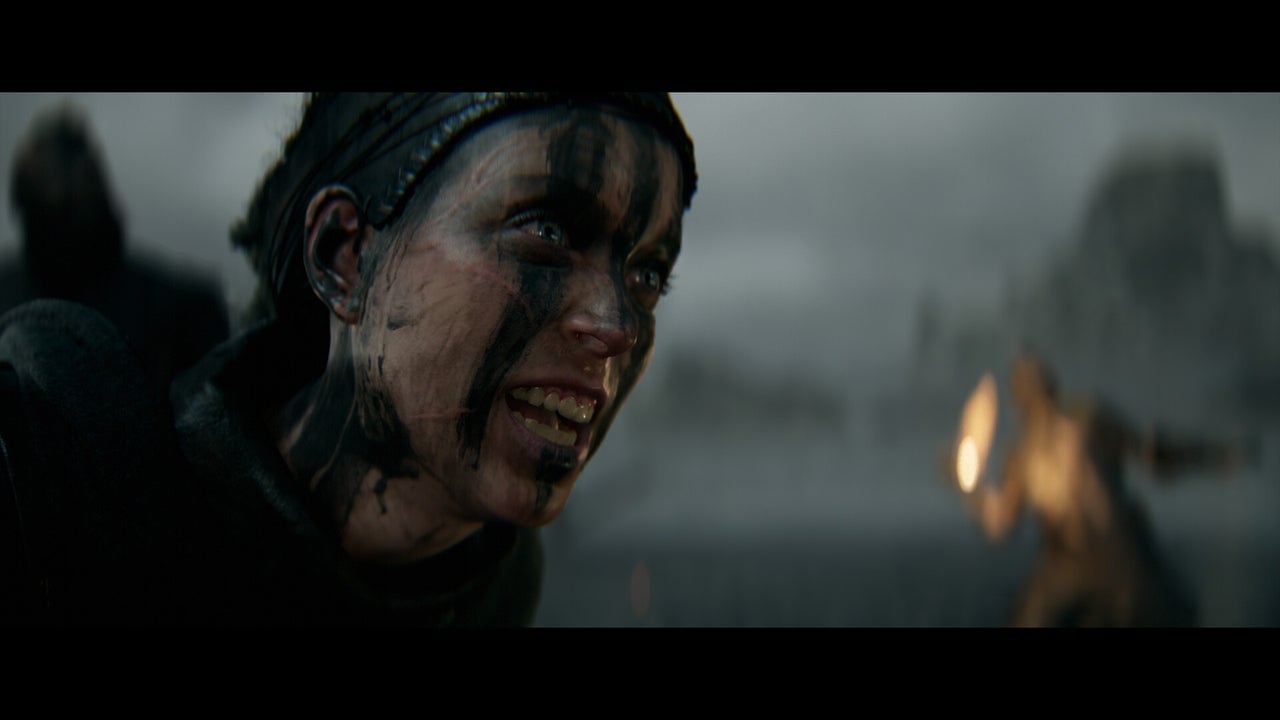
Ninja Theory, the developer of Hellblade 2, prefers making shorter games to accommodate the pressure on people's time, stating that digital distribution has opened the industry to games of all sizes. The studio head emphasized that the game length is tailored to the intended story, and that there is an audience for shorter, meaningful experiences. With Hellblade 2 set to launch on Game Pass and available for purchase, the studio measures success not just through sales, but also by the impact on players and the continuation of the character's journey.
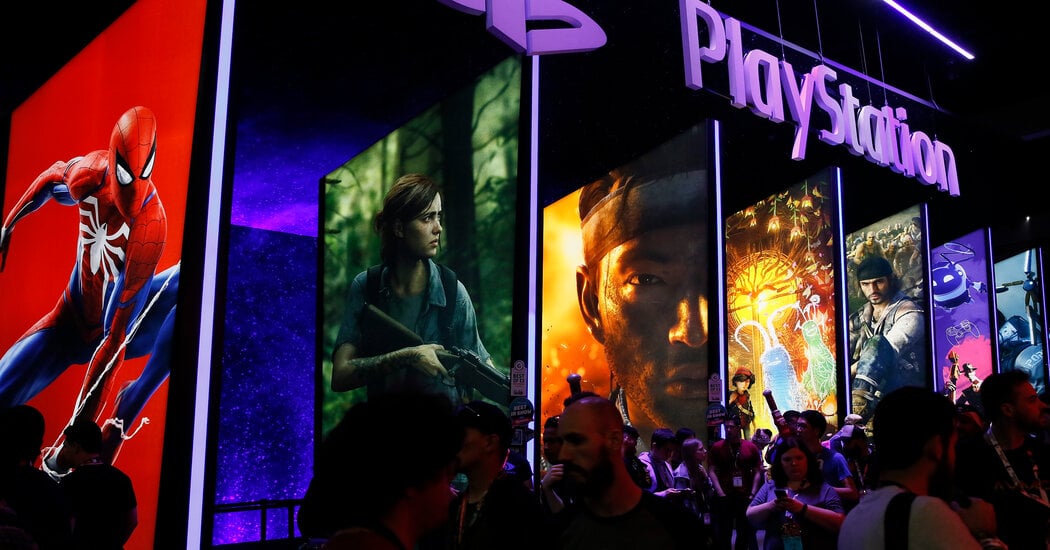
The annual E3 video game convention, once a major platform for showcasing new creations, is permanently shutting down after struggling to remain relevant in a rapidly evolving industry. The convention, held since 1995, faced competition from fan-focused events and lost partners like Nintendo and Sony. As physical games declined in popularity, mobile games and digital distribution took over. E3 was canceled during the pandemic and never recovered, leading to its permanent cancellation. The Entertainment Software Association, the convention's host, stated that it will continue advocating for member companies and the industry workforce.
The E3 gaming convention, one of the largest video game conventions in the world, is permanently shutting down after struggling to remain relevant in a rapidly evolving industry. The annual event, held in Los Angeles since 1995, was once a major opportunity for video game companies to showcase their creations, but faced competition from fan-focused conventions and lost partners like Nintendo and Sony. The shift to digital distribution and the decline of physical games also impacted the convention's relevance. E3 was canceled during the pandemic and never recovered, leading to its permanent closure.
Comixology, the digital comics platform owned by Amazon, has officially shut down its app and merged its libraries and subscriptions into users' Kindle libraries. The demise of Comixology was a slow process, marked by the closure of services like Comixology Pull List and the merging of programs into Kindle Direct Publishing. The tension between Comixology and Amazon has been present since the acquisition, with the removal of the ability to purchase comics from iOS versions to avoid app store fees. While Comixology revolutionized digital comics distribution, it faced drawbacks such as limited ownership of purchased comics and the control of publishers over availability. With the closure of Comixology, there is a need for a flexible, industry-wide solution for digital comics, but the small market size and lack of market pressure make it challenging. Despite its efforts, Comixology was never able to save the comics industry, and its demise highlights Amazon's lack of interest in finding a better solution.
GOG.com, the PC gaming storefront, is celebrating its 15th anniversary with a massive sales event, offering discounts on hundreds of games. Started by CD Projekt as a means of combating video game piracy in Poland, GOG.com has become a haven for classic and forgotten gems. The sale includes popular titles like Cyberpunk 2077 and Fallout 3, with discounts ranging from 40% to 75%. GOG.com continues to be a strong force in preserving and distributing classic PC games.