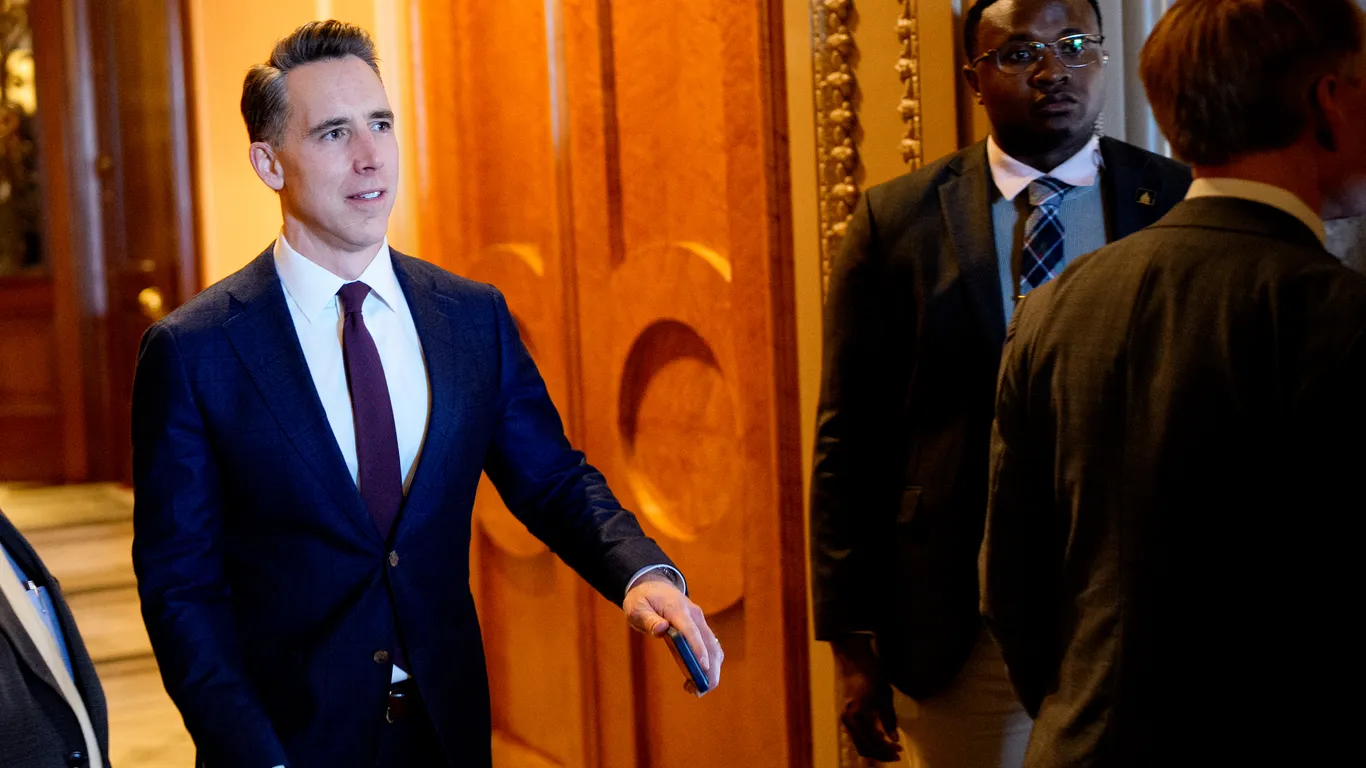
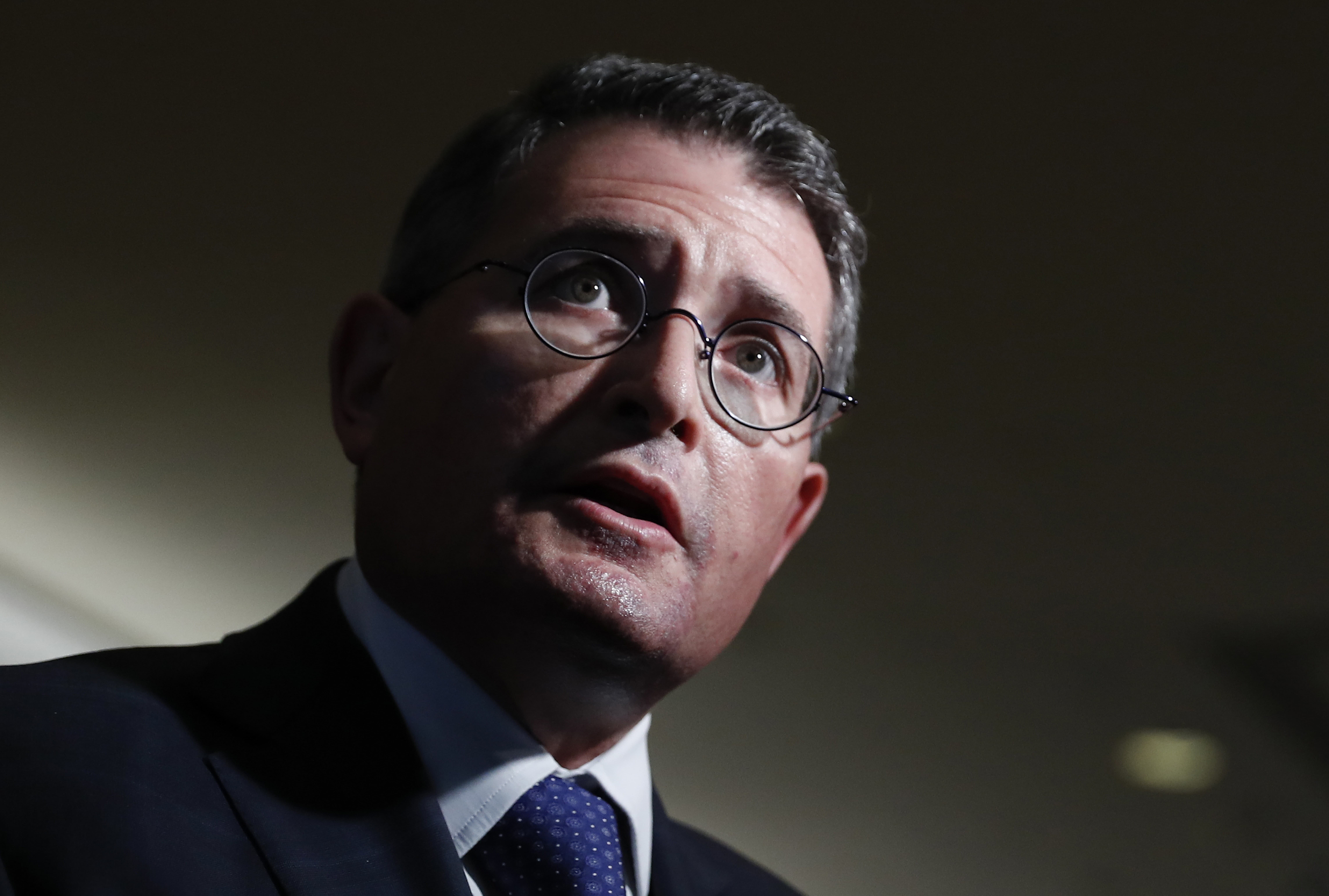
President Trump's advisers are upset with Senator Hawley's launch of an anti-abortion group, viewing it as a strategic misstep that could harm Republican prospects in the upcoming midterms, while also highlighting internal GOP tensions over the issue and potential 2028 presidential ambitions.
A $64 million anonymous donation to the Impetus Fund, which ultimately supported Joe Biden's 2020 presidential campaign, highlights the growing influence of "dark money" in U.S. elections. Despite efforts to uncover the donor's identity, the source remains unknown, illustrating the opaque nature of current campaign finance systems. Critics argue that such secrecy undermines transparency and public trust, while both Democratic and Republican campaigns continue to benefit from these undisclosed funds. As the 2024 election approaches, the role of dark money is expected to be even more significant.
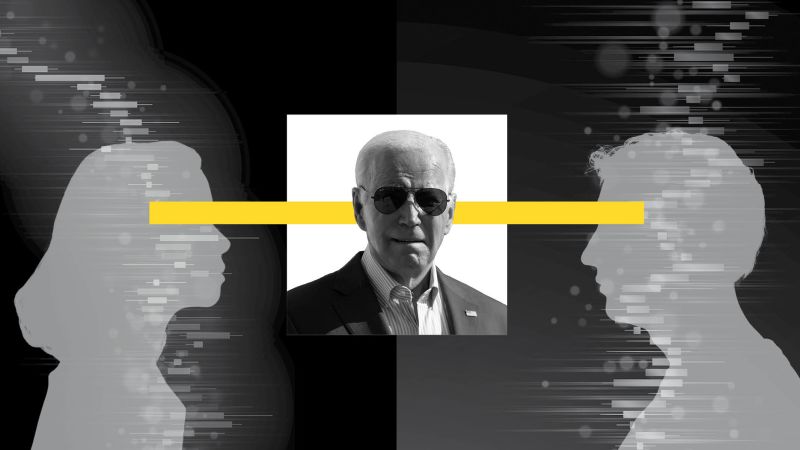
A husband-and-wife duo with ties to AI investments and cryptocurrency trading have emerged as major backers of the dark-money group supporting President Joe Biden, with their non-profit, BEMC 4 Association, donating $7.2 million to Future Forward USA Action in 2022. Future Forward, a Super PAC, has become a key supporter of the Biden-Harris agenda and 2024 efforts, raising a combined $208 million in 2023. The couple, who work at Jane Street, have also quietly increased their political spending, supporting various Democratic Party groups and candidates. The influence of dark money in politics has been criticized by Biden, despite benefiting from such groups, and the trend is set to continue with Future Forward planning the largest ever political advertising campaign by a Super PAC in 2024.
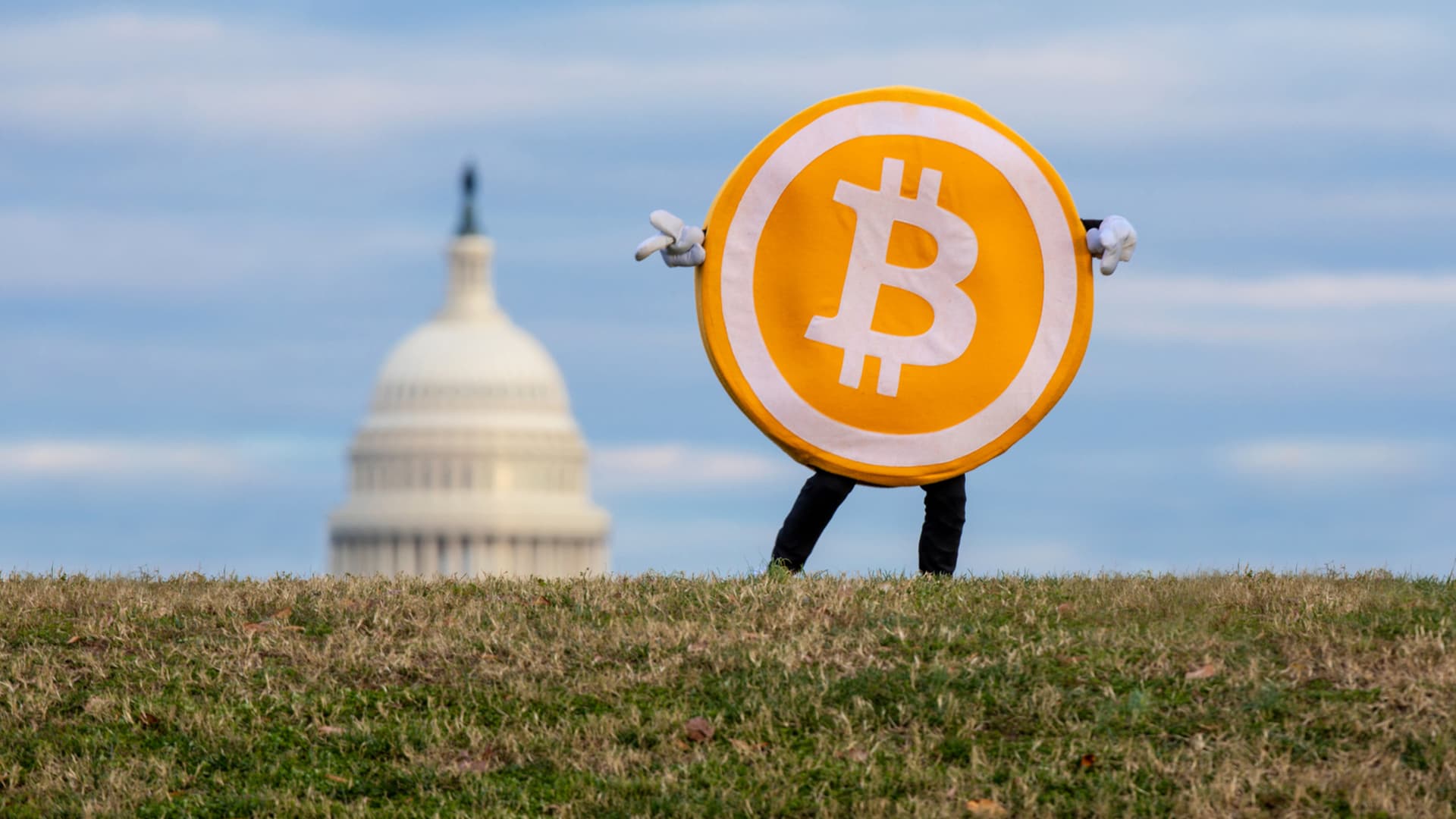
A new mysterious nonprofit group called the Cedar Innovation Foundation, backed by the crypto industry, has set up a mailing address near Washington, D.C., and is ramping up lobbying efforts ahead of the 2024 elections. The group, heavily funded by crypto industry players, has launched advertisements against lawmakers critical of crypto and quietly hired strategists to fight on its behalf. With the crypto industry aiming to influence Congress and spending millions on lobbying, the foundation's efforts have drawn criticism from opponents who view it as a "dark money" campaign.
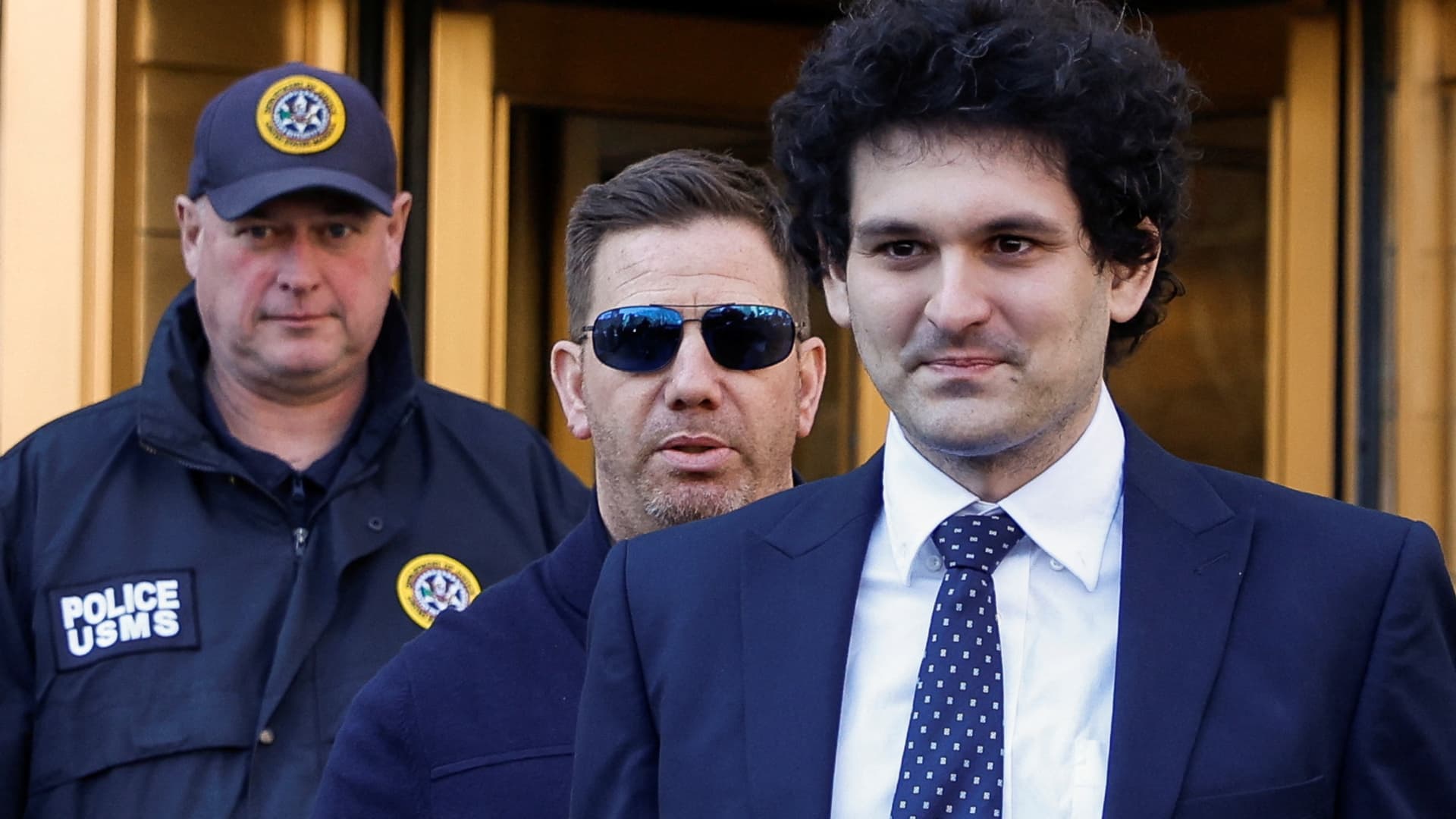
Former FTX CEO Sam Bankman-Fried and his allies donated $50 million to politically active groups that do not disclose their donors, according to recently revealed documents. Bankman-Fried used a private signal chat to request contributions be made in someone else's name, while his mother encouraged donations to be made in that person's name as well. Bankman-Fried faces federal fraud charges and allegations of using FTX customer funds to finance over $100 million in political giving. He publicly supported Democratic causes while secretly funding conservative dark money groups. Bankman-Fried's former colleagues also made significant donations to Republican-aligned organizations. FTX itself donated to various obscure "dark money" groups linked to Republican senators.
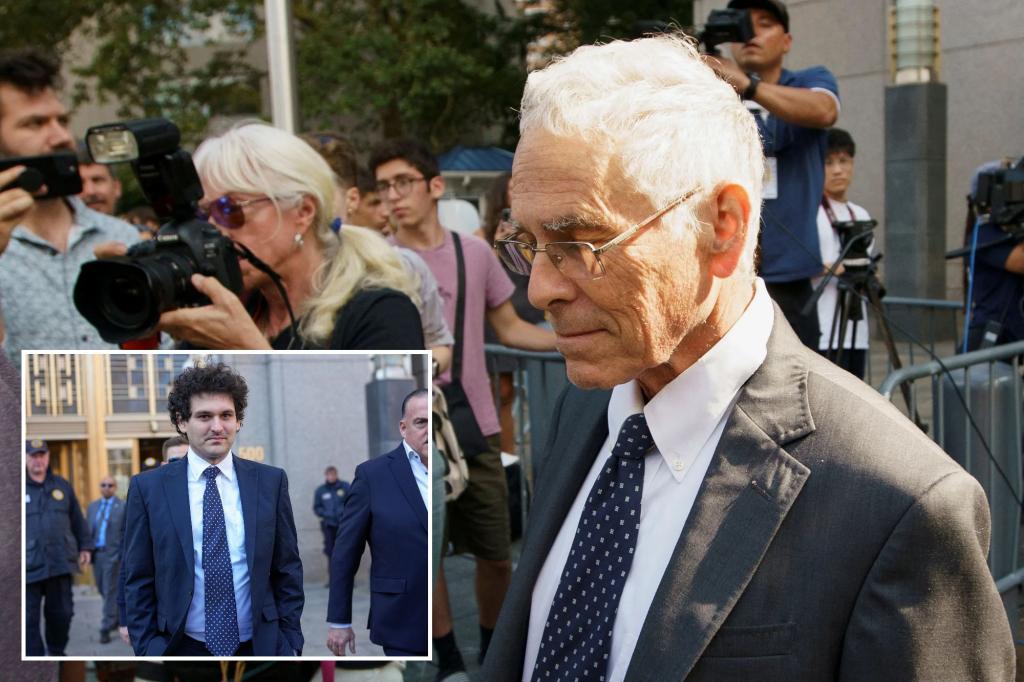
Sam Bankman-Fried's father, Joseph Bankman, allegedly held an advisory role at Arabella Advisors, a top Democratic dark money network, according to a lawsuit filed by FTX, Bankman-Fried's former company. FTX is seeking to recoup money owed to pay debts, claiming that Bankman and his wife exploited their access and influence within the company. Arabella Advisors manages a nonprofit network that raises over a billion dollars in anonymous cash annually and supports left-wing causes. The allegations have raised concerns about the extent of Bankman-Fried's political influence through the powerful liberal dark money network. Arabella Advisors denies that Bankman had any role at the firm. Bankman-Fried, a prolific supporter of Democratic causes, is facing multiple charges, including fraud and money laundering.
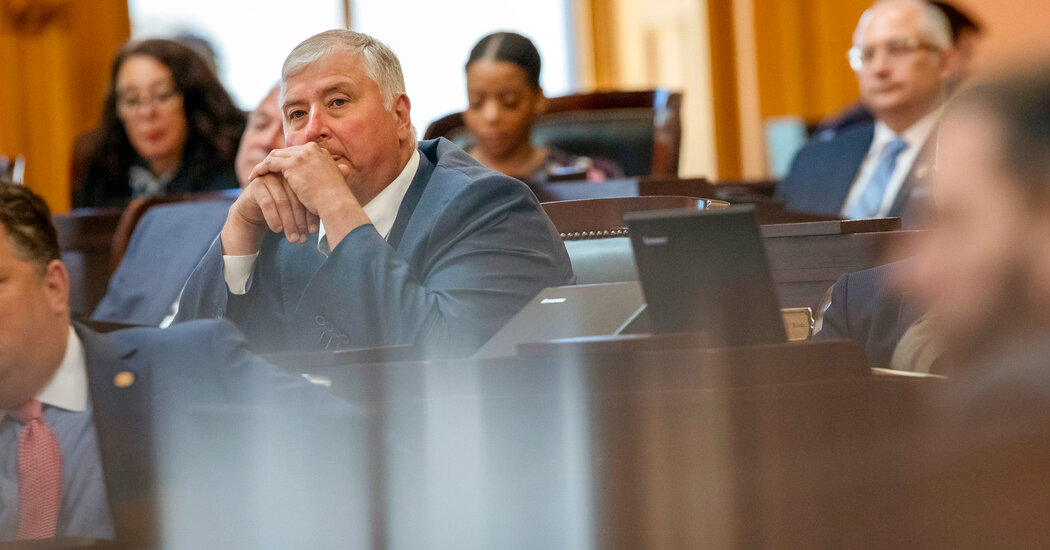
Former Ohio House Speaker Larry L. Householder is set to be sentenced for his involvement in a $60 million bribery scheme with FirstEnergy Corporation, which resulted in a $1.3 billion bailout for two struggling nuclear power plants. Prosecutors have recommended a sentence of up to 20 years. The case highlights the pervasive issue of dark money in politics and the susceptibility of state legislatures to manipulation by special interests. The investigation into the scandal is ongoing, and FirstEnergy has faced significant fines and legal consequences.
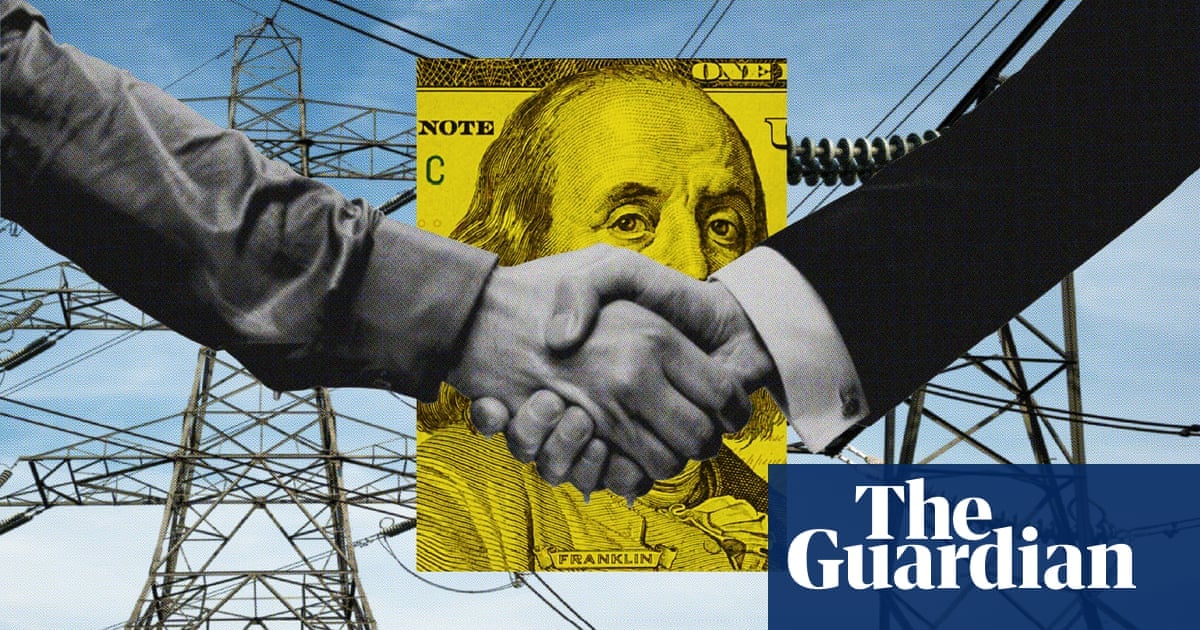
US power companies have donated at least $215m to dark money groups in recent years, according to an analysis of 25 for-profit utilities. While such donations to barely regulated non-profit groups are legal, a number of utilities have faced criticism for it. Dark money giving to tax exempt groups has helped utilities increase electricity prices, hinder solar schemes and helped elect sympathetic legislators in recent years. Critics argue the dark money spending is kept private, in part to ensure the disruptive transition to green energy happens on the companies’ terms or not at all, and to hinder oversight.
Leonard Leo, co-chair of the Federalist Society, obtained a $1.6 billion donation for his conservative legal network through an introduction arranged by the society, whose tax status forbids political activism. Leo has used his dark money network to donate millions of dollars to the society and to pay at least $1.54 million to one Federalist Society employee and $775,000 to an entity run by another, according to federal disclosure forms. Leo's dual roles as activist and society leader have prompted increasing tensions between him and his fellow co-chair, Northwestern University Law Professor Steven Calabresi, and Meyer, who has been executive director or president for more than 30 years.