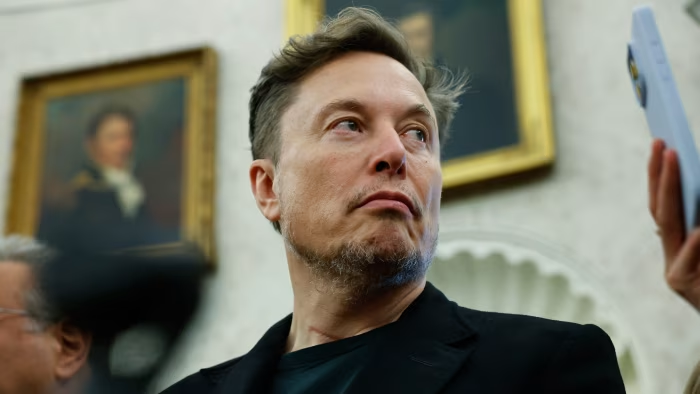
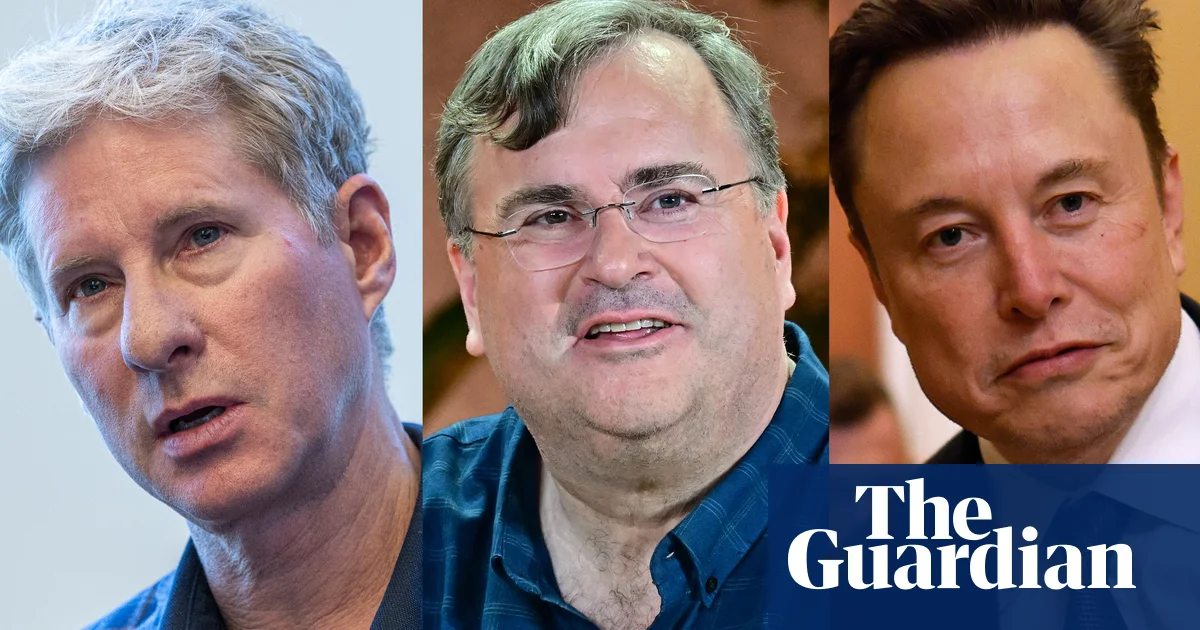
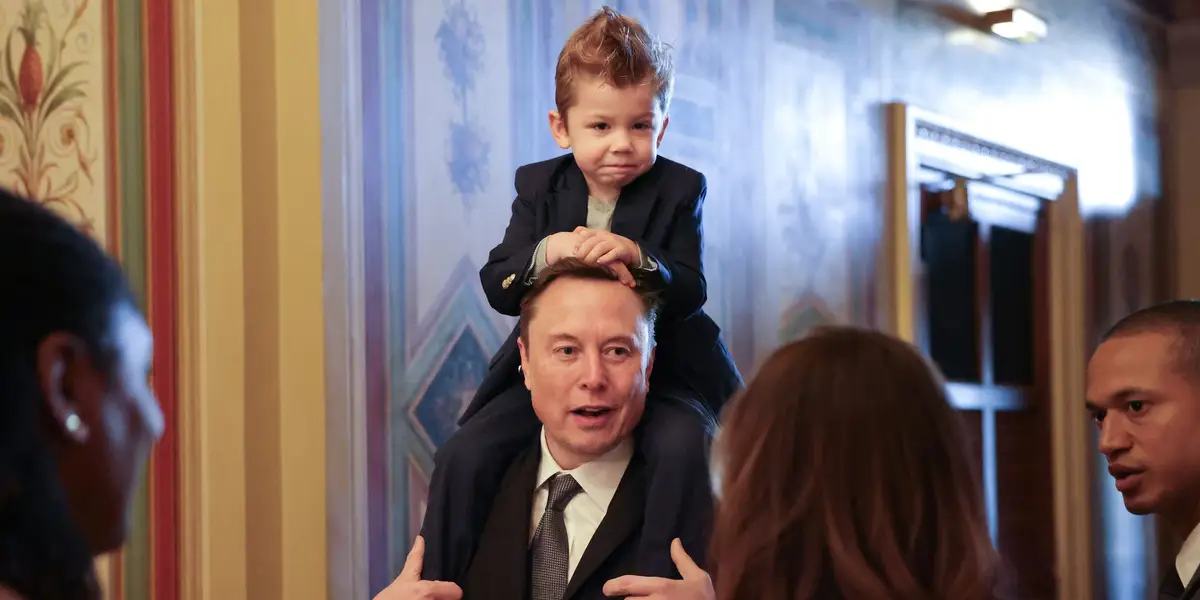
Elon Musk reportedly gave $10 million to a PAC backing Nate Morris in Kentucky’s GOP Senate primary to replace Mitch McConnell, boosting Morris’s campaign as Daniel Cameron leads polls and Morris trails in fundraising.
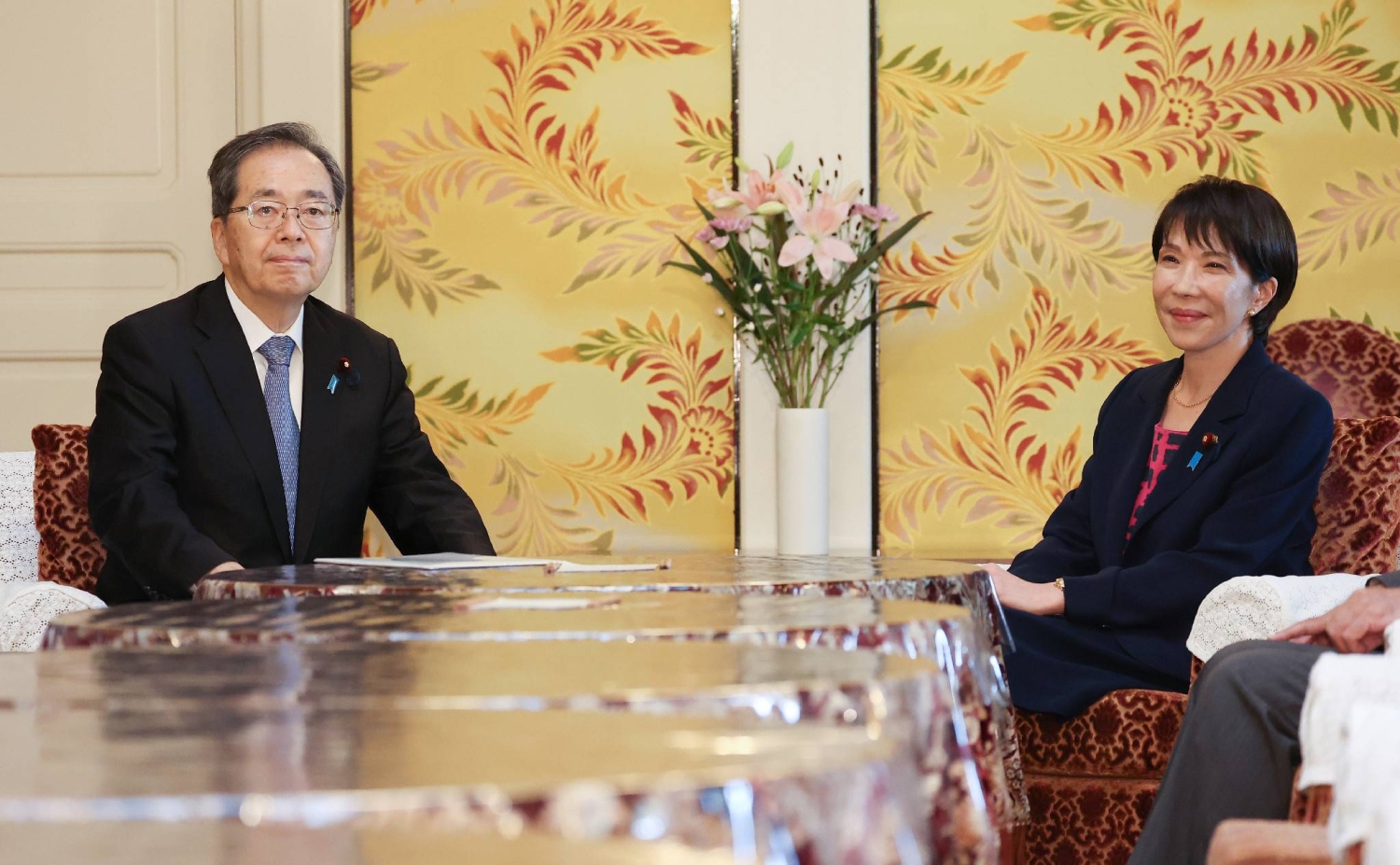
Komeito has decided to leave the ruling coalition with the LDP over disagreements on political donation restrictions and other issues, complicating Sanae Takaichi's bid for prime minister as the ruling party now faces the challenge of securing support from opposition parties.
The crypto industry has donated over $26 million to Trump's super PAC in 2025, highlighting a close relationship between Trump and the crypto sector, with the administration actively supporting and promoting crypto policies and growth.
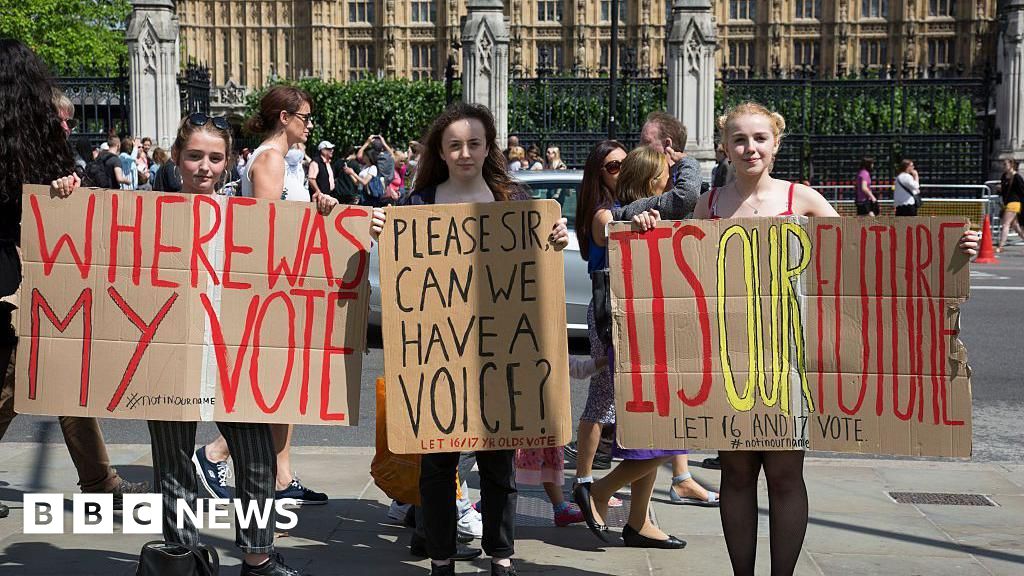
The UK government plans to lower the voting age to 16 for the next general election, expand voter ID options including UK-issued bank cards, introduce automatic voter registration, and tighten rules on political donations to prevent foreign interference, marking significant electoral reforms.
Georgia businessman Edwin Frost and his company are under investigation for allegedly running a $140 million Ponzi scheme, misappropriating investor funds for personal expenses and political donations, with authorities freezing assets and seeking restitution.
Elon Musk has officially stepped down from his role as a special government employee in the Trump administration after five months, ending his involvement in overseeing cost-cutting initiatives like the Doge project, which aimed to reduce federal spending. Musk expressed gratitude to Trump and indicated the Doge mission would continue independently. His departure follows recent criticisms of legislative efforts and a shift in his focus back to his business ventures, notably Tesla.
Silicon Valley contributed over $394.1 million to the US presidential election, with Elon Musk donating $242.6 million to Donald Trump's campaign. The tech industry's influence in politics is growing, with significant contributions from cryptocurrency advocates aiming to avoid regulation. Major tech figures like Marc Andreessen and Jan Koum also supported Trump, while Kamala Harris received substantial backing from Dustin Moskovitz and Reid Hoffman. The complex and opaque nature of political donations, including the use of Super PACs and non-profits, highlights the increasing role of tech and crypto in shaping US politics.
Elon Musk spent at least $277 million supporting Donald Trump and the GOP during the 2024 election cycle, making him the largest donor. Most of his contributions went to America PAC, which focused on canvassing and digital ads, and included controversial voter giveaways. Musk also funded a PAC comparing Trump's abortion stance to Ruth Bader Ginsburg's, drawing criticism from Ginsburg's family. Additional donations were made to other GOP groups and super PACs, with some funds potentially going to undisclosed "dark money" groups.
Elon Musk has contributed at least $260 million to support Donald Trump's presidential campaign, making him one of the largest individual donors. New Federal Election Commission filings reveal Musk's significant financial backing of America PAC and other pro-Trump groups, including a $20.5 million donation to RBG PAC, which controversially linked Trump's abortion stance to Ruth Bader Ginsburg. Musk's involvement highlights his growing influence in Trump's political sphere, with Trump appointing him to oversee a new government efficiency department. Other wealthy donors, like Howard Lutnick and Linda McMahon, have also secured roles in Trump's administration.
Elon Musk donated $20.5 million to a pro-Trump PAC that controversially used the late Justice Ruth Bader Ginsburg's image to support Trump's abortion stance, despite her family's objections. This donation is part of Musk's larger $250 million contribution to Trump's campaign. The PAC's ads claimed Trump would not sign a national abortion ban, aligning his views with Ginsburg's, which drew criticism. Musk's involvement in Trump's administration has also led to tensions with other Trump advisers over Cabinet appointments.
Elon Musk reportedly spent over $250 million to support Donald Trump's election campaign, highlighting the significant financial influence of wealthy individuals in political processes.
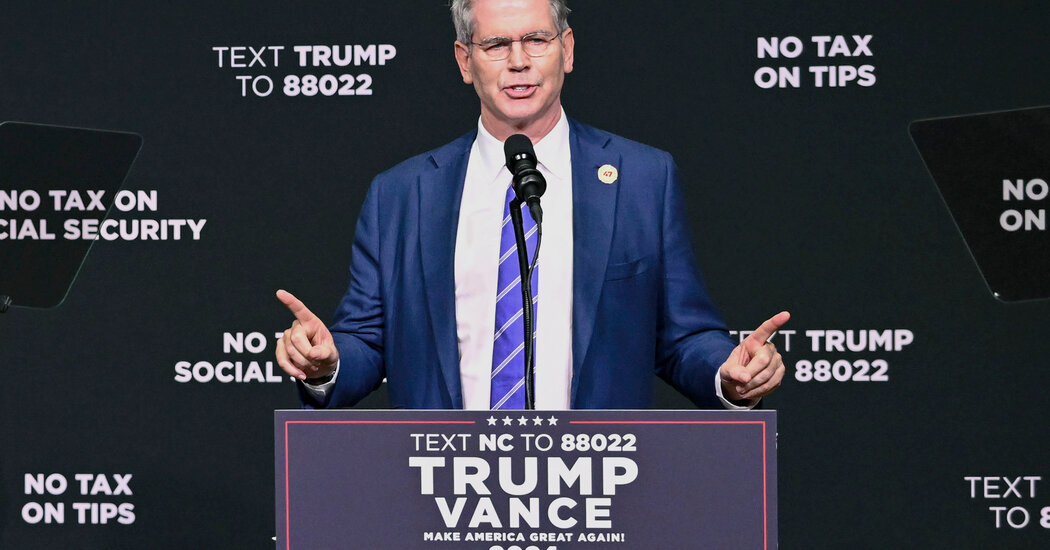
President-elect Donald Trump has nominated John Phelan, a financier with no military experience, as the secretary of the Navy. Phelan, a major donor to Trump's campaign, lacks a background in military policy or defense contracting, raising concerns about his qualifications for overseeing the Navy's vast operations and budget. This appointment follows Trump's pattern of selecting loyalists and media figures for key positions, emphasizing disruption over traditional qualifications.
Scott Bessent, a former Democratic donor, has been considered for the position of Treasury Secretary in the Trump administration, highlighting a significant political shift. Bessent's potential appointment reflects the complex dynamics and cross-party influences within U.S. political appointments.
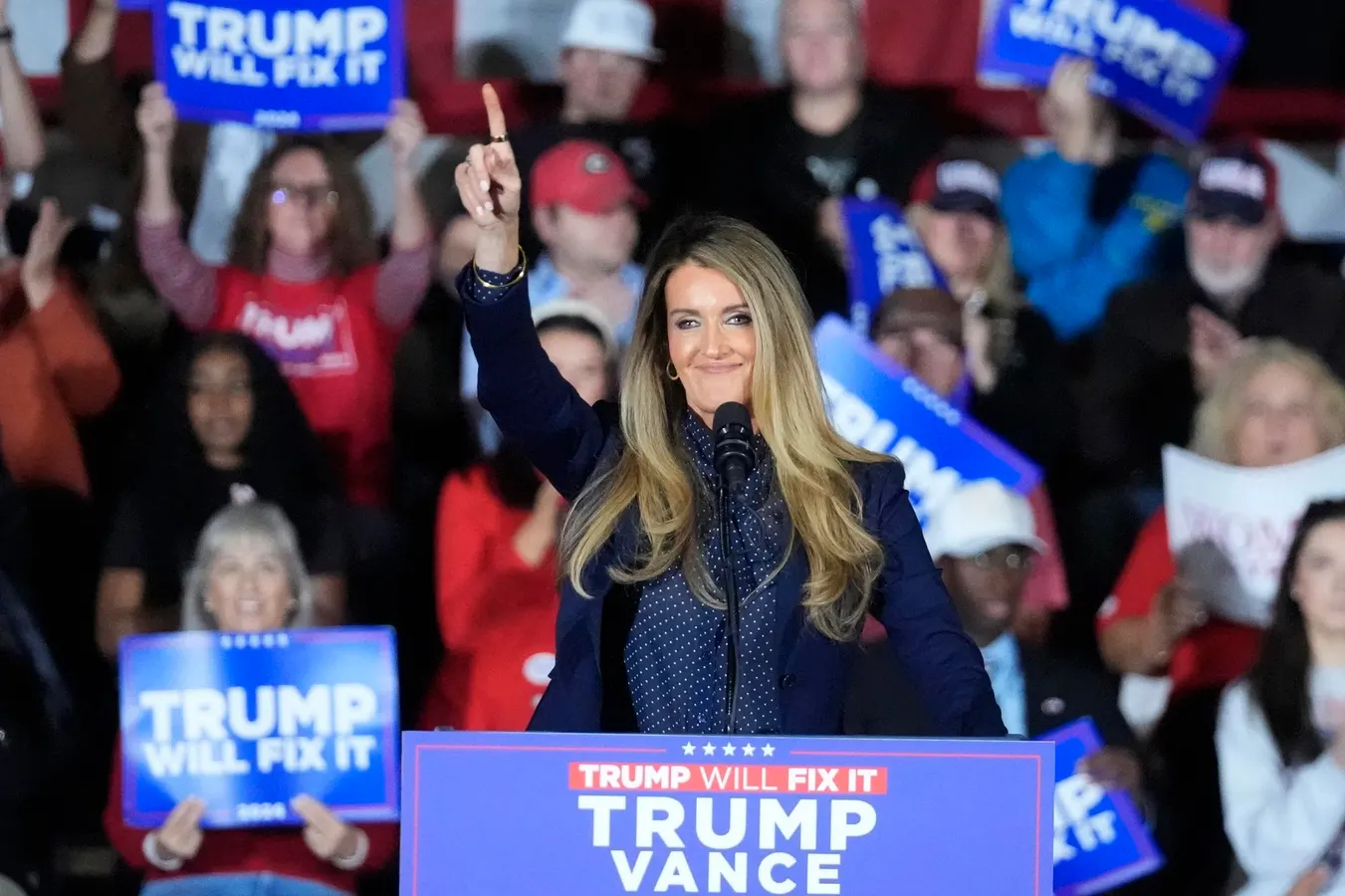
President-elect Donald Trump is expected to nominate former Senator Kelly Loeffler as Agriculture Secretary, following significant financial support from her and her husband, Jeff Sprecher, during his campaign. Loeffler, a major GOP donor and former business executive, has faced controversy over stock trades during her brief Senate tenure. Her appointment is part of Trump's trend of rewarding loyal allies and major donors with key positions in his administration.
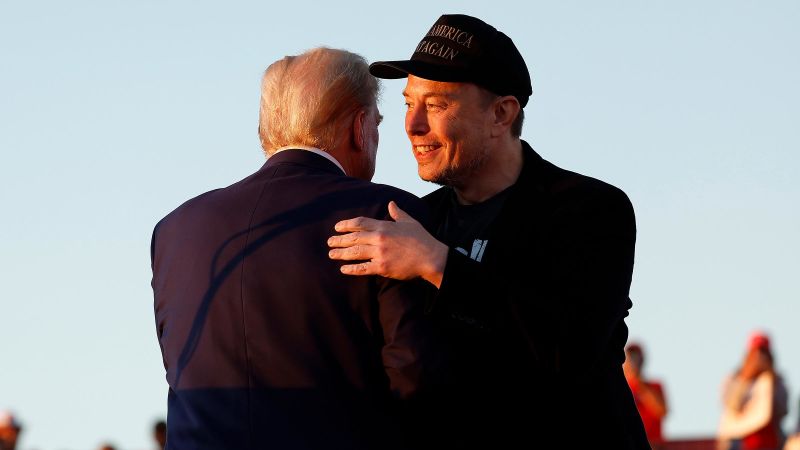
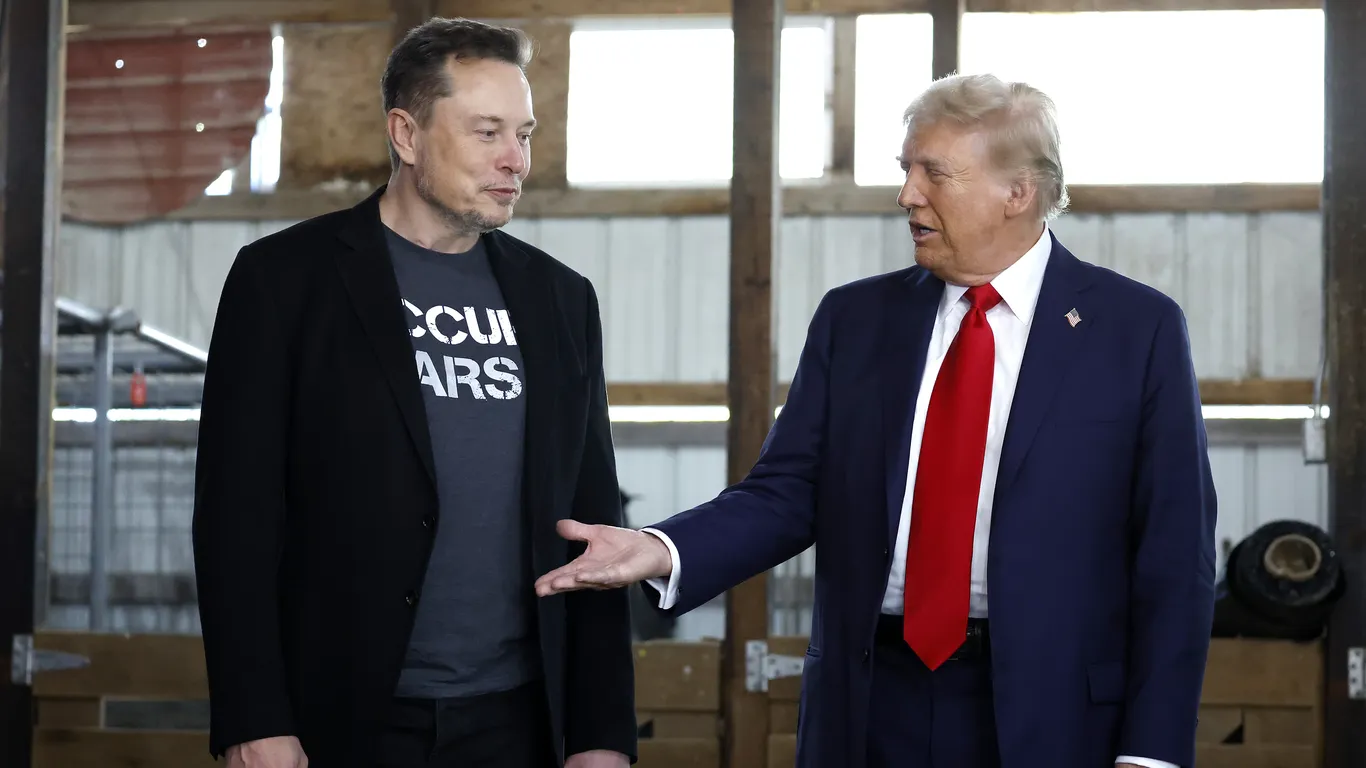
Elon Musk, the CEO of Tesla and SpaceX, invested over $130 million to support Donald Trump's presidential campaign, making him one of the largest donors this election cycle. Musk's backing included promoting Trump on his social network X, hosting town halls, and attending rallies. With Trump's victory, Musk is expected to gain significant influence in the White House, potentially impacting government spending and policies affecting his businesses. Tesla shares have surged following the election results, reflecting investor optimism about Musk's strengthened political ties.