Multiple subvariants of the Omicron variant of COVID-19 are currently circulating globally, including EG.5 (Eris), HV.1, and BA.2.86. While these variants have accumulated mutations that allow them to better infect individuals with immunity to SARS-CoV-2, there is currently no evidence of increased disease severity. Testing and surveillance efforts have decreased, hindering the ability to track and study emerging variants. Experts emphasize the importance of continued vaccination, mask-wearing, and testing to prevent further spread.
The HV.1 variant of COVID-19 has become the most dominant strain in the US, accounting for 25.2% of cases, surpassing the EG.5 variant. HV.1 shares similarities with the EG.5 variant and symptoms include runny nose, sneezing, cough, nausea, sore throat, congestion, fatigue, headache, and muscle aches.
Cases of the Eris subvariant (EG.5) of COVID-19 have increased and now account for 29.4% of cases in the US, making it the most prevalent subvariant. The World Health Organization has confirmed cases in 71 countries, with the highest percentages in the US, China, Japan, South Korea, Canada, and the UK. While EG.5 has shown increased prevalence and immune escape properties, there have been no reported changes in disease severity. Symptoms of Eris include runny nose, sneezing, cough, nausea, sore throat, fatigue, headache, muscle aches, and changes to or loss of sense of smell and taste.
UofL Health provides an update on the new Covid variant EG.5, also known as Eris, which is currently the dominant strain in the United States. The variant is highly transmissible, and with a population that is not fully immunized, it poses a significant challenge. A new booster is expected to be available in mid-September, which should provide protection against this new strain. UofL Health currently has seven Covid patients in the hospital.
Health authorities are closely monitoring the spread of three new COVID-19 variants in the United States: EG.5, FL.1.5.1, and BA.2.86. EG.5 is currently the dominant strain, followed by FL.1.5.1. The highly mutated BA.2.86 variant is still relatively rare but has raised concerns due to its numerous mutations. Symptoms for these variants appear to be largely the same as previous strains, and COVID-19 tests are expected to work effectively against them. Vaccine makers anticipate that the upcoming COVID-19 booster shots will be effective against EG.5 and FL.1.5.1, but it remains uncertain if BA.2.86 could impact the effectiveness of the vaccines.
Health authorities are monitoring the spread of three new COVID-19 variants in the US: EG.5, FL.1.5.1, and BA.2.86. EG.5 is currently the dominant strain, followed by FL.1.5.1. These variants share a mutation known as F456L, which may contribute to their increased spread. Symptoms for these variants appear to be largely the same as previous strains, and COVID-19 tests are expected to work for them. Vaccine makers anticipate that the upcoming COVID-19 vaccine boosters will be effective against EG.5 and FL.1.5.1. However, it is uncertain whether BA.2.86 could impact the effectiveness of the vaccines.
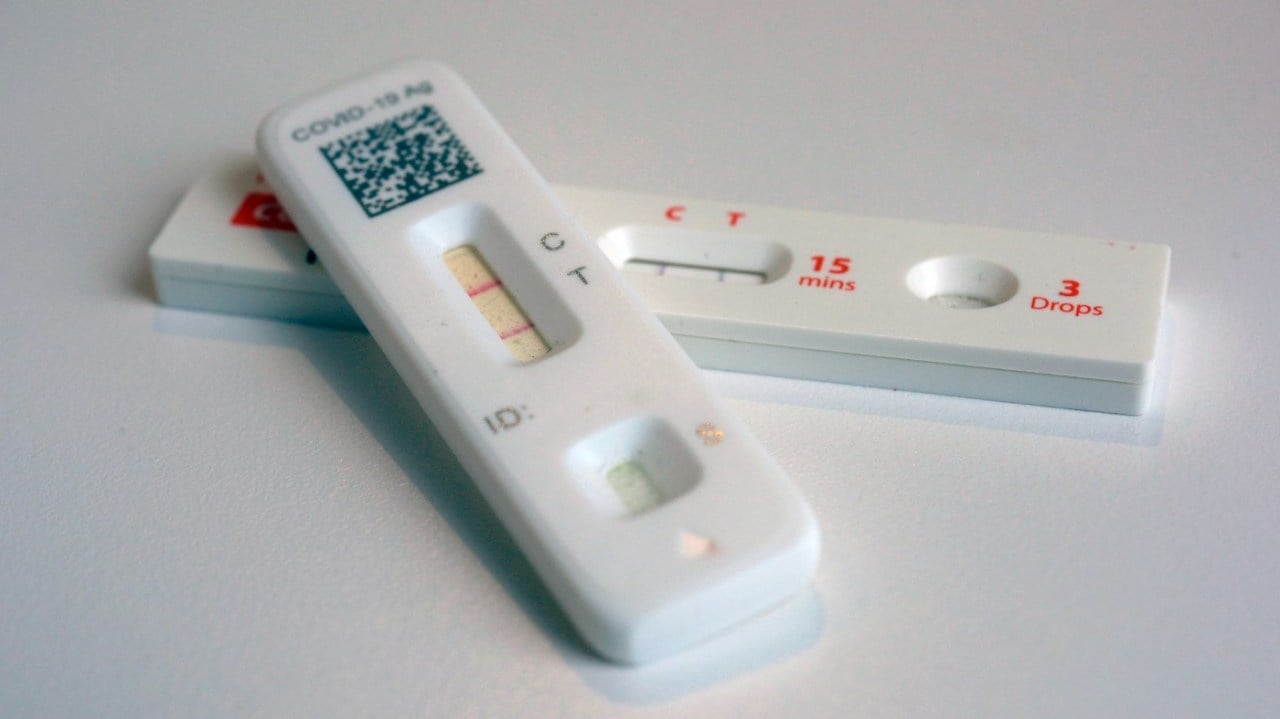
The EG.5 (Eris) strain, a descendant of Omicron, is currently the dominant coronavirus subvariant in the United States, surpassing other highly contagious strains like Arcturus. While EG.5 is not causing more severe cases of COVID-19, it appears to be more transmissible. The new booster shots expected this fall from Pfizer, Moderna, and Novavax are aimed at targeting Omicron offshoot XBB 1.5, which is genetically similar to EG.5. Antiviral medications like Paxlovid should be effective against EG.5, and at-home rapid tests can detect it. As the fall and winter seasons approach, there are concerns about a potential "tripledemic" with SARS-CoV-2, influenza, and respiratory syncytial virus (RSV). However, with the availability of new COVID-19 boosters and preventive tools for RSV, there is hope for better protection and a reduced rise in COVID-19 hospitalizations compared to previous winters. Vaccination remains the most effective tool for prevention.
A new subvariant of COVID-19 called EG.5, a mutated version of the Omicron variant, is increasing in Europe and globally. While designated a "variant of interest" by the World Health Organization (WHO), the public health risk is currently low due to its similarity to previous circulating variants. Symptoms of EG.5 are similar to other variants, and there is no evidence of increased severity. EG.5 is circulating in various countries, including France, the UK, and the US. Vaccines are being adapted for the Omicron XBB variants, which are close to EG.5. Experts emphasize the importance of continued surveillance and data sharing to prepare for the ongoing evolution of COVID-19.
As the EG.5 and FL.1.5.1 variants of COVID-19 continue to spread, a Staten Island infectious disease specialist advises vulnerable individuals, such as those over 65 or immunocompromised, to wear masks and be cautious. Both variants are descendants of the omicron variant and share similar symptoms. While hospitalizations have increased, respiratory failure is not commonly observed. The upcoming bivalent booster is expected to provide protection against these variants. People are advised to stay indoors if they test positive and to wear masks when going outside. The at-home COVID tests can detect the new variants, and individuals testing positive should avoid public spaces.
A new subvariant of Covid-19, called EG.5, which is an offshoot of the Omicron variant, is causing concern in Canada and other countries. The World Health Organization (WHO) has designated EG.5 as a variant of interest and predicts it may become dominant globally. EG.5 has been circulating in Canada since at least May and made up 36% of cases between July 30 and August 5. The subvariant has also been found in the United States, Japan, and South Korea, but its connection to hospitalization rates is still unclear. EG.5 has been detected in wastewater surveillance in Canada. The next round of vaccine boosters is expected to specifically target the Omicron family, including EG.5, providing protection against this new subvariant.
The new coronavirus variant EG.5 is rapidly spreading in Japan and has been detected in 51 countries. While there is currently limited evidence suggesting it causes more severe symptoms compared to other omicron strains, the World Health Organization has upgraded EG.5 to a "variant of interest" from its previous "variant under monitoring" status.
The EG.5 omicron subvariant has become the dominant COVID-19 strain in the United States, accounting for 17.3% of infections, according to CDC data. New hospital admissions have also increased by 12.5% in the most recent week. The CDC has stopped tracking community levels of the virus and positive test percentages. The World Health Organization (WHO) is monitoring EG.5 and its sublineages as a variant of interest, noting a steady increase in its global prevalence. While EG.5 has shown increased prevalence and immune escape properties, there have been no reported changes in disease severity.
The EG.5 subvariant of the Omicron variant has become the dominant strain of COVID-19 in the United States, accounting for 17.3% of infections, according to CDC data. However, limited data collection makes it difficult to fully understand the implications of this shift. The CDC no longer tracks national case rates, but hospitalization data suggests increased transmission. The prevalence of EG.5 is highest in the Southeast region. EG.5 is genetically similar to the previously dominant XBB.1.5 strain, which is being targeted by vaccine manufacturers for the upcoming fall COVID-19 vaccine campaign.