Approximately 600 CDC employees were laid off due to the Trump administration's mass layoffs, affecting key offices and programs, with some layoffs later reversed amid legal challenges and concerns over the impact on public health efforts.
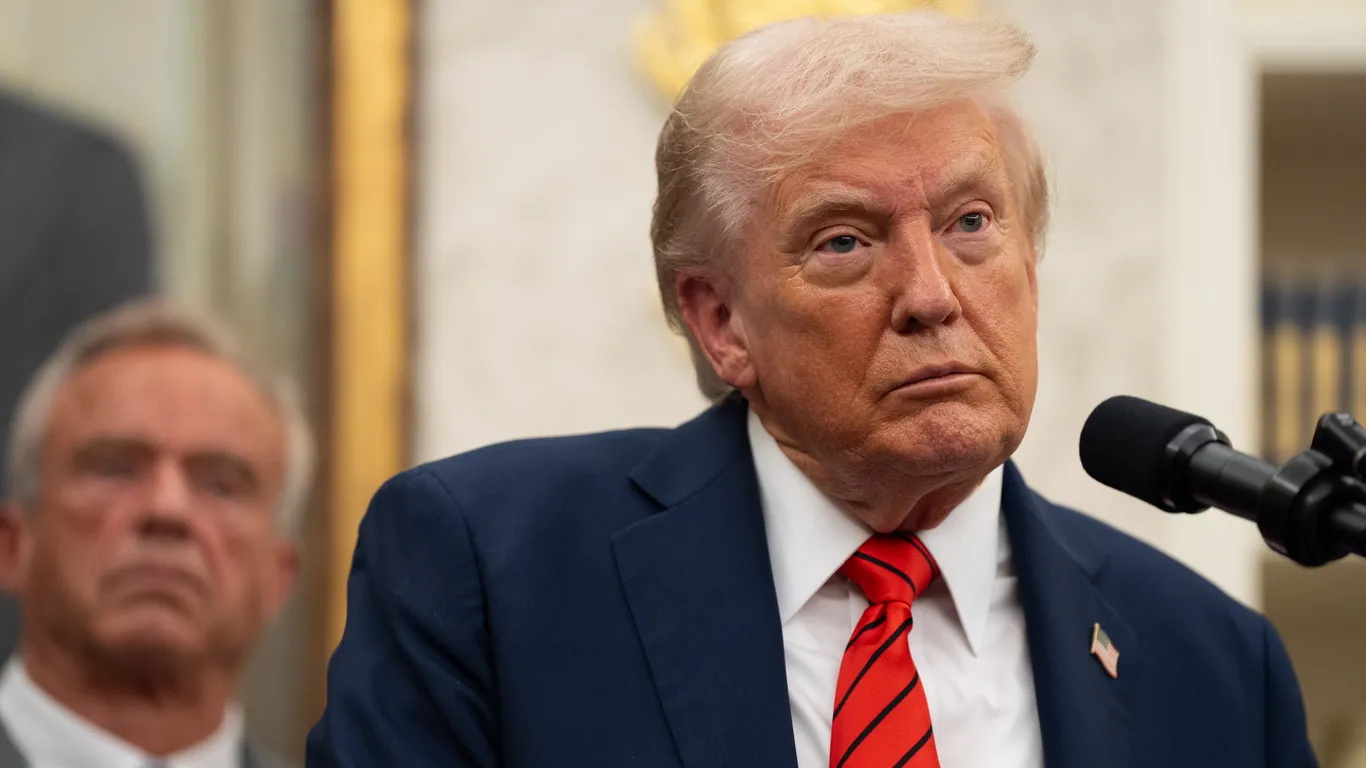
The Federal Reserve stated it would abide by any court ruling regarding President Trump's attempt to remove Fed Governor Lisa Cook, emphasizing that governors serve long terms and can only be removed 'for cause' as per law. Trump announced he would remove Cook over allegations of mortgage fraud, but Cook and her lawyer dispute his authority to do so, planning to challenge the action in court. The Fed reaffirmed its commitment to independence and legal procedures.
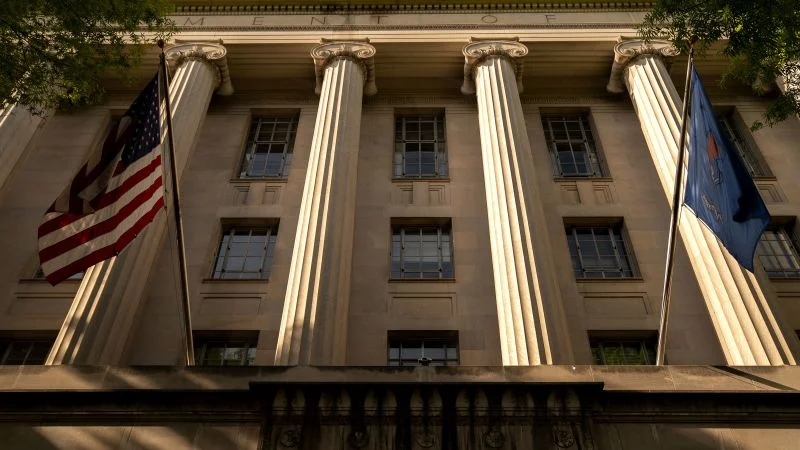
The Justice Department under the Trump administration announced it will not defend a longstanding grant program for Hispanic-serving colleges, claiming the program is unconstitutional as it provides racial advantages, leading to a legal challenge from Tennessee and a conservative group. The case questions the constitutionality of race-based funding for colleges with high Hispanic enrollment, amid broader debates over affirmative action and diversity policies.
The U.S. Justice Department announced it will not defend a longstanding grant program for Hispanic-serving colleges, claiming the program's race-based criteria are unconstitutional, amid a lawsuit from Tennessee and a conservative legal group. This move follows a Supreme Court decision against affirmative action, raising questions about the future of such diversity initiatives. The program, created in 1998, provides funding to colleges with at least 25% Hispanic students, but critics argue it offers an unconstitutional racial advantage.
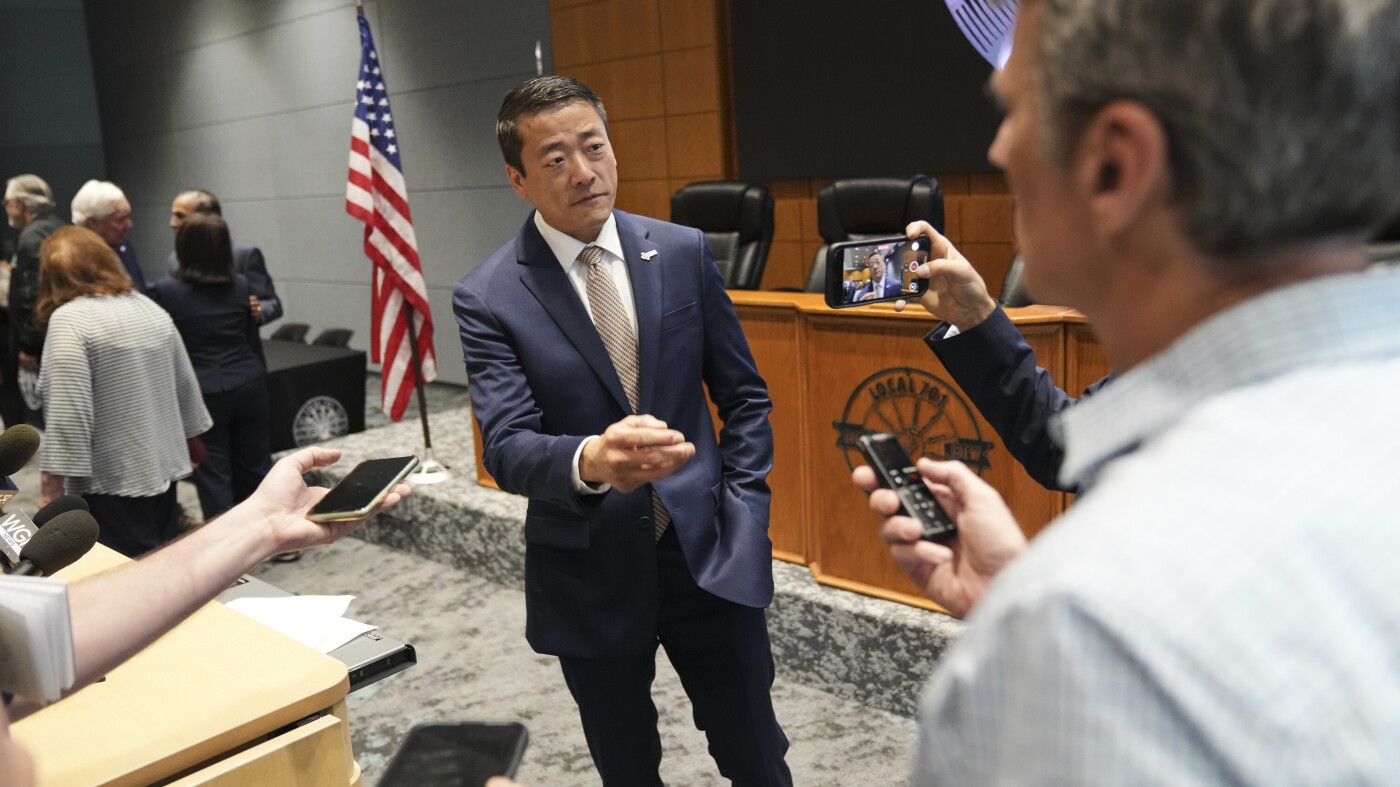
Texas Democratic Rep. Gene Wu dismisses Governor Abbott's attempt to remove him from office via court, criticizing it as a political stunt amid a Democratic quorum break aimed at blocking GOP redistricting efforts. Wu and other Democrats fled the state to prevent a quorum, prompting Abbott to seek their removal, though legal experts suggest he lacks the authority to do so. The situation highlights ongoing partisan battles over redistricting and democratic processes in Texas.
President Trump announced a 50% tariff on Brazilian imports, citing retaliation for Brazil's treatment of Bolsonaro and other political reasons, while also stretching the legal limits of his emergency powers under IEEPA, which is currently being challenged in court. Critics argue the move undermines legal norms and could damage the credibility of U.S. trade policy.
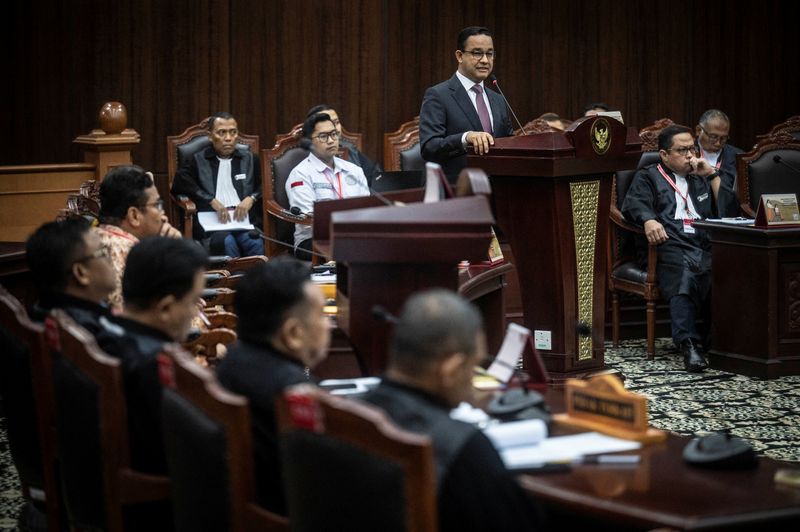
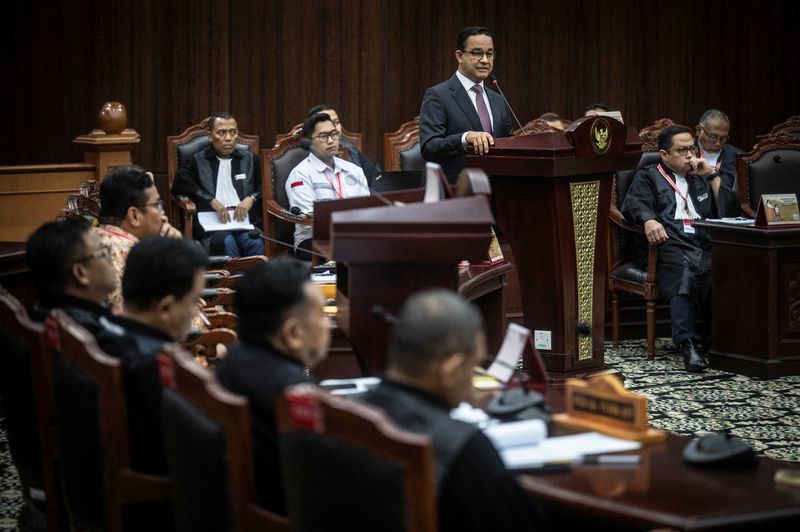
Indonesia's losing presidential candidates, Anies Baswedan and Ganjar Pranowo, have filed a court challenge accusing the state of interference in last month's election and urging a poll re-run and disqualification of the winner, Prabowo Subianto. They claim that the victory of Defence Minister Prabowo was aided by pressure on regional officials and social aid used as a tool to ensure a specific outcome. The court is expected to hand down its decision on April 22, and the candidates have urged for neutrality and fair elections, citing violations and nepotism involving President Joko Widodo's son.
Indonesia's losing presidential candidates, Anies Baswedan and Ganjar Pranowo, have filed a court challenge to last month's election, alleging state interference and seeking a poll re-run and disqualification of the winner, Prabowo Subianto. They accused the administration and President Joko Widodo of pressuring regional officials and using social aid to ensure a specific outcome. The court is expected to make a decision on April 22, with the candidates urging neutrality and alleging violations of the constitution and election laws.
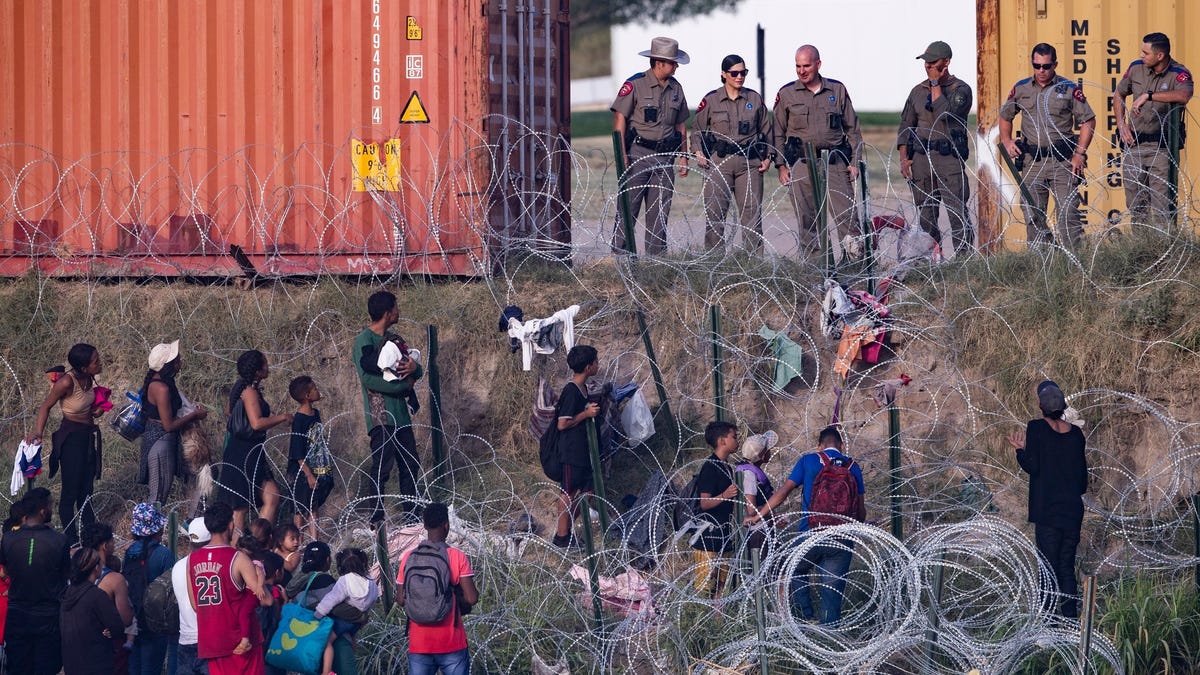
The Texas Legislature has passed Senate Bill 4 (SB4), a controversial immigration enforcement law that criminalizes crossing the U.S.-Mexico border illegally and allows local and state law enforcement to arrest and charge suspects. While supporters argue that the law strengthens border security, critics argue that it could lead to racial profiling and infringe on federal jurisdiction over immigration. SB4 is expected to face legal challenges, with opponents calling on the U.S. Department of Justice to sue Texas. The likely legal battle could have national implications in an election year where immigration is a central issue.
Prince Harry has been ordered by a judge to pay over $60,000 in legal fees to the publisher of the Daily Mail tabloid for his failed court challenge in a libel lawsuit. The lawsuit revolves around an article that claimed Harry tried to hide his efforts to retain publicly funded protection in the UK after leaving his role as a working member of the royal family. The judge ruled that the publisher has a "real prospect" of showing that the article reflected an "honest opinion" and wasn't libelous. Harry also has another lawsuit pending against the government's decision to protect him on a case-by-case basis when he visits Britain.
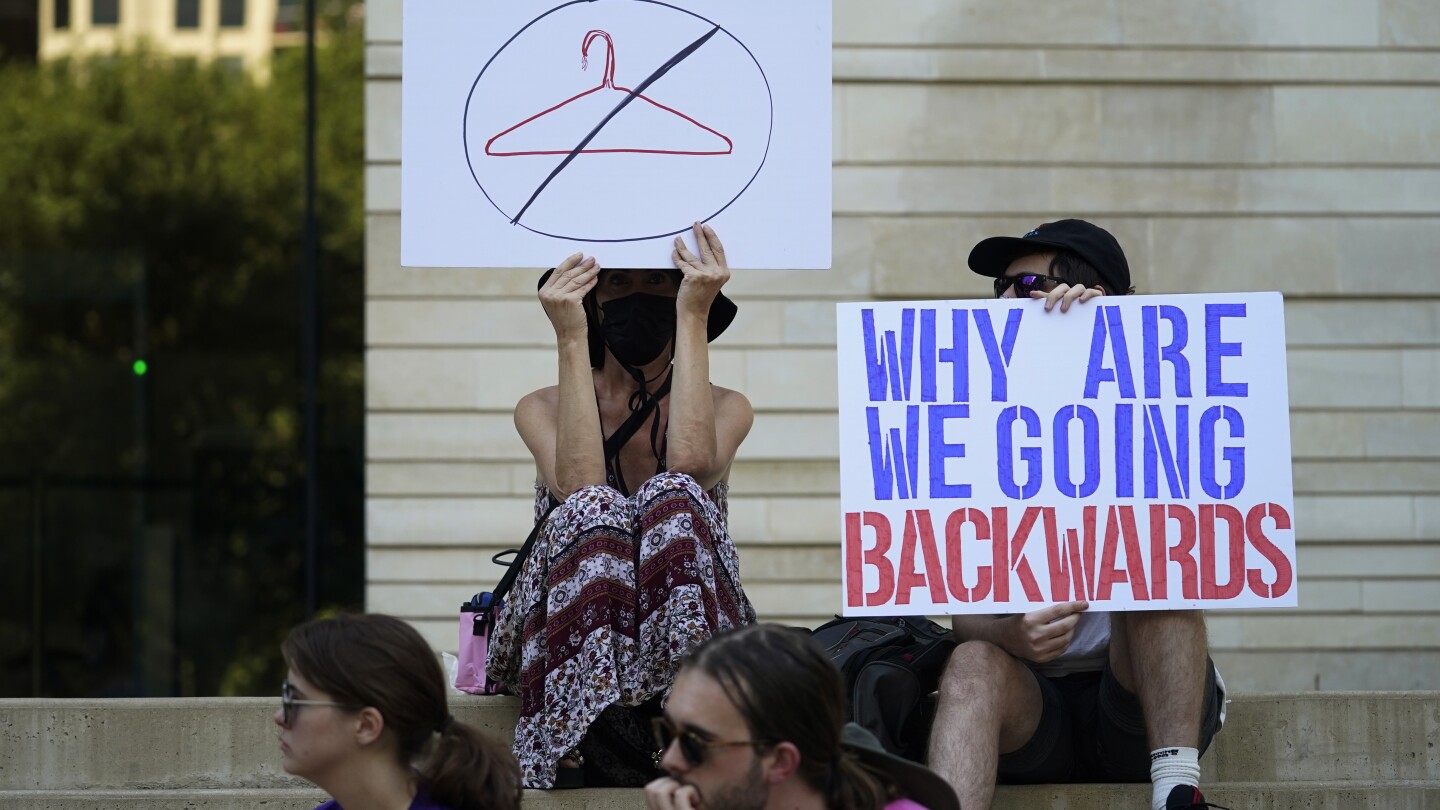
A pregnant Texas woman, Kate Cox, who was seeking court permission for an abortion due to her fetus having a fatal condition, has left the state and gone to another undisclosed location for the procedure. Cox's health and ability to have more children were at risk, and she had been to the emergency room multiple times. The Texas Supreme Court had not yet ruled on her case, which became a high-profile test of abortion bans in Texas and other GOP-controlled states. The court had previously paused a lower judge's order granting Cox permission for an abortion. Cox's lawsuit is believed to be the first of its kind since Roe v. Wade was overturned last year.
Prince Harry has been ordered by a judge to pay over $60,000 in legal fees to the publisher of the Daily Mail tabloid following his failed court challenge in a libel lawsuit. The Duke of Sussex is suing Associated Newspapers Ltd. over an article that claimed he tried to hide his efforts to retain publicly funded protection in the UK after leaving his royal role. The judge ruled that the publisher has a "real prospect" of showing that statements issued on Harry's behalf were misleading and that the article reflected an "honest opinion." A libel trial is scheduled to take place between May 17 and July 31.
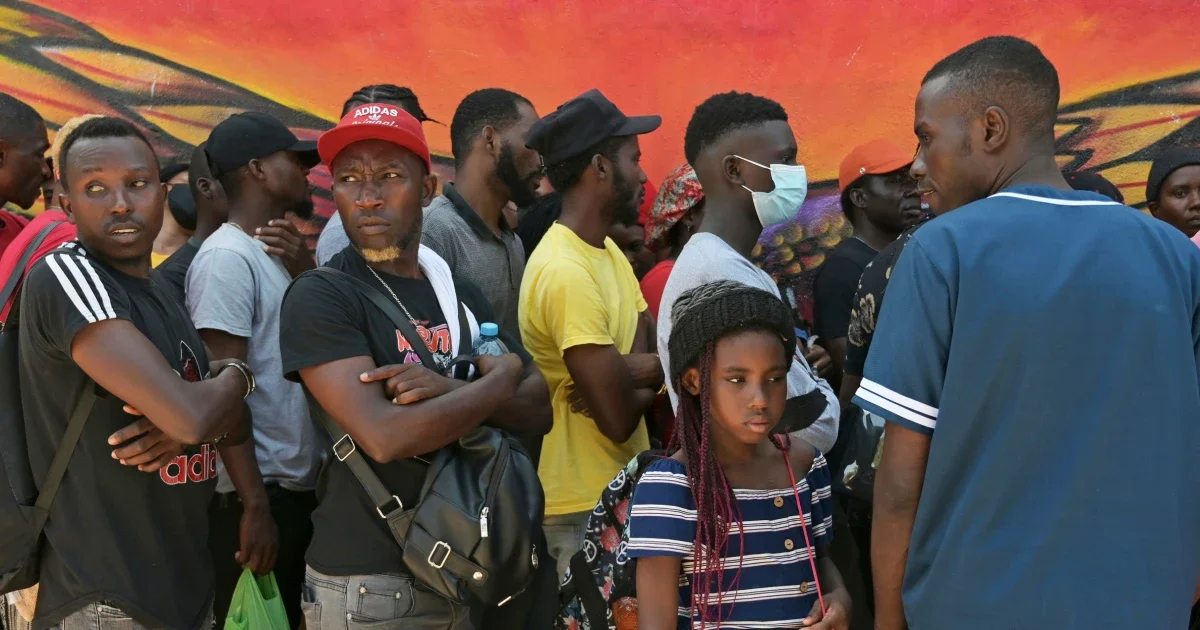
A policy implemented by the Biden administration that grants temporary legal status to thousands of individuals from Latin America and the Caribbean is facing a legal challenge from a group of Republican-leaning states. The humanitarian parole program allows up to 30,000 people from Cuba, Haiti, Nicaragua, and Venezuela to enter the U.S. each month for urgent humanitarian reasons or significant public benefit. The program, which requires an online application process, financial sponsorship, and background checks, has admitted nearly 160,000 individuals since its announcement in January. The states argue that the policy is unlawful and will strain their resources, while supporters highlight the positive impact and benefits of the program. The court hearing on the program's legality is set to begin on Thursday.
Oregon Secretary of State LaVonne Griffin-Valade announced that Republican senators who walked out of this year's legislative session will be barred from running for reelection next year, in accordance with Measure 113, a law enacted by voters last year. The decision is expected to face a court challenge from GOP lawmakers who argue that the measure was poorly worded and allows them to serve another term before facing consequences for a walkout. The measure aimed to penalize lawmakers with 10 or more unexcused absences in a single session, disqualifying them from running for reelection. Democrats argue that the intent of the measure should prevail over the disputed wording.
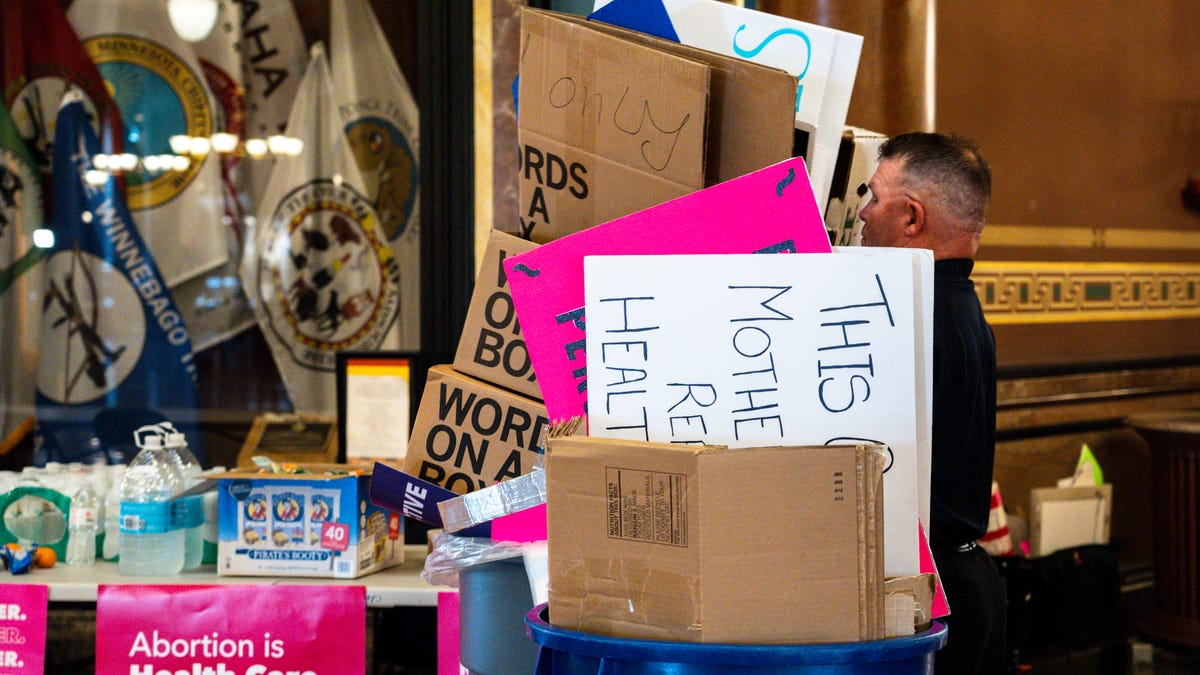
A judge in Polk County, Iowa has temporarily blocked the state's "fetal heartbeat" law, which bans nearly all abortions after doctors detect cardiac activity in the embryo, while a court challenge is ongoing. The law, signed by Governor Kim Reynolds, took effect immediately but has faced legal opposition from abortion providers and the American Civil Liberties Union of Iowa. The judge's ruling allows the Iowa Board of Medicine to proceed with writing administrative rules for the law's implementation. Governor Reynolds has vowed to fight the ruling and take the case to the Iowa Supreme Court.