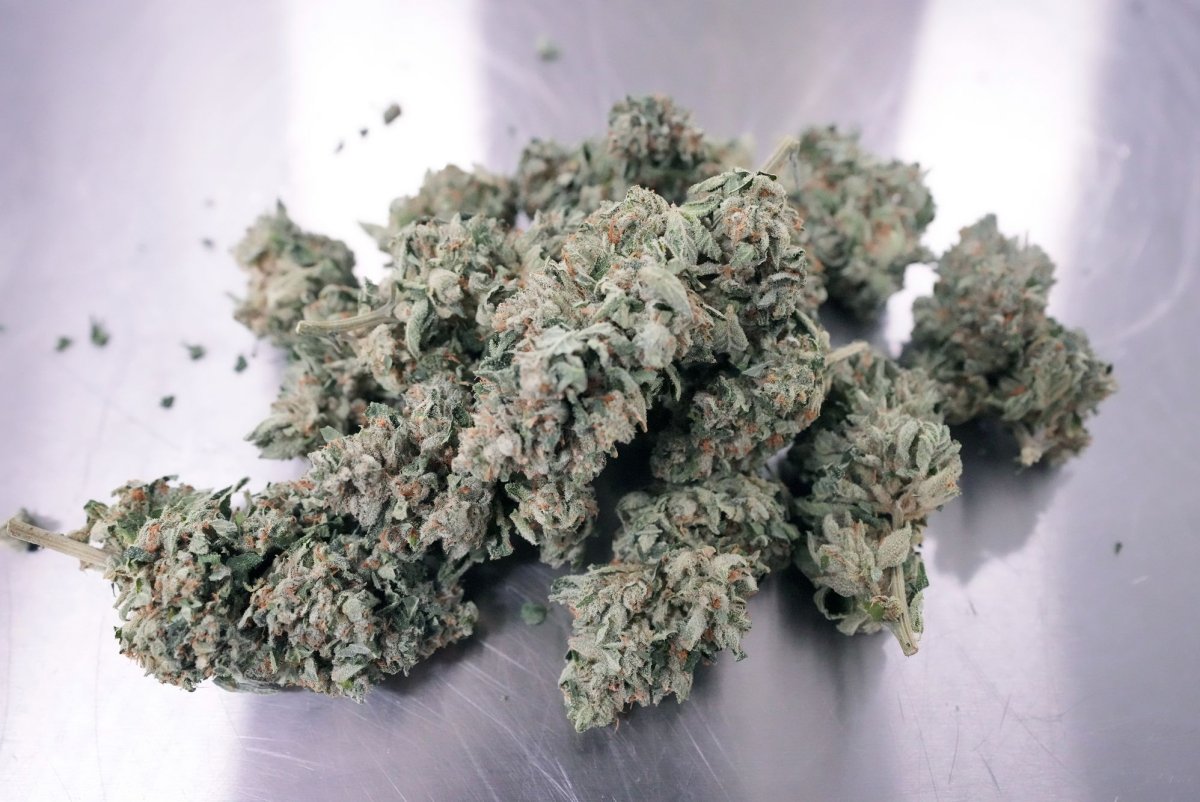
President Donald Trump is considering changing federal marijuana laws, potentially reclassifying marijuana from a Schedule I drug to a less restrictive category, influenced by discussions with cannabis industry investors and supporters during a fundraiser. This move could align federal policy more closely with the growing number of states legalizing medical and recreational marijuana, despite its current illegal status at the federal level.

The Biden administration has waived 26 federal laws in South Texas to allow for the construction of a border wall, marking the administration's first use of this executive power. The Department of Homeland Security stated that there is an immediate need for physical barriers and roads to prevent unlawful entries into the United States. The waivers include laws related to the environment, such as the Clean Air Act and Endangered Species Act. Environmental advocates and local officials have expressed concerns about the impact on public lands and endangered species habitats. The decision has sparked political debate, with opponents arguing that a border wall is ineffective and a waste of taxpayer dollars, while proponents see it as a necessary tool for border security.
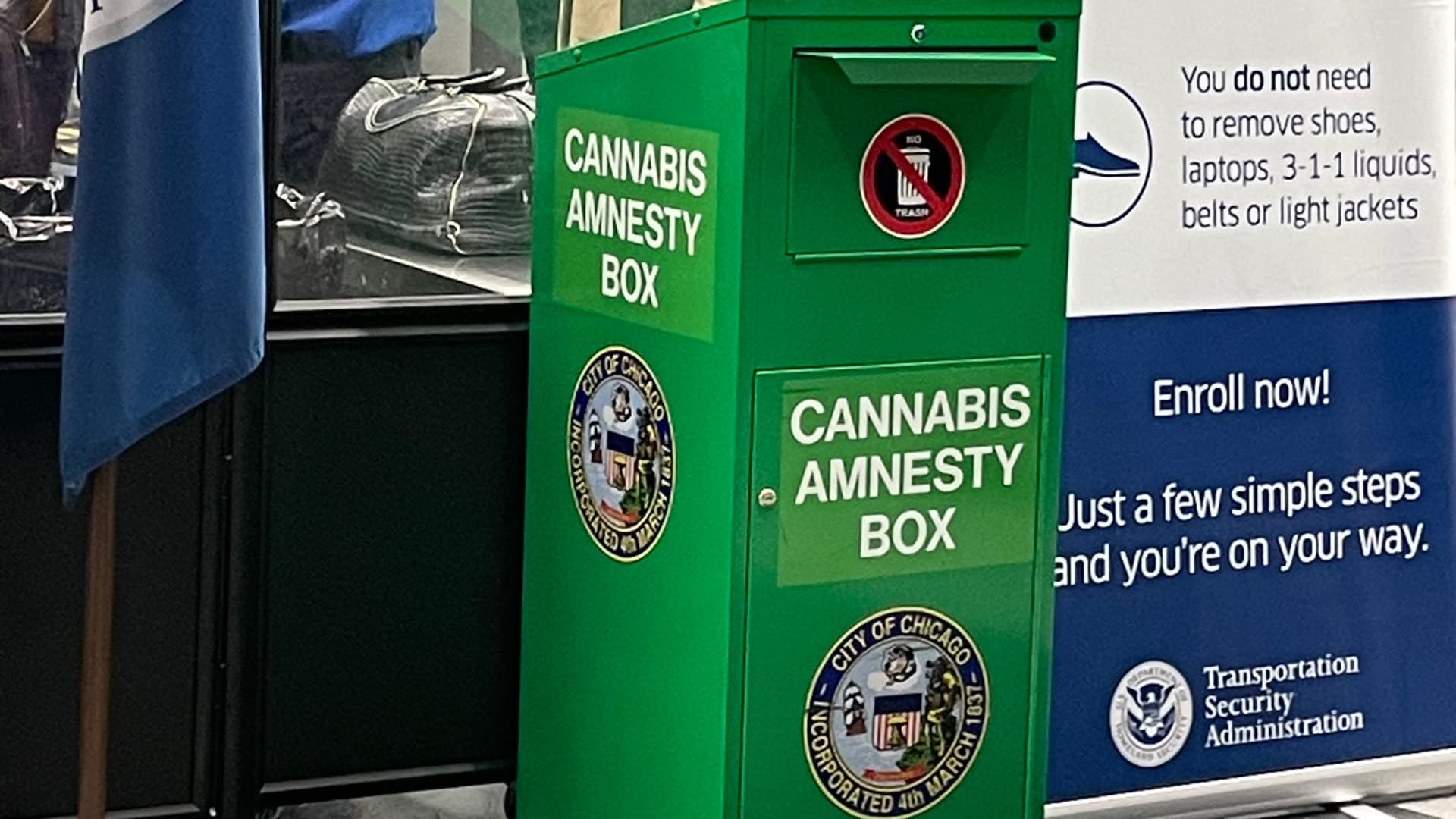
The conflicting state and federal marijuana laws create confusion for passengers traveling with marijuana through U.S. airports. While some states have legalized marijuana, it remains illegal under federal law, and airports are under federal jurisdiction. Passengers risk confiscation, fines, and even arrest if caught with marijuana at the airport.
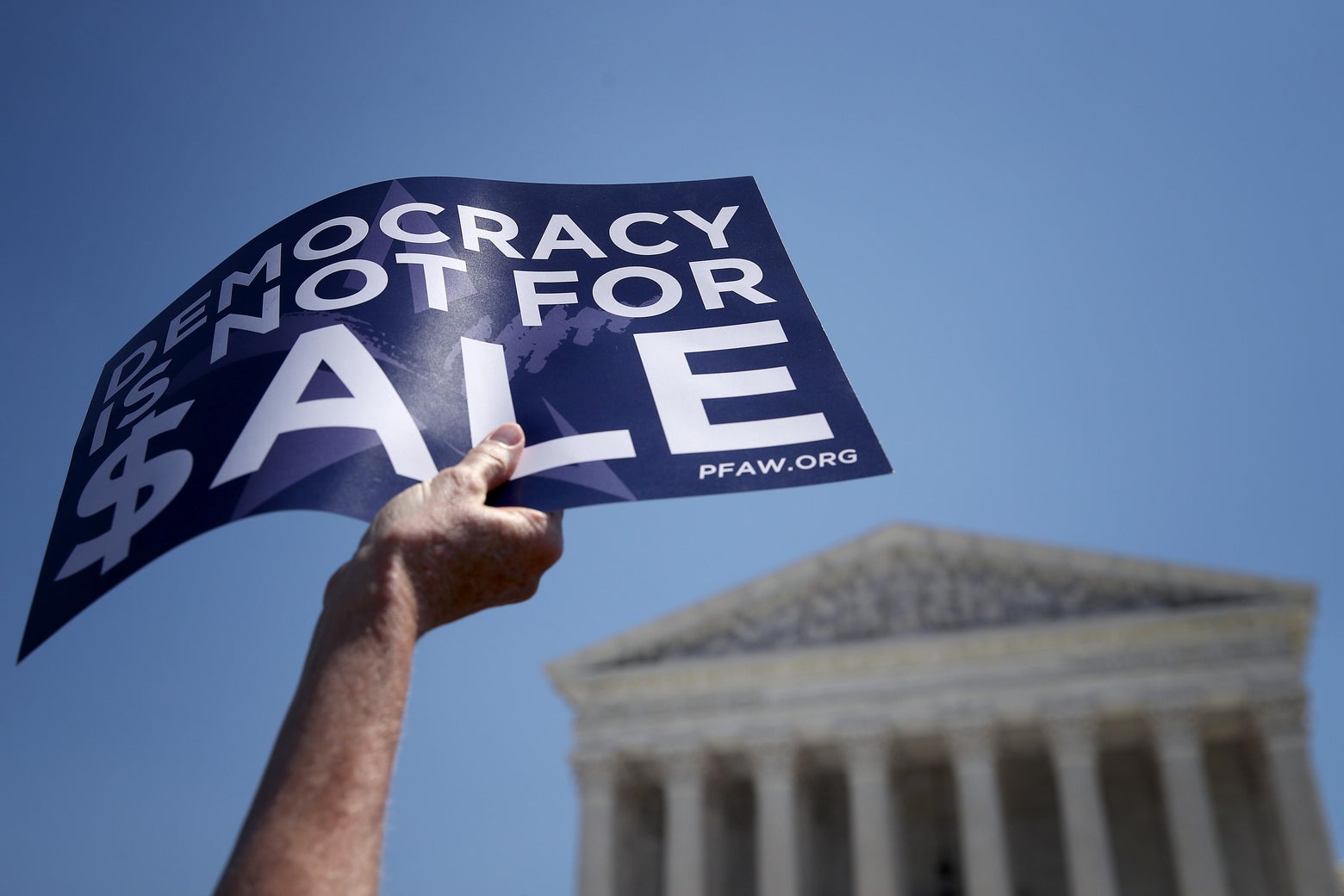
The Supreme Court has unanimously vacated the convictions of two men found guilty of violating federal laws against fraud, striking another blow against prosecutors' efforts to bring federal charges against self-dealing politicians. The court believes that federal anti-corruption laws are too broad and need to be narrowed to cover a limited subset of explicit corruption, such as bribery, extortion, or an exchange of actual property or money in return for a government favor. This decision reflects the court's increasingly cramped view of what counts as bribery and fraud, which is not good for the judiciary or democracy.
The US Securities and Exchange Commission (SEC) has filed a lawsuit against Bittrex, alleging that the crypto exchange violated federal laws by operating as a national securities exchange, broker, and clearing agency simultaneously. The former CEO and Bittrex Global GmbH are also facing charges. The SEC claims that Bittrex should have registered as an exchange, clearing agency, and broker, and worked with crypto issuers to alter their offering materials to circumvent registration requirements. Bittrex announced last month that it planned to exit the US by the end of April, citing the current regulatory and economic environment.