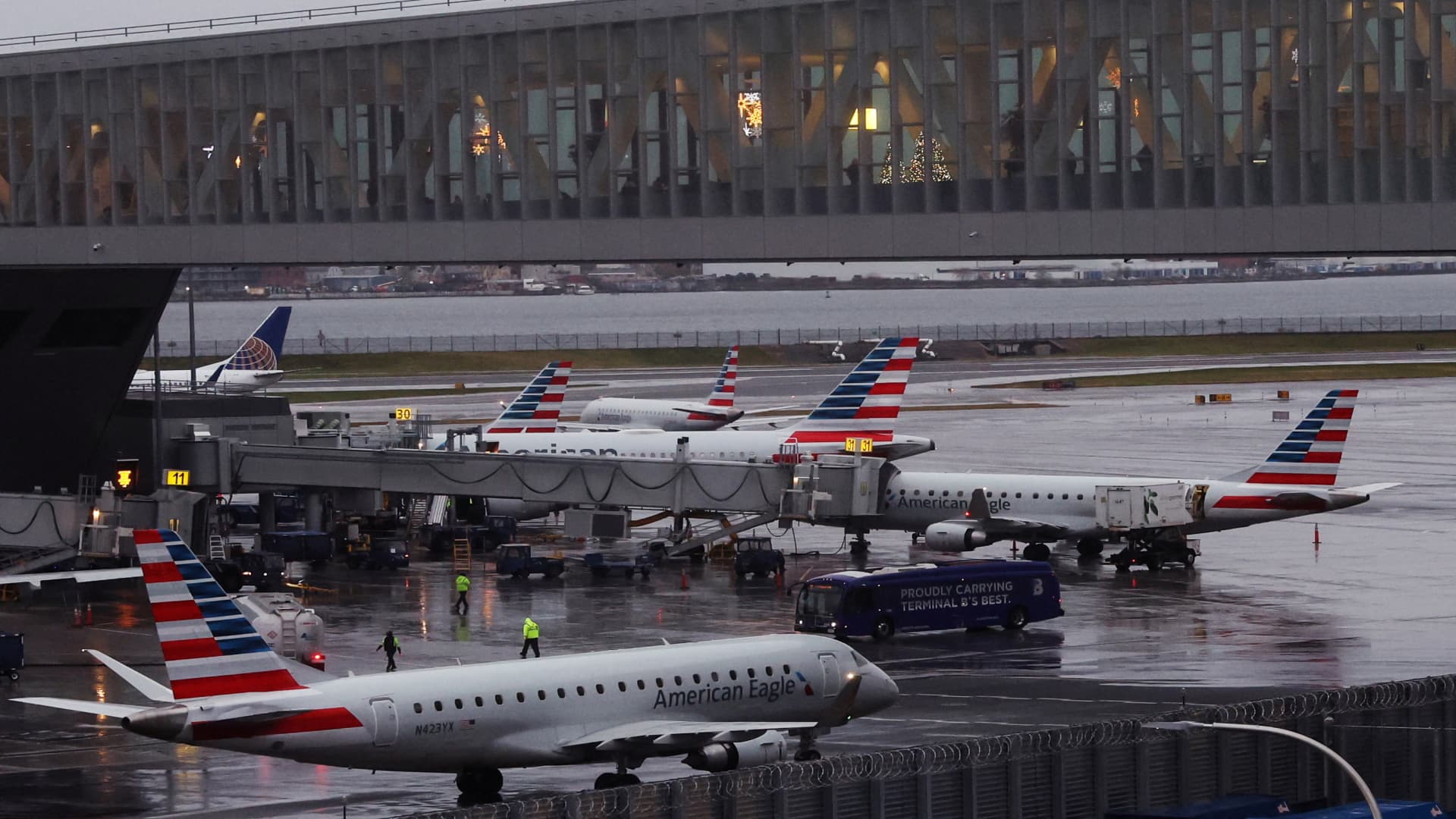
Azul, Brazil's third-largest airline, filed for Chapter 11 bankruptcy due to overwhelming debt accumulated during the COVID-19 pandemic, with support from major airlines like United and American Airlines for restructuring, amidst a challenging post-pandemic airline industry in Latin America.
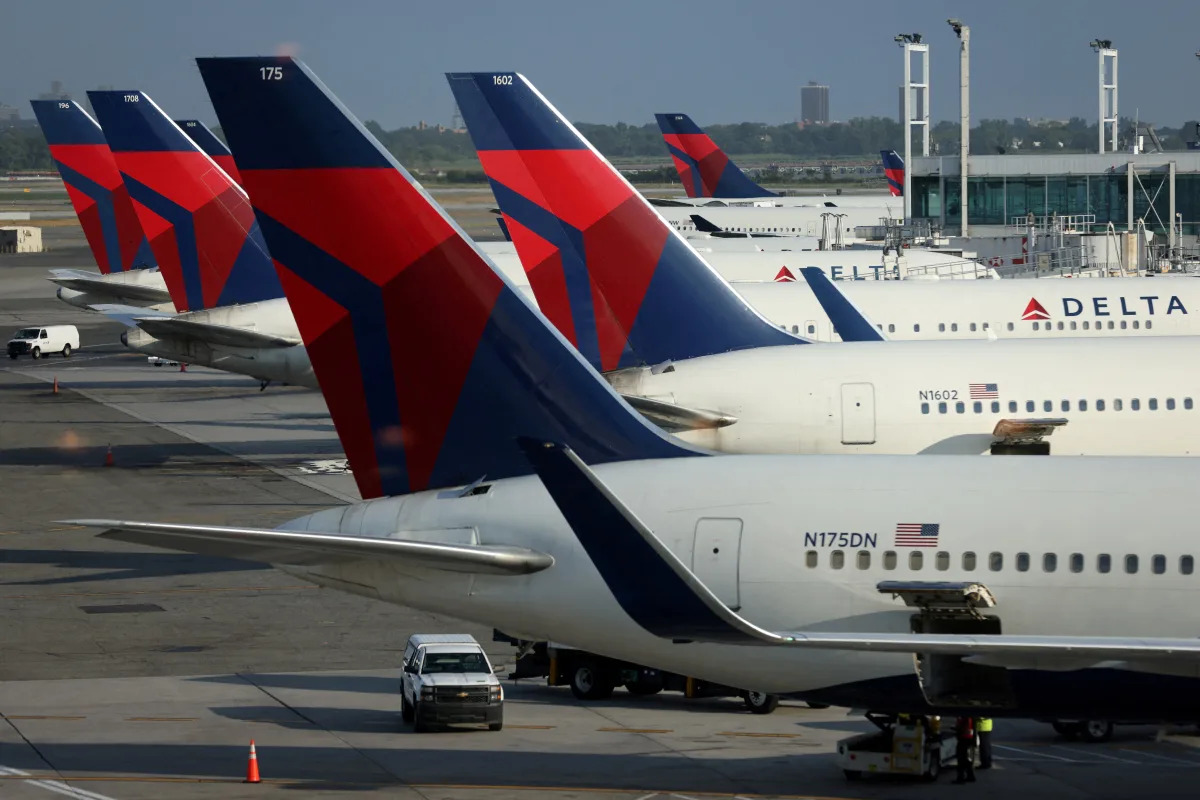
Delta Air Lines exceeded Q4 earnings expectations, with adjusted net income of $828 million and revenue of $13.7 billion, attributing the success to the busiest holiday travel period in its history and record-high cash sales. CEO Ed Bastian expressed optimism for 2024, citing a strong start and projecting earnings per share between $6 and $7. The airline industry is navigating challenges such as supply chain delays and higher costs, while observing consumer trends in the experience economy. Delta's performance sets the stage for upcoming earnings reports from United Airlines and American Airlines.
The International Air Transport Association (IATA) predicts that airlines will experience a bumper year in 2024, with record traveler numbers and revenues. The sector's net profits are expected to reach $25.7 billion, and total revenues are set to grow 7.6% year-on-year to a record $964 billion. The recovery of post-pandemic consumer demand, particularly in North America, the Middle East, and Europe, has contributed to the industry's rebound. However, the high cost of capital and limited capacity continue to constrain airlines, with the net profit margin remaining below what investors in other industries would accept. The IATA emphasizes the need for a more resilient future for the aviation industry, which plays a critical role in global GDP and employment.
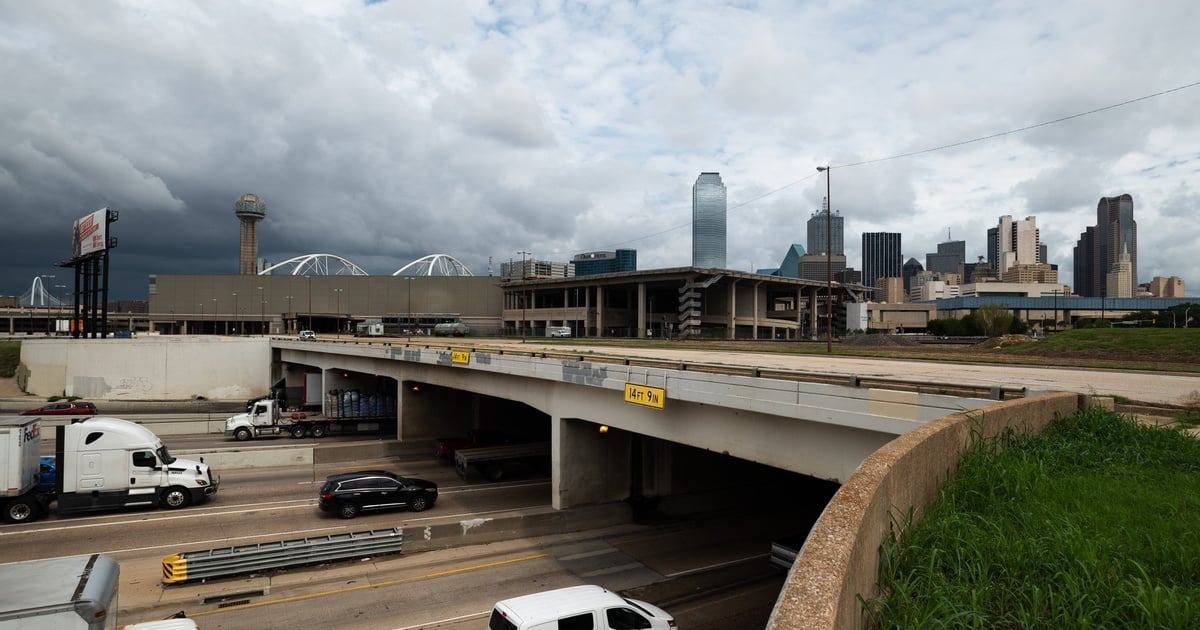
Despite Texas' strong economy and workers returning to the office, major cities like Austin, Dallas-Fort Worth, and Houston are grappling with high office vacancy rates ranging from 21% to 25%. The excess office space could hinder the post-pandemic recovery of downtown areas that rely on office workers to support local businesses. While some analysts believe a crash is not imminent, concerns about "shadow vacancies" persist, as employees are not returning to the office as frequently as before. The rise of remote work and a trend towards "flight to quality" have contributed to the high vacancy rates. The glut of empty office space poses challenges for building owners, who have limited options to turn things around.
China has officially entered a period of deflation for the first time in two years, with the consumer price index dropping 0.3% year-on-year in July. The country's post-pandemic recovery has stalled, as reflected in the tenth consecutive month of decline in the product price index. Reduced consumption and weakened domestic demand have led to a sharp decline in imports and exports, posing challenges for the Chinese economy. Authorities are implementing policy measures to address the situation, but face "new difficulties and challenges."
Youth unemployment in China has reached a record high of 21.3% in urban areas, signaling a faltering post-pandemic recovery. China's economy grew by 0.8% in the second quarter, falling short of expectations and raising concerns about weak growth momentum. The issue of youth unemployment is particularly significant as a large number of university graduates are expected to enter the job market this year. Analysts suggest that direct policy responses are needed to address this issue, as discontent among unemployed young people could lead to a wider loss of confidence in the economy.
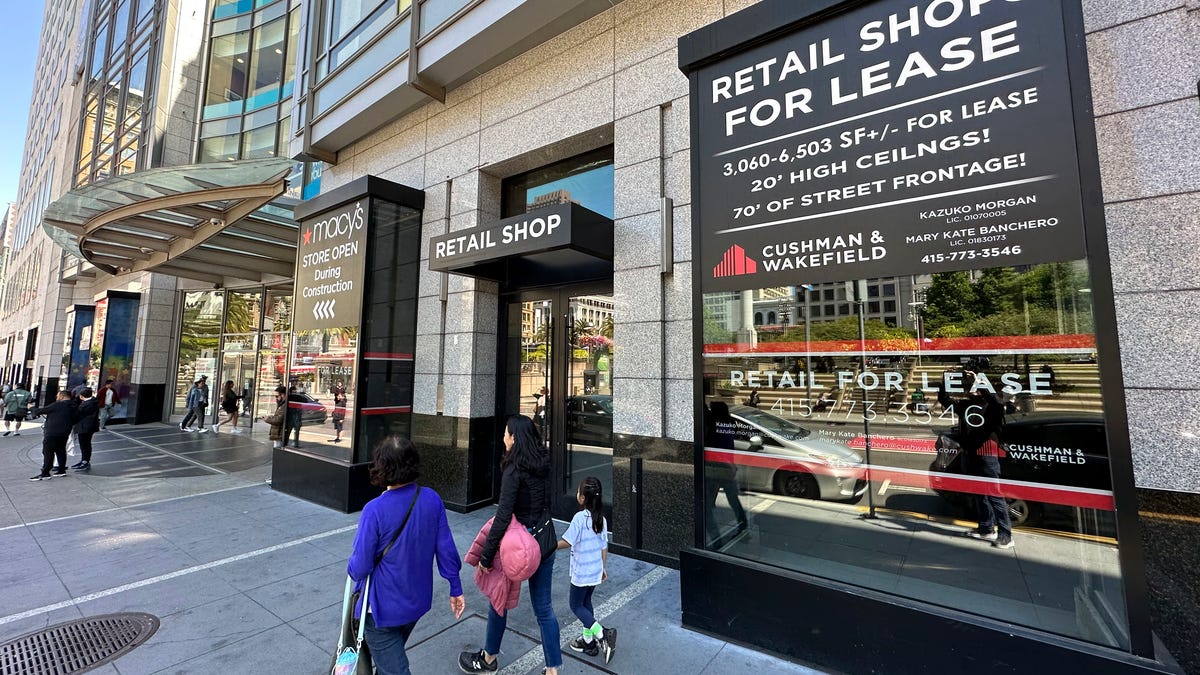
San Francisco's downtown is struggling to recover from the pandemic, with diminished foot traffic, empty storefronts, and declining sales. The city's downtown is a prime example of the challenges faced by many cities across the US, as downtowns must diversify and become around-the-clock destinations to attract people. San Francisco relied heavily on international tourism and its tech workforce, both of which disappeared during the pandemic. Other major cities like Portland and Seattle are also experiencing similar declines. San Francisco leaders are taking steps to revitalize downtown, including relaxing zoning rules and converting office space into housing. However, it will take more than housing for downtowns to flourish, and cities must find ways to attract visitors and create a sense of safety.
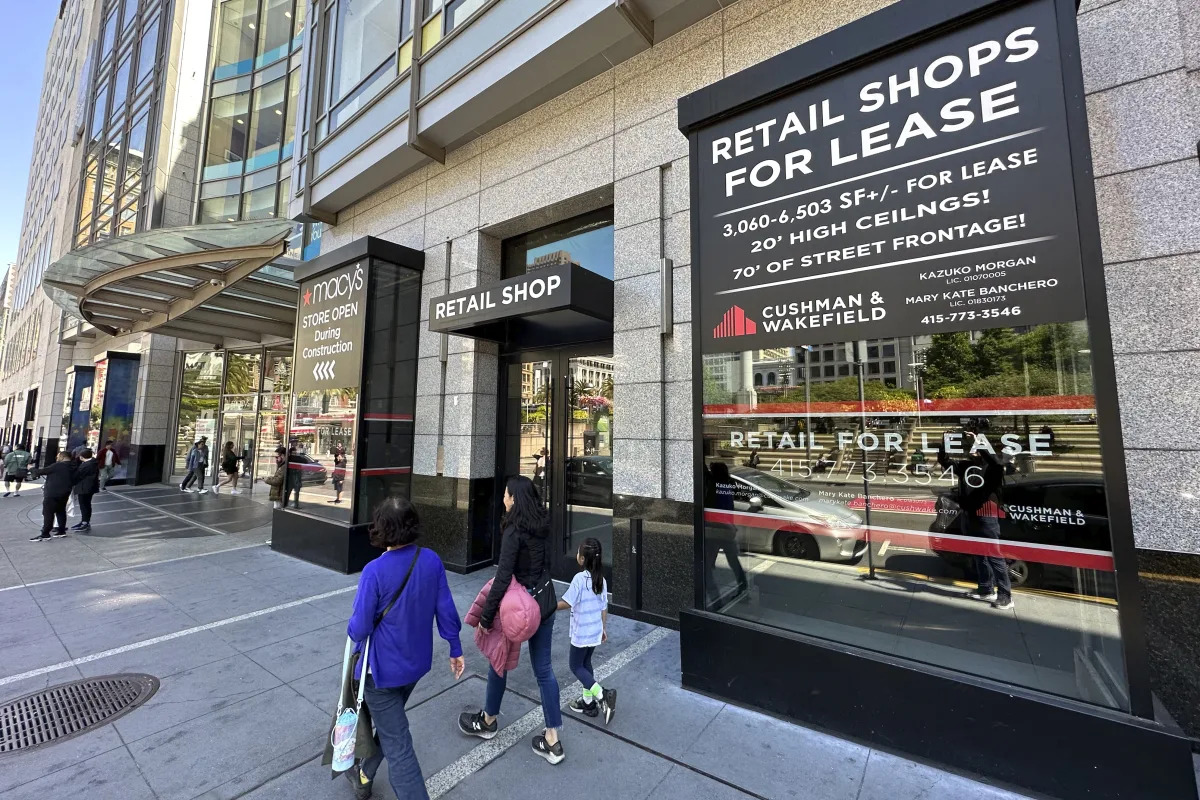
San Francisco's downtown is struggling to recover from the pandemic, with diminished foot traffic, vacant storefronts, and declining sales. The city's heavy reliance on international tourism and its tech workforce has contributed to the challenges. However, this is not unique to San Francisco, as other cities like Portland and Seattle are also facing similar declines. To revive downtown areas, experts suggest diversifying their offerings beyond office spaces and focusing on mixed-use spaces, housing conversions, and improving walkability. While there are signs of recovery, it will require concerted efforts to attract visitors and restore the vibrancy of downtown areas.
The labor force participation rate for women ages 25 to 54 in the US reached a record high of 77.8% in June, surpassing pre-pandemic levels, thanks to a robust recovery, increased availability of child care, and remote work options. The larger pool of female workers has helped boost the overall labor force participation rate, easing inflationary pressures. However, the participation rate remains below pre-COVID levels due to early retirements of baby boomers. While more women are entering the workforce, concerns remain about the sustainability of this trend as consumer spending moderates and job gains slow.