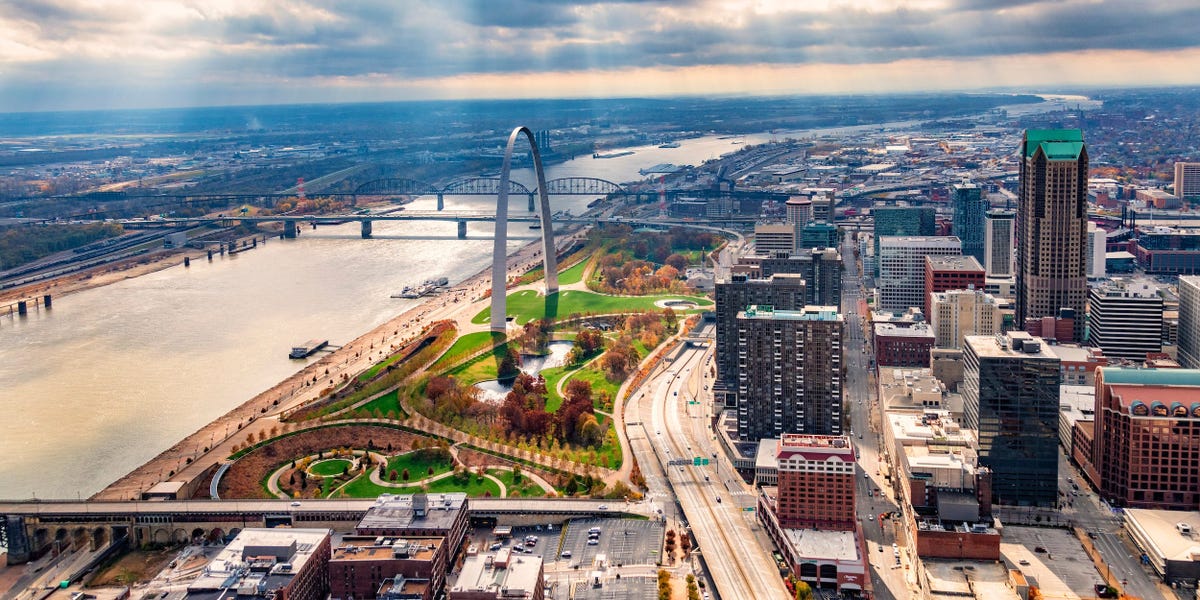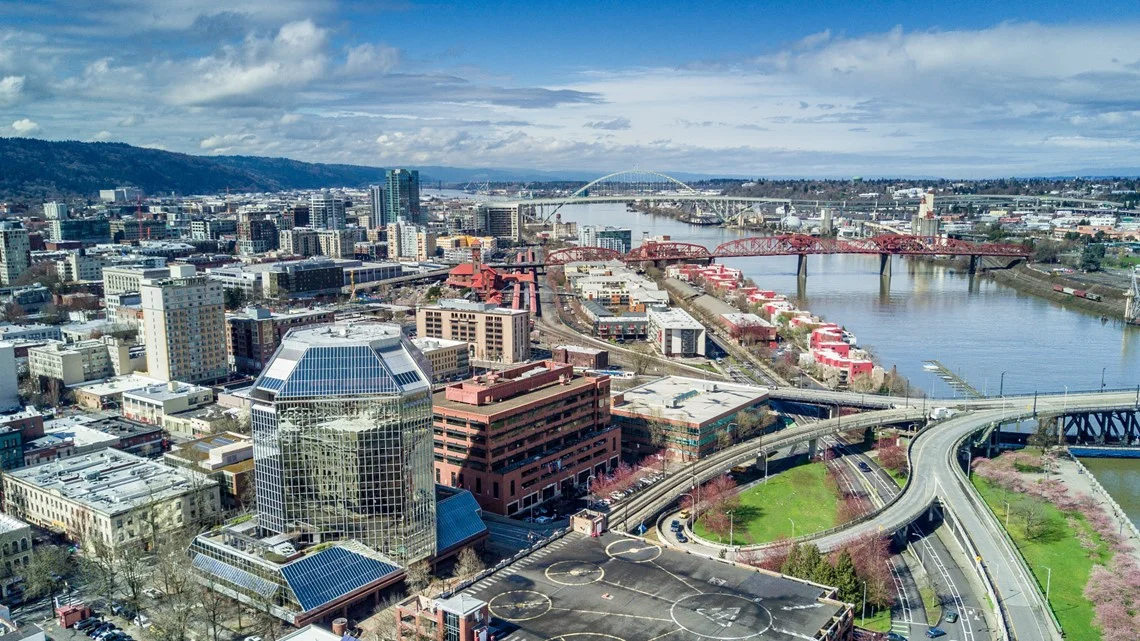
The sale of a 44-story office building in downtown St. Louis for a 98% discount from its 2006 price highlights the struggles facing the city's central business district, with a record-high office vacancy rate of 22.3%. The abandonment of iconic buildings and closure of local businesses due to remote work has created a vicious cycle, known as the "urban doom loop," leading to a decline in downtown foot traffic. Midwestern cities like St. Louis are facing challenges in attracting people to their downtown areas, and experts suggest prioritizing the addition of amenities to revitalize these urban spaces.
As companies continue to embrace remote work and office vacancies increase, the process of decommissioning offices has become more important. Decommissioning teams are tasked with clearing out furniture, fixtures, and equipment, which can be a costly and time-consuming process. Office vacancy rates in the US reached a record high of 16.4% in Q2 2023, with the amount of sublease space available also rising. Tenants often underestimate the cost of removing equipment when moving out, and the expense is rarely factored into the lease. The decommissioning process involves dismantling outdated systems, removing abandoned vaults, and even taking down staircases and fully equipped kitchens. The cost of removal can be offset if tenants are able to sell furniture or fixtures in the secondary market.
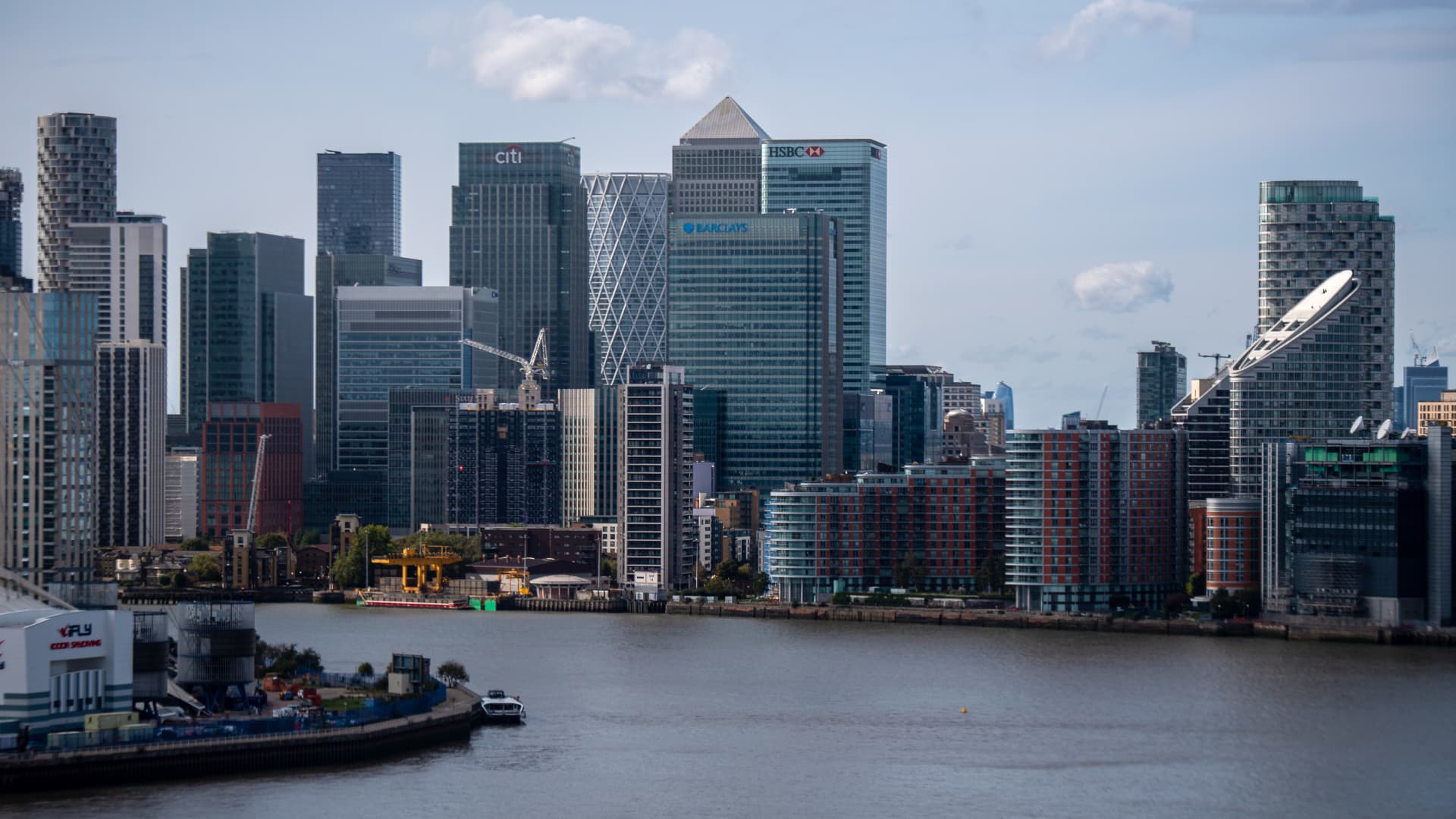
London's office market is experiencing a "rental recession" as vacancies in the city's business hub reach a 30-year high. The shift towards remote and hybrid working, as well as a focus on green offices, has led to a 20% contraction in office usage. The level of vacancies is surpassing the tipping point where rents typically start to decline, except for sustainability-focused buildings. Flexible, co-working, and serviced offices have taken up some of the vacant spaces. Commercial real estate companies British Land Company and Great Portland Estates have been downgraded by Jeffries, while Morgan Stanley sees UK real estate investment trusts as a compelling opportunity.
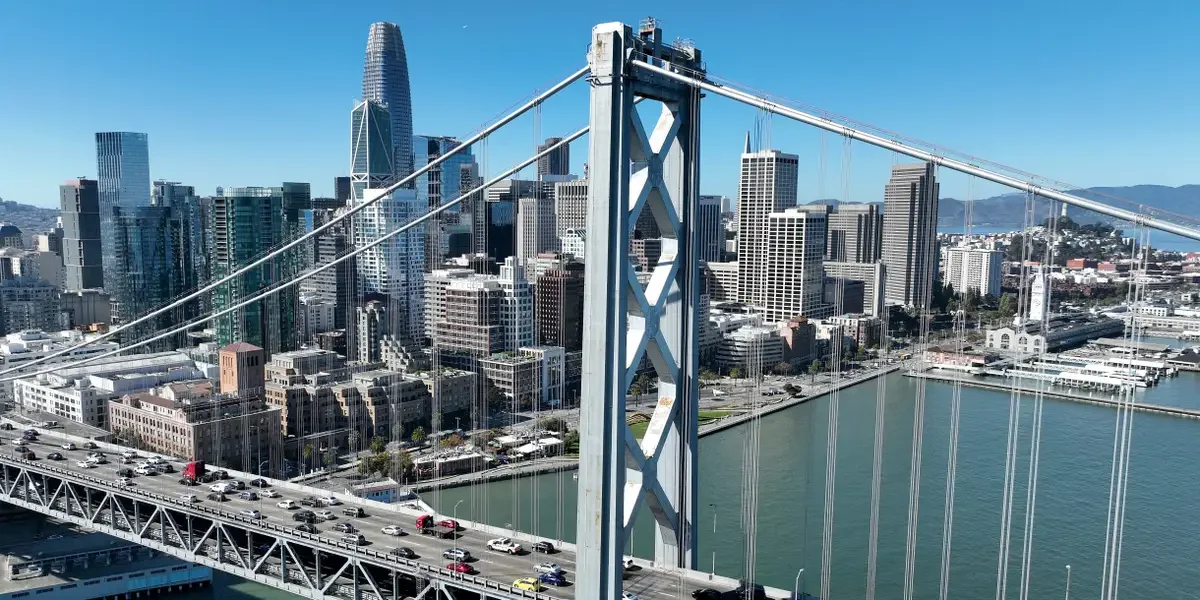
Commercial real-estate landlords are giving up on once trophy San Francisco properties due to office vacancies and crime. Foot traffic to San Francisco offices was down nearly 60% compared to 2019. The city's 18 million square feet of empty office space could house 92,000 people. The loss of workers, business travelers, and stores is creating a vicious cycle that won't be disrupted any time soon. The flight from the city has reduced the population by more than 65,000 people from April 2020 to July 2022.
The combination of remote and hybrid work has led to plummeting occupancy rates in office buildings, making it tough for property owners to refinance and potentially leading to a banking crisis. Almost $1.5 trillion in U.S. commercial debt will need to be renegotiated in the next 24 months, and delinquencies could cut commercial real estate values by 40 percent. Smaller banks with less than $250 billion in assets have the most to lose, and the nightmare scenario would come if leases don't get renewed, forcing down property values and leading to big losses on smaller banks' balance sheets. However, other sectors of commercial real estate, such as warehouses and hotels, are in good shape.
The $20 trillion commercial real estate market is facing a huge hurdle due to rising interest rates, post-pandemic office vacancies, and a mass refinancing of mortgages that lies ahead. More than half of the $2.9 trillion in commercial mortgages will need to be renegotiated by the end of 2025, and local and regional banks are on the hook for most of those loans. The effect is likely to put a chill on lending, making it harder for developers to borrow money to build shopping malls and office towers and could spill over into wider markets.