

Tag
Dot Com Bubble
All articles tagged with #dot com bubble
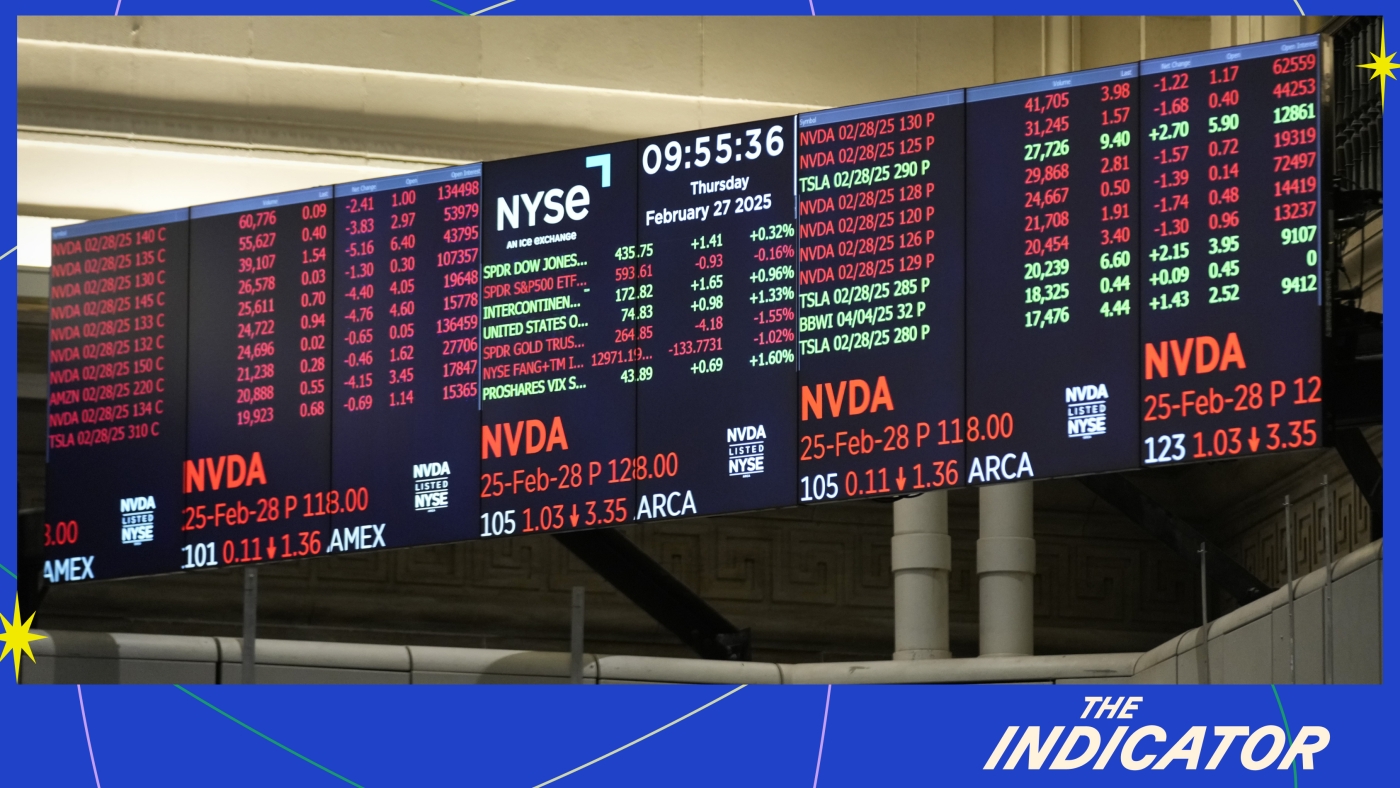
Market Warning Signs Signal Potential Turmoil Ahead
The Shiller PE Ratio has reached its highest level since 1999, reminiscent of the dot-com bubble peak, raising concerns about whether current investment trends, especially in AI, could signal an impending market correction.

Market Warning Signs: What History Tells Us About Current Risks
The Cyclically Adjusted Price-to-Earnings (CAPE) ratio has risen to 40.5, nearing the all-time high of 44.1 before the Dot-Com Bubble burst, sparking concerns about overvaluation, but such readings are not reliable indicators of imminent market crashes as overvalued markets can remain so for extended periods.

Micron Stock Soars: Should Investors Sell Before Earnings?
The article discusses Micron's upcoming earnings report, highlighting the high expectations and historical volatility of the stock, which is seen as a proxy for tech bubble survivors. It warns investors to be cautious due to the stock's significant run-up and the potential for market reactions, drawing parallels to the dot-com bubble era and emphasizing the importance of risk management.

AI Bubble Concerns Echo Dotcom Era as Investments Surge
Henry Blodget warns of a potential AI bubble similar to the dot-com era, highlighting vast investments and market parallels, but notes differences such as private funding and earnings-backed buildouts, suggesting any bust may be contained but still impactful.

Global IPO Boom Sparks Renewed Market Excitement
The recent surge in IPOs, especially those linked to crypto and AI, has sparked concerns of a bubble similar to 2000, with many new companies lacking profitability and investor enthusiasm driven by retail demand. Experts advise caution, noting IPO volatility, limited share supply, and the importance of waiting for lockup periods to expire before making long-term investments, while also acknowledging that current valuations are more rational than during the dot-com era.

Nasdaq Hits Alarming Valuation, History Warns of Consequences
The Nasdaq has reached a valuation level reminiscent of the dot-com bubble, with high tech stock valuations and market concentration raising concerns. While some argue that today's tech giants are more diversified and resilient, the historical parallels suggest caution. Investors should consider their time horizon and diversify, especially if they need cash soon, but maintaining a long-term perspective is advised.

The AI Bubble: Flashbacks, Corrections, and Lessons for Investors
The current AI mania in the technology industry is reminiscent of the dot-com bubble of the late 1990s, raising concerns about a potential market crash.