Tag

Bulletin Of The Atomic Scientists

All articles tagged with #bulletin of the atomic scientists

Who Should Sound the Doomsday Alarm?
future-perfect1 month ago

Who Should Sound the Doomsday Alarm?

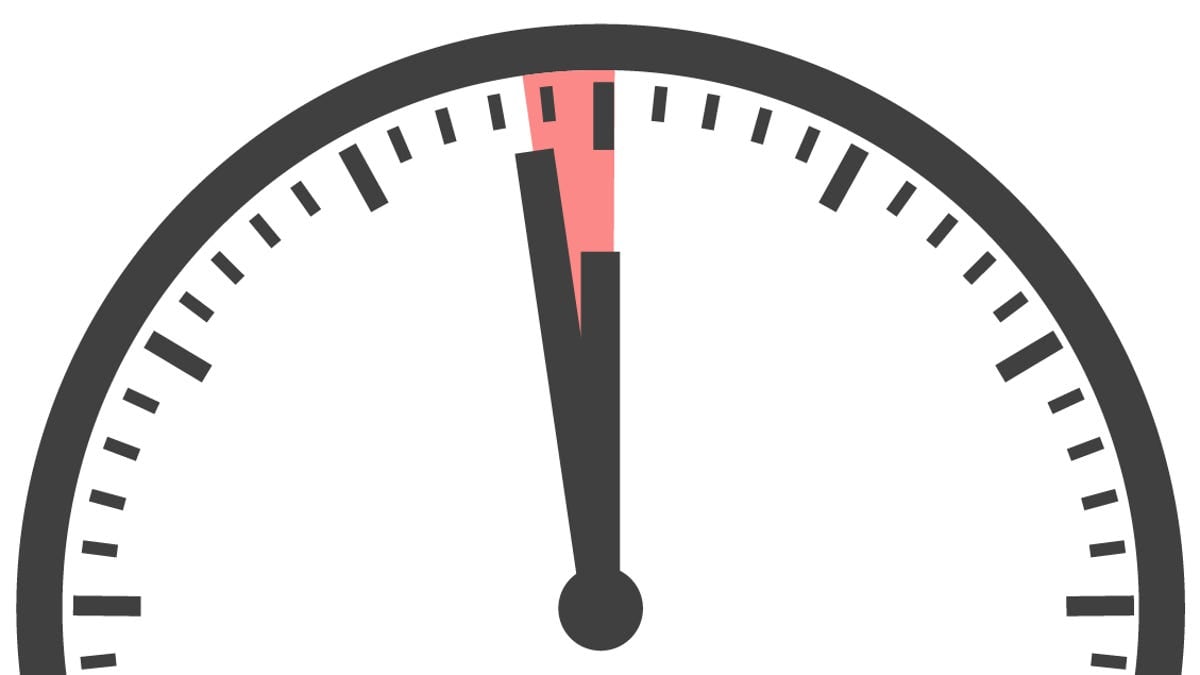
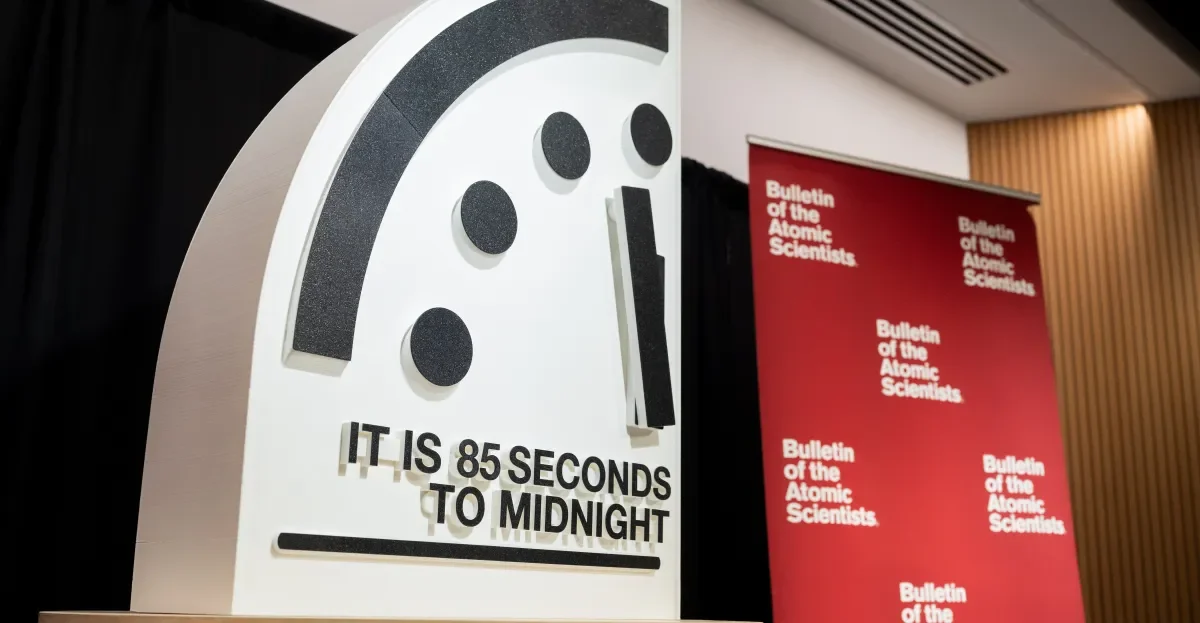
The 2026 Doomsday Clock sits at 85 seconds to midnight, but this Vox Future Perfect piece argues the warning is losing power: the Bulletin of the Atomic Scientists provides outsider alarms, while AI insiders like Anthropic’s Dario Amodei push to continue development even as they warn of risks. The piece analyzes the tension between credible, independent warnings and the inside-the-system influence of tech leaders, noting that as risks broaden—from AI to climate and autocracy—the Clock’s precise, alarmist messaging may no longer translate into policy. It asks what kind of new institutional mechanism could replace the Doomsday Clock to credibly warn and spur action on existential threats.
Doomsday Clock at 85 Seconds to Midnight, the Closest Call Yet
world1 month ago

Doomsday Clock at 85 Seconds to Midnight, the Closest Call Yet

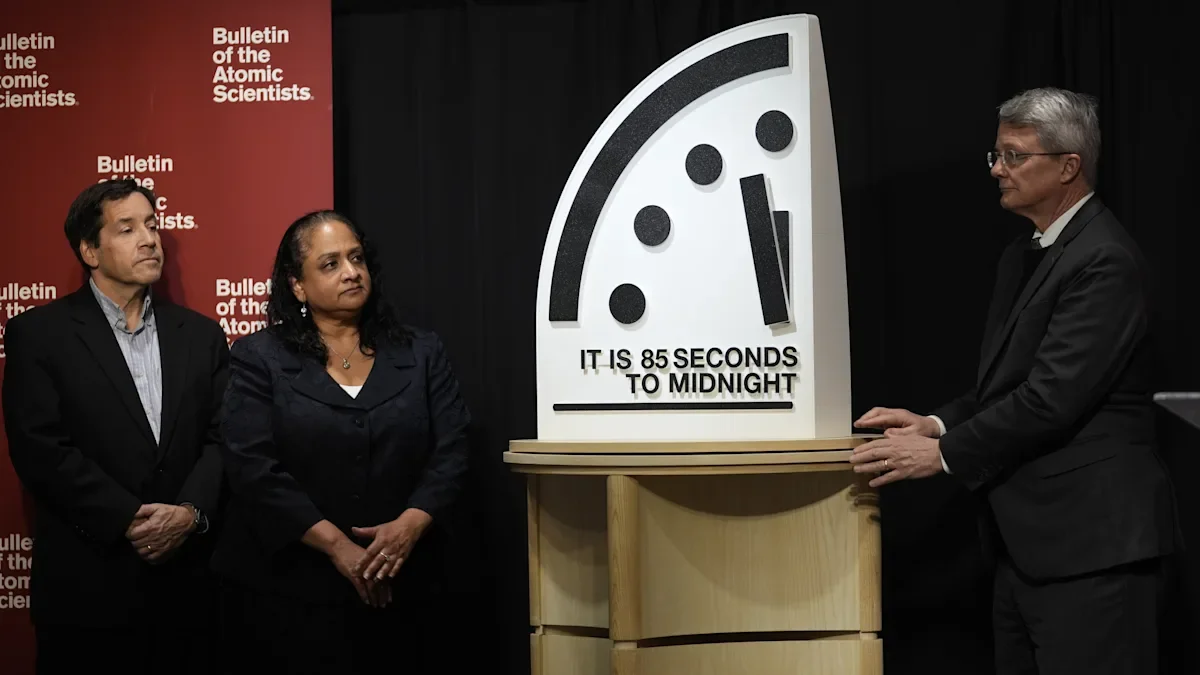
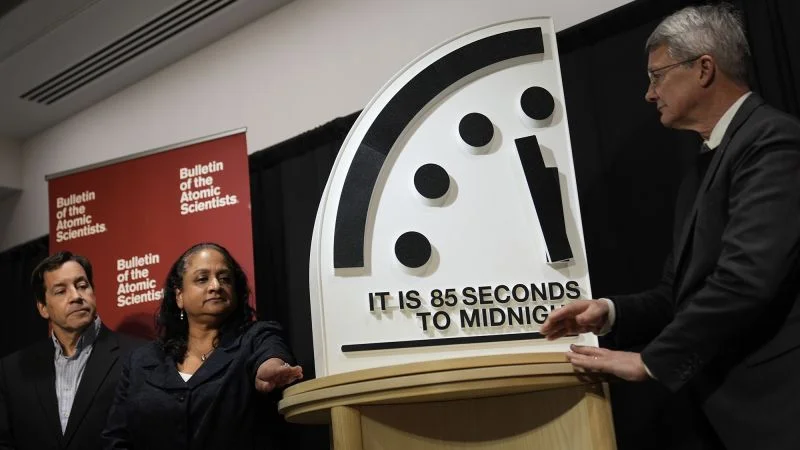
The Bulletin of the Atomic Scientists announced the Doomsday Clock is now 85 seconds to midnight—the closest it has ever been—citing a 'failure of leadership' and rising global risks from nuclear weapons, climate change, biotech threats, and rapid AI advances. The clock, updated annually by the SASB, reflects whether humanity is safer this year than last and than it was 78 years ago. Recent history shows the clock hovering near 89–90 seconds, with the 2023–2024 slate at 90 seconds and 2025 at 89 seconds. To move the hands away from midnight, experts urge renewed nuclear-arms talks, stronger biosecurity measures, accelerated renewable energy adoption, and meaningful AI governance for military use.

Doomsday Clock 2026 Hits Record 85 Seconds to Midnight
science1 month ago

Doomsday Clock 2026 Hits Record 85 Seconds to Midnight

The Bulletin of the Atomic Scientists set the Doomsday Clock to 85 seconds to midnight for 2026—the closest it’s ever been—citing slow progress on nuclear risk, climate change, biological threats, and disruptive technologies like AI, along with widespread misinformation. Scientists urge bold global action to reduce existential threats and offer individual and policy steps to reduce risk.

"Navigating the Perilous Path: 2024 and the Growing Existential Threats"
science2 years ago

"Navigating the Perilous Path: 2024 and the Growing Existential Threats"

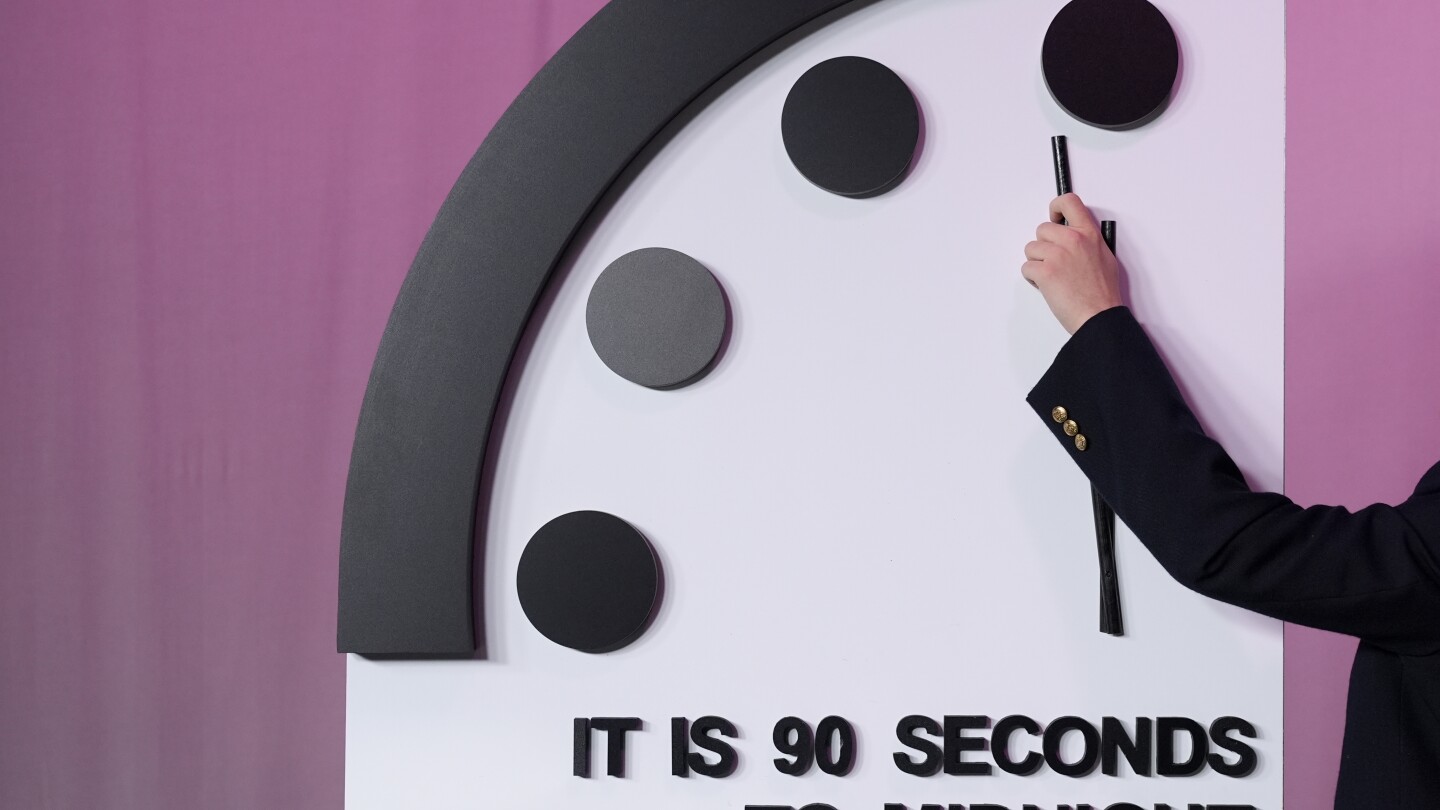
The Doomsday Clock, a metaphorical timepiece created in 1947 to symbolize the threat of nuclear Armageddon, remains at 90 seconds to midnight, the closest it has been to "The End." Originally designed with a 15-minute range, the clock now responds to threats like climate change and pandemics. Despite the diminished threat of nuclear weapons in Ukraine, the clock's setting has not changed, reflecting ongoing global concerns about self-destruction.

"Doomsday Clock: The Unchanged Threat of Nuclear War, Climate Disasters, and AI"
world-news2 years ago

"Doomsday Clock: The Unchanged Threat of Nuclear War, Climate Disasters, and AI"

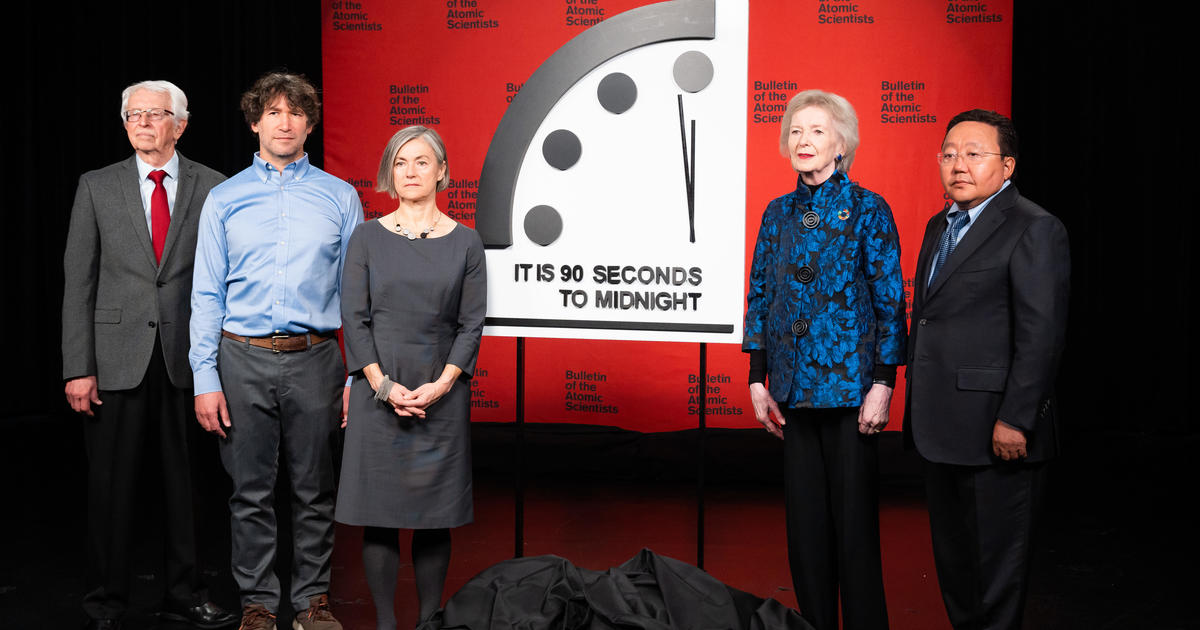
The Doomsday Clock, maintained by the Bulletin of the Atomic Scientists, remains at 90 seconds to midnight, signaling the ongoing threats of nuclear war, climate disasters, and generative artificial intelligence. The group cited the nuclear threat in Russia’s war on Ukraine, worsening climate-related disasters, and the danger of AI as factors contributing to the potential for global catastrophe. The organization emphasized the need for global cooperation and highlighted the role of powerful countries like the United States, China, and Russia in addressing these pressing issues.

"Doomsday Clock 2024: Revealing Humanity's Proximity to Global Catastrophe"
world2 years ago

"Doomsday Clock 2024: Revealing Humanity's Proximity to Global Catastrophe"

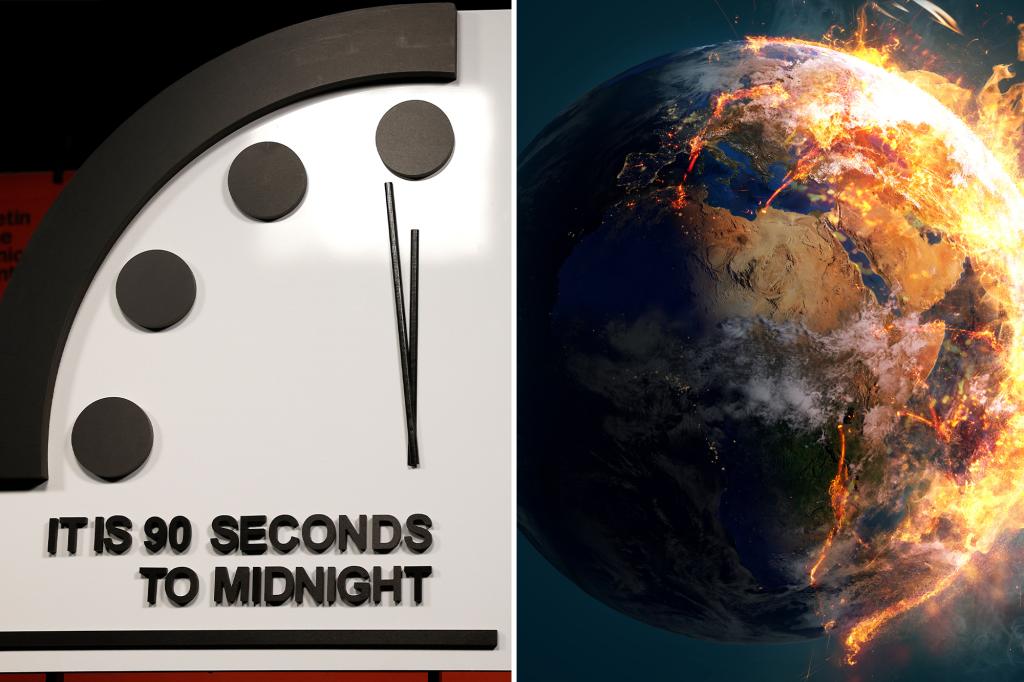
The Doomsday clock remains at 90 seconds to midnight in 2024, indicating the continued high risk of global catastrophe due to factors such as the war in Ukraine, climate change, and disruptive technologies. The Bulletin of the Atomic Scientists, which tracks man-made threats, highlighted the ongoing war in Ukraine, environmental milestones, and advances in artificial intelligence as major concerns. The clock was initially created in 1947 to represent the threat posed by nuclear weapons technology and has since been adjusted based on global events and scientific assessments.

"Doomsday Clock: Humanity's Precarious 90-Second Countdown to Global Catastrophe"
world-news2 years ago

"Doomsday Clock: Humanity's Precarious 90-Second Countdown to Global Catastrophe"

The Doomsday Clock has been reset to 90 seconds to midnight for the second year in a row, indicating the continued state of unprecedented danger the world faces. The decision takes into account global threats such as the Russia-Ukraine war, climate crisis, genetic engineering technologies, and the advance of generative AI. The Bulletin of the Atomic Scientists emphasizes the urgent need for governments and communities to act, while also expressing hope in the younger generations leading the charge. The Doomsday Clock serves as a metaphor to warn humanity about the potential for global catastrophe, and speakers at the event, including Bill Nye, emphasized the need for better management of the technologies created to prevent catastrophe.

"Doomsday Clock 2024: Nearing Midnight - What You Need to Do"
world-news2 years ago

"Doomsday Clock 2024: Nearing Midnight - What You Need to Do"

The annual update of the Doomsday Clock, maintained by the Bulletin of the Atomic Scientists, has kept the symbolic time at 90 seconds to midnight, the closest it has ever been. The decision is made by the Science and Security Board in consultation with Nobel laureates, considering global threats such as disruptive technologies, nuclear proliferation, ongoing conflicts, bio-threats, climate crisis, and disinformation campaigns. The Doomsday Clock, a metaphor for humanity's proximity to self-annihilation, has been referenced by world leaders and is respected for its science-based stance.