
Unlocking the Potential of Aqueous Amino Acids for CO₂ Direct Air Capture
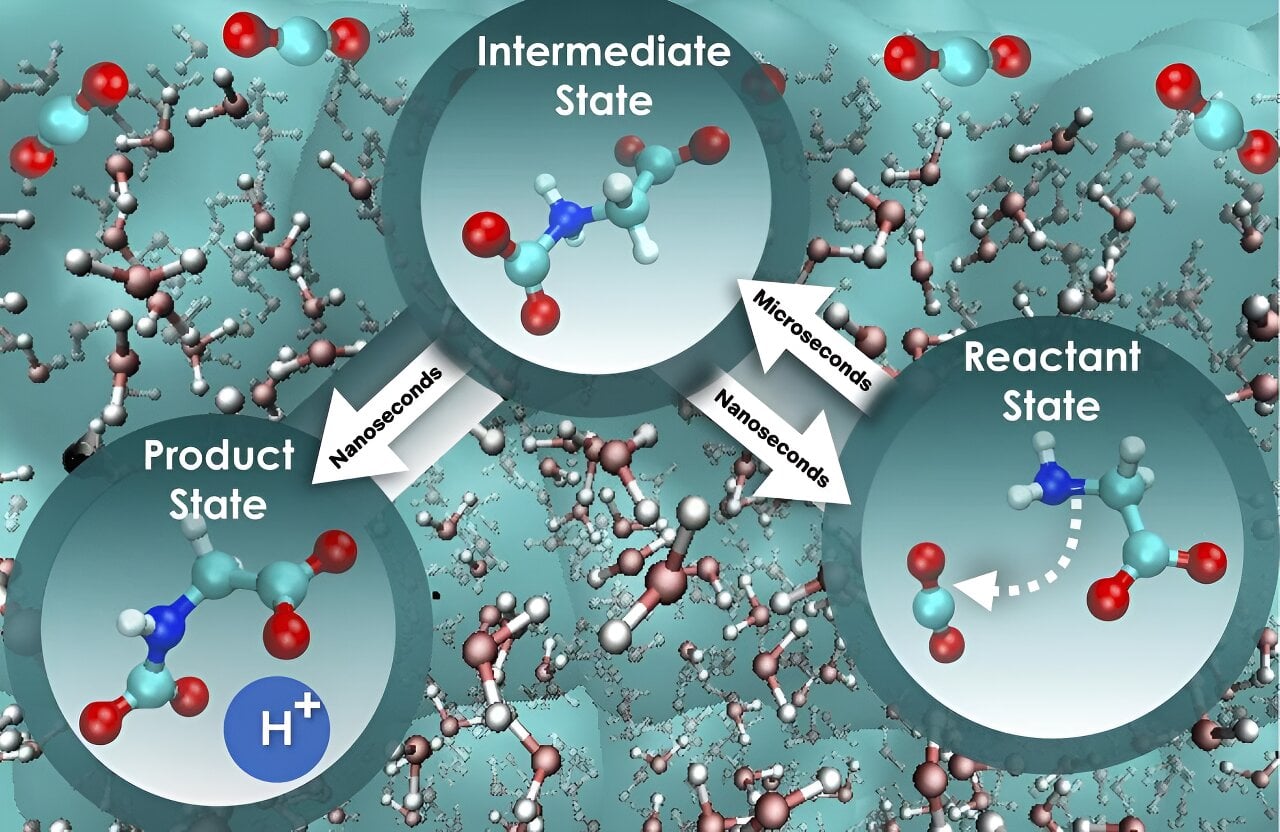
Researchers at Oak Ridge National Laboratory have made progress in understanding the process of direct air capture (DAC) of carbon dioxide using aqueous glycine, an absorbent amino acid. By employing advanced computational methods, the scientists investigated the dynamic interactions in liquid solutions that affect the rate of carbon dioxide capture. They found that focusing solely on the free energy barrier oversimplifies the process and can lead to an inaccurate understanding of reaction kinetics. The study sheds light on the intricate workings of DAC and highlights the importance of kinetics, thermodynamics, and molecular interactions in removing carbon dioxide from the atmosphere using aqueous amino acids.
Reading Insights
0
0
3 min
vs 4 min read
86%
718 → 104 words
Want the full story? Read the original article
Read on Phys.org