The article argues that President Trump made a prudent decision to withdraw support for providing Tomahawk missiles to Ukraine, emphasizing the dangers of escalation and the importance of cautious diplomacy. It warns against provocative actions like shooting down Russian planes or seizing Russian cargo, which could lead to full-scale war, and advocates for a diplomatic approach to freeze current borders and seek peaceful resolutions. The piece also criticizes exaggerated media reports on Russian military activities and stresses the need for calm and strategic planning to prevent further escalation.
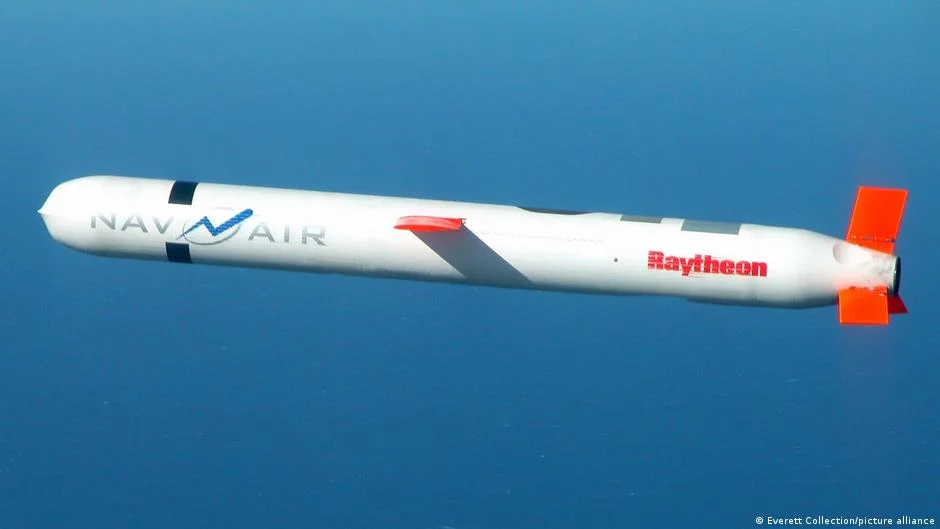
President Trump has considered supplying Ukraine with Tomahawk missiles to help end the conflict with Russia, which has caused concern in Moscow. Ukraine sees these long-range missiles as a strategic tool to target Russian military sites, while Russia warns that such a move would escalate tensions. The missiles, developed in the 1970s, are highly accurate cruise missiles capable of striking deep inside Russia, potentially altering the dynamics of the war. The decision remains under discussion, with implications for US-Russia relations and the ongoing conflict.
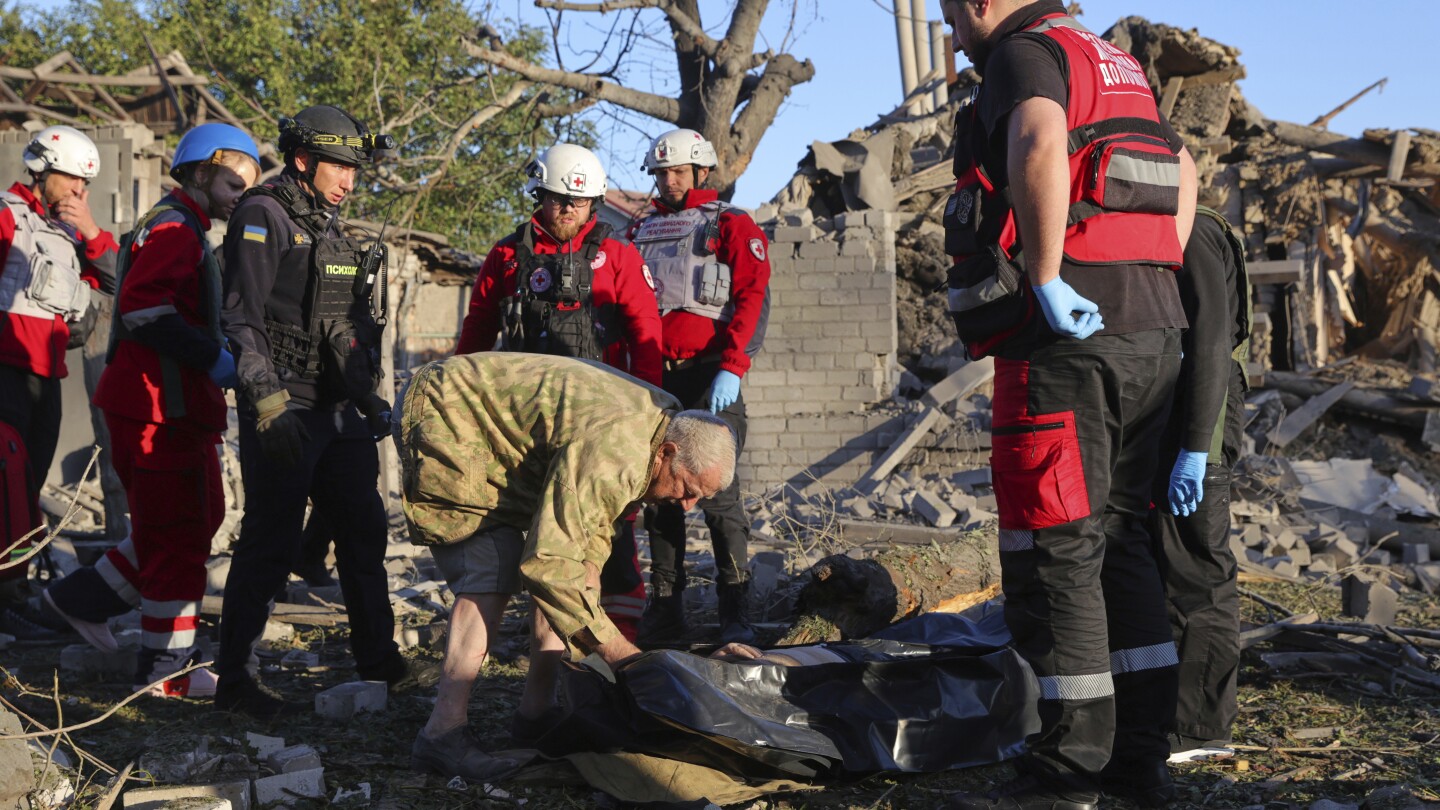
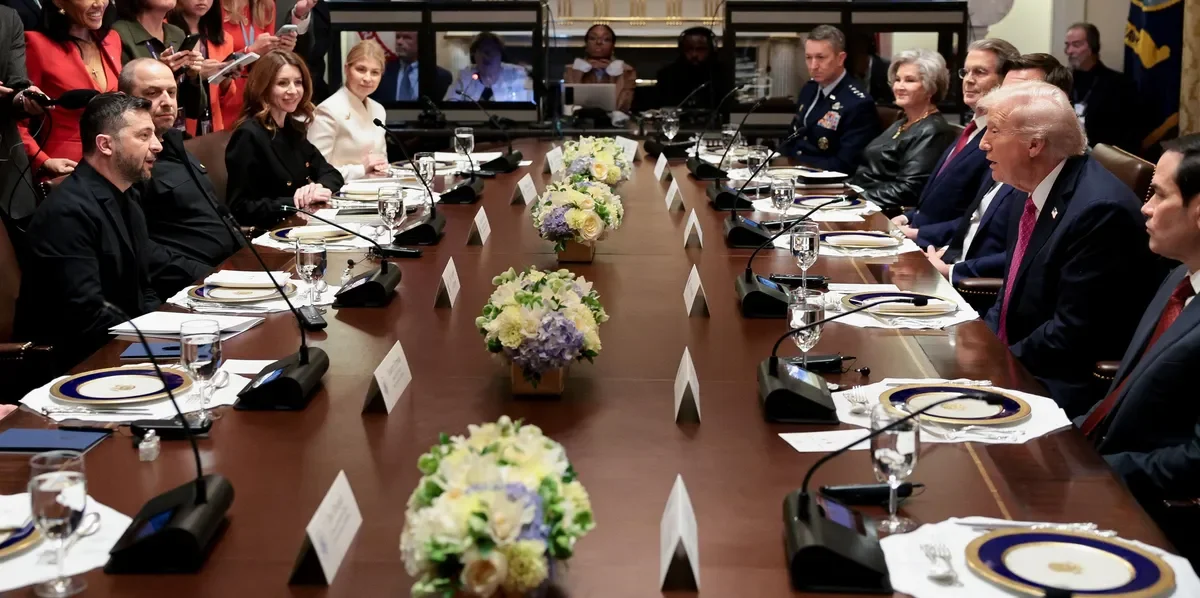
Ukrainian President Zelenskyy anticipates a tense week of diplomacy at the UN amid ongoing drone strikes and accusations between Russia and Ukraine, with international concerns rising over potential spillover of the conflict beyond Ukraine's borders, as Zelenskyy seeks support for peace efforts and Ukraine faces continued Russian attacks.
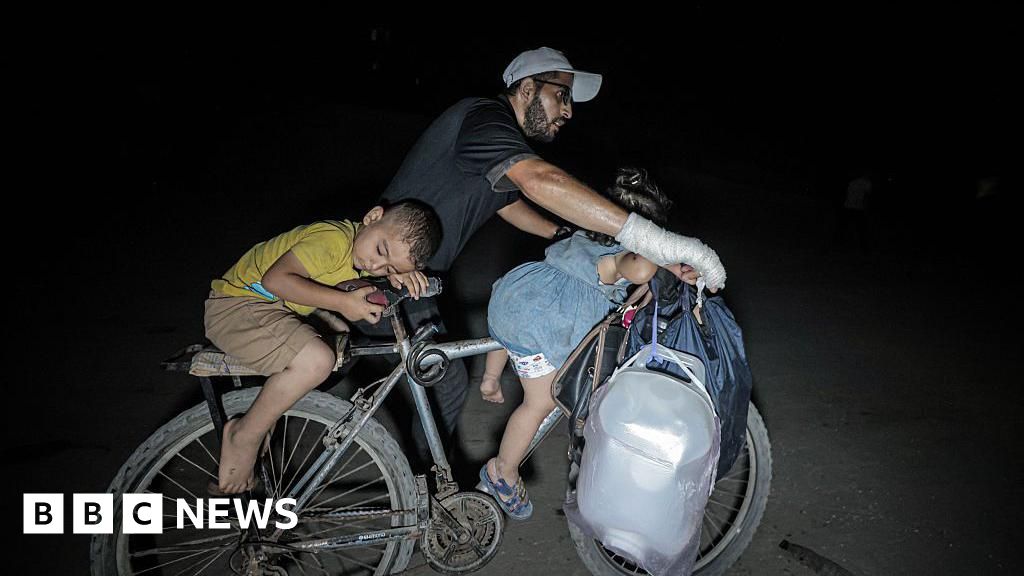
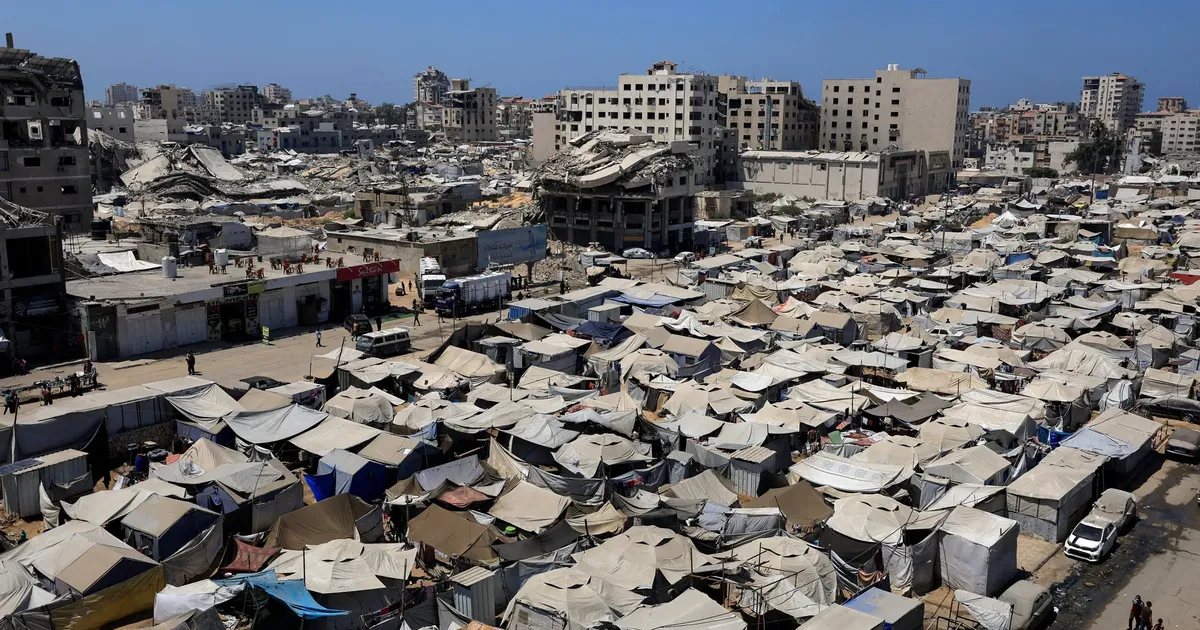
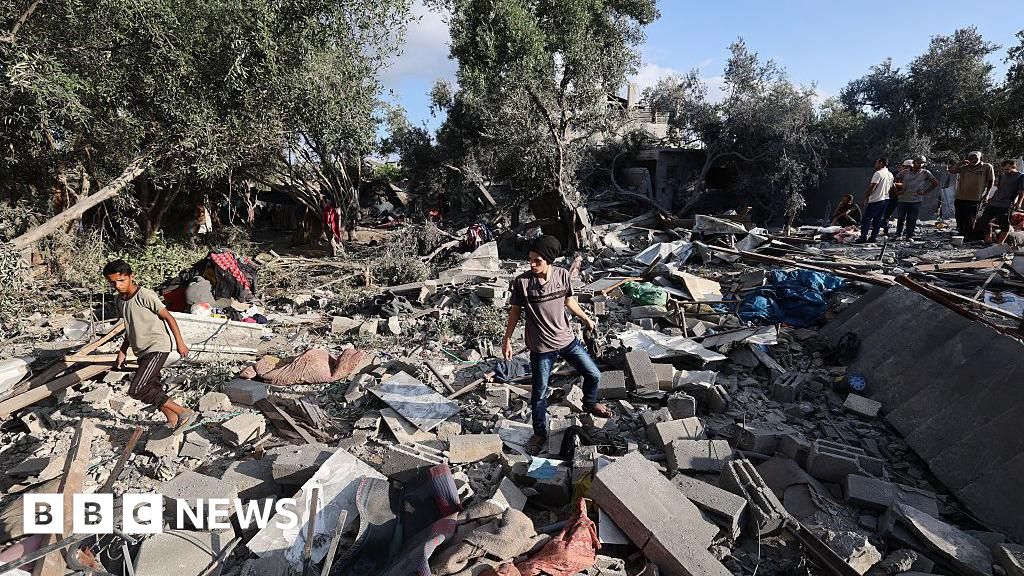
Palestinians in Gaza City are desperately fleeing as Israel launches a ground and air assault, with many facing severe congestion, destruction, and danger amid international condemnation and reports of potential genocide.
The article discusses the ongoing conflict in Ukraine, with Russia escalating attacks despite diplomatic efforts led by the U.S., and examines U.S. political responses including investigations and domestic political strategies, alongside exclusive interviews with Russian and Ukrainian officials and U.S. lawmakers, highlighting the complex and stalled peace process.
The Israeli Defense Forces warn that demolishing Gaza City as ordered by the Netanyahu government could take over a year, raising concerns about the humanitarian impact and international law violations amid ongoing tensions and military operations.
Israel's security cabinet has approved a plan to take control of Gaza City as part of a broader strategy to end the war in Gaza, which has faced international criticism and opposition within Israel, with concerns over potential displacement and escalation of violence.
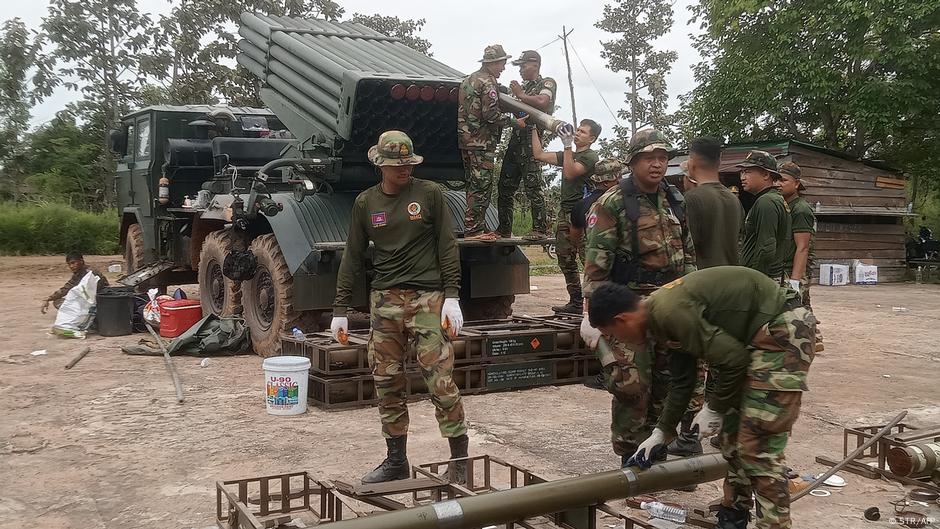
Deadly clashes erupted between Thai and Cambodian troops along their disputed border, resulting in at least 12 deaths, amid longstanding territorial disputes and recent tensions over border demarcation and historical sites like the Preah Vihear temple. The conflict is compounded by political instability in Thailand and mutual dependence between the two nations, with international courts involved in border rulings.
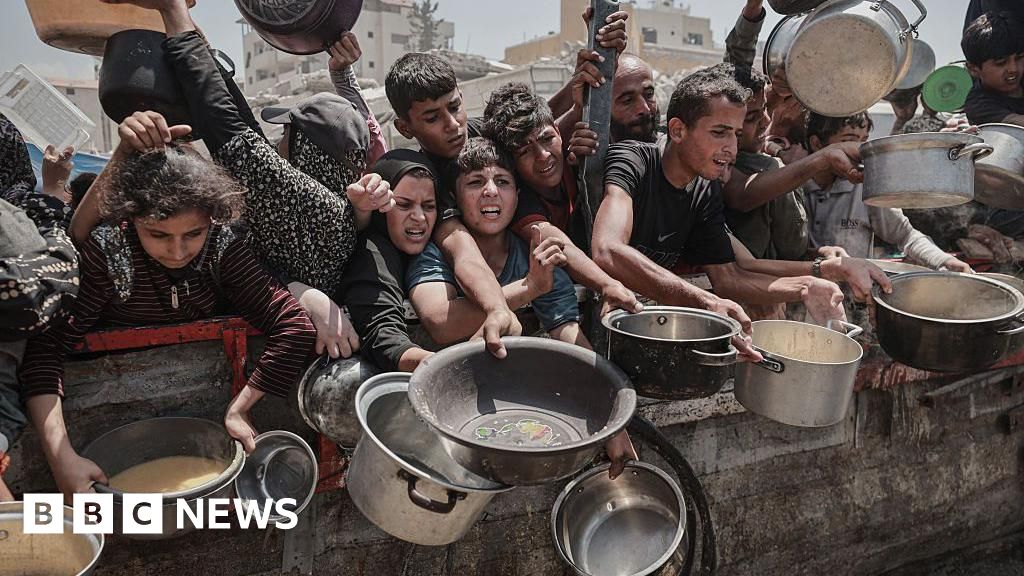
An Israeli air strike in Gaza killed ten people, including six children, while they waited for water, amid escalating violence and a collapsing infrastructure that has left many civilians in dire need of aid.
World leaders reacted to the US strikes on Iran's nuclear sites with a mix of condemnation, calls for restraint, and warnings of escalation, highlighting concerns over regional stability and international law.
Israel claims to have killed two top Iranian officials linked to al-Quds in overnight strikes amid escalating tensions with Iran, which responded with missile and drone attacks on Israel. Iran warns US against military intervention, while diplomatic efforts to de-escalate the conflict face challenges. The conflict has resulted in significant casualties and damage on both sides, with concerns over nuclear proliferation and regional stability.
Israel launched a large-scale attack on Iran's nuclear and military targets, destroying a significant portion of Iran's missile launchers and targeting key figures, while Iran responded with missile barrages, including attacks on urban areas, revealing limits in Iran's missile capabilities and a breakdown in deterrence strategies amid escalating regional tensions.
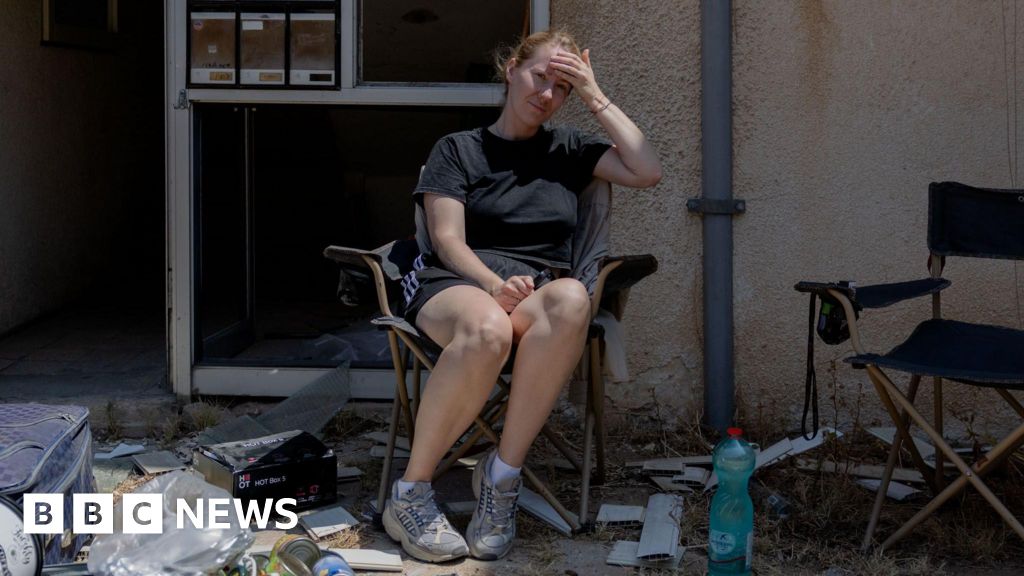
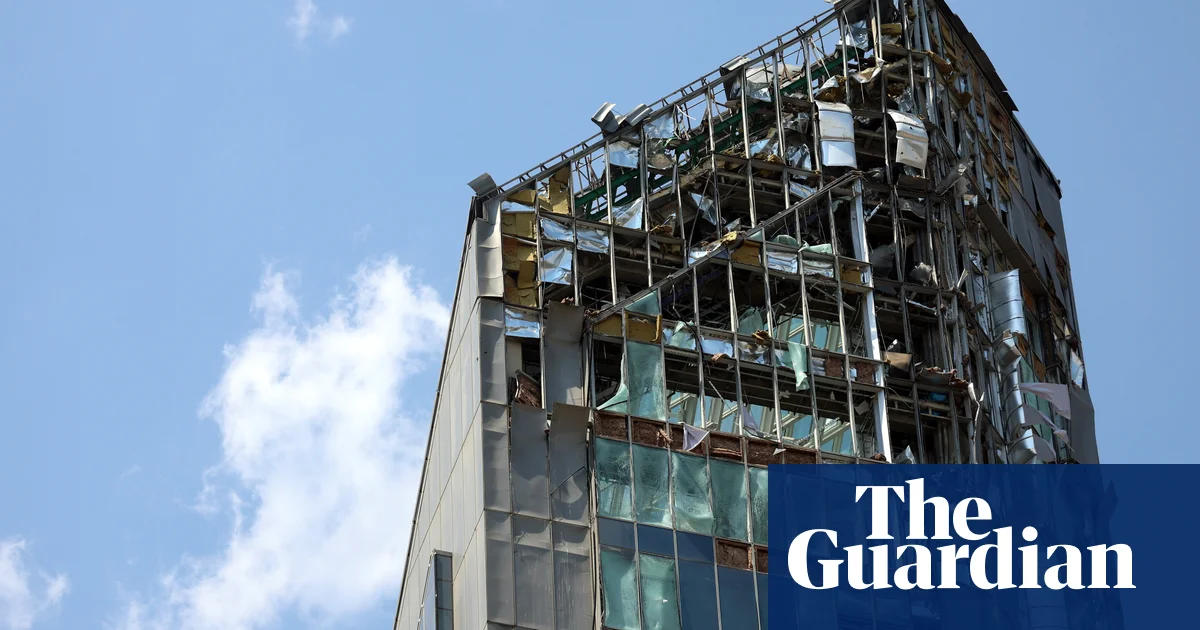
A missile strike by Iran on Bat Yam, Israel, has killed at least eight people and damaged many buildings, amid Israel's ongoing military actions against Iran's nuclear facilities. The attack has garnered strong support from locals for Israel's retaliation, with political leaders visiting the site and emphasizing the need to confront Iran, raising concerns about escalating regional conflict and civilian casualties.
Israel claims to have gained control of Tehran's airspace and warns of severe retaliation if Iran fires more missiles, amid ongoing conflict and threats from both sides, with Israel targeting Iranian military and nuclear sites, and Iran promising a powerful response.
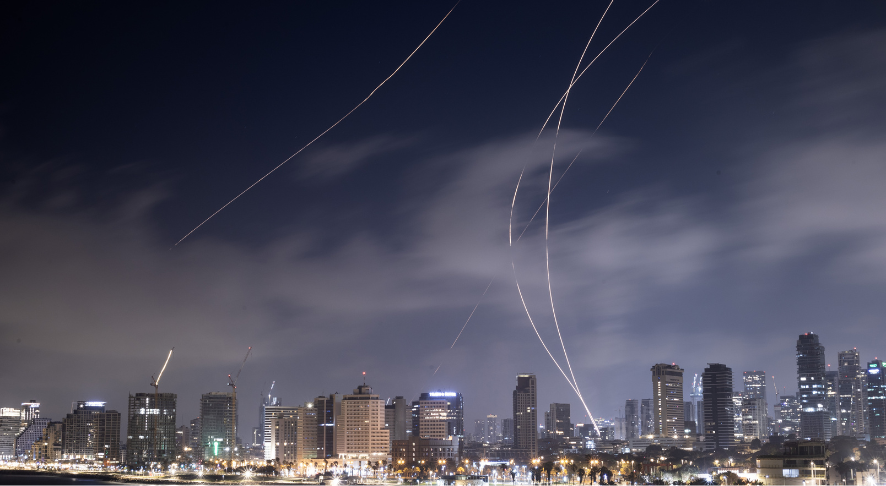
Iran launched a wave of missile strikes against Israel, targeting Tel Aviv and other locations, resulting in injuries and escalating the conflict. Israel responded with strikes on Iranian nuclear sites and military bases around Tehran. International leaders, including the UN and European Commission, called for restraint and diplomacy amid the rising tensions. The situation remains volatile with ongoing search and rescue operations in Israel and celebrations in Tehran following retaliatory actions.