With a $60 billion US aid bill blocked, Ukraine's battle against the Russian invasion is becoming increasingly desperate, with its military running critically short of artillery and ammunition. Analysts believe that a Ukrainian defeat could take the form of total destruction, loss of territories, or a campaign against NATO. The release of the aid package could provide a glimmer of hope, but the situation remains precarious as Ukraine's European allies are urged to step up support.
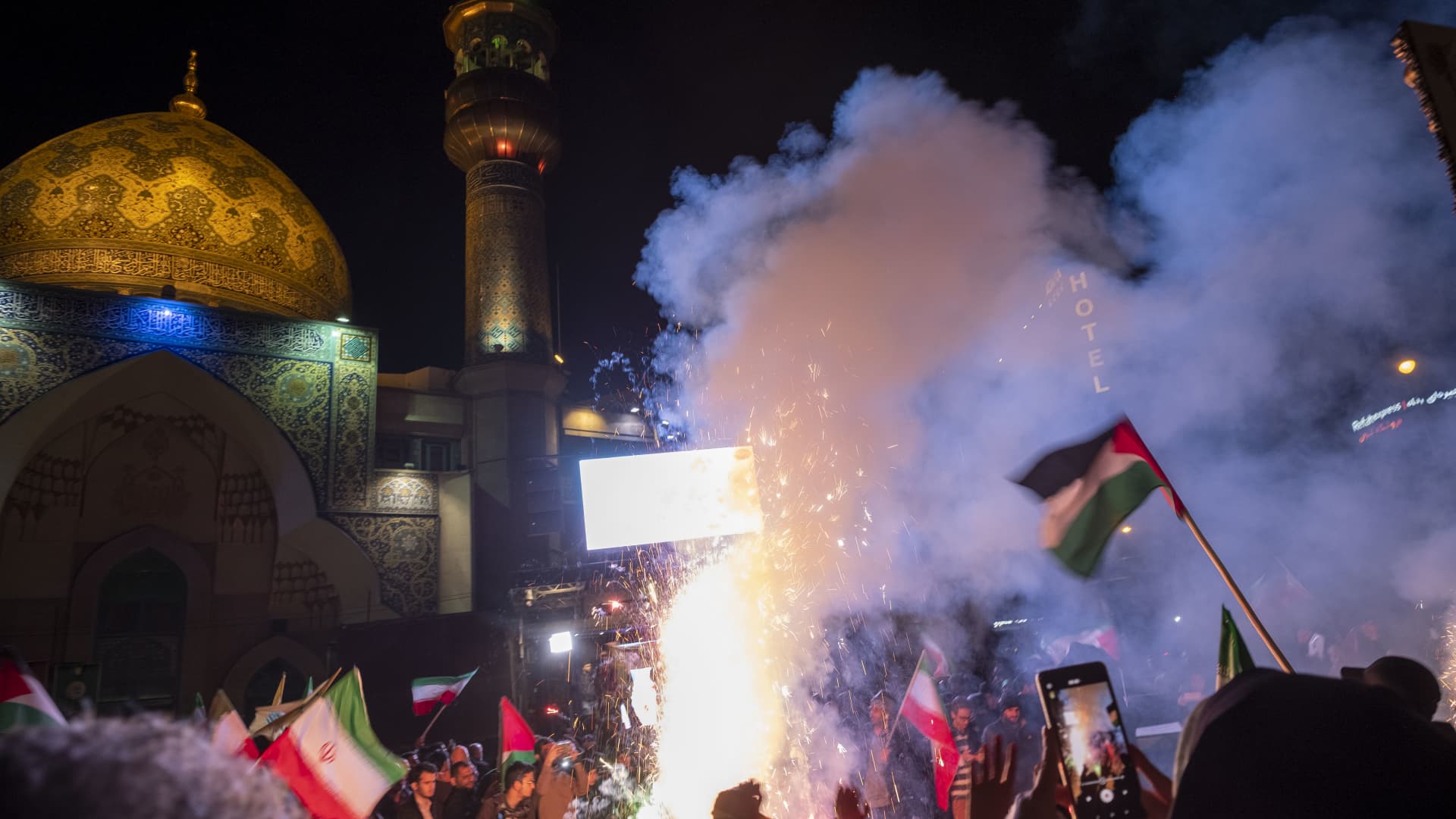
Iran launched a massive drone and missile attack on Israel in response to a suspected Israeli strike that killed top Iranian officials in Syria, with Israel claiming to have intercepted and eliminated 99% of the threats. The attack marked the first direct assault on Israel from Iranian territory and has escalated tensions in the region. The U.S., U.K., and France have condemned the attack, with President Biden denouncing it as "unprecedented" and calling for a united diplomatic response. The assault has also impacted oil futures prices and aviation in the region, prompting international airlines to ground or divert flights.
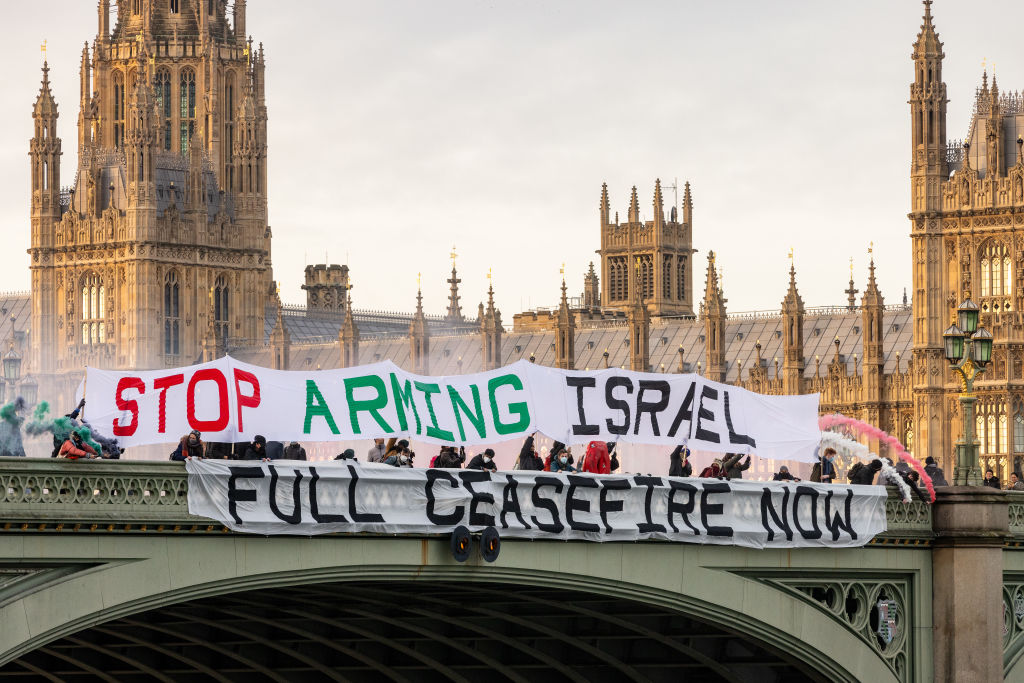
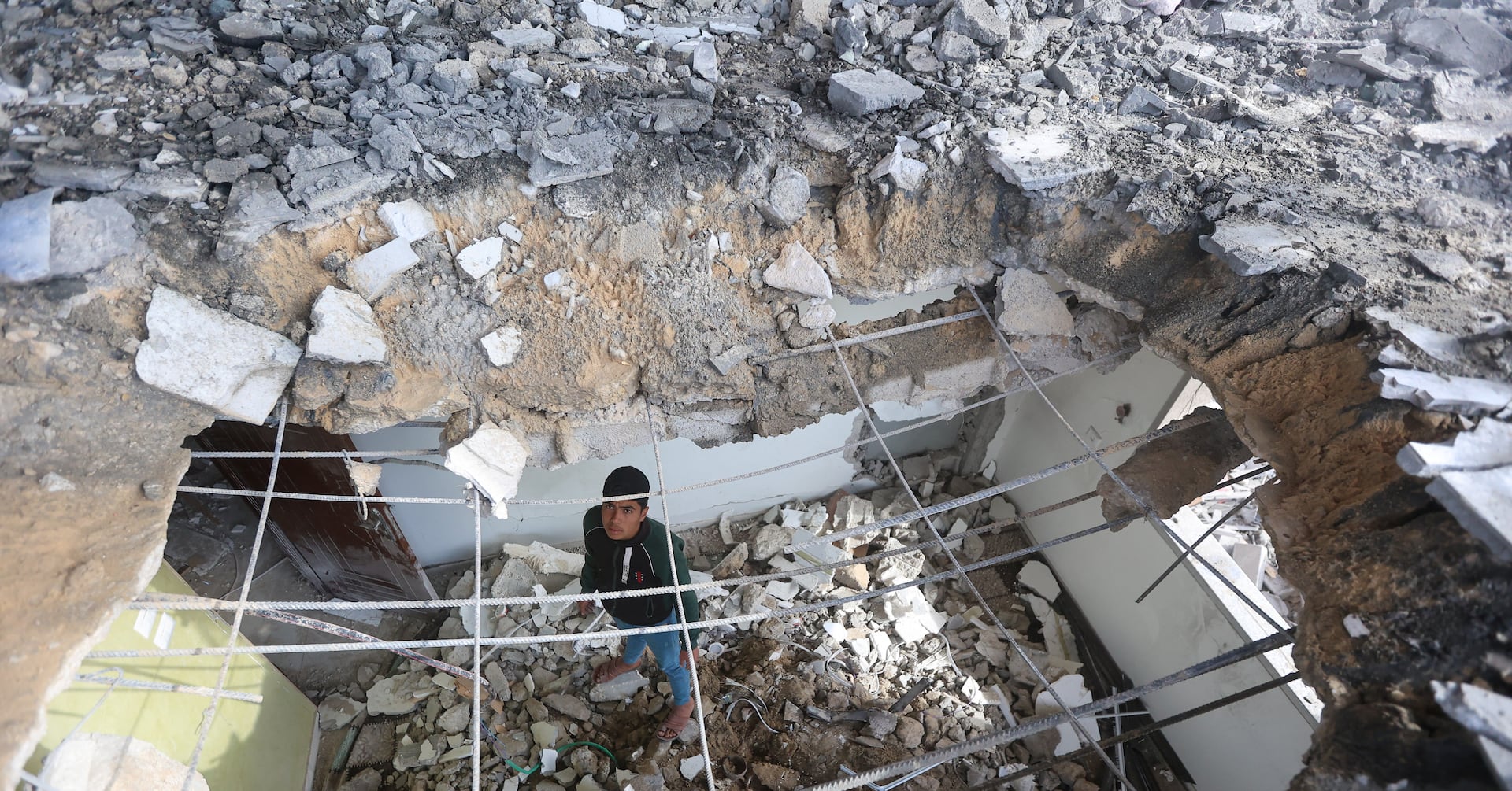
Israel's allies, including the U.S., U.K., and Germany, are facing mounting pressure to suspend arms sales following allegations of war crimes and potential genocide in Gaza. Legal experts emphasize the international Arms Trade Treaty, which requires a risk assessment of arms transfers to prevent violations of international humanitarian law. The International Court of Justice's interim judgment on the risk of genocide in Gaza has put Israel's allies on notice, prompting concerns about potential criminal liability and legal jeopardy for supplying arms. While a definitive ruling on genocide is likely years away, the tangible consequences for states could include orders to take remedial action, such as paying financial reparations, although enforcement of such orders remains unclear.
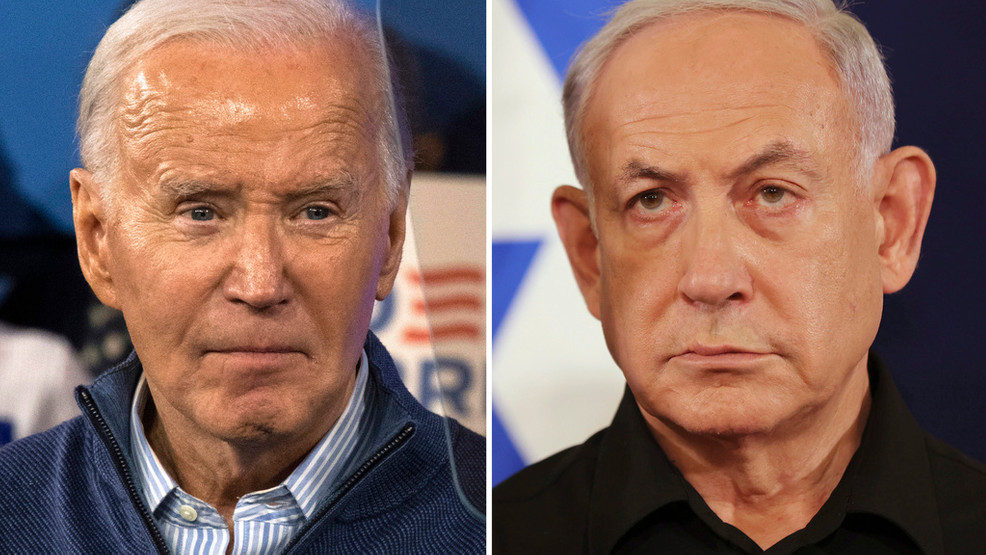
As Israel marks six months since a Hamas attack near the Gaza border, support for Israel from the U.S. and the international community is waning. President Biden threatened to withhold future military aid unless Israel ensures the flow of humanitarian aid into Gaza and the safety of aid workers. The White House and humanitarian groups accuse the Israeli military of targeting aid workers, with concerns over a potential ground invasion of Rafah. Former President Trump also expressed concerns about Israel's handling of the conflict, warning that the country is losing support and needs to "get the job done" and move towards peace.
As Israel marks six months since a Hamas attack near the Gaza border, support for Israel from the U.S. and the international community is waning. President Biden threatened to withhold future military aid unless Israel ensures the flow of humanitarian aid into Gaza and the safety of aid workers. Humanitarian groups accuse the Israeli military of targeting aid workers, and there are concerns about a potential ground invasion of Rafah. Former President Trump also expressed concerns about Israel's handling of the conflict, stating that they are losing support and need to "get the job done" and move towards peace.
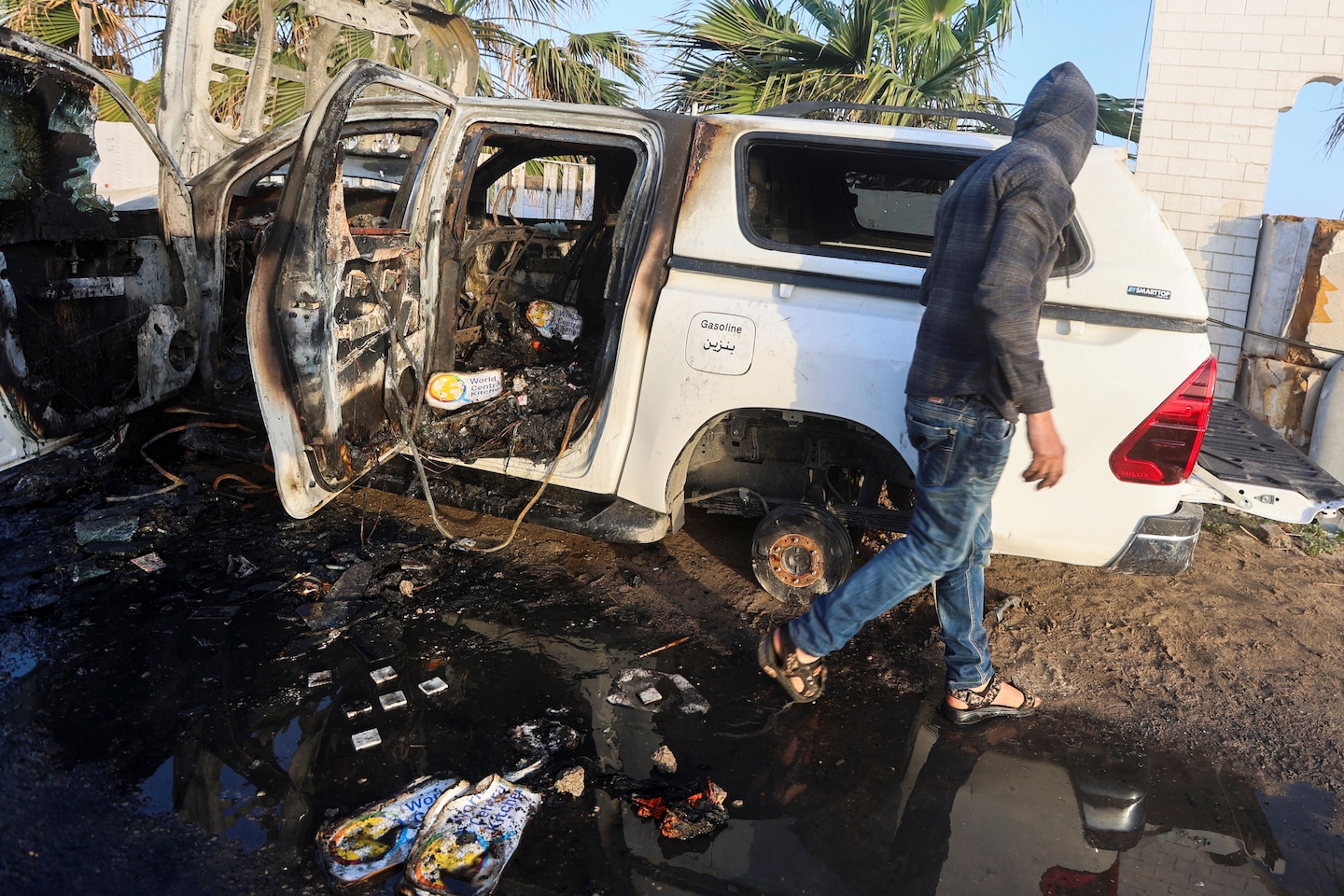
The Biden administration approved the transfer of thousands more bombs to Israel on the same day Israeli airstrikes in Gaza killed seven aid workers for the charity group World Central Kitchen, despite growing calls for the United States to condition such support on greater protection for civilians in the war zone. The move has sparked global condemnation and raised questions about the administration's commitment to humanitarian concerns in the region.
Three U.N. technical observers and a translator were wounded in southern Lebanon near the border town of Rmeish, with the U.N. peacekeeping mission stating that the incident was caused by an explosion. While two security sources claim it was the result of an Israeli strike, the Israeli military denies hitting a vehicle belonging to UNIFIL. UNIFIL is investigating the origin of the explosion and has not attributed it to Israel, emphasizing the need for all actors to protect non-combatants and cease heavy exchanges of fire. The incident comes amid escalating hostilities between Israel and Lebanon, with recent deadly airstrikes and rocket attacks, as well as previous incidents involving UNIFIL patrols and journalists.
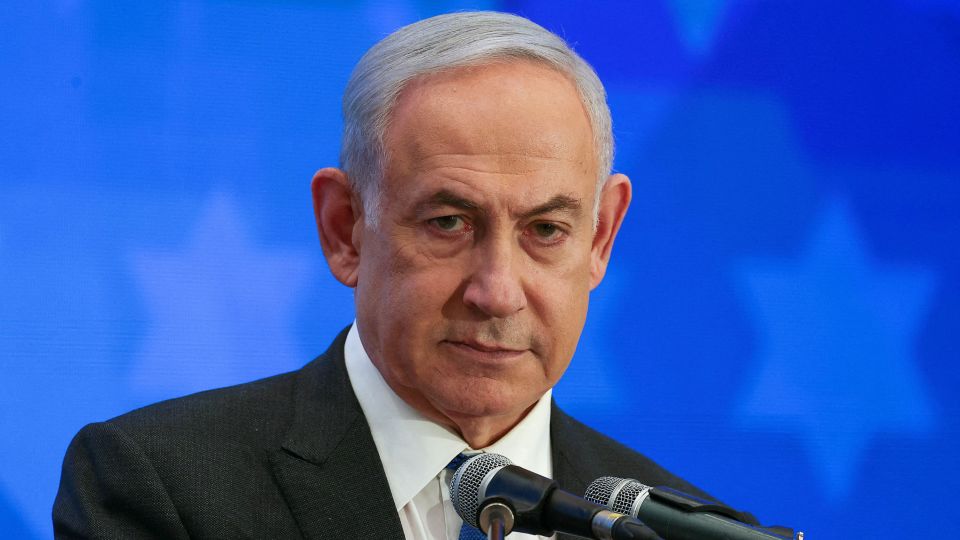
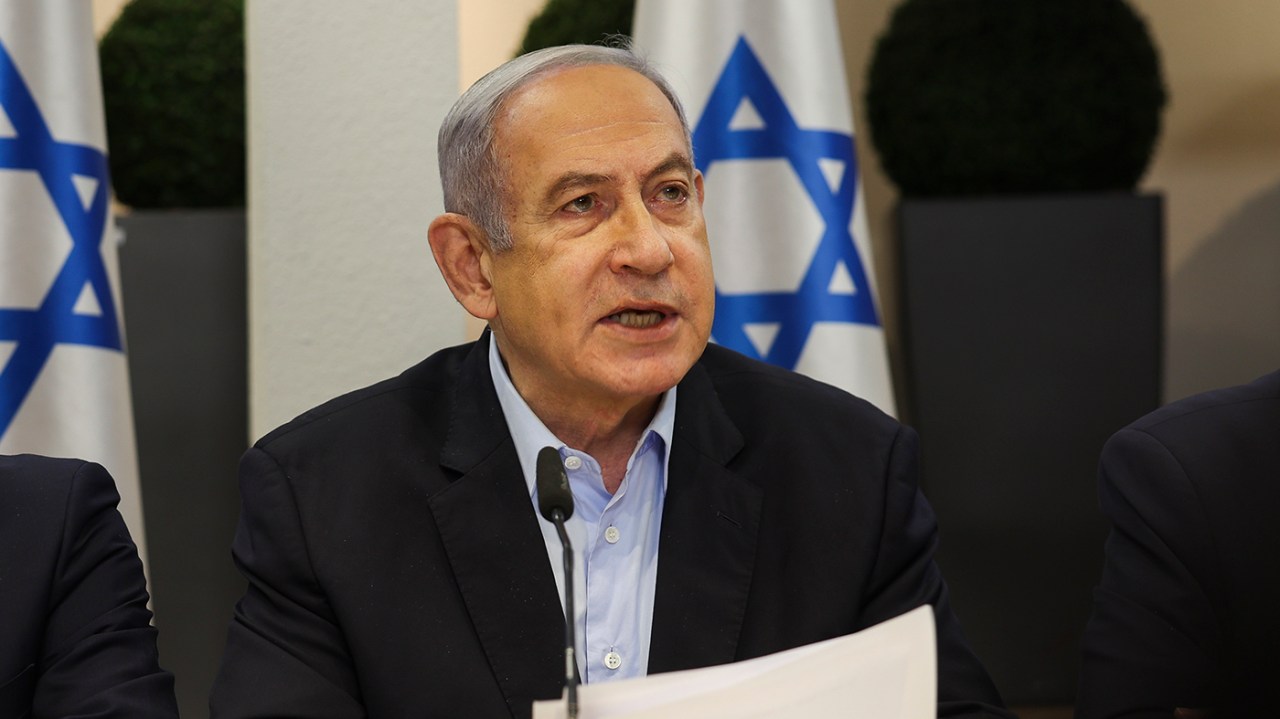
Israeli Prime Minister Benjamin Netanyahu told a group of US members of Congress that victory in Gaza and getting Hamas' senior leadership in Rafah are just a few weeks away, emphasizing the country's "very existence" being on the line. Disagreements over the impending invasion of Rafah and the worsening humanitarian disaster in Gaza have strained relations between Netanyahu and US President Joe Biden, leading to the cancellation of a planned government delegation to Washington. US officials have urged Israel to find an alternative option to a major assault on Rafah, which would endanger civilians and exacerbate suffering.
Israeli Prime Minister Benjamin Netanyahu told a group of US members of Congress that victory in Gaza and getting Hamas' senior leadership are just a few weeks away, emphasizing the country's "very existence" being on the line. Disagreements over the impending invasion of Rafah and the worsening humanitarian disaster in Gaza have strained relations between Netanyahu and US President Joe Biden, leading to the cancellation of a planned government delegation to Washington. The US has urged Israel to find an alternative option to a major assault on Rafah, which would endanger civilians and exacerbate the suffering there.
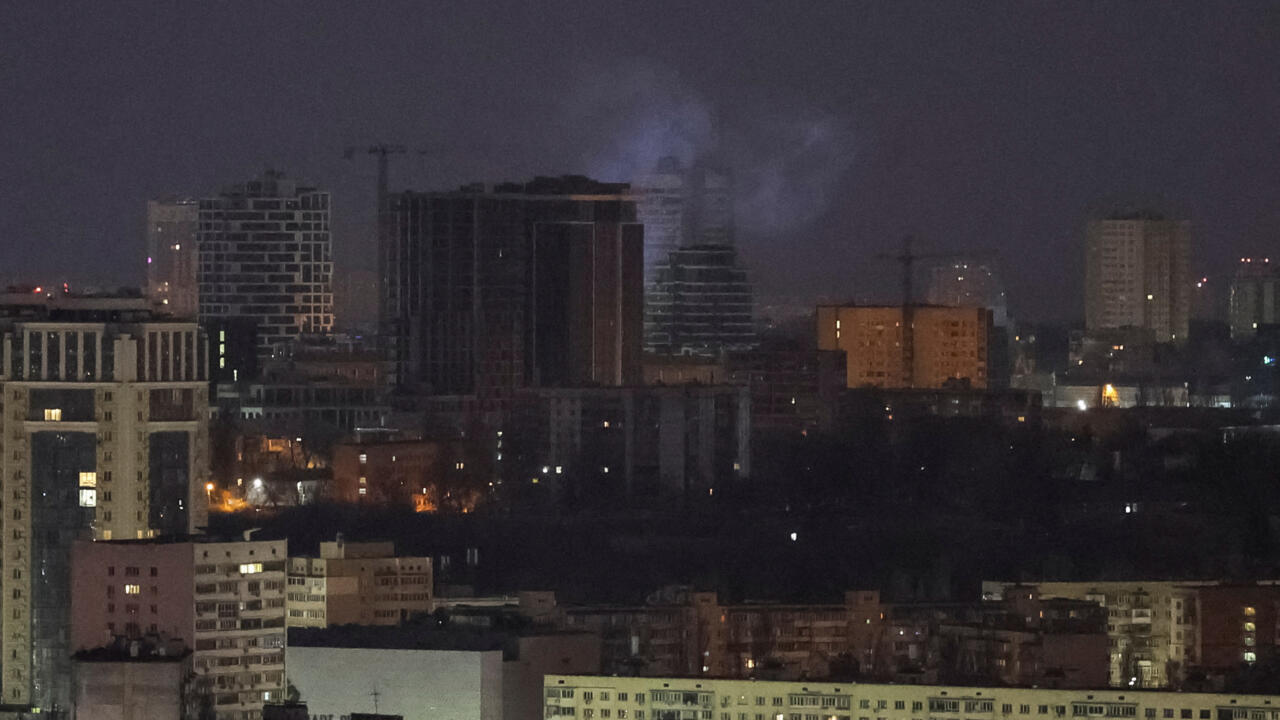
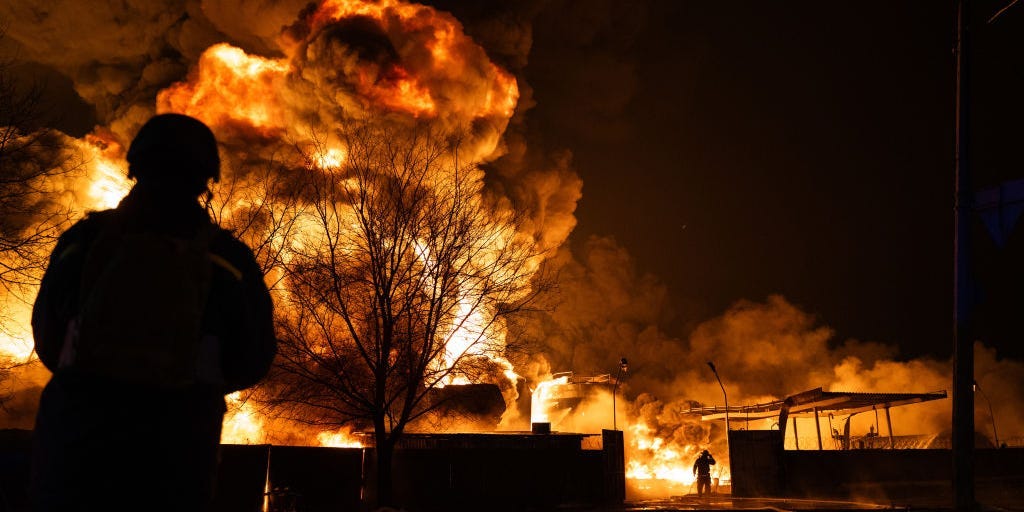
Ukraine's capital Kyiv and western region of Lviv were hit by a "massive" Russian air attack, with Poland also reporting a violation of its airspace, prompting heightened readiness. The attacks come amid increased aerial assaults between Russia and Ukraine, with casualties reported and infrastructure targeted. Poland demands an explanation from Moscow over the airspace violation, while both countries continue to escalate their air attacks. Russia has also made territorial gains and accused Ukraine of involvement in a recent concert hall attack, a claim strongly denied by Kyiv and the United States.
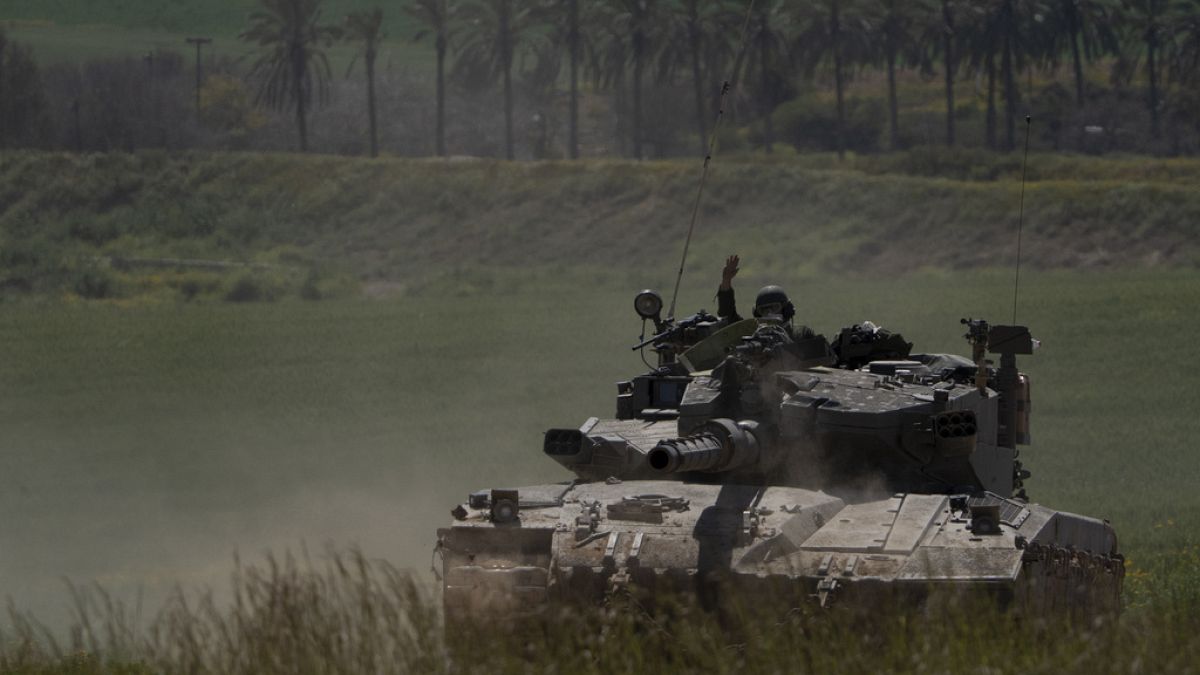
Israeli Prime Minister Benjamin Netanyahu stated that Israel will take action in Rafah, with or without U.S. support, in the ongoing conflict with Hamas. U.S. Secretary of State Antony Blinken warned Israel against a major ground operation in Rafah, emphasizing the need for a coherent plan and expressing concerns about a deepening humanitarian crisis in Gaza. President Biden has committed to providing aid to Gaza and has cautioned against an Israeli operation in Rafah without a plan for evacuating civilians. Netanyahu has approved a military plan for a ground offensive in Rafah and is working on ensuring civilian evacuation and aid delivery into Gaza.
The Kremlin has acknowledged that Russia is in a "state of war" in Ukraine due to the West's intervention and support of its neighbor, marking a shift from its previous designation of the conflict as a "special military operation." This change in language allows Russian authorities to make decisions associated with a war and demand internal mobilization. Despite this acknowledgment, Russia still legally qualifies its actions in Ukraine as a "special military operation" domestically, while continuing to occupy almost a fifth of Ukraine, including Crimea, and facing ongoing conflict with Kyiv over the annexation of regions.
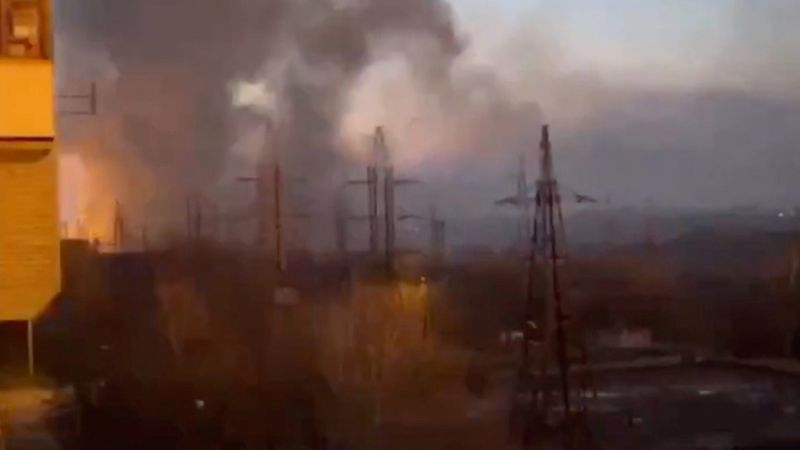
Russia launched a massive missile and drone attack on Ukraine's energy infrastructure, leaving over 1 million households without electricity in at least 10 regions. The attack targeted power supplies in multiple towns and cities, including Kharkiv, Odesa, and Kryvyi Rih. The strikes caused significant damage to Ukraine's largest hydroelectric power complex and coal mines, resulting in three deaths and several injuries. Ukrainian President Zelensky called for more support from allies, particularly US-made Patriot air defense systems, as the conflict escalates.
Israeli Prime Minister Netanyahu told U.S. Secretary of State Blinken that Israel is prepared to continue its war against Hamas alone, despite U.S. support, and plans to push into Rafah. Israel claimed to have killed or captured hundreds of Hamas fighters in a five-day operation at the Al Shifa hospital complex, while Gaza health authorities deny fighters were present there. The U.S. is urging Israel to allow more aid into Gaza, where mass death from famine is imminent, and is working on securing a ceasefire in the conflict.
Israeli Prime Minister Benjamin Netanyahu is determined to proceed with a ground offensive in Rafah despite warnings from US President Joe Biden and concerns from international organizations about the potential humanitarian impact. The US has cautioned against the operation, emphasizing the risk to innocent Palestinians, while UN officials have warned of a potential massive death toll and the collapse of humanitarian aid efforts. Tensions between Israel and the US have escalated, with Netanyahu asserting that Israel will prioritize its safety. Meanwhile, Palestinian casualties continue to rise, with mourners gathering for the funeral of individuals killed in Israeli attacks, and concerns about famine looming in northern Gaza.