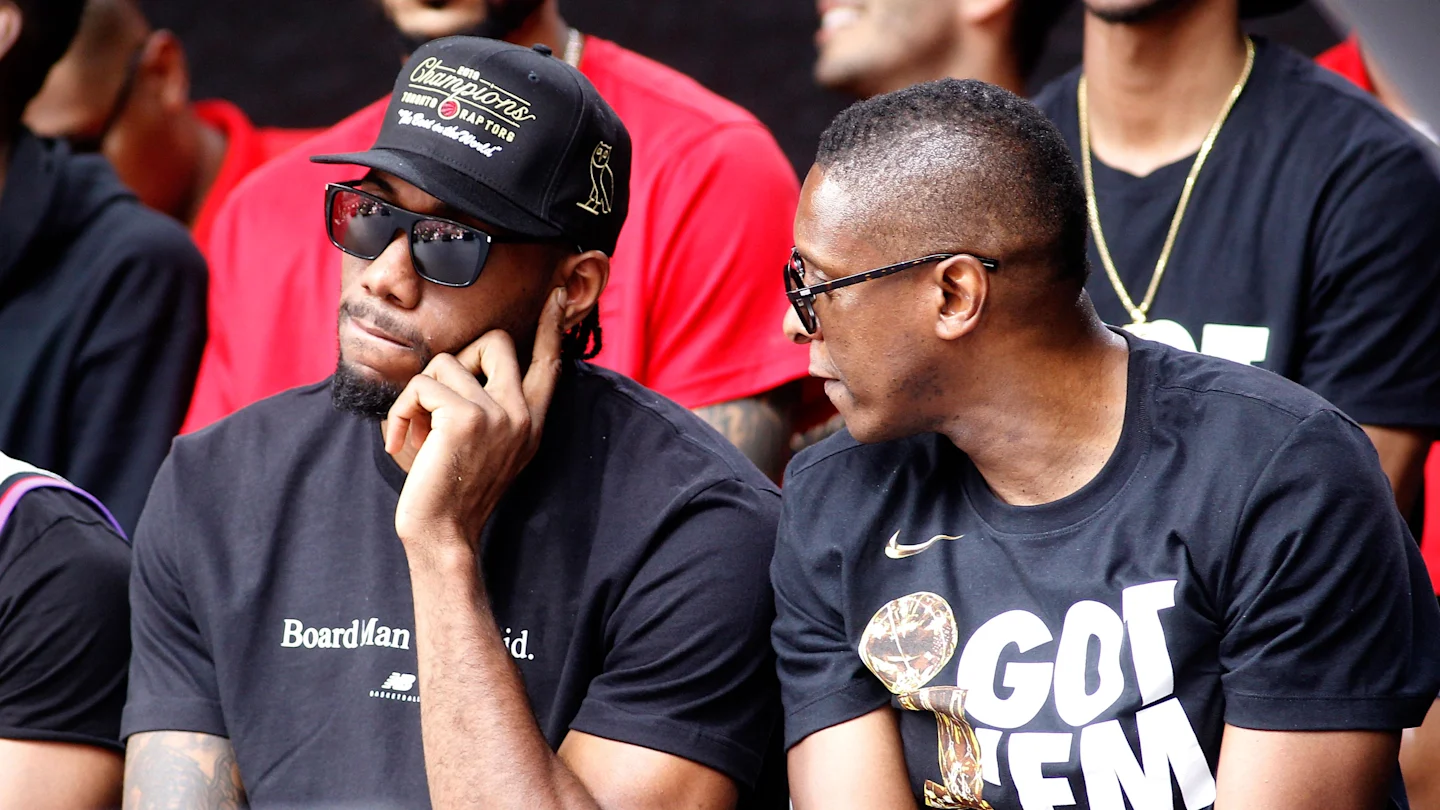
In 2019, Kawhi Leonard's negotiations with the Raptors involved his uncle making outrageous demands, including ownership stakes and large sponsorship deals, which the Raptors declined. Leonard ultimately signed with the Clippers, but the negotiations revealed the absurdity of some of his demands.
U.S. President Donald Trump was close to walking out of talks with Vladimir Putin in Alaska after Putin made extensive demands regarding Ukraine's regions, but Putin later backed off these demands, according to Axios.
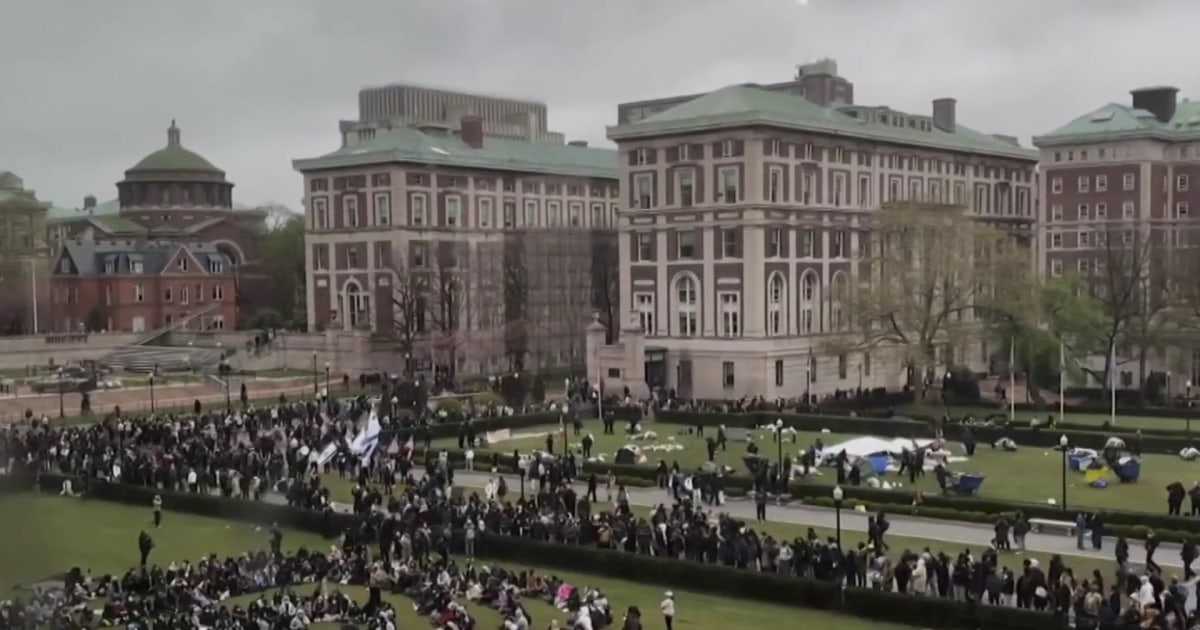
Universities are responding to student protests with a firm stance, stating that they have "had enough" and are taking action to address student demands for change within higher education institutions. The protests have highlighted issues such as racial inequality, rising tuition costs, and lack of support for mental health services, prompting universities to acknowledge the need for reform and commit to addressing these concerns.
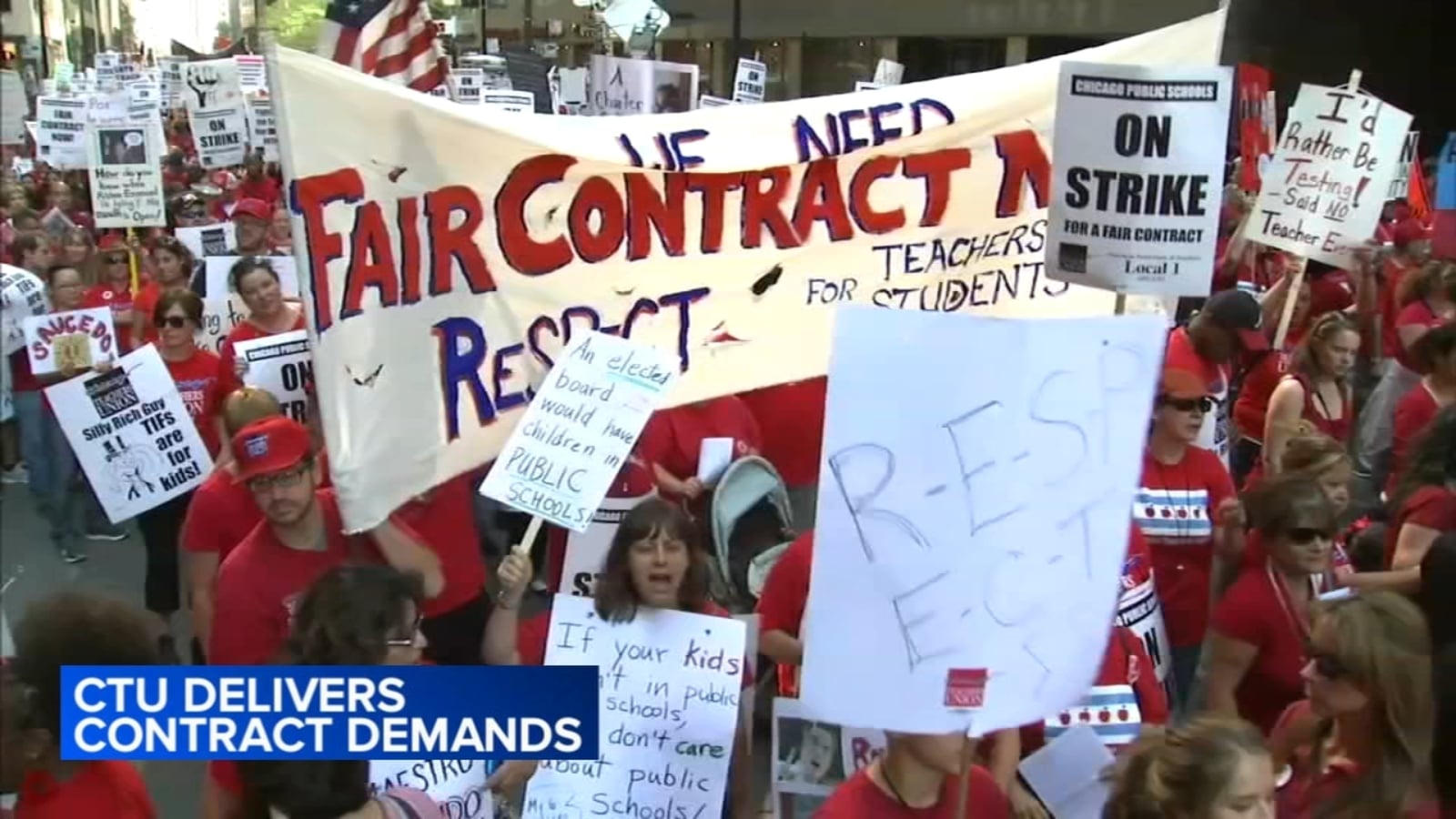
The Chicago Teachers Union has delivered a list of demands to Chicago Public Schools as contract negotiations begin, aiming to transform the school system by including affordable housing, dual language programs, fully funded special education services, and more. Despite the district facing a $391 million deficit and COVID funds drying up, the union is pushing for these changes, while CPS CEO Pedro Martinez is hopeful for additional state funding. With a CTU-friendly mayor, the negotiations are not expected to lead to a strike, but the city's response to the demands remains uncertain.
Russia demands the extradition of individuals connected to terrorist acts in Russia, including the head of Ukraine's SBU Security Service, following violent incidents that Russia claims have ties to Ukraine since the 2022 invasion. Ukraine rejects the demand as "pointless" and highlights an international arrest warrant against Russian leader Vladimir Putin. The two countries continue to exchange accusations regarding terrorist activities and deny involvement in recent violent events, including the mass shooting at a concert hall outside Moscow.
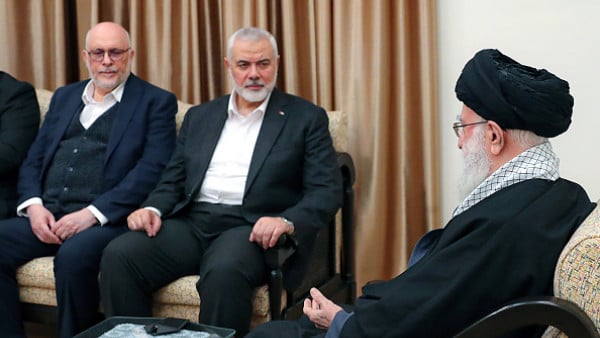
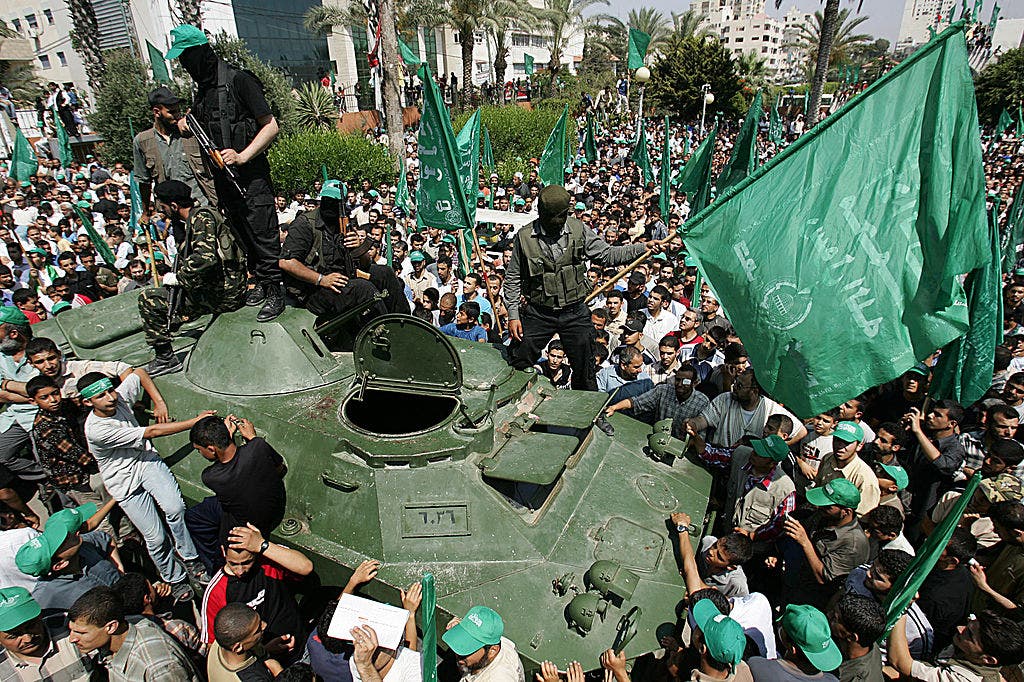
Hamas and the Palestinian Islamic Jihad have outlined four demands for successful ceasefire negotiations with Israel, including a complete halt to aggression, full withdrawal of Israeli forces from Gaza, freedom of return for displaced people to the northern Gaza Strip, and the entry of aid to meet the needs of the population. They also emphasized the release of Israeli captives as part of a potential prisoner exchange deal. Despite initial resistance, Israeli Prime Minister Benjamin Netanyahu has authorized negotiators to resume talks, while both Hamas and PIJ reject any political projects or steps that do not align with the will of the people and its resistance.
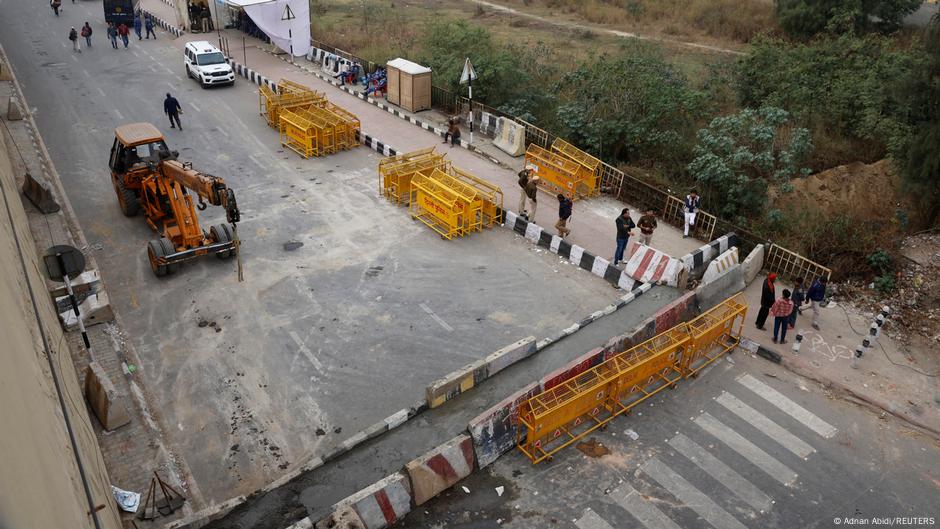
Indian police have set up barricades on major highways in anticipation of a planned "March to Delhi" by farmers demanding better crop prices, pensions, and loan forgiveness. The farmers, who form a significant voting bloc in India, have been discontent with the government's agricultural reforms and the stresses of poverty, debt, and climate change. The Samyukta Kisan Morcha expressed anger at the barricades and called for strikes to press for their demands, while refraining from participating in the planned march on Tuesday.
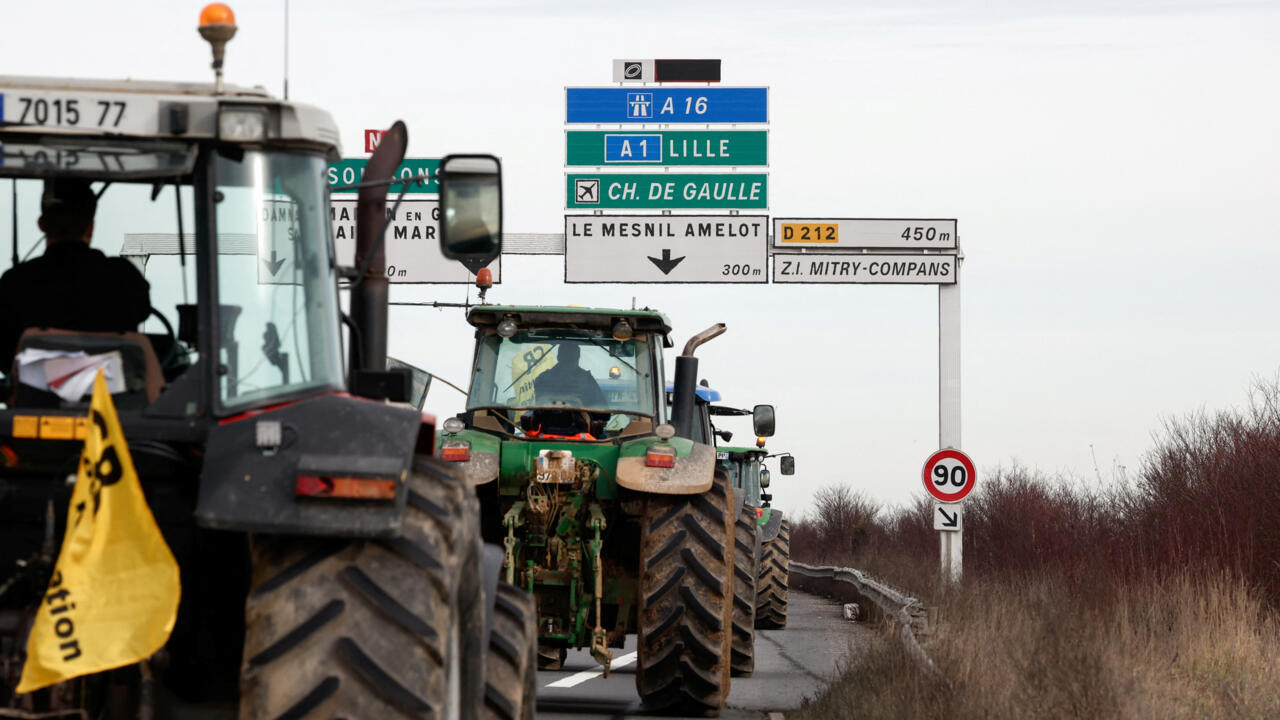
French farmers intensified their protests by blocking motorways around Paris, demanding better working conditions, higher pay, and less environmental regulation. The government mobilized 15,000 police and gendarmes in response, aiming to prevent damage to key infrastructure. Similar protests have also emerged in Belgium and other European countries, with farmers expressing frustration over falling wages, red tape, and unfair competition.
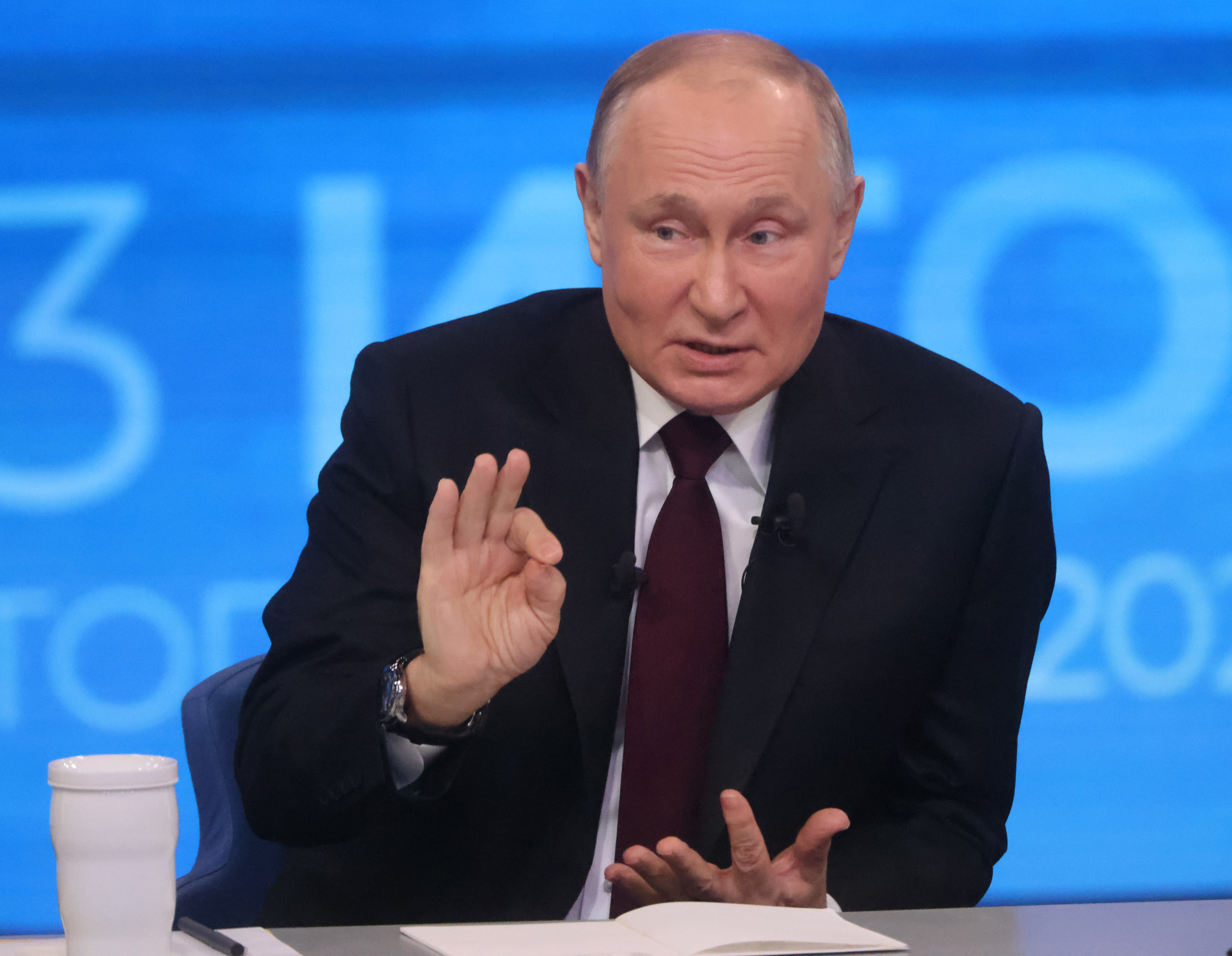
Russian President Vladimir Putin stated that Russia will continue its war against Ukraine until it achieves "denazification," "demilitarization," and Ukraine's neutrality. Putin emphasized that these demands are non-negotiable and that the conflict will only end if his goals are met or if Ukraine accepts a deal that fulfills them. He warned that if Ukraine refuses to reach an agreement, including the demilitarization of Ukraine, Russia may resort to military measures. Ukrainian President Volodymyr Zelensky has insisted that negotiations cannot take place until all Russian-occupied territory is returned to Ukraine's control. Putin blamed Western influence and Ukraine's desire to join NATO for the war, urging the United States to seek a peaceful resolution instead of relying on sanctions and military intervention.
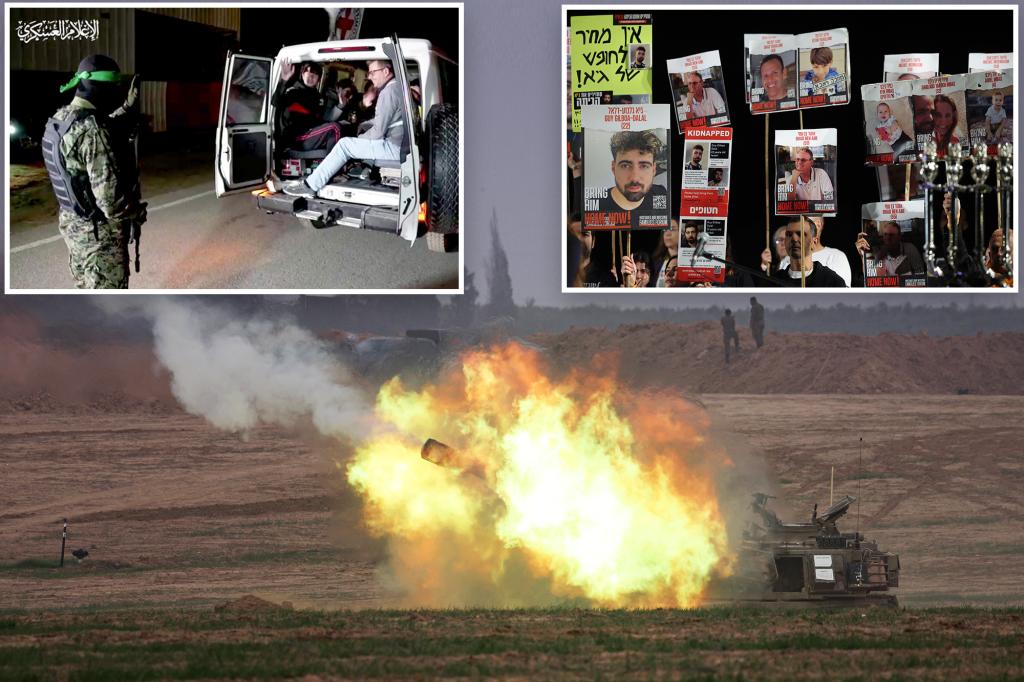
Hamas, the Iran-backed terrorist organization, has threatened that no hostage will leave the Gaza Strip alive unless their demands, including additional aid for Gaza, are met. This warning comes after a temporary cease-fire agreement between Israel and Hamas ended, leading to renewed fighting. Israeli Prime Minister Benjamin Netanyahu has called for Hamas fighters to surrender, stating that dozens have already done so. Netanyahu's office reported that Hamas still holds 117 hostages and the remains of 20 people killed during an attack in October, with the militants hoping to exchange them for Palestinian prisoners held by Israel.
Hamas has threatened to kill all remaining hostages unless its demands, including more aid for Gaza and prisoner exchanges, are met. The Palestinian terror group is still holding the bodies of 20 hostages who died in captivity. Israel believes at least 20 hostages taken by Hamas have died in captivity. The war between Israel and Hamas has resumed after failed negotiations, with Israel claiming to have destroyed thousands of Hamas targets. The US Secretary of State, Antony Blinken, has urged Israel to do more to avoid civilian casualties and called on Congress to pass a $100 billion aid bill for Israel and other national security necessities.
Released hostages and their families held a rally in Tel Aviv, urging the war cabinet to meet with them and push for the release of all remaining hostages. Hadas Calderon, whose children were recently released, described their captivity as a shocking reality beyond imagination. Elena Trupanov, freed with her mother, expressed gratitude and called for the return of all captives. Yifat Zailer, cousin of Shiri Bibas, conveyed a message of resilience from the Bibas family. The hostages' headquarters demanded an immediate meeting with the war cabinet, emphasizing the urgent danger to the captives' lives. Simultaneously, protests calling for Prime Minister Benjamin Netanyahu's resignation were held in Caesarea and Haifa.
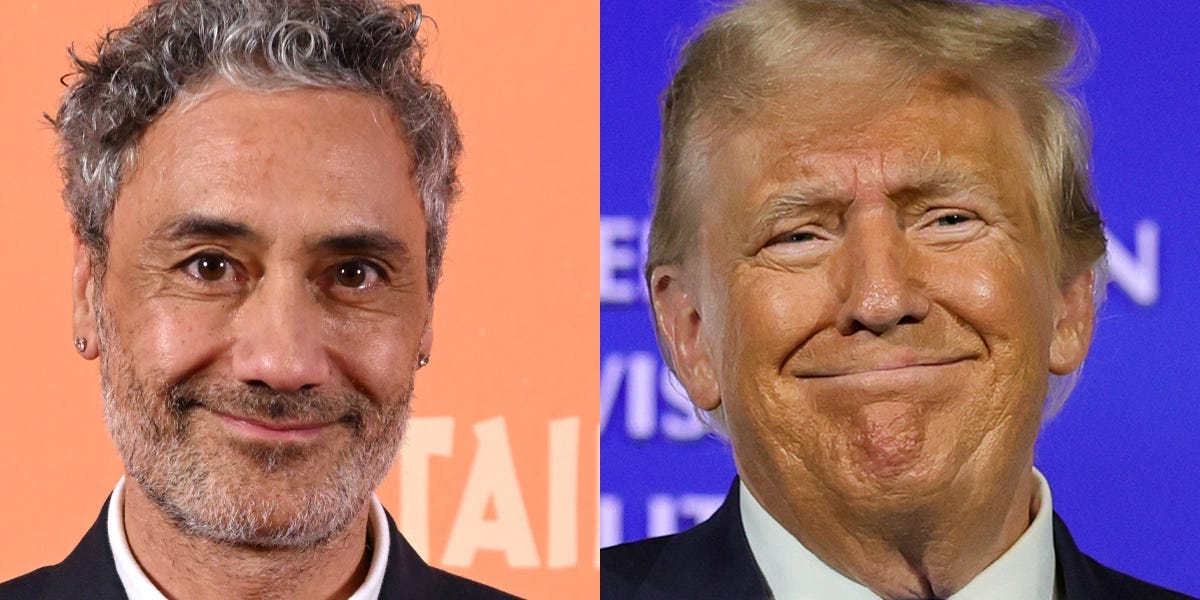
Director Taika Waititi revealed that former President Donald Trump had a "list of demands" for a Super Bowl commercial he appeared in, including insisting on a camera angle that made him look "a little thinner." Waititi also mentioned Trump's makeup artist, who acted as his "ego booster." The director shared these details during an episode of the "SmartLess" podcast.
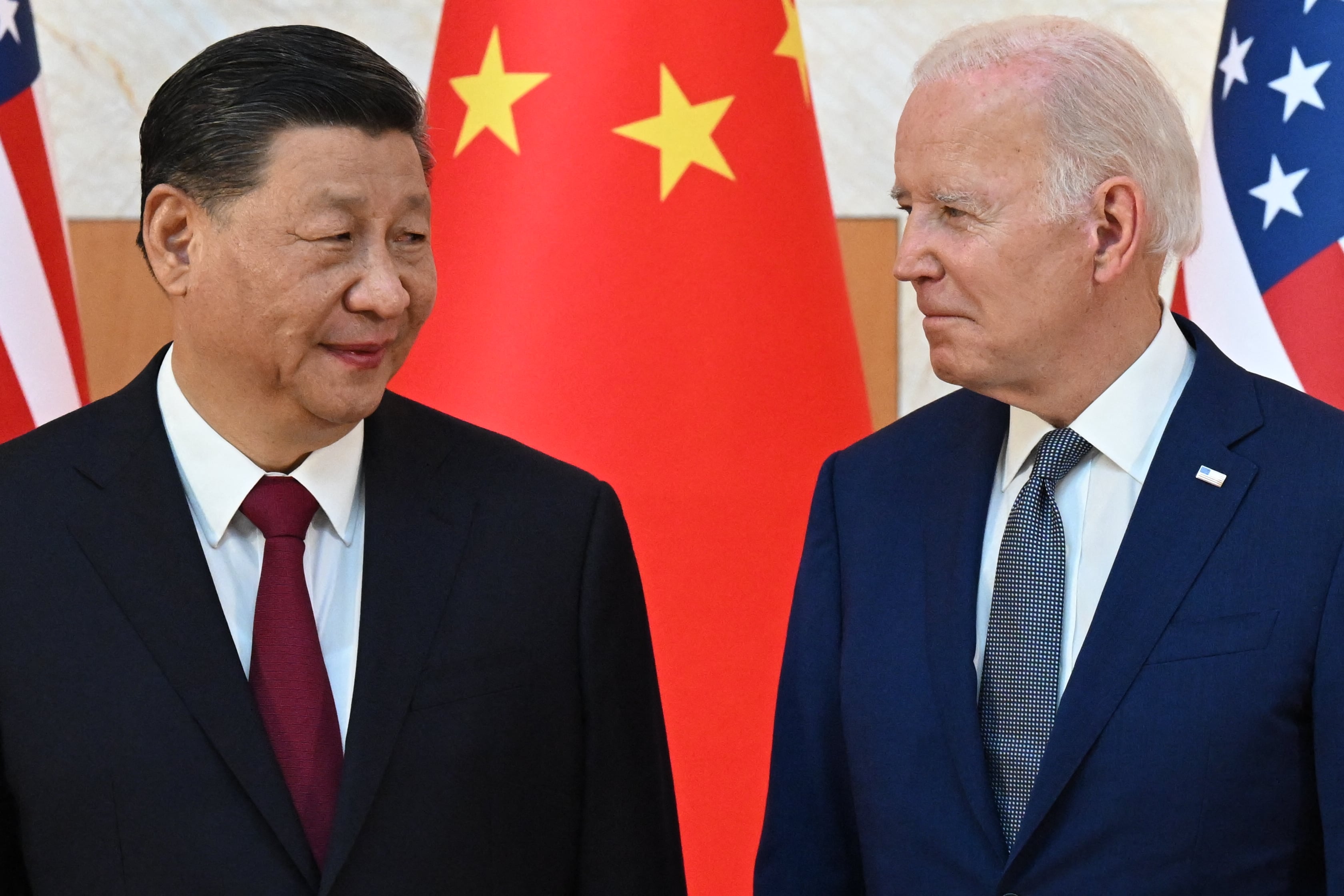
China has presented the United States with a list of demands ahead of their upcoming nuclear arms control talks, which will be the first in years. Tensions between the two countries have been high due to various issues, including Washington's support for Taiwan and disputes over U.S. military presence in the Indo-Pacific. China, with one of the largest nuclear arsenals, has expressed concerns about the potential for armed conflict and has outlined its need to build a more powerful nuclear arsenal for national security. The talks are not expected to focus on limiting nuclear arsenals but will provide an opportunity for the State Department to learn more about China's nuclear plans.
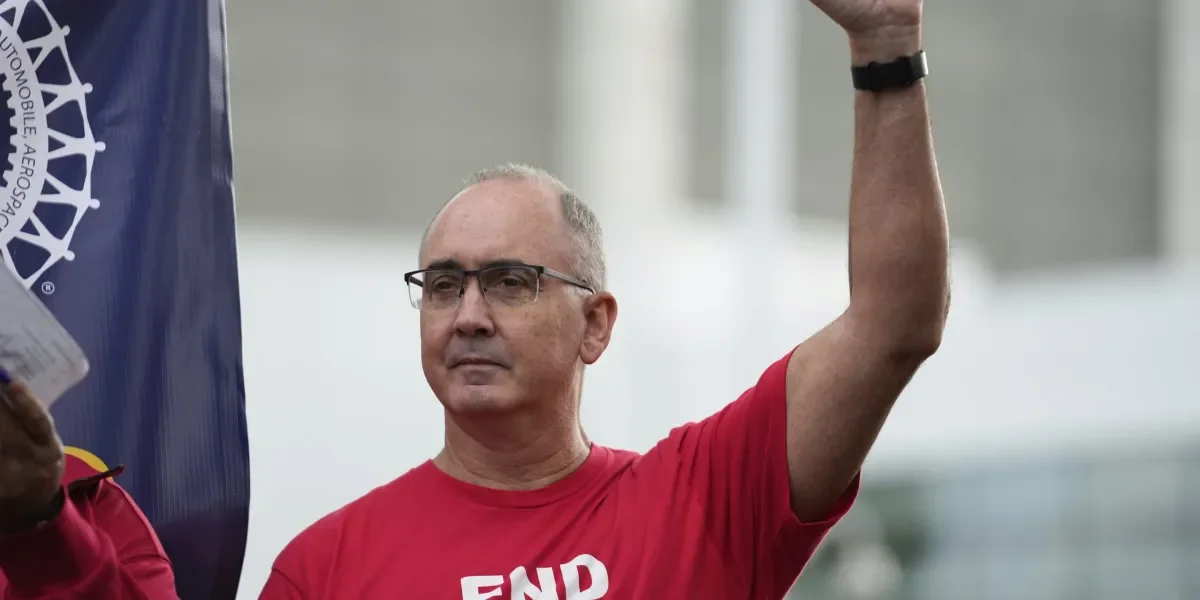
As the United Auto Workers (UAW) strike against Detroit's automakers enters its fifth week, some analysts and striking workers are questioning whether UAW President Shawn Fain has a clear plan to end the strikes. Fain has made audacious demands for better pay, benefits, and an expansion of the UAW to non-union rivals. While the strikes have resulted in some successes, such as higher pay offers and restored benefits, Fain's high expectations risk disappointing union members if a deal falls short. The companies remain uncertain about Fain's endgame and worry that his demands could jeopardize their ability to invest in the future.