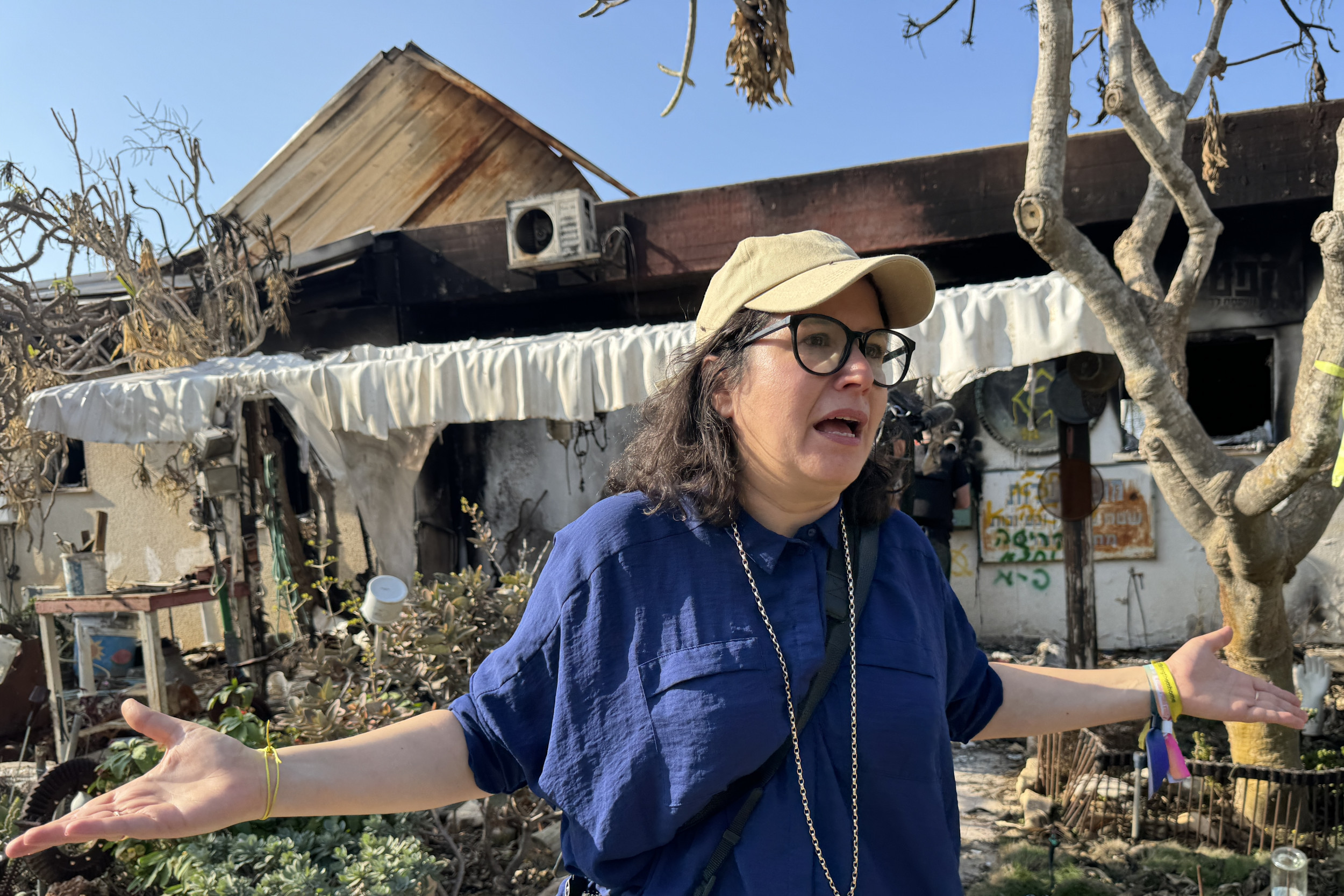
The article details how Israel's grassroots hostage families group evolved from a local support network into a powerful international lobbying force, advocating for the return of Israeli hostages held in Gaza amid ongoing conflict, and highlights their efforts, challenges, and the emotional toll of the crisis.
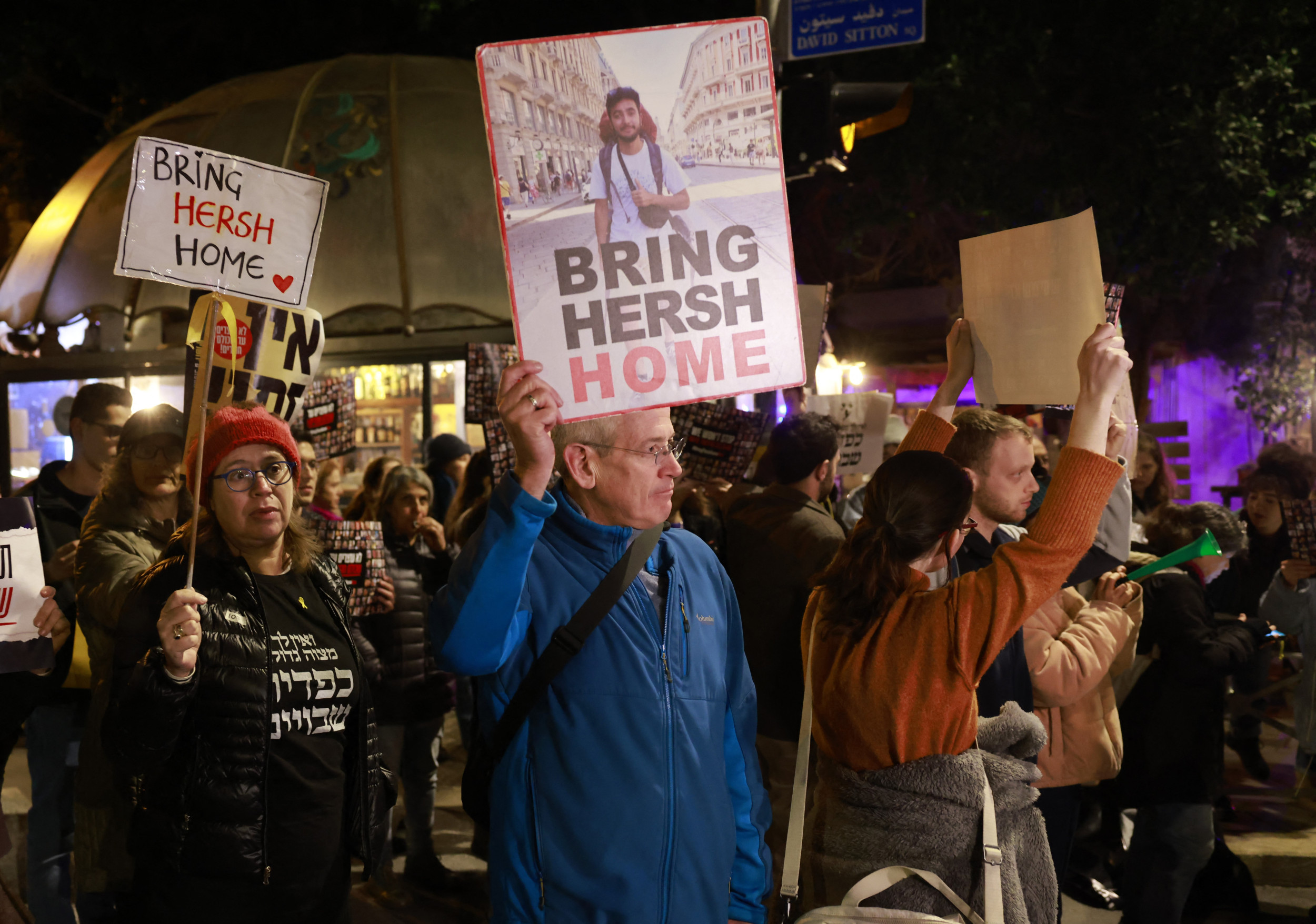
Israeli actress Gal Gadot visited Hostages Square in Tel Aviv to show support for families of hostages held by Hamas, amid nationwide protests demanding a ceasefire and hostage release, highlighting ongoing tensions and public pressure on the Israeli government.
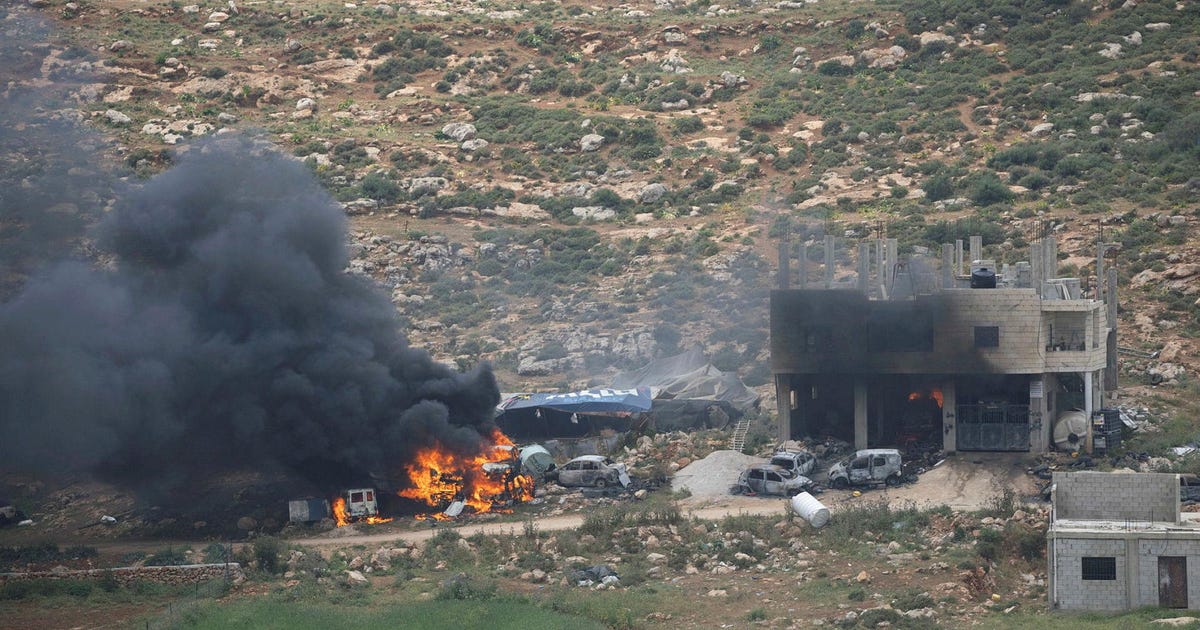
The Israeli army reinforces its presence in the West Bank following the murder of a missing Israeli teen and settler rampages, while families of hostages held by Hamas in Gaza protest outside the Israeli army's headquarters, accusing Prime Minister Benjamin Netanyahu of sabotaging potential deals for their release. Protests against the government and for the release of hostages are expected to take place across Israel, and the New York Times editorial board calls on the U.S. to condition military aid to Israel. Additionally, a press photographer was attacked by settlers during confrontations in the West Bank.
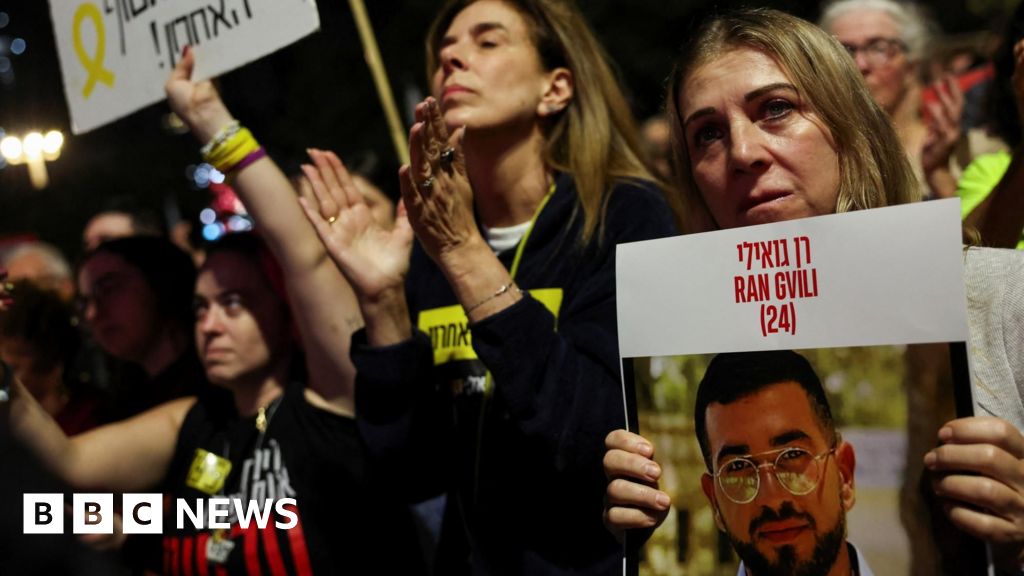
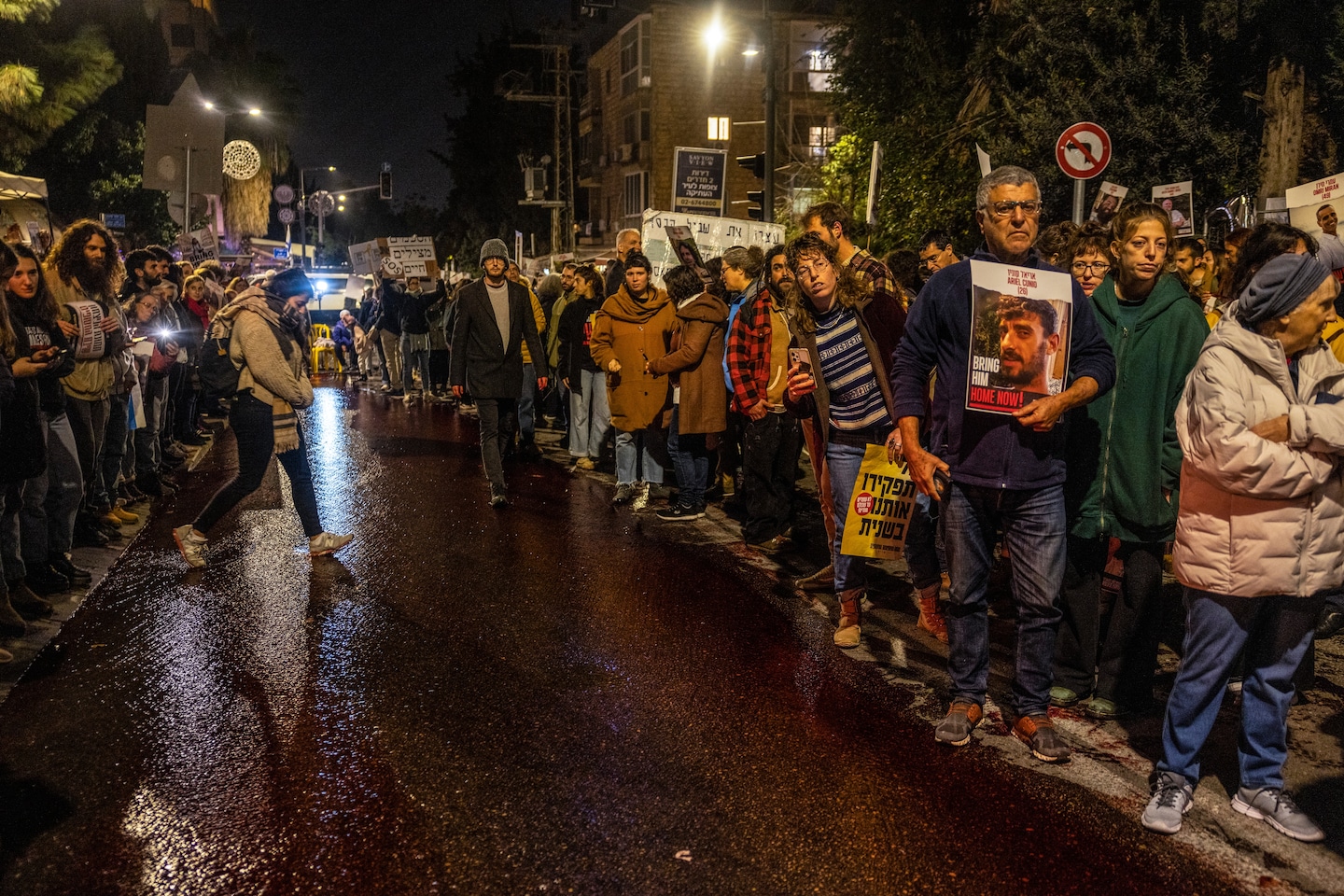
Israeli hostage families, frustrated by the lack of progress in freeing their loved ones held by Hamas, have escalated their protests, including storming committee meetings and staging hunger strikes and vigils. As the conflict with Hamas continues, the families demand immediate action to secure the release of the hostages, some of whom are believed to have died in captivity. They are also calling for a ceasefire and a new negotiated deal with Hamas, despite opposition from right-wing ministers in the Israeli government.
Families of hostages taken by Hamas stormed the Israeli parliament, demanding action to secure the release of their loved ones. The incident led to the suspension of Knesset operations and reflects growing frustration with the government's handling of negotiations. Israel believes military pressure on Hamas is necessary for successful negotiations, while the U.S., Egypt, and Qatar are pushing for a comprehensive plan to end the war and secure the release of hostages. With the IDF entering the next phase of operations in Gaza, there is concern about achieving the goal of dismantling Hamas and securing the release of hostages.
Families of the 137 hostages still held in Gaza are expressing anger towards the Israeli government and the International Red Cross for failing to prioritize the safe return of their loved ones. They believe that Prime Minister Benjamin Netanyahu and his war cabinet are not doing enough to secure the release of the hostages, while also focusing on destroying Hamas. The families also accuse the Red Cross of not fulfilling its mandate to visit and care for the prisoners. The hostages' families are demanding more action from both the Israeli government and the Red Cross to bring their relatives home.
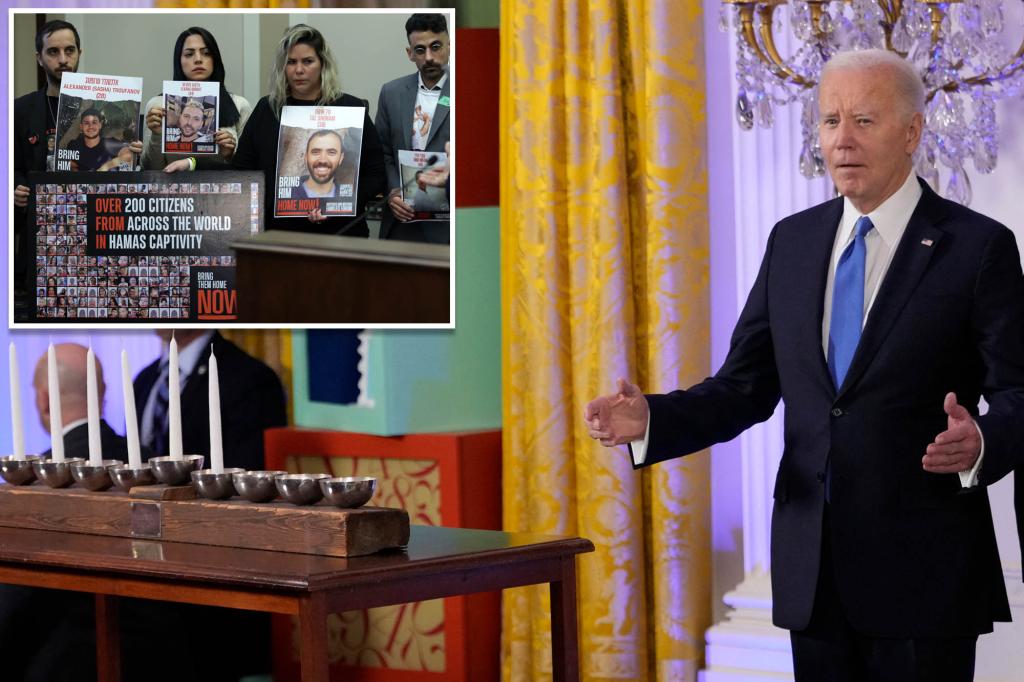
President Biden warned that public opinion can shift overnight regarding Israel's war in Gaza, as the White House faced accusations of snubbing family members of hostages held by Hamas from an 800-person Hanukkah celebration. The alleged exclusions come as Biden continues to support Israel's invasion of Gaza, potentially risking his re-election by upsetting younger, Arab, and Muslim voters. Biden expressed commitment to providing military assistance to Israel until they eliminate Hamas and emphasized efforts to secure the safe return of the hostages. He also praised Majority Leader Chuck Schumer's recent Senate speech on antisemitism.
Released hostages and their families held a rally in Tel Aviv, urging the war cabinet to meet with them and push for the release of all remaining hostages. Hadas Calderon, whose children were recently released, described their captivity as a shocking reality beyond imagination. Elena Trupanov, freed with her mother, expressed gratitude and called for the return of all captives. Yifat Zailer, cousin of Shiri Bibas, conveyed a message of resilience from the Bibas family. The hostages' headquarters demanded an immediate meeting with the war cabinet, emphasizing the urgent danger to the captives' lives. Simultaneously, protests calling for Prime Minister Benjamin Netanyahu's resignation were held in Caesarea and Haifa.
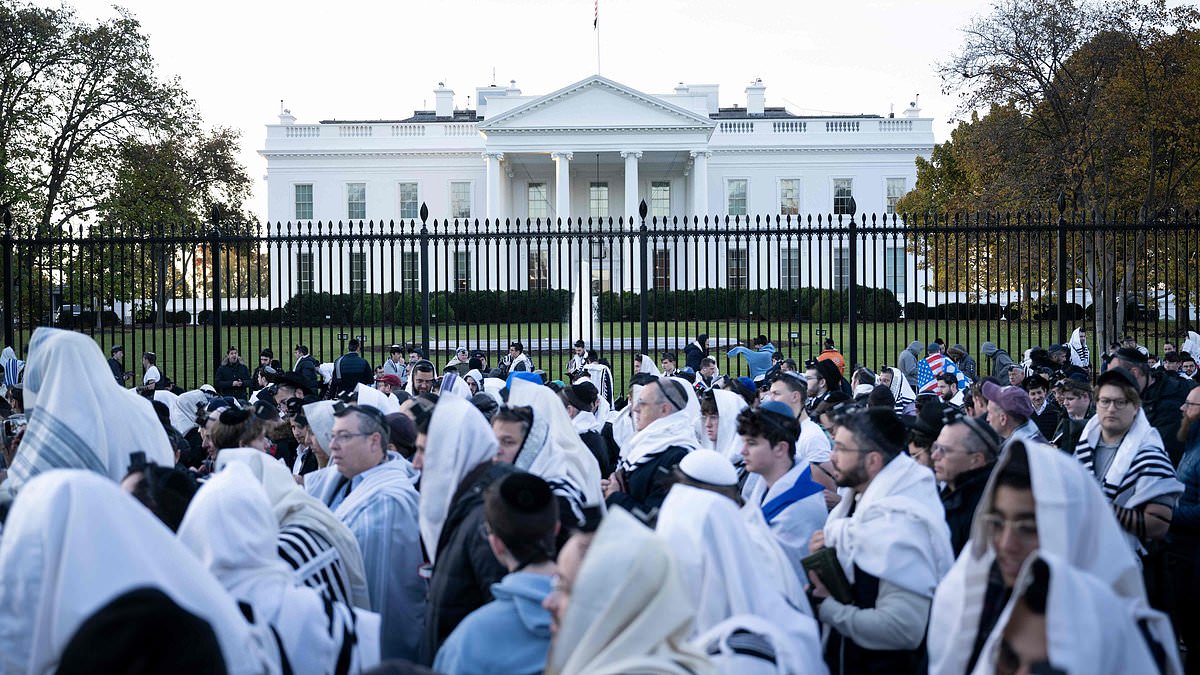
Over 200,000 pro-Israel protesters gathered in Washington DC to demand the return of hostages kidnapped by Hamas. Families of the hostages spoke at the rally, sharing their heart-wrenching stories and calling for their loved ones' safe return. The event, organized by the Jewish Federations of North America and the Conference of Presidents of Major American Jewish Organizations, aimed to show solidarity with Israel and condemn the rise of anti-Semitism. Bipartisan political leaders, including Senate Majority Leader Chuck Schumer and House Minority Leader Hakeem Jeffries, pledged their support for Israel. The rally comes amid a surge in anti-Semitic incidents in the US and ongoing tensions in the Israel-Gaza conflict.
Families of hostages are urging Israeli Prime Minister Benjamin Netanyahu to "pay whatever the price" to bring their loved ones home, as they express their frustration with the government's handling of negotiations. The families argue that the government's refusal to negotiate with terrorists has left them feeling abandoned and desperate for action. They are calling on Netanyahu to prioritize the safe return of the hostages and are willing to support any decision that leads to their release.