defenseinternational-relations1.545 min read
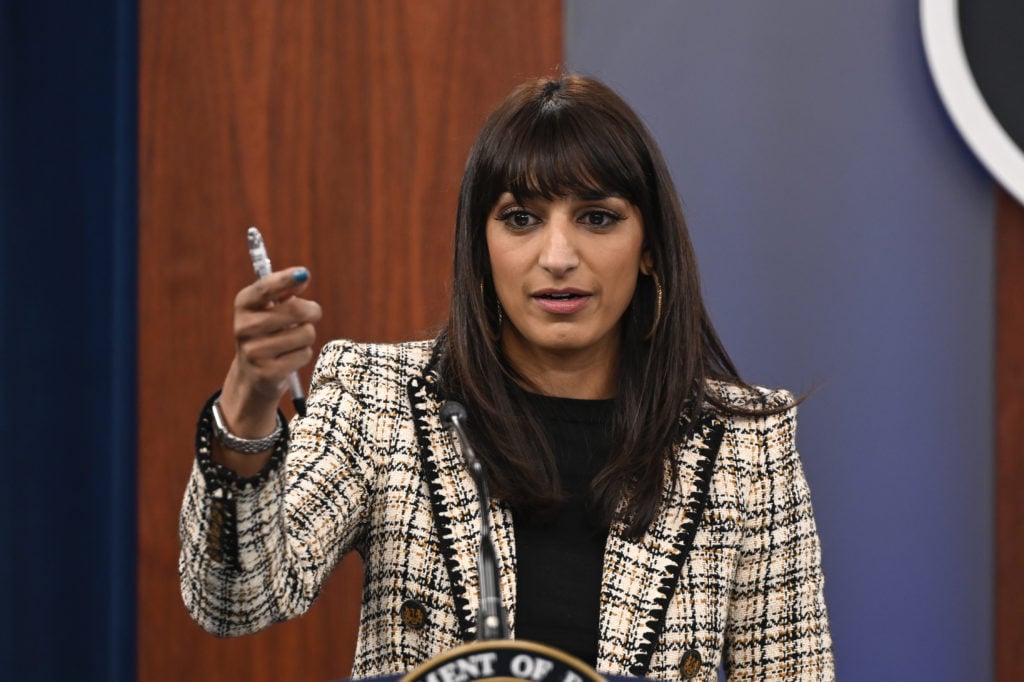
"Pentagon Confirms 'Havana Syndrome' Symptoms at 2023 NATO Summit"
1 year ago•Source: PBS NewsHour

The latest defenseinternational relations stories, summarized by AI

The newly formed naval coalition, Operation Prosperity Guardian, aims to defend Red Sea shipping from Houthi attacks originating from Yemen. However, the warships alone will struggle to address the missile and drone threat as well as piracy and hijackings. The requirements for these tasks are different, with the missile defense task requiring a line of ships along the Bab el Mandeb channel, while the piracy task needs a more dynamic approach. The success of Prosperity Guardian may require a combination of defensive measures and precise, non-escalatory counterstrikes to restore freedom of navigation in the Red Sea.

NBC News•2 years ago
ABC News•2 years ago
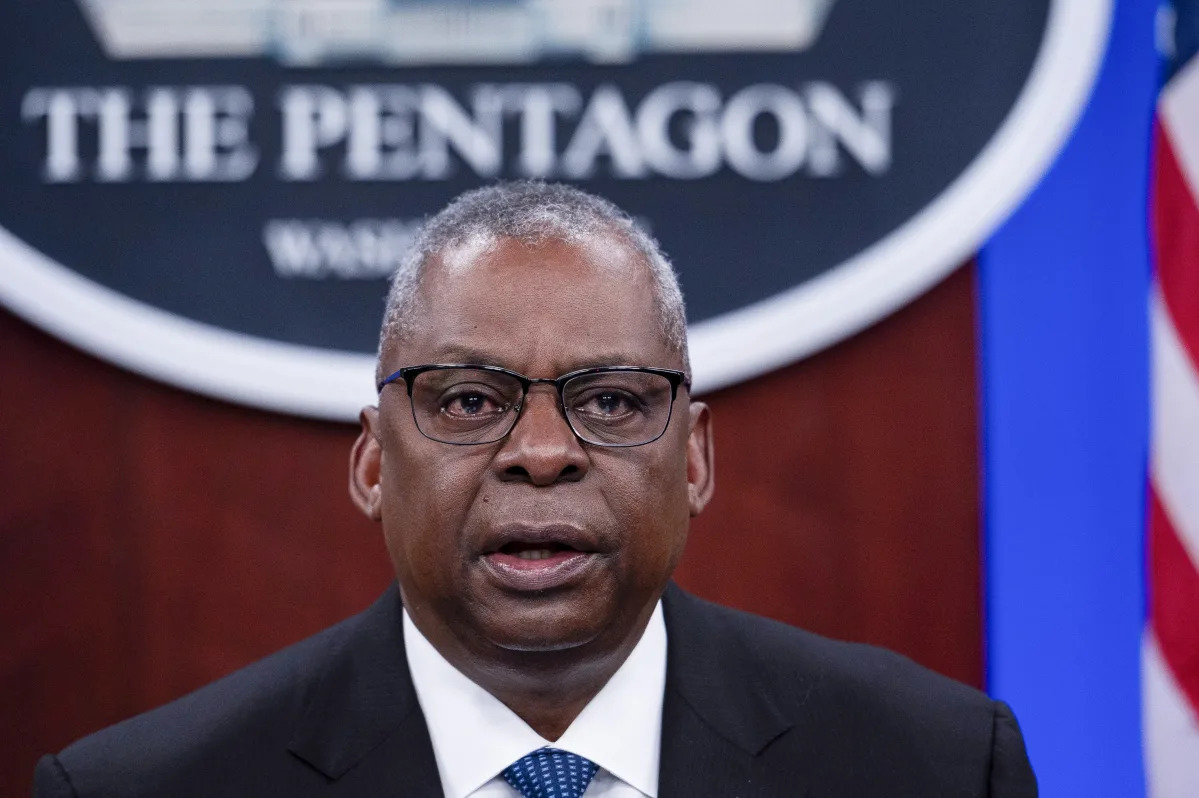
Defense Secretary Lloyd Austin denounced calls for American isolationism and emphasized the need for sustained U.S. leadership to maintain global security and prosperity. He urged Congress to end partisan gridlock and pass the federal budget and war spending. Austin defended U.S. support for Israel in its conflict with Hamas and Ukraine in its battle against Russia's invasion. He warned that the world would become more dangerous if aggressors believed they could act without consequences. Austin also highlighted the importance of passing supplemental funding for the wars and criticized the Senate's failure to confirm military nominations, which threatens readiness and national security.

Ukraine's Minister for Strategic Industries, Oleksandr Kamyshin, aims to transform Ukraine into a weapons production hub for the West, with approximately 500 companies in Ukraine's defense industry contributing to the country's efforts. Kamyshin highlights the need for countries to invest in defense systems, citing Russia's invasion of Ukraine and the Israel-Hamas conflict. Ukraine has significantly scaled up local arms production, manufacturing various types of weapons and ammunition, including drones, armored vehicles, and missiles. The industry has grown exponentially, enhancing Ukraine's capabilities to strike inside Russia. Kamyshin seeks international cooperation and joint production of weapons, with over 60 companies from the US, UK, France, Germany, Poland, Czech Republic, and Turkey expressing interest. However, Ukraine will still depend on foreign supply due to the ongoing war with Russia.
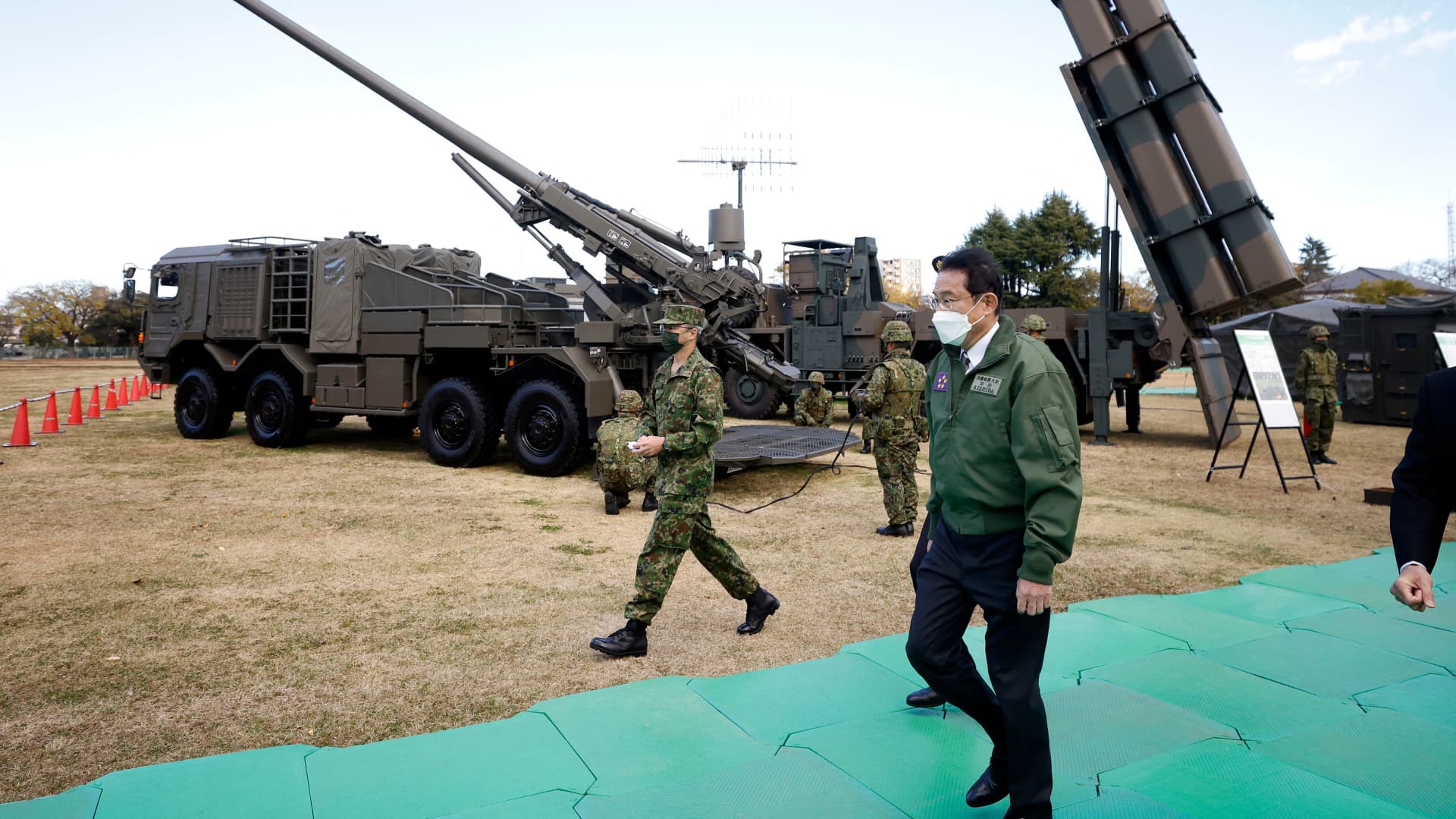
Japan is scaling back its historic five-year, 43.5-trillion-yen defense build-up due to a 10% decline in the value of the yen against the dollar. The weakening currency has forced Tokyo to reduce its ambitious defense procurement plan, which was initially calculated to cost $320 billion. Japan will begin cutting back on aircraft purchases in 2024, the second year of the build-up, due to the weak yen. The depreciation of the yen could undermine Japan's military build-up and impact its ability to deter a Chinese invasion of Taiwan.

A bipartisan panel appointed by the US Congress has recommended that the United States prepare for the possibility of simultaneous wars with China and Russia by expanding its conventional forces, strengthening alliances, and enhancing its nuclear weapons modernization program. The report raises concerns about potential coordination between China and Russia in the nuclear realm and calls for increased defense spending to address these threats. The panel also suggests deploying more tactical nuclear weapons, increasing the size and posture of US and allied conventional forces, and fully funding the 30-year US nuclear arms modernization program.
A bipartisan panel appointed by the US Congress has warned that the United States must be prepared for the possibility of simultaneous wars with Russia and China. The panel's report calls for expanding conventional forces, strengthening alliances, and enhancing the nuclear weapons modernization program. The report suggests that there may be coordination between China and Russia in some way, which could lead to a two-war scenario. The findings contradict President Joe Biden's belief that the current US nuclear arsenal is sufficient to deter both countries. The report emphasizes the need for increased defense spending and warns that decisions must be made now to prepare for the threats posed by China and Russia in the coming years.

Russia plans to increase defense spending by almost 70% next year to fight what it calls a "hybrid war" unleashed by the West in Ukraine. Both sides have been procuring weapons in preparation for a protracted conflict. NATO chief Jens Stoltenberg visited Kyiv, where President Volodymyr Zelensky lobbied for more air defense systems. Ukraine's newly appointed defense minister said they are ready for winter. Russia's defense spending is set to jump by over 68% year-on-year, totaling more than spending allocated for social policy. The focus of economic policy is shifting towards strengthening defense capacity and integrating the Ukrainian regions Moscow claims to have annexed.
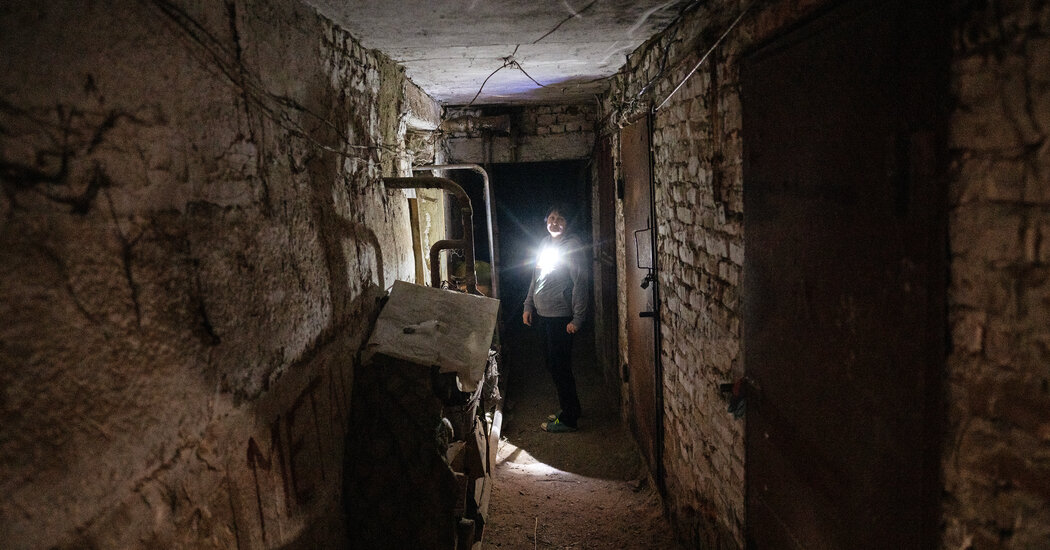
Ukraine has dismissed all six of its deputy defense ministers in a major shake-up of President Zelensky's wartime leadership, ahead of his address to the United Nations and meetings with members of Congress in the United States. The move is seen as an effort to demonstrate tighter management of the defense ministry and address concerns of corruption and mismanagement. The dismissals come as Ukraine's allies hold meetings to discuss increasing military aid and as Ukraine's military continues its counteroffensive against Russian forces. President Zelensky has also warned Russia against attacking Ukrainian power plants, threatening to escalate attacks in response. Additionally, North Korea's leader, Kim Jong-un, has concluded his visit to Russia, which included a summit meeting with President Putin and discussions on deepening ties and military cooperation.

Russia has managed to expand its missile production beyond prewar levels, despite sanctions and export controls imposed by the West, leaving Ukraine vulnerable to intensified attacks. Moscow has used illicit networks and smuggling routes to secure critical components for missile production, bypassing export restrictions. The increased missile stocks pose a significant threat to Ukrainian citizens and infrastructure. The United States has provided air defense systems to help Ukraine defend against Russian missiles and drones, but the country still lacks sufficient coverage. While the West has tried to curb the export of key components to Russia, it has struggled to stop the flow through countries with ties to Moscow. Russia's military production has surged, with increased ammunition and tank production, but it faces shortages of rocket propellant and basic explosives. The increased military production has come at a great cost to the Russian economy, and further industrial gains may be constrained by labor shortages.
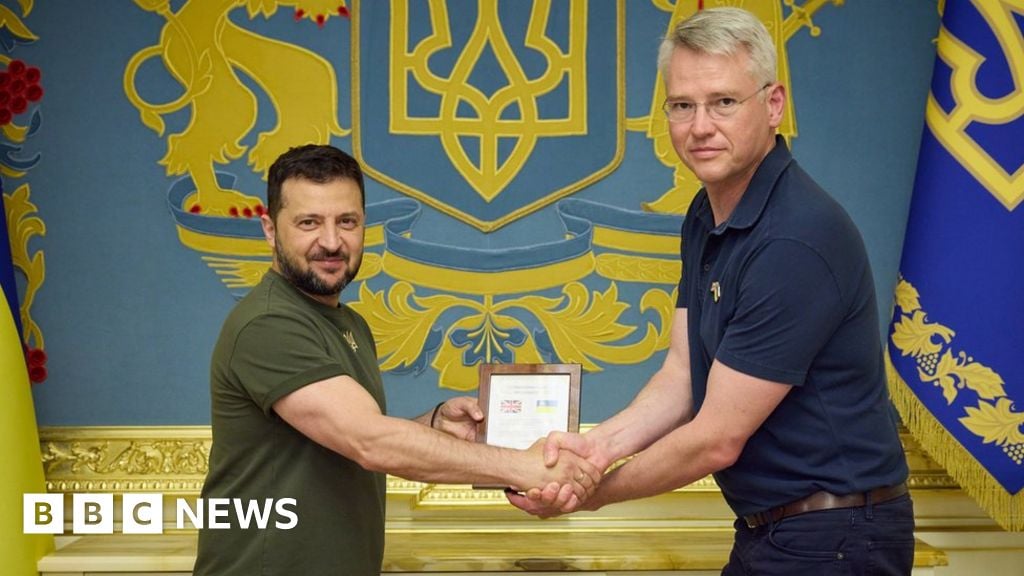
UK defense giant BAE Systems has established a local entity in Ukraine and signed agreements to increase the supply of weapons and equipment to Kyiv. The move allows BAE to work directly with Ukraine to explore partnerships and potentially produce light artillery in the country. This comes as Britain has become a major defense supplier to Ukraine since the Russian invasion in February 2022. The agreements were made after Ukraine and Sweden signed a statement of intent to strengthen cooperation in the production and operation of armored vehicles. Ukraine aims to boost its military supplies and create jobs in an economy impacted by the war. BAE Systems, Europe's largest defense contractor, is already providing training and repair services to Ukraine's military.
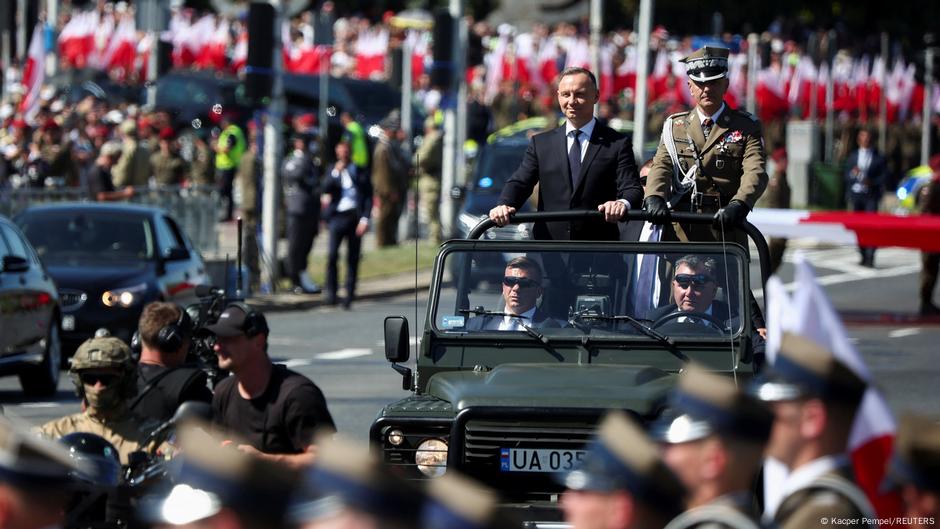
Poland held its largest military parade since 1989, showcasing its armed forces' strength and modernization efforts. The parade, which included 2,000 soldiers and 200 military vehicles, aimed to deter Russia and demonstrate Poland's commitment to defending its borders. The government has allocated significant funds for defense modernization, with plans to spend €31.5 billion ($34 billion) on weaponry this year alone. The ruling Law and Justice (PiS) party sees a large army as crucial for national security and hopes to use this defense policy to boost its chances in the upcoming elections. The Polish-Belarusian border and the issue of illegal immigration have also become major election topics.