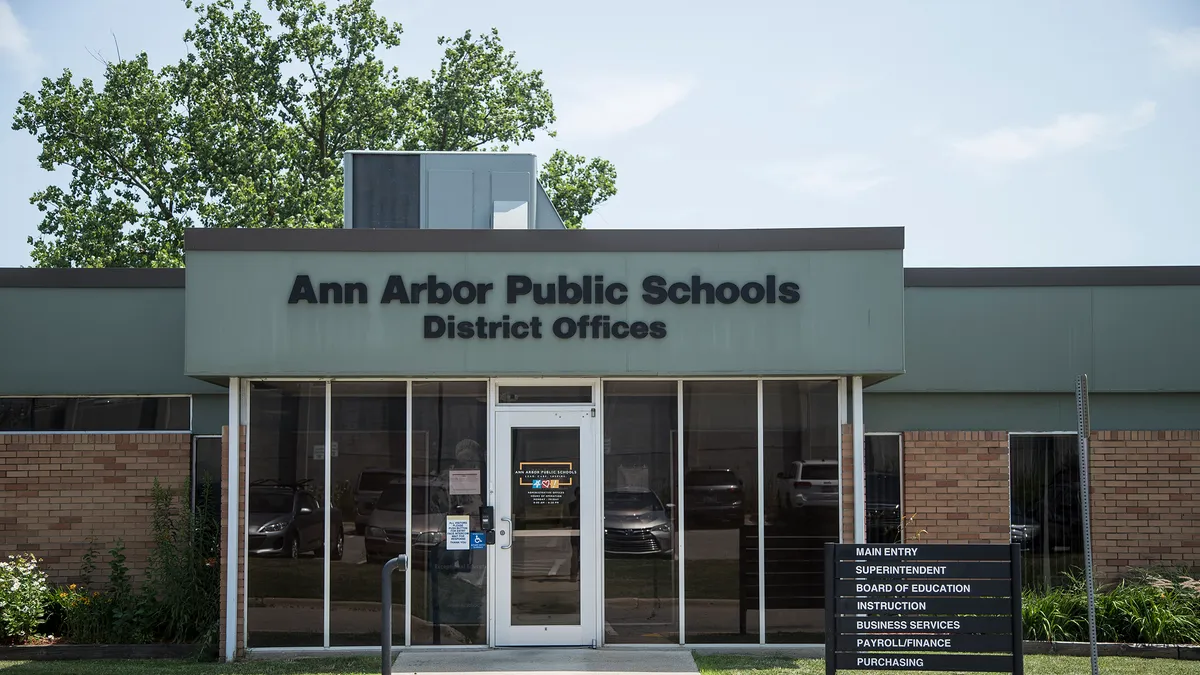
Ann Arbor Public Schools is facing a $25 million budget cut for the next school year, leading to anticipated staff layoffs due to a shortfall discovered in an audit. The district attributes the challenges to an increase in staff, a decline in school enrollment, and recent raises for teachers and staff members. Interim Superintendent Jazz Parks stated that the cuts will begin at the central office and administrative positions, and the district is expected to make staff and program reductions despite efforts to address the budget challenge. This situation reflects a broader trend of budget woes in school districts across the country as federal pandemic relief aid diminishes and school enrollment declines.
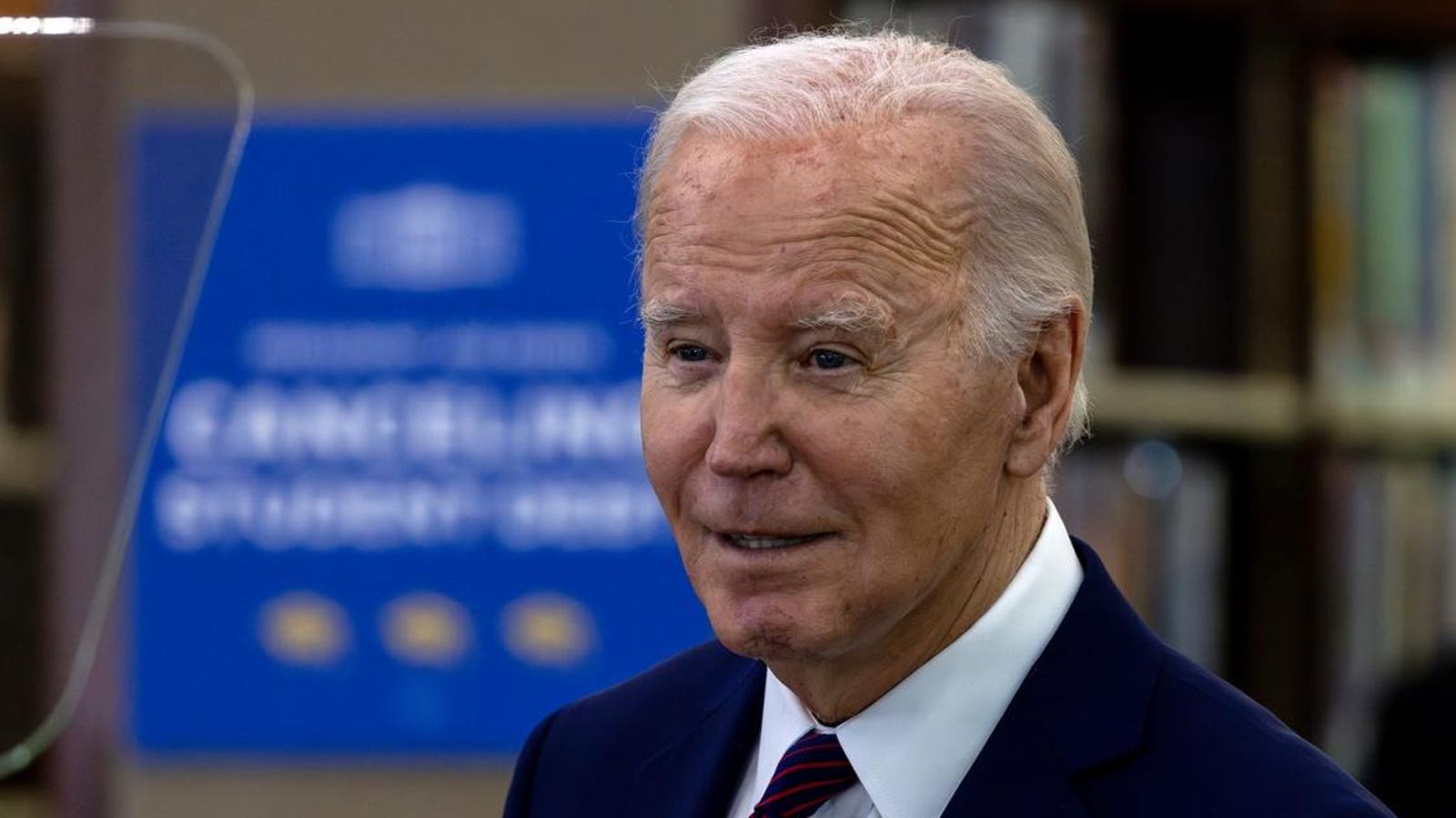
The Biden administration's Student Aid Verification for Equity (SAVE) plan has provided 4.3 million borrowers with $0 monthly payments for the next year, allowing them to effectively not pay their student loans for a year. The plan calculates payments based on income and family size, with an expanded income exemption of 225% of the federal poverty limit. Borrowers can also qualify for student loan forgiveness after a certain number of years in repayment, with even $0 payments counting toward forgiveness.
President Joe Biden has announced that about 750 Nebraskans have had a total of $5.3 million in student loan debt canceled through the Saving on a Valuable Education (SAVE) Plan, a new income-driven repayment plan. The plan allows for borrowers with less than $12,000 in debt to have their loans canceled after 10 years of payments, and any borrower enrolled in the SAVE plan can have their debt forgiven after 20 or 25 years, regardless of the amount. The program also sets payments at $0 per month for borrowers making less than $15 per hour and prevents unpaid interest from causing loan balances to grow.
Many student loan borrowers have started making payments ahead of the October deadline to end the pandemic-era payment pause, surprising economists who expected a delay. The resumption of payments, which averaged $200-$300 per month before the pandemic, may lead to a decrease in consumer spending and impact the overall economy. Some borrowers have already cut back on discretionary spending, such as eating out, to accommodate the loan repayments.