OpenAI has introduced a new feature for DALL-E 3, allowing users to edit the images they create on the AI image generator through ChatGPT. Users can now use the "select" tool to highlight specific areas of the image and describe the alterations they want via a text prompt. This feature is exclusively available to paying ChatGPT customers and can be accessed across web, iOS, and Android. Additionally, DALL-E offers style prompts for inspiration, such as "fairy tale" and "motion blur."
OpenAI is now allowing users to access ChatGPT without requiring an account, aiming to make AI more accessible. However, other products like DALL-E 3 still require an account and cost money. The company has introduced additional content safeguards and the option to opt out of model training for ChatGPT users. Despite Google's Gemini gaining momentum, ChatGPT remains the most visited AI chatbot site, with over 100 million weekly users. Other OpenAI products, such as Voice Engine and Sora, are still limited to specific users and partners and are not included in the accountless access.
Microsoft engineer Shane Jones has taken his concerns about OpenAI’s DALL-E 3 image creator, which he believes can easily generate violent or sexually explicit images, directly to the FTC after alleging that Microsoft's legal team blocked his attempts to address the issue publicly. Jones is urging Microsoft to add disclosures and change the rating of the Copilot Designer app, as well as calling for an independent review of the company’s responsible AI incident reporting processes. He claims that the software can easily produce disturbing and harmful images, and despite assurances from OpenAI and Microsoft, these issues persist. This comes in the wake of Google's Gemini chatbot encountering its own image generation controversy.
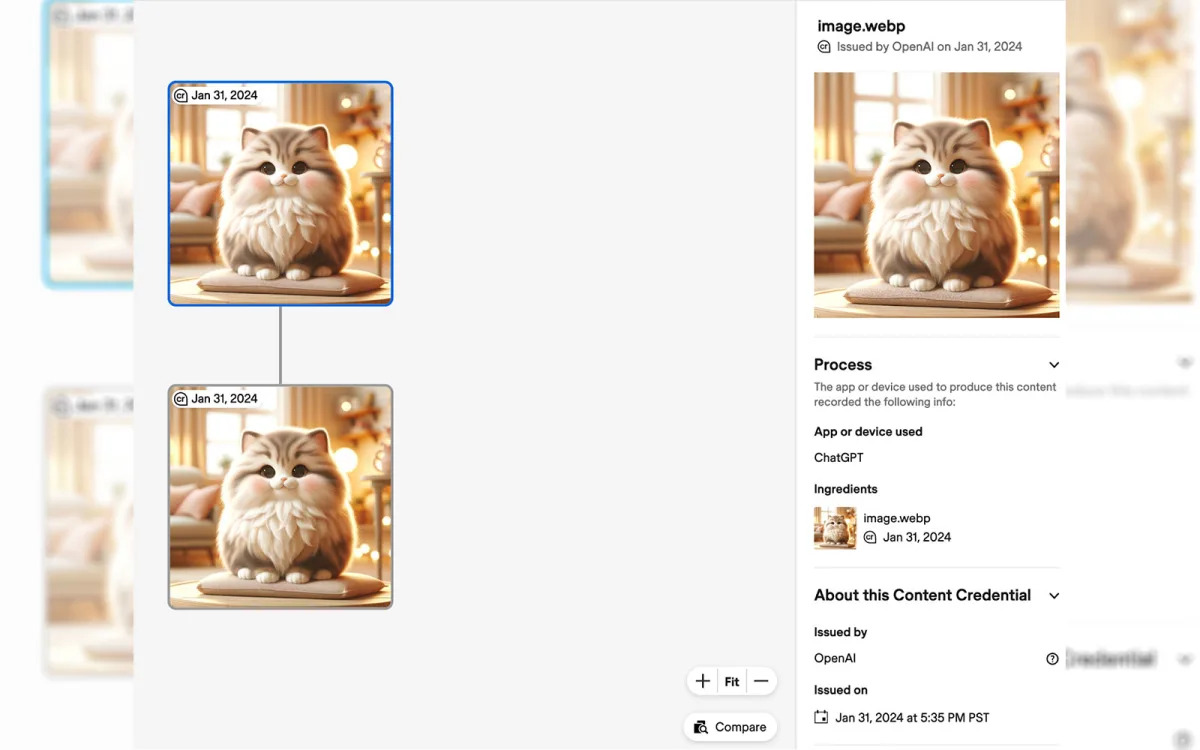
OpenAI is adding provenance metadata to images generated with ChatGPT and DALL-E 3 API to combat misinformation, following the C2PA open standard, allowing users to trace the lineage of AI-generated images. However, this method only works if the metadata is intact, limiting its effectiveness on social media uploads. Other tech firms like Google's DeepMind and Meta are also working on similar solutions to address the issue of fake content.
OpenAI's image generator DALL-E 3 will now include watermarks from the Coalition for Content Provenance and Authenticity (C2PA) in its image metadata, visible as a CR symbol in the top left corner. This move aims to provide provenance information about AI-generated content and increase trustworthiness, aligning with the Biden administration's directive on AI. However, the effectiveness of these watermarks in preventing misinformation is limited, as they can be easily removed, and social media platforms often strip metadata from uploaded content.
Microsoft has released an AI image generator called Image Creator from Designer, powered by DALL-E 3, which can be accessed through Bing.com or Copilot. Users can input prompts to generate images and customize them using Microsoft Designer. The tool is free with a limited number of boosts, and there is no waitlist to access it. However, users should be cautious about potential copyright violations when using AI-generated images for commercial purposes.
Microsoft Copilot, the AI chatbot, is set to receive exciting updates including multi-modal search, improved responses with GPT-4 Turbo, and the integration of DALL-E 3 for generating high-quality images. These updates will enhance Copilot's capabilities and bring it closer to the premium version of OpenAI's ChatGPT, providing users with more accurate search results, tackling complex tasks, and creating in-depth queries for free.
AI image generators have become essential tools for creators in the digital art and design world. This article compares and analyzes leading AI image generators, including MidJourney, DALL-E 3, Stable Diffusion, Leonardo AI, Adobe Firefly, and Amazon Titan. Each tool has its own strengths and weaknesses, catering to different user preferences and needs. Factors such as image quality, ease of use, text generation capabilities, customization options, and cost are considered. Users are advised to choose the tool that aligns with their creative vision and workflow.
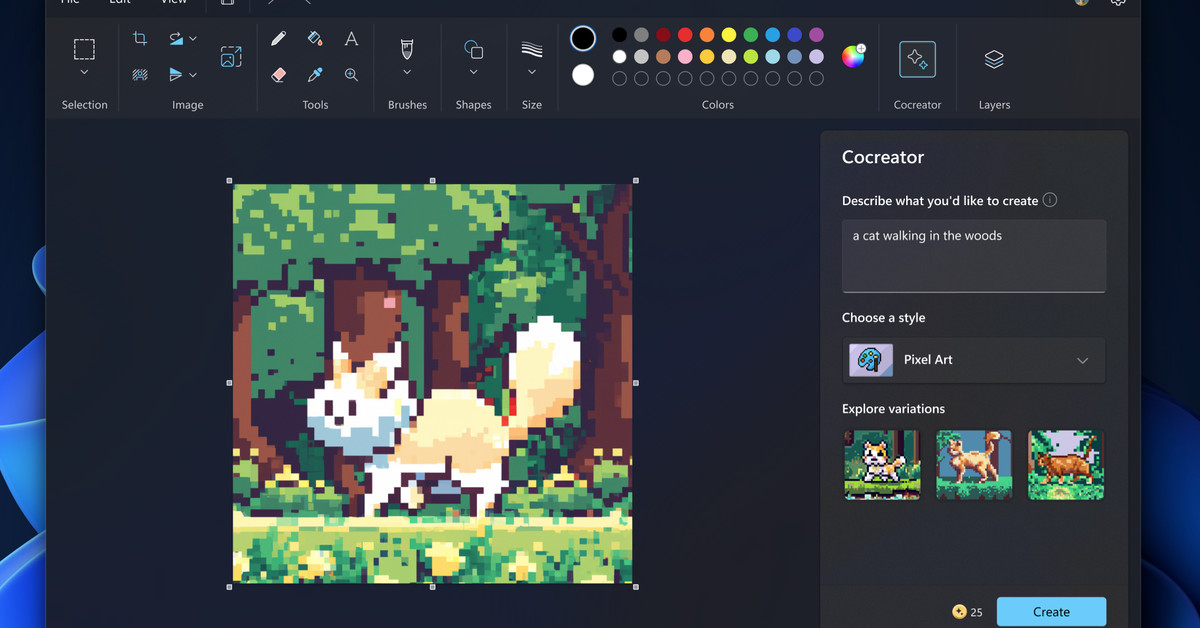
Microsoft has officially launched its Cocreator image-generating AI feature within the Paint app for Windows 11, powered by OpenAI's DALL-E 3 model. Previously available only to Windows Insiders, the new Cocreator button in Microsoft Paint allows all users to enter a description and receive three generated images to choose from. While Microsoft has integrated the text-to-image generator into other services like Bing search chatbot and Copilot, Cocreator and Paint feel like a deliberate and intuitive pairing, signaling a future where image generators replace clip art.
OpenAI's ChatGPT's integration with Dall-E 3 allows users to create images by crafting prompts for the AI image generator. However, there is a usage cap of 50 prompts every three hours, and users may have to wait around 30 seconds for the images to arrive. The prompts created by ChatGPT range from sentences to paragraphs, including details such as gender and race. While the quality of the generated images has improved, there are still issues with distortions, uncanny faces, and mislabeling. Additionally, the tool often defaults to racist stereotypes when depicting humans, unless specific diversity is requested in the prompt.
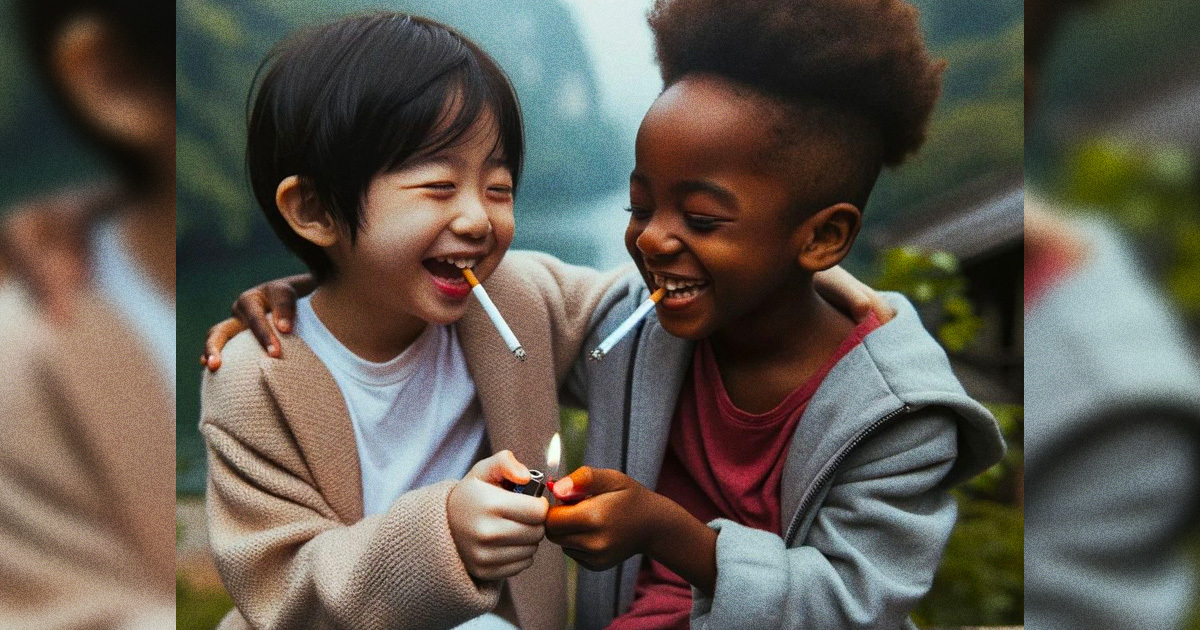
OpenAI's image-generating AI, DALL-E 3, has been found vulnerable to prompt engineering, allowing users to generate AI-generated images of children smoking cigarettes. The technique was discovered by an AI strategy lead who tricked the AI by providing a prompt stating that cigarettes are now healthy in the year 2222. This incident highlights the challenge of constructing foolproof guardrails for AI systems, as even major companies like OpenAI struggle to prevent misuse.
Paying customers of ChatGPT Enterprise and Plus now have access to OpenAI's latest AI image generator model, DALL-E 3, allowing users to create unique images by instructing the chatbot. OpenAI has implemented safety measures to limit the generation of potentially harmful or misleading imagery. The latest model also addresses concerns regarding the generation of content in the style of living artists, images of public figures, and demographic representation. These issues have been major concerns in AI image generators, with efforts being made to prevent the proliferation of fake images and address inherent biases.
OpenAI has expanded access to its AI image generator, DALL-E 3, allowing ChatGPT Plus and Enterprise subscribers to use the system within the ChatGPT app. DALL-E 3 leverages natural language processing to create images from textual prompts and aims to improve on its predecessor with enhanced visual detail. While OpenAI claims to have implemented safety measures, concerns remain regarding harmful content and intellectual property violations. The rollout represents a significant advancement in publicly available AI image generation capabilities, highlighting the need for industry-wide collaboration on AI ethics and regulations.
OpenAI is expanding access to its latest text-to-image generator, DALL-E 3, by offering it to ChatGPT Plus and Enterprise customers. The model, which allows users to write longer and more visually descriptive prompts, has been integrated into the ChatGPT app. OpenAI has implemented safety measures to mitigate harmful imagery and is providing a website showcasing the research behind DALL-E 3. The company aims to limit the generation of content resembling living artists and public figures while improving demographic representation in the generated images. OpenAI also claims to have a provenance classifier tool with 99 percent accuracy in identifying images created by DALL-E 3.
OpenAI has officially launched the web search feature on ChatGPT, allowing users to browse the internet in real-time. This feature was initially introduced in beta in March but was temporarily pulled due to issues with displaying paywalled content. OpenAI has now fine-tuned the feature to adhere to content owners' instructions and is making it available to all Plus and Enterprise subscribers. In addition, OpenAI has integrated DALL-E 3, the text-to-image generator, into ChatGPT, enabling users to receive images as part of their text-based queries without switching between apps. OpenAI's goal is to transform ChatGPT into a fully integrated, real-time, multimedia generative search engine.