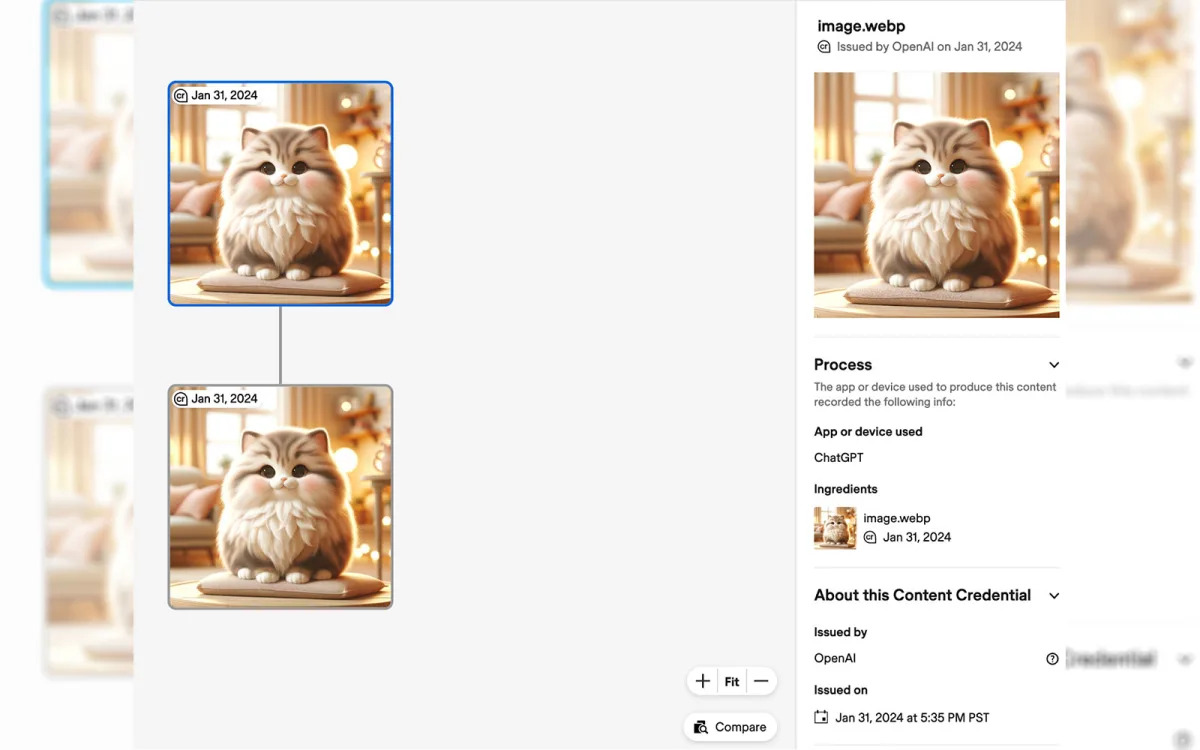
OpenAI is adding provenance metadata to images generated with ChatGPT and DALL-E 3 API to combat misinformation, following the C2PA open standard, allowing users to trace the lineage of AI-generated images. However, this method only works if the metadata is intact, limiting its effectiveness on social media uploads. Other tech firms like Google's DeepMind and Meta are also working on similar solutions to address the issue of fake content.
Major camera manufacturers like Nikon, Sony, and Canon are combating the proliferation of AI-generated images by introducing 'Verify' watermark technology that embeds digital signatures into photos. This allows for the authentication of images by detailing when and where they were taken, and by whom. The Verify web tool has been developed in collaboration with news organizations and tech companies to check image authenticity for free. The move comes as AI images become more common, raising concerns about distinguishing between real and synthetic media. Sony and the Associated Press have already tested this technology, and Intel and Google are also working on methods to identify AI-generated images.
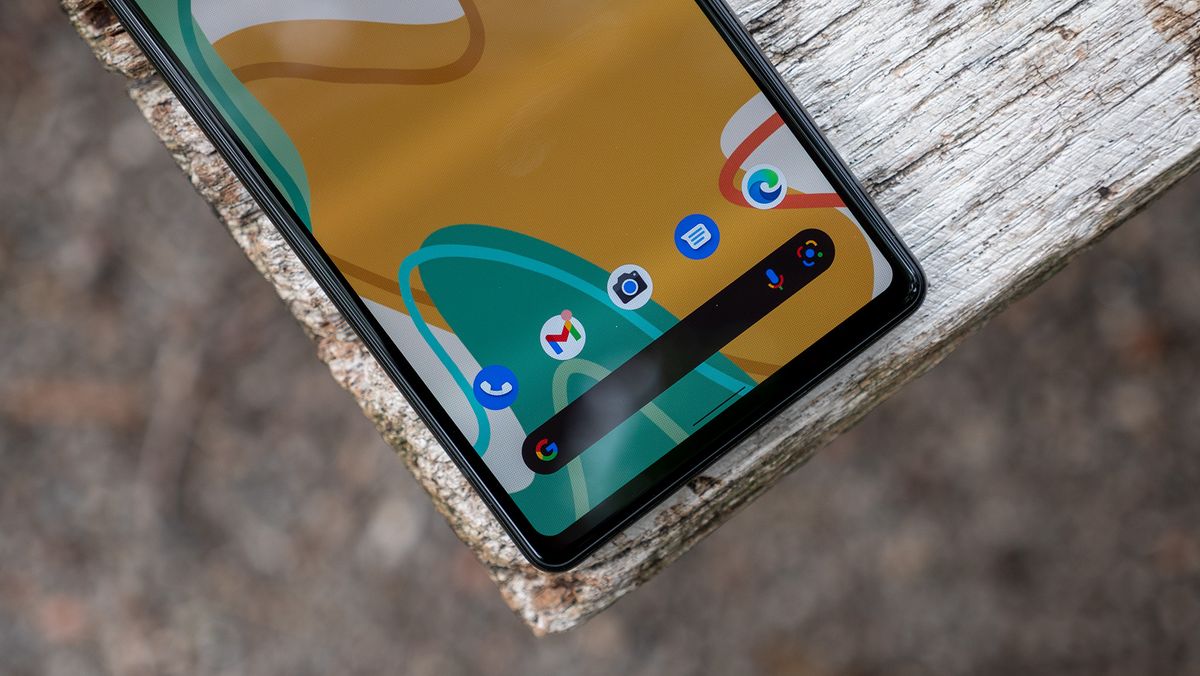
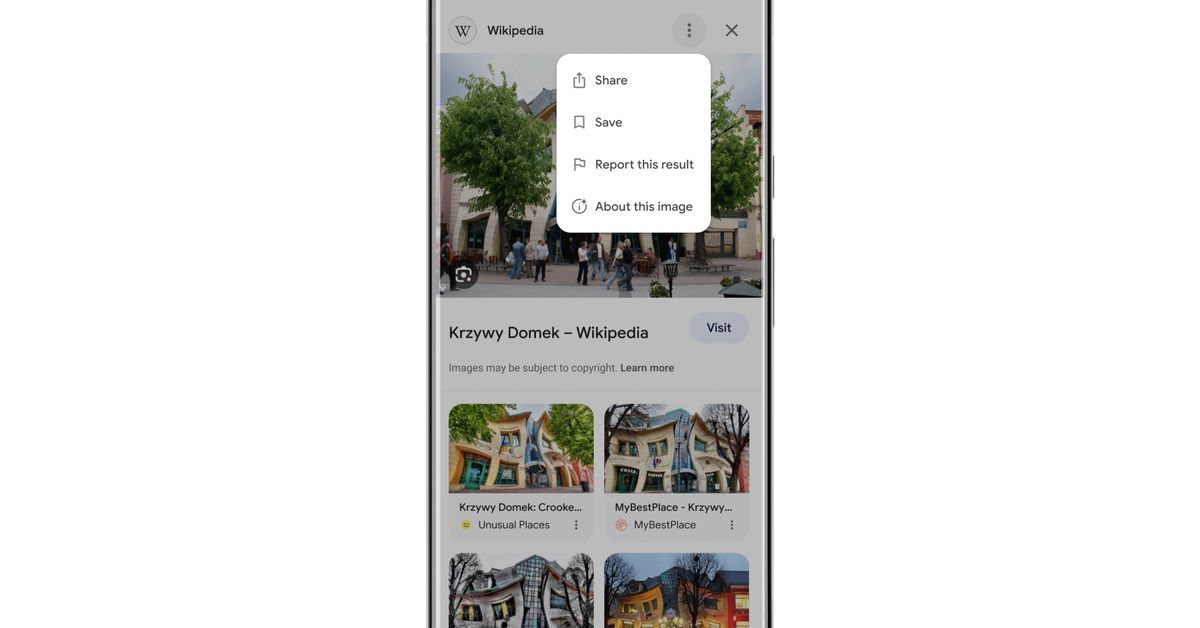
Google is introducing a new tool called "About this image" for English-language users worldwide, allowing them to verify the origin and context of images found online. This feature provides information on an image's history, including when it first appeared on Google, as well as other websites that have used it and stories about it. It also displays metadata, such as the creator and publishers of the image, and indicates if the image has been AI-generated. Google is also bringing Image Search to its Fact Check Explorer for approved journalists, enabling them to search for concrete information about a photo's credibility.
Google is rolling out its new "About this image" tool, which aims to provide background information and context about images in Google Search. The tool shows the origins of an image, including metadata and descriptions from news and fact-checking sites. This feature comes as disinformation spreads during the Israel-Hamas war. Google is also improving its Fact Check Explorer and experimenting with generative AI to offer more information on online sources. However, the tool still relies on users proactively verifying the source of an image.