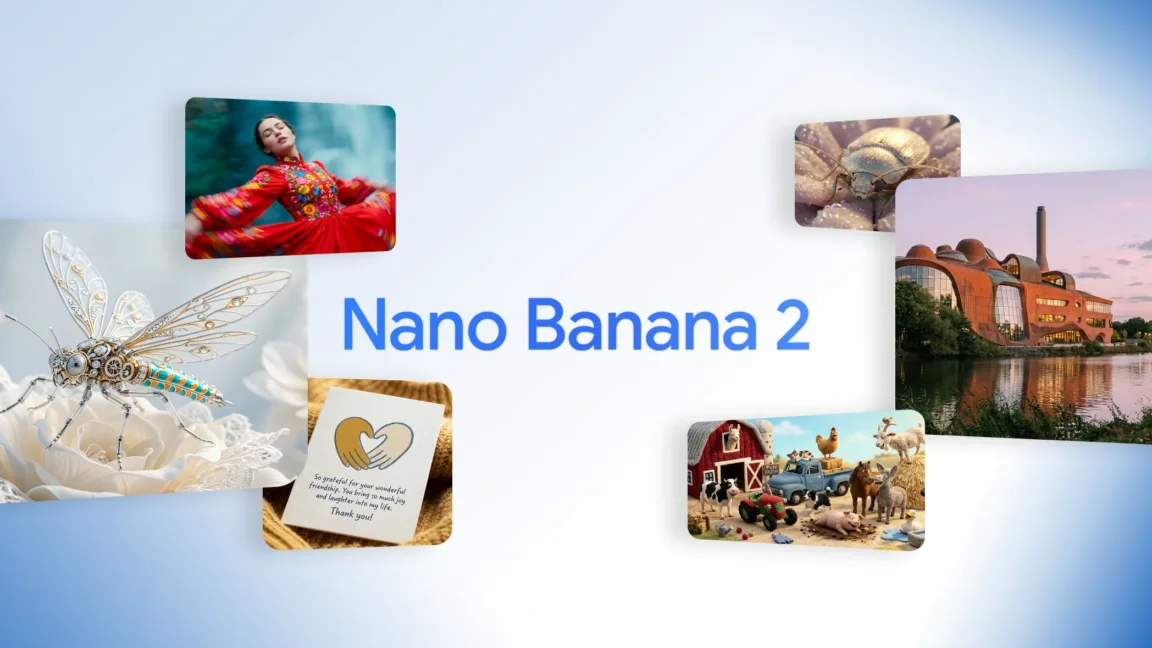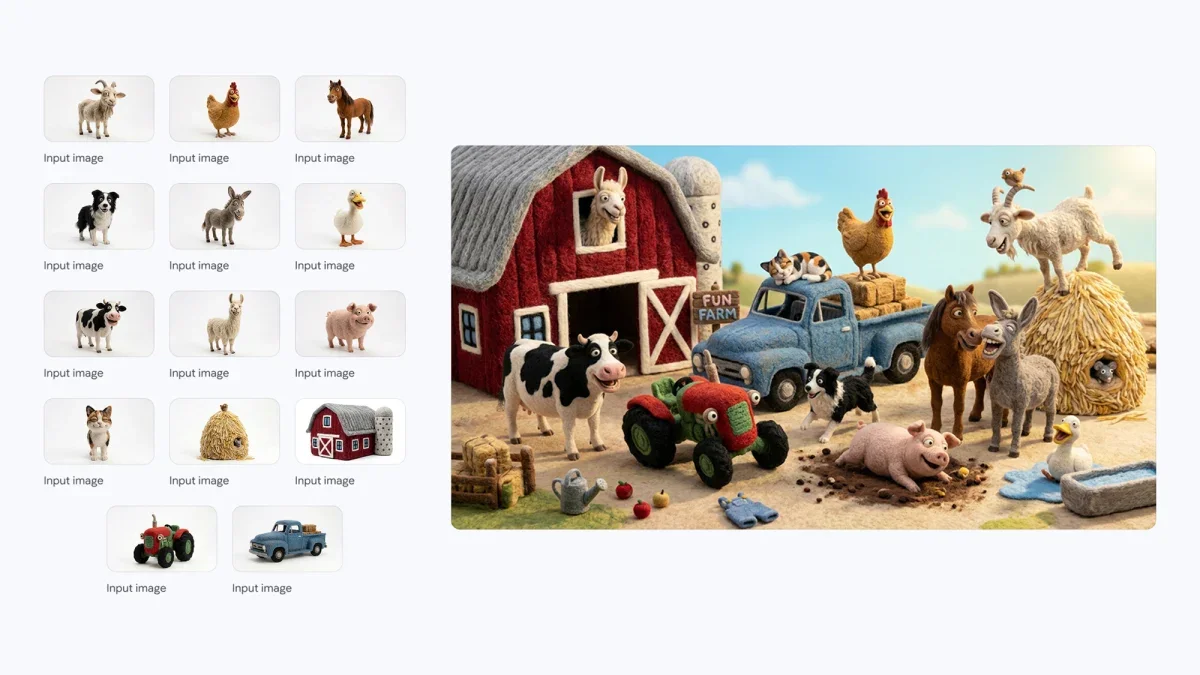
Google Lens now supports Nano Banana, an image generation feature from the Gemini app, within Google Search, allowing users to create and transform images directly from their search interface, initially available in the US and India, with more regions coming soon.
Google has detailed the specific daily usage limits for Gemini, its AI platform, for both free and paid users, including prompt, image, and report quotas, with higher limits for premium subscribers like AI Pro and Ultra.
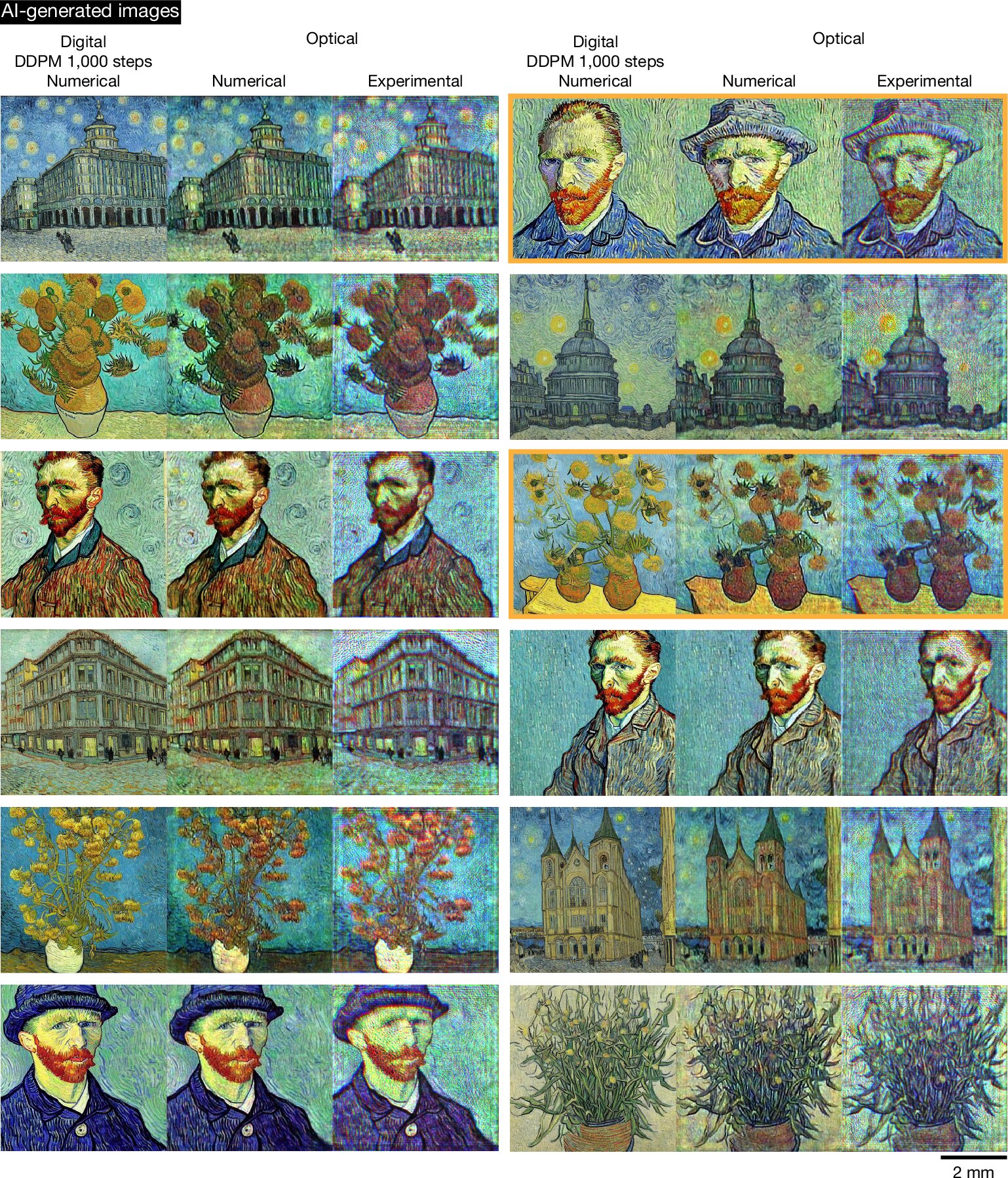
Researchers have developed an innovative AI image generator that uses light and minimal energy by leveraging optical components instead of traditional digital calculations, potentially revolutionizing energy-efficient AI applications.
OpenAI has updated ChatGPT's image model to include a built-in 'Style' feature, allowing users to easily generate images in various styles like anime or Ghibli without complex prompt engineering, and this feature is now available for free to all users.
Researchers have discovered that the apparent creativity of diffusion models in AI image generation stems from deterministic imperfections in their denoising process, revealing that their 'creativity' is an inevitable outcome of their architecture, similar to biological morphogenesis processes. This insight could impact future AI development and our understanding of human creativity.
Google has released its advanced text-to-image model, Imagen 4, for free on AI Studio for a limited time, offering significant quality improvements over previous models, with a premium Ultra version also available for better instruction-following results.
Elon Musk's AI company, xAI, has launched an image generation model called Grok, which uses a new model named Aurora to enhance its capabilities. The model can generate high-quality images from text or other images and is available to select users, with plans for a wider rollout. Despite initially naming the model Aurora, Musk has decided to retain the name Grok. This launch comes as a response to OpenAI's recent release of a video generation model. xAI is also expanding its supercomputing capabilities with a new cluster in Memphis, Tennessee.
Elon Musk's AI model, Grok, briefly showcased a new image generator called Aurora on the platform X, offering more photorealistic images compared to its predecessor, Flux. Although not widely released, Aurora's beta version demonstrated few creative limitations, generating images of copyrighted characters and public figures. Users praised the realism of Aurora's creations, despite some AI-generated artifacts. Musk indicated that the model, still in beta, will improve rapidly.
Elon Musk's social network X, formerly Twitter, has introduced a new image generator named Aurora to its Grok assistant. Aurora, accessible via X's mobile apps and web, can generate images of public and copyrighted figures with few restrictions, though it avoids explicit content. The origins of Aurora are unclear, but it excels at photorealistic images despite some flaws. This release follows X's decision to make Grok free for all users, allowing limited free access to its features. Meanwhile, xAI, Musk's AI startup, has secured $6 billion in funding and is developing a standalone app for Grok.
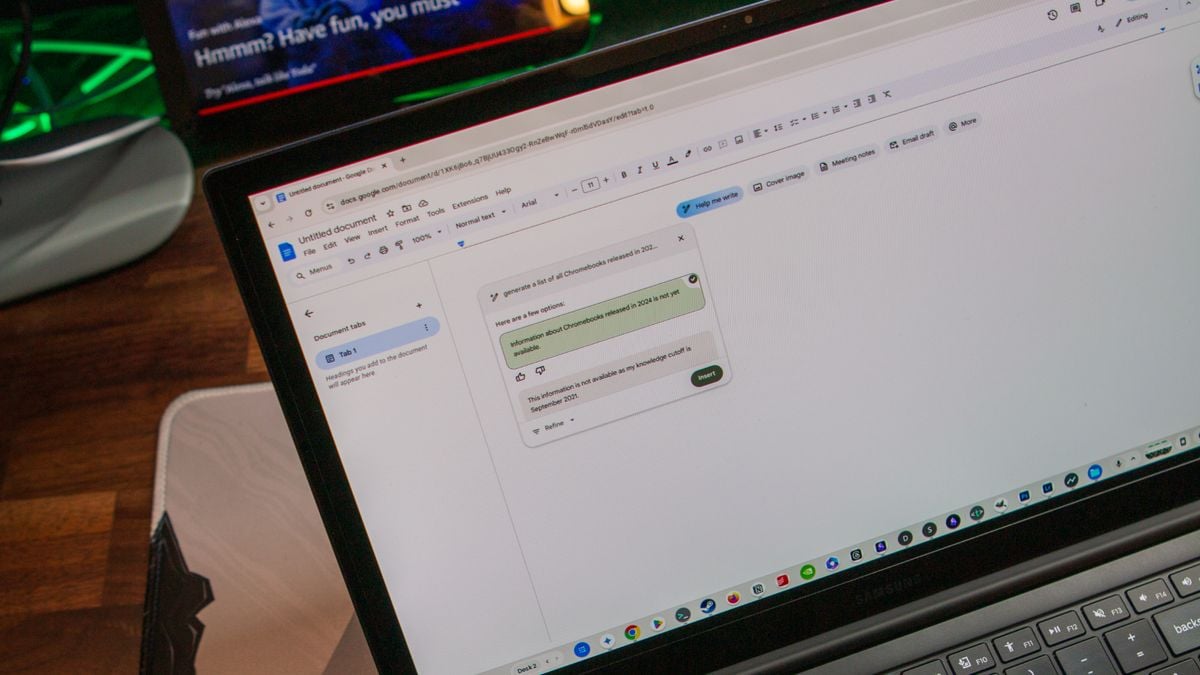
Google has integrated its Imagen 3 AI model into Google Docs, allowing paid Workspace and Google One AI Premium users to generate custom inline images directly within their documents. This feature expands on previous capabilities that only supported full-bleed cover images. Users can create photorealistic images using text prompts and select from different styles and aspect ratios. However, this functionality is not available to free users and is currently rolling out to eligible subscribers.
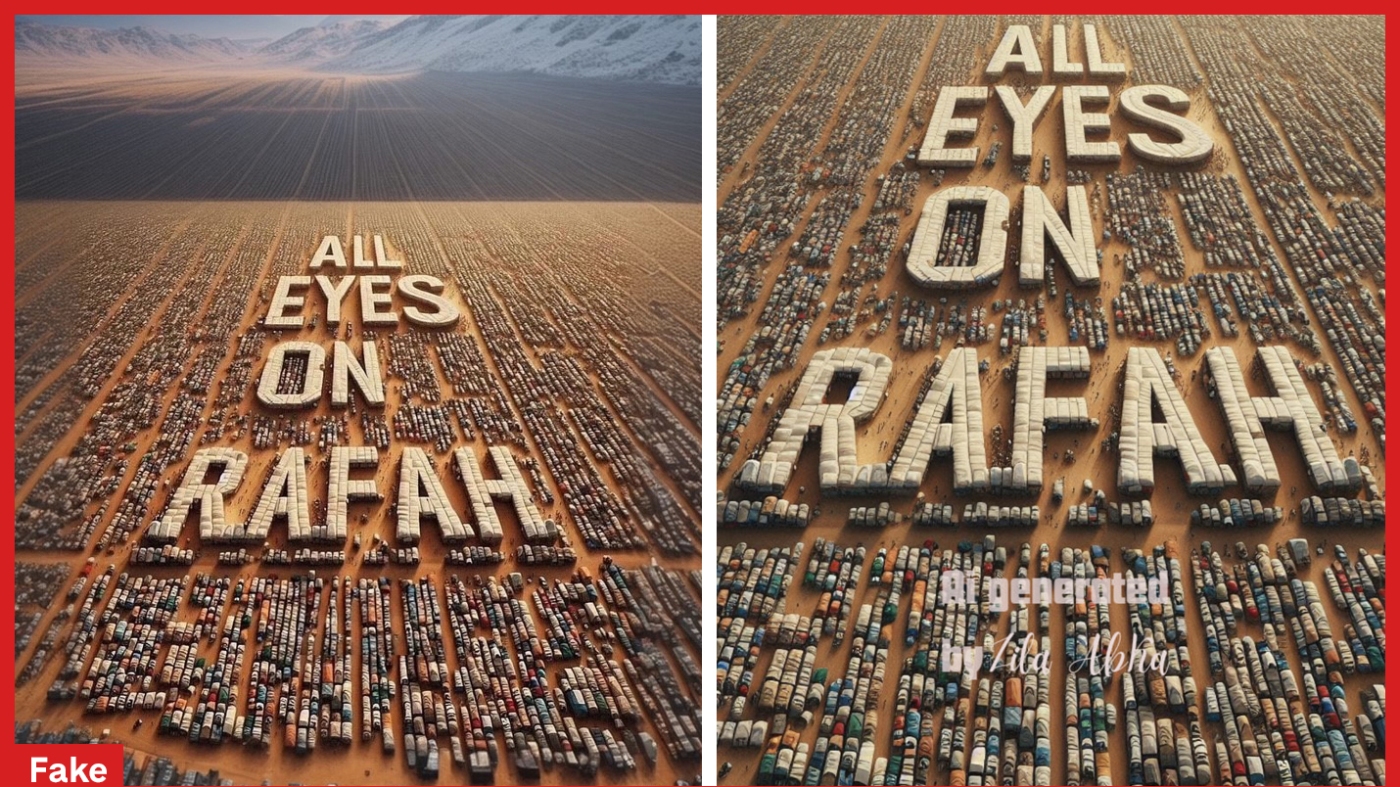
Two Malaysian artists, Zila Abka and Amirul Shah, are both claiming credit for a viral AI-generated image of Gaza, highlighting the complexities of authorship and ownership in AI-created content. Abka, a science teacher and AI art hobbyist, says she created the image in February using Microsoft's Image Creator, while Shah, a college student and photographer, claims he generated a similar image independently. The dispute underscores the challenges of verifying originality and ownership in the realm of AI-generated art.
Opera has announced a partnership with Google to use Gemini AI models to power its browser's AI features, including image generation and improved text-to-speech. These features are currently available in the Opera One Developer release.
Researchers at the University of Texas have developed an AI image generator called Ambient Diffusion that avoids copyright issues by training on heavily corrupted images, with up to 93% of pixels missing. This method allows the AI to generate high-quality images without replicating the original copyrighted works, potentially benefiting fields like scientific and medical research where uncorrupted data is scarce.
Meta is introducing real-time AI image generation in beta for WhatsApp users in the US, allowing users to see images change as they type text-to-image prompts. The Meta Llama 3 model can now produce sharper and higher quality images, and users can also animate images to create GIFs. This feature is part of a broader rollout of AI features across Meta's apps, including WhatsApp, Instagram, Facebook, and Messenger.
Meta has integrated its latest AI chatbot, powered by Llama 3, into the search bar of its major apps including Facebook, Messenger, Instagram, and WhatsApp in multiple countries, while also launching a new meta.ai site for access to the chatbot. The company is expanding the chatbot in English to over a dozen countries and introducing new features such as faster image generation, access to web search results, and improved image quality. However, the widespread deployment of AI across platforms raises concerns about content moderation, as AI models can produce inaccurate or inappropriate outputs.