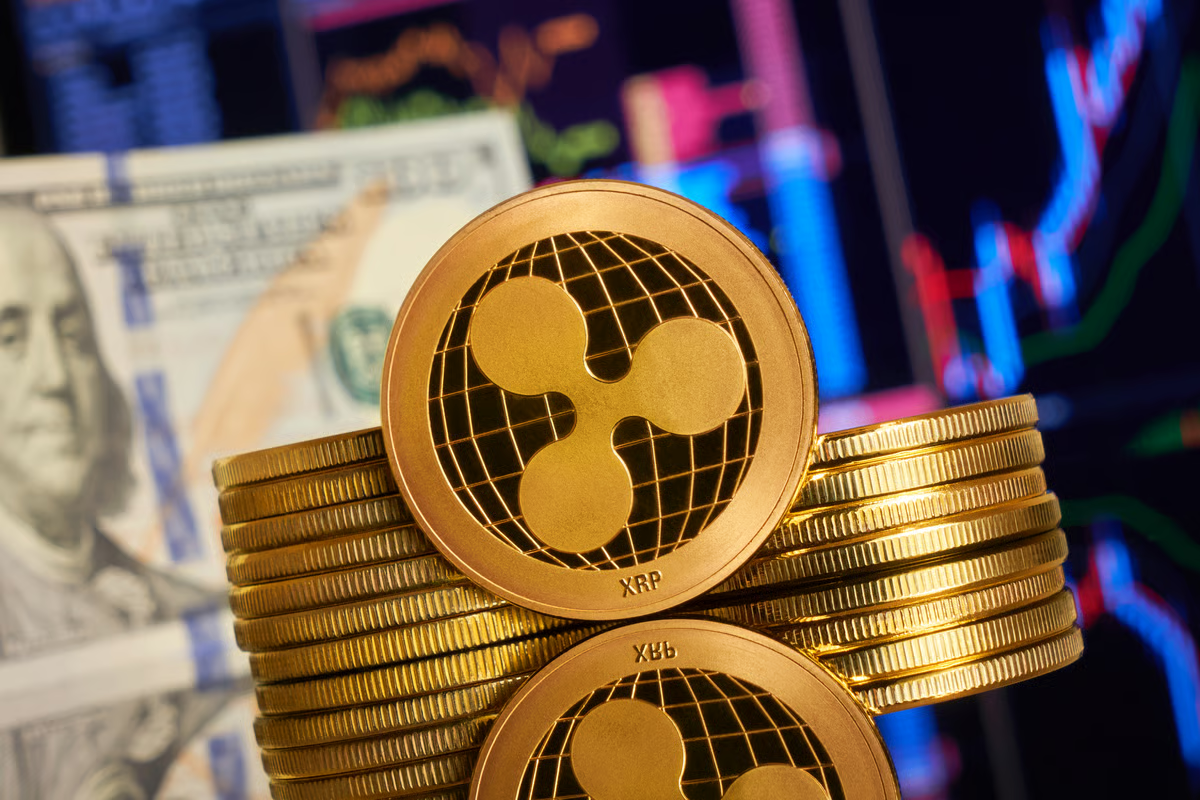
XRP has fallen more than 50% from its late-2024 peak amid macro uncertainty, but the author says a lower price alone doesn’t justify buying. He wants verifiable, audited XRP On-Demand Liquidity volume data and a public commitment from a top-20 global bank to use XRP—not just pilots or MOUs—before considering an investment. Without real-world adoption and transparent usage metrics, XRP remains a bet on potential rather than proven performance, even as the price moderates.
Swift is integrating a blockchain-based shared ledger into its infrastructure to enable instant, secure, and transparent cross-border payments, involving over 30 global banks and aiming to enhance digital finance capabilities worldwide.
Swift is integrating a blockchain-based shared ledger into its infrastructure to enable instant, 24/7 cross-border transactions at scale, involving over 30 global financial institutions, to enhance digital finance and interoperability across digital ecosystems.
SWIFT is exploring a new instant, fee-free cross-border payment system potentially utilizing blockchain technology and Ethereum's Layer 2 solution Linea, aiming to improve speed and reduce costs. This move could impact Ripple's XRP, which positions itself as a SWIFT alternative, but SWIFT's extensive global network remains a significant advantage.
Russia's oil industry is feeling the impact of intensified Western sanctions, with global banks turning away from doing business with the country and hindering cross-border payments. Despite efforts to pivot to alternative markets like India and China, Russian banks and companies are facing difficulties in conducting cross-border payments due to the sanctions. Governor of the Bank of Russia, Elvira Nabiullina, acknowledged the challenges and stated that they are exploring new methods to make payments with other countries.
Americans are accumulating record credit card debt, with balances reaching $1.08 trillion in the third quarter, the largest yearly increase since 1999. Rising prices and inflation are causing many Americans to struggle with credit card debt, with over half of Americans currently having credit card debt and owing an average of $5,875. As a result, consumers are turning to alternative payment methods such as buy now pay later (BNPL) and digital wallets, with digital wallets being the most popular choice. However, there are concerns about the potential debt traps associated with BNPL options. Additionally, cross-border payment issues are burdening consumers and small businesses. In the midst of this, American Express cardholders may be eligible for an Amazon promotion, and Affirm expects increased demand for its short-term consumer loans if interest rates remain high. Finally, Citi has launched a $200 cash back welcome bonus on its Citi Double Cash Card, and using a home equity loan to pay off credit card debt can offer cost savings.
Terry Clune, an Irish entrepreneur, has built a $900 million fortune by starting eight fintech companies over three decades. His companies, including TransferMate and Immedis, provide software solutions to help global companies handle taxes, payroll, and marketing in other countries. Clune's estimated net worth is derived from his stake in TransferMate, which recently reached a $1 billion valuation, and the sale of Immedis for nearly $630 million. He plans to raise money for Sprintax and pursue IPOs for other companies, with the goal of becoming a billionaire. Despite his success, Clune remains humble and focused on building more businesses.
Visa has expanded its stablecoin settlement capabilities by integrating Circle's USDC stablecoin with the Solana blockchain, aiming to enhance the speed of cross-border payment transactions. Visa is one of the first major financial institutions to utilize the Solana network for settlements at scale. The company has also initiated pilot programs with merchant acquirers Worldpay and Nuvei, allowing their clients to opt for USDC stablecoin settlement instead of fiat currencies. This move demonstrates Visa's commitment to leveraging stablecoins and blockchain networks to improve cross-border settlement speed and provide modern payment options. The stablecoin market is projected to reach $2.8 trillion in the next five years, as more financial and consumer platforms adopt stablecoins for value exchange.
Experts believe that Russia's plans to launch a crypto-based "Digital Ruble" will not help the country evade Western sanctions in the near future. While Russian officials claim that the new currency could undermine the U.S.-led global financial system, independent experts argue that the Digital Ruble is unlikely to assist with sanctions avoidance. The Digital Ruble is currently designed as a domestic payments system, and the necessary infrastructure for cross-border payments is not yet in place. Additionally, concerns remain about the toxicity of the Russian ruble as a currency and the reluctance of other countries to engage in trade with Russia due to sanctions fears.
Ripple is optimistic that U.S. banks and financial institutions will show interest in adopting its XRP cryptocurrency for cross-border payments following a recent ruling that determined XRP itself is not necessarily a security. The San Francisco-based company plans to initiate talks with American financial firms about using its On-Demand Liquidity (ODL) product, which utilizes XRP for money transfers, in the third quarter. While the ruling was a partial victory for Ripple, as it stated that some sales of XRP did qualify as securities transactions, the company remains hopeful that the decision will encourage financial institutions to engage in conversations about utilizing its services.
Tobias Adrian, a financial counselor at the International Monetary Fund (IMF), has proposed a trusted ledger system that works with central bank digital currencies (CBDCs) to enhance cross-border and domestic payments. The system would involve a trusted ledger to provide a secure and reliable electronic system where property rights can be recorded. The IMF suggests developing distinct and standardized digital representations for fiat currencies, allowing for interchangeability. The IMF’s XC platforms would instead allow users to freely select the currencies involved, while central banks maintain control over reserve allocation.
The International Monetary Fund (IMF) is developing a platform for digital central bank currencies (CBDCs) to enable transactions between countries. Meanwhile, the XRP army has discovered an IMF report from March 2023 in which Ripple is considered a potential problem solver. The report presents a model for a global marketplace for more efficient cross-border exchange of tokenized money, with Ripple's XRP being one of the three conceivable models for a marketplace. Ripple Labs' collaboration with the IMF goes back a few years, and the XRP army has dug up several videos in which Ripple was allowed to speak at IMF conferences in the past years.
The International Monetary Fund has proposed a new cross-border payment platform, called the XC platform, that uses a single ledger to record central bank digital currency (CBDC) transactions, programmability, and improved information management. The platform could operate domestically using tokenized assets, including deposits, with or without CBDCs. The XC platform would provide interoperability among assets and money tokenized by the private sector and "usefully instill standards and a safe environment with which to program financial contracts," as settlements would be carried out in central bank money.
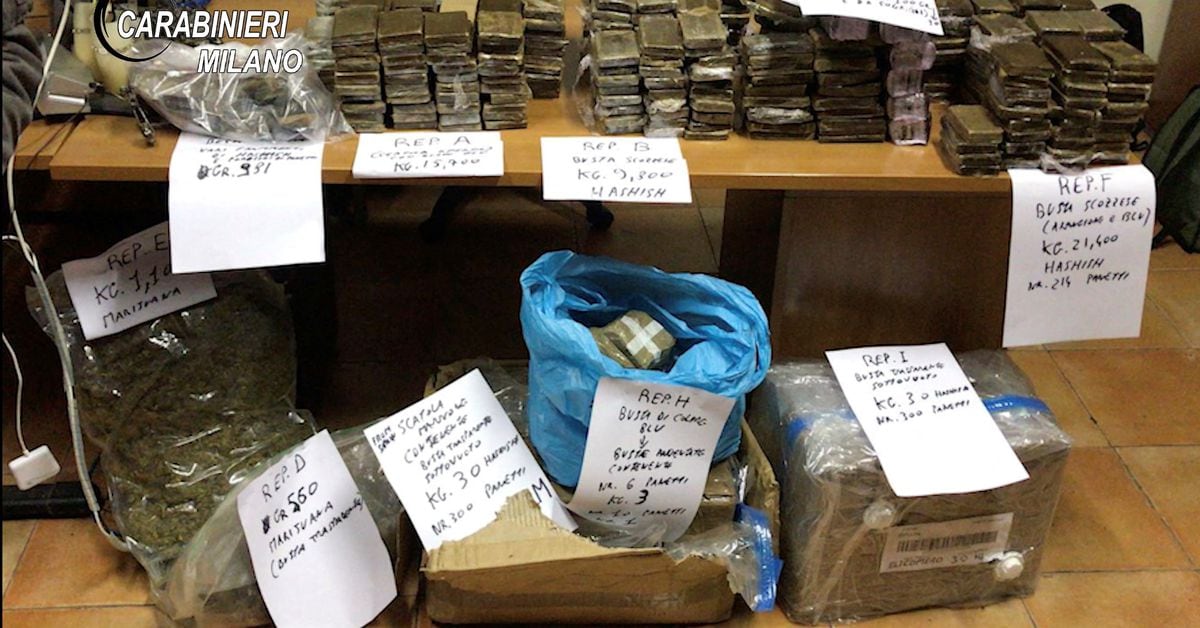
Italian drug cartels are increasingly using unlicensed Chinese money brokers to conceal cross-border payments, according to Italian judicial and law enforcement authorities. The use of shadow networks of Chinese money brokers highlights how an issue that U.S. authorities have been battling in connection to Latin American narcotics groups has taken root in Europe. The transfer method involves depositing a sum with a money broker in one country while another agent in the network elsewhere in the world pays the equivalent amount to the intended recipient. The use of such networks makes it very difficult for authorities to identify and trace, undermining the entire international anti-money laundering system.