Farm bankruptcies are rising due to low crop prices and economic stress, with the Trump administration considering a bailout of up to $14 billion to support farmers amid ongoing trade disputes and declining incomes.
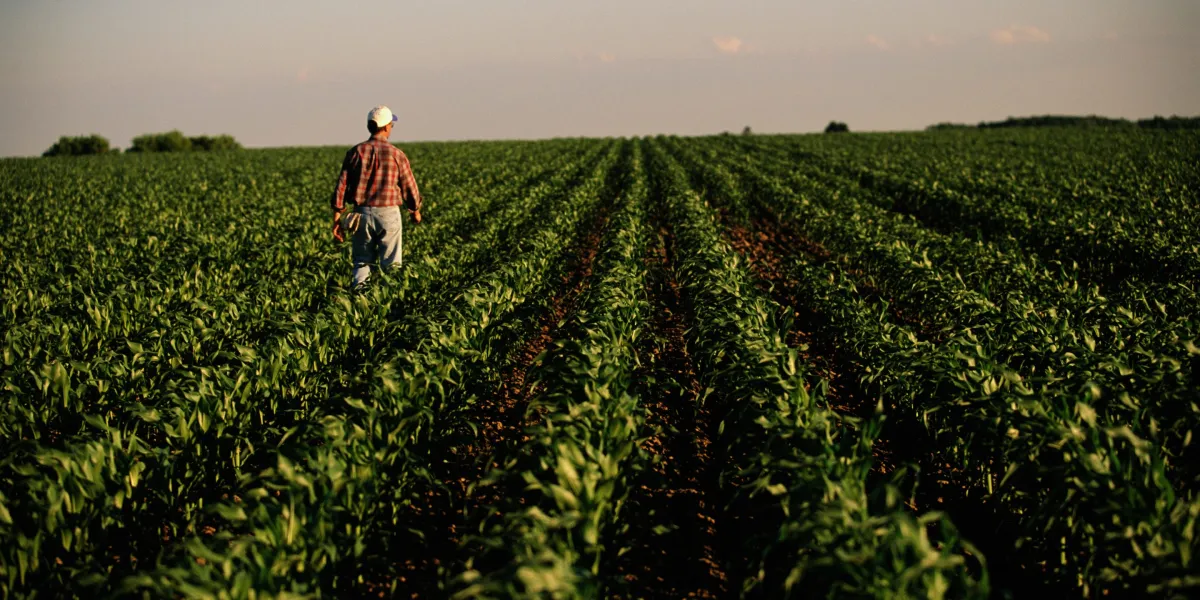
Rural America is facing an economic crisis due to plunging crop prices, high input costs, and ongoing trade disputes, especially with China, threatening the survival of U.S. soybean and corn farmers. Despite government aid and new trade agreements, farmers continue to suffer financially, with declining incomes and credit conditions.
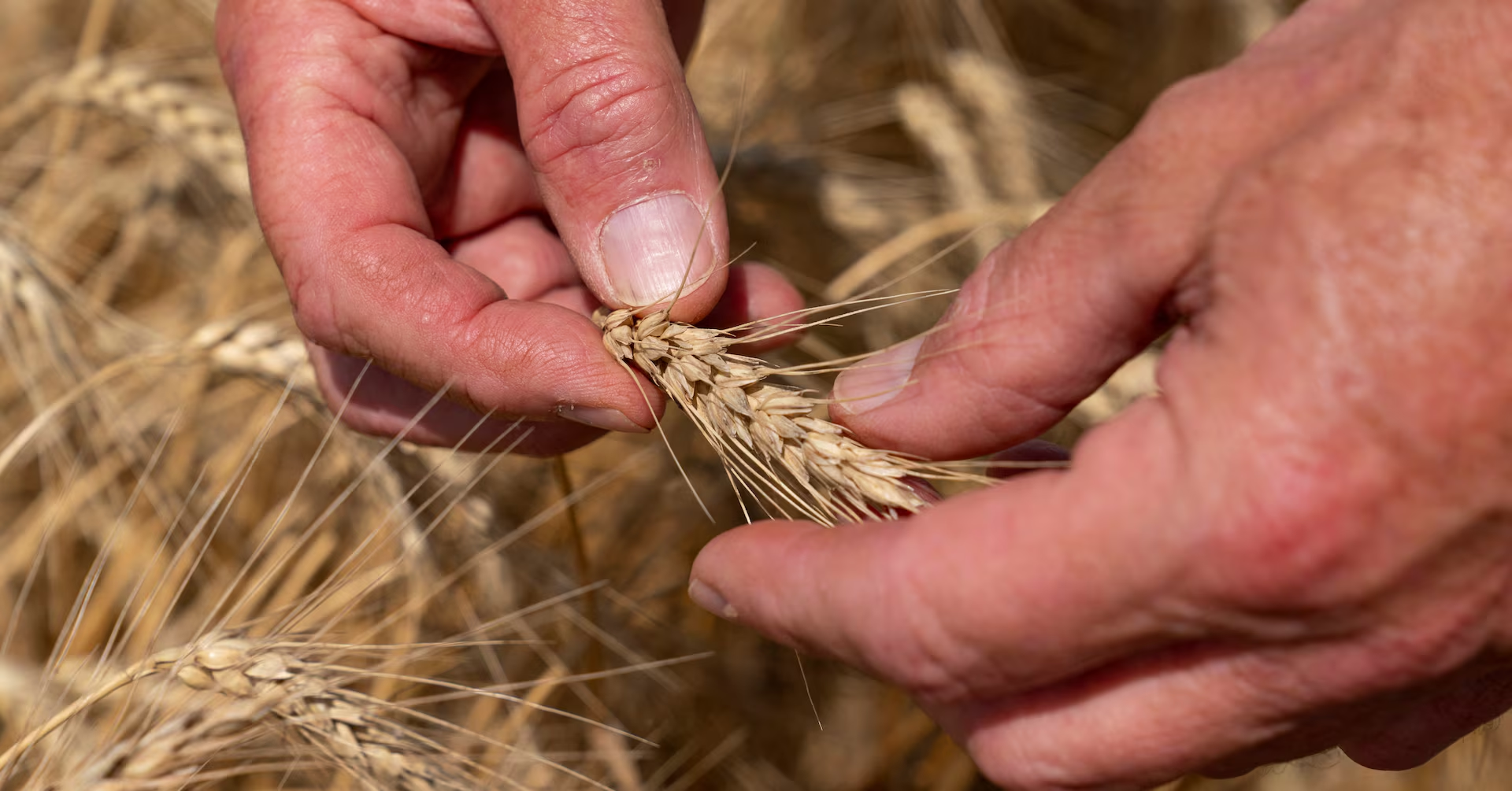
U.S. wheat farmers from Texas to Montana are abandoning or reducing wheat cultivation due to low prices, drought, and global competition, leading to a significant decline in wheat acreage and a shift towards crops like corn and soybeans for better profitability.
Deere & Co. has reduced its annual profit outlook due to falling crop prices, impacting farmers' ability to purchase equipment. The company's net income for the fiscal year is now expected to be between $7.5 billion and $7.75 billion, down from its initial outlook. Deere's shares fell as much as 5.5% following the announcement. The company cited weakening agricultural demand in Europe as a primary driver for the updated outlook and is counting on product advancements, such as AI-powered crop sprayers and autonomous tractors, to attract customers.
Police in India fired tear gas at farmers and their supporters marching towards New Delhi to demand higher crop prices promised by the government in 2021. The protest comes ahead of national elections and follows failed talks between farm unions and ministers. Farmers seek guarantees for more state support, buying of crops at minimum prices, and fulfillment of the government's promise to double their income. The government's slow progress on these issues has led to ongoing tensions and accusations of failure to support farmers.
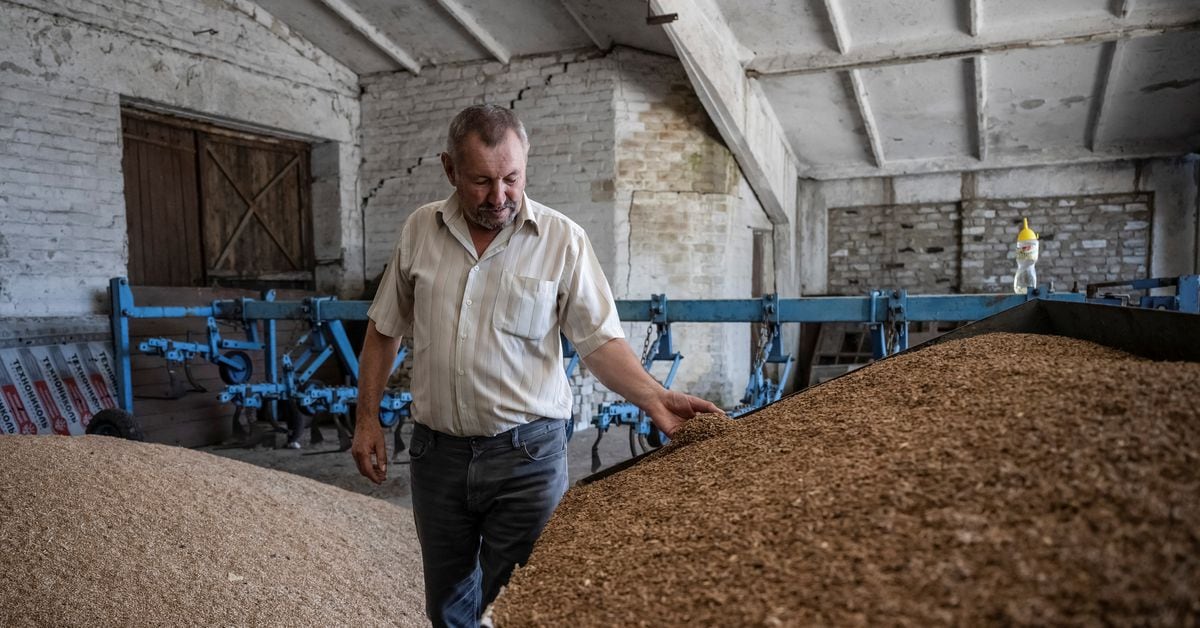
Farmers in Ukraine, located near the southeastern front line, are facing the dual challenges of Russian rocket attacks and rock-bottom prices for their harvest. With the closure of the Black Sea route for agricultural exports, farmers across Ukraine are struggling to find alternative land and river routes to ship their produce. The low prices received from traders in July have made it difficult for farmers to afford repairs to their damaged storage facilities. Despite the hardships, many farmers are choosing to store their crops in the hope that prices will improve in the future.
Farmers in Ukraine, located less than 30 km from the front line, are facing the dual challenges of Russian rocket attacks and rock-bottom prices for their harvest. With the closure of the Black Sea route for agricultural exports, farmers are struggling to find alternative ways to transport their produce, leading to a significant drop in prices. Many farmers are unable to afford repairs to their storage facilities, leaving their crops vulnerable to further damage. Despite the difficult circumstances, farmers are hesitant to sell at such low prices, opting to store their crops and wait for better market conditions.