Donald Trump's executive order aims to crack down on homelessness by criminalizing behaviors associated with being unhoused, such as camping and substance use, and potentially institutionalizing individuals without clear guidelines, which experts warn could worsen health and civil rights issues without addressing the root causes of homelessness.

The Supreme Court will hear a case regarding the constitutionality of punishing homeless individuals for sleeping in public when no alternative is available, which could exacerbate racial disparities in homelessness. The case raises questions about the cruel and unusual punishment clause and cities' power to punish involuntary conduct. Homelessness in the US has increased sharply, with racial minorities disproportionately affected. The case has attracted support from cities and opposition from states urging the Court to uphold the 9th Circuit's ruling against criminalizing homelessness.
Advocates in Ohio are pushing for changes to the state's six laws that penalize people living with HIV, which have led to criminal charges being upgraded to felonies based on HIV status. The laws have been used to charge individuals, even in cases where there is no chance of virus transmission. Advocates argue that these laws perpetuate stigma and hinder efforts to combat the HIV epidemic, with the Justice Department investigating Ohio after similar complaints.
House Bill 3098 in Oklahoma, if signed into law, would criminalize the intentional or reckless spread of common STIs, potentially turning thousands of Oklahomans into felons. Experts argue that the bill's broad language could deter people from getting tested and treated, ultimately worsening the spread of STIs. Critics emphasize the need for education and treatment rather than criminalization, while the bill has already passed through the House and is awaiting a vote in the Senate.
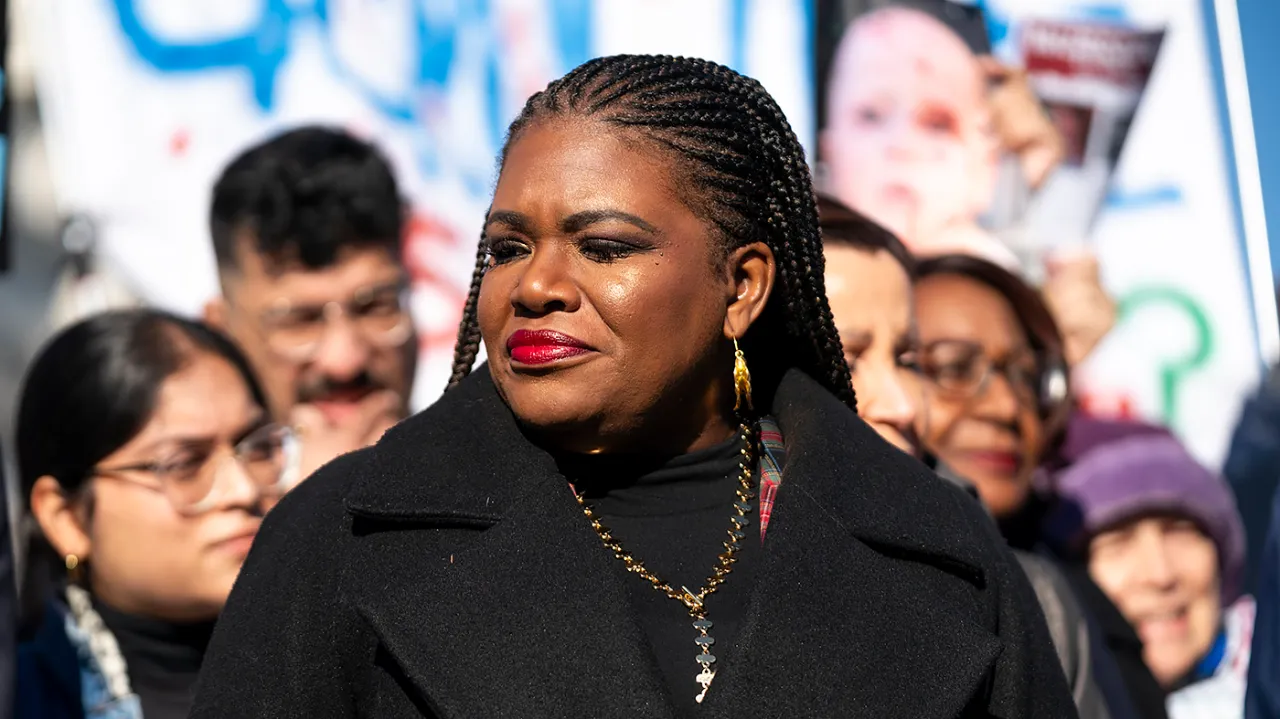
A group of Democratic legislators, led by Rep. Cori Bush, filed an amicus brief with the Supreme Court opposing the criminalization of unhoused people, arguing that it is unconstitutional and perpetuates cycles of poverty. The brief comes ahead of the case of Johnson v. City of Grants Pass, which will determine if local governments can make it a crime to live outside and unsheltered when adequate shelter is unavailable. The lawmakers argue that criminalizing homelessness disproportionately impacts marginalized communities and call for investment in solutions to end poverty and homelessness.
Sex worker and advocate Laura LeMoon highlights the violence and stigma faced by sex workers, following the murder investigation into adult film star Sophia Leone's death. She emphasizes that violence against sex workers is not inherent to the work itself, but is a result of stigma and criminalization. LeMoon shares her own experience of violence and the lack of recourse for sex workers, calling for societal acknowledgment and change to end the stigma and improve the situation for sex workers.
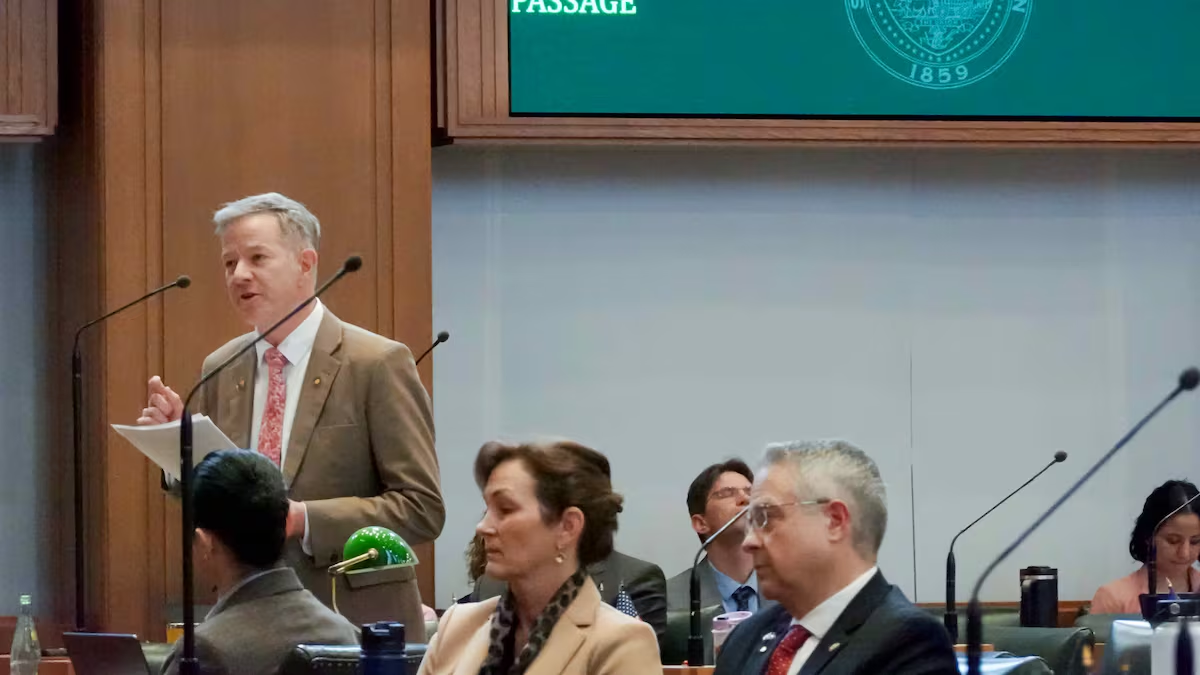
Oregon lawmakers are pushing through House Bill 4002, which would recriminalize drugs decriminalized by Measure 110 in 2020, despite opposition from criminal justice reformers. The bill, which targets possession of hard drugs and includes jail sentences, is seen as a win for Republicans and well-heeled critics, but has drawn criticism for potentially disproportionately impacting people of color. Researchers argue that Oregon's drug problem is more related to the emergence of fentanyl than Measure 110, and caution that gutting the measure is unlikely to reverse the upward trajectory of overdose deaths.
Oregon's House passed House Bill 4002, which would reintroduce criminal penalties for possessing small amounts of drugs, with bipartisan support, aiming to address public drug use and surging overdoses while expanding addiction services. The bill tightens drug laws and includes provisions for treatment and deflection programs, drawing controversy for potentially disproportionately harming people of color. Advocacy groups criticize the bill, while some lawmakers share personal stories of addiction's impact.
An Ohio grand jury has declined to indict Brittany Watts, who was charged with abusing a corpse after experiencing a miscarriage at home. The case drew national attention to the criminalization of pregnancy outcomes. The charges were dismissed, and the prosecutor agreed that Watts did not violate Ohio's criminal statute concerning the abuse of a corpse. The case sparked criticism and calls to drop the charges, with many emphasizing the need for legislative change to prevent similar cases in the future. The decision is seen as a step against the trend of criminalizing reproductive outcomes, particularly impacting poor women and women of color.
Malaysia has banned all Swatch products that contain LGBTQ elements, including watches, wrappers, and boxes, with a punishment of up to three years in jail for anyone found in possession of such items. The ban, published in the Federal Gazette, is part of a printing law that cites concerns about the products being detrimental to the nation's morality. Malaysia already criminalizes same-sex relationships, with punishments ranging from caning to 20 years in prison. Swatch has contested the allegations, stating that their watches carry a message of peace and love, and has sued the government for damages and the return of confiscated watches.
Portland Mayor Ted Wheeler is proposing an ordinance that would outlaw the public consumption of hard drugs, including fentanyl, and impose criminal penalties. However, readers have expressed concerns about the effectiveness of criminalizing drug use and the need for more resources for prevention, treatment, and enforcement. Some argue that addiction is a disease and making it a crime is not a cure. Others worry about the impact on an already understaffed police force and the criminal justice system.
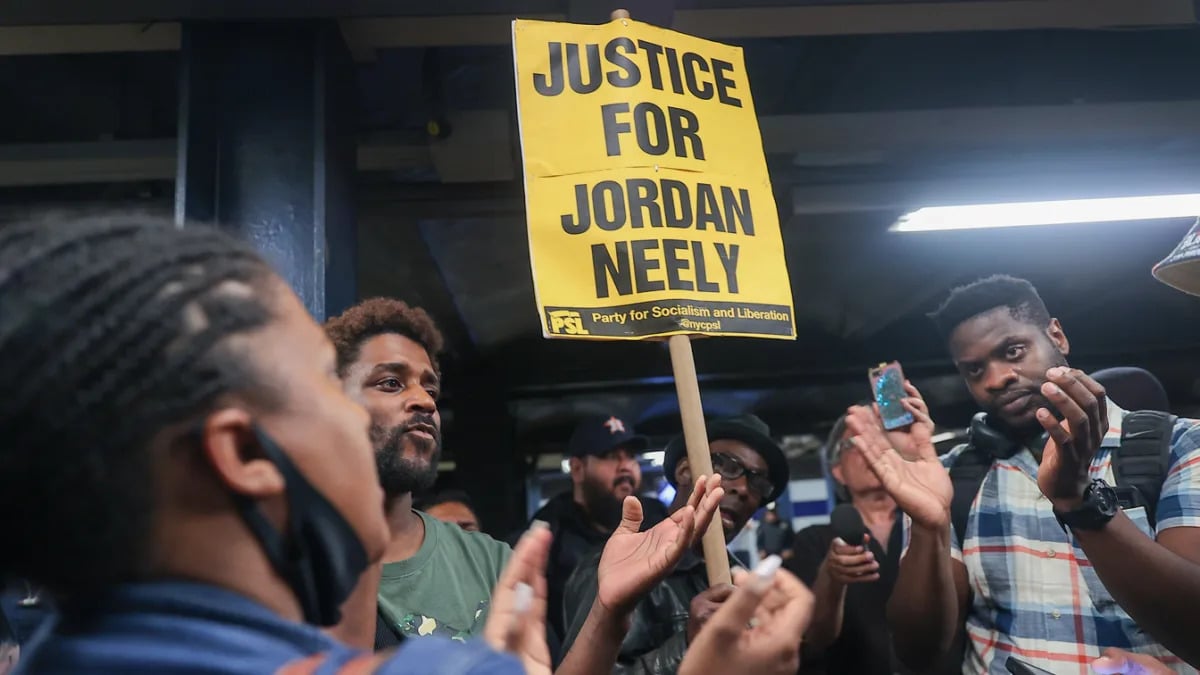
Advocates say the criminalization of homelessness and negative public perception of people who experience living on the streets may have acted as a precursor to the death of Jordan Neely, a young Black man who was killed on a New York City subway train after being deemed a threat. Neely grappled with both homelessness and mental health crises. A disproportionate share of the homeless population is Black, and then you tie that into having a mental health problem, that's another layer. Advocates have called out systematic overlappings and “gaping holes” that leave people vulnerable to homelessness, such as broken foster care systems, a lack of government funding, landlord discrimination in the state’s emergency housing voucher system, and understaffed Department of Homeless Services workers who face an insurmountable workload to secure housing and resources for people who need them.
Russia's State Duma is drafting amendments to ban the International Criminal Court's activities in Russia and criminalize public calls to enforce its decisions. The amendments aim to ban international organizations and their activities if they are directed against Russia and its citizens. The State Duma speaker has encouraged legislators to consider criminalizing any collaboration with the ICC or public calls to enforce its decisions on Russian territory. This comes after the ICC issued an arrest warrant for Vladimir Putin and a member of his administration in connection with unlawful deportations of Ukrainian children to Russia.
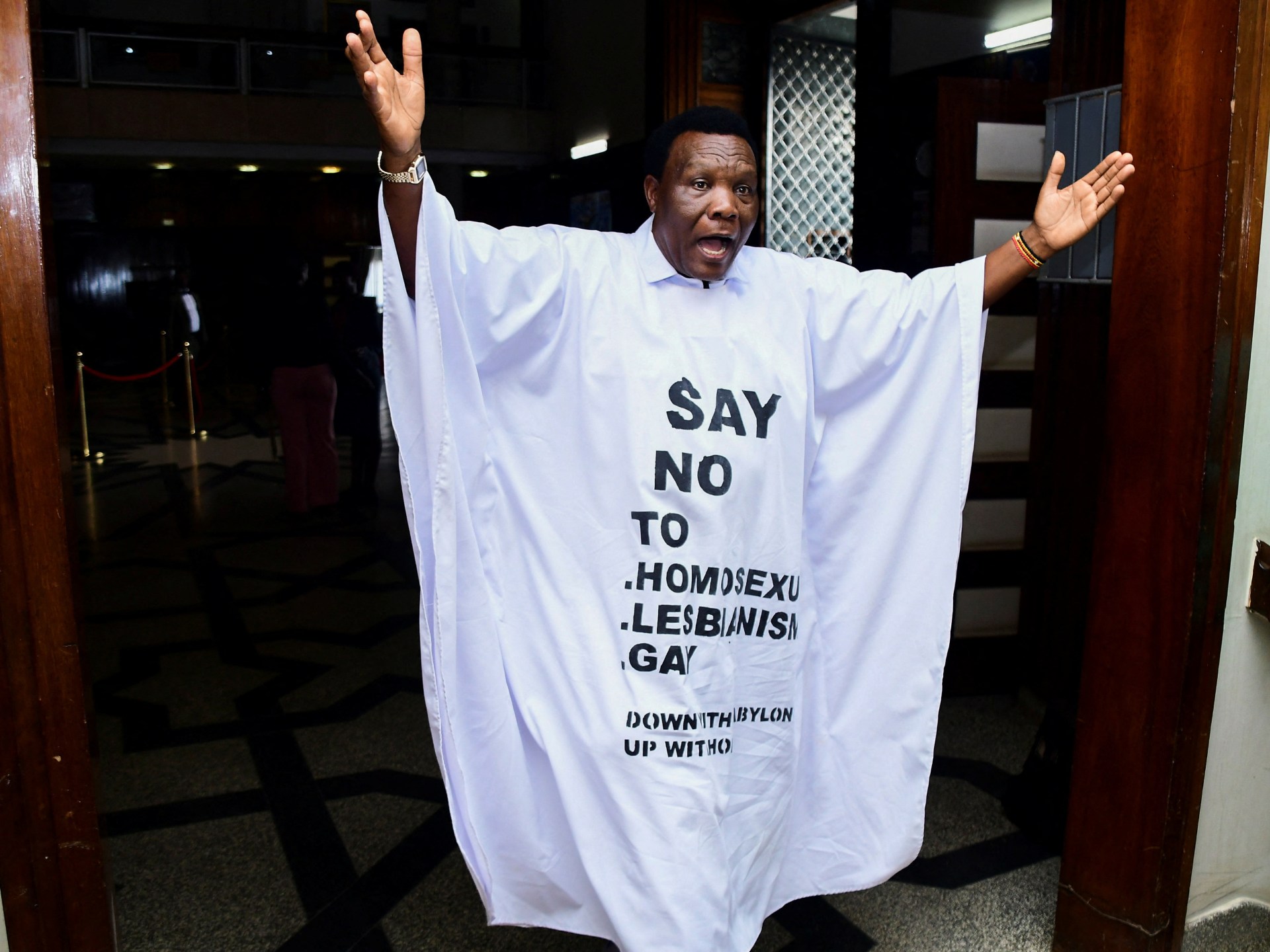
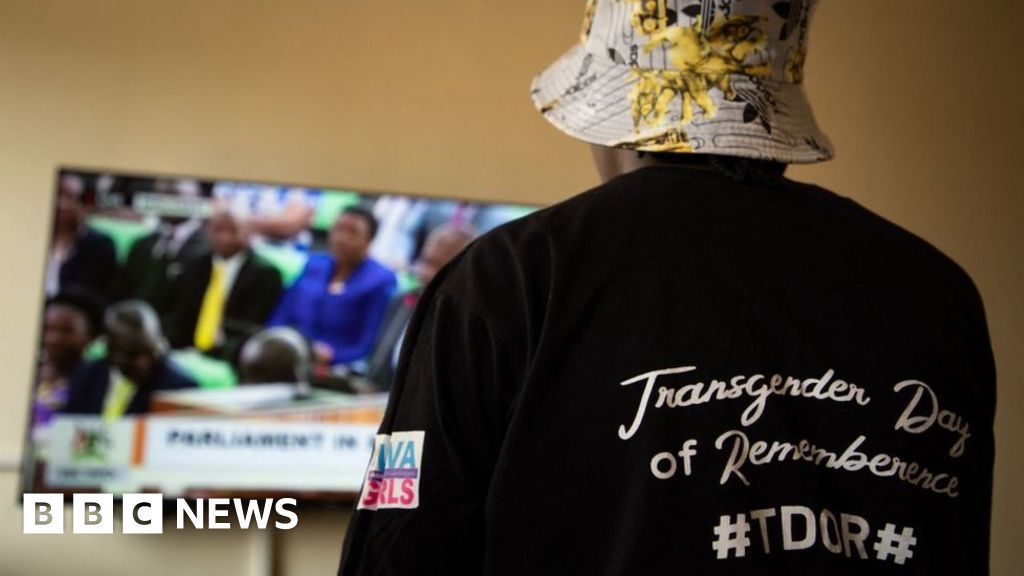
Uganda's parliament has passed a new anti-gay law that criminalizes anyone identifying as LGBTQ, making it the first law of its kind. The legislation also proposes tough new penalties for same-sex relationships, including death for so-called "aggravated" homosexuality and life in prison for gay sex. The law also bans promoting and abetting homosexuality as well as conspiracy to engage in homosexuality. Human Rights Watch has said the new law "would violate multiple fundamental rights guaranteed under Uganda’s Constitution and international human rights instruments to which Uganda is a party".
Uganda's parliament has passed a bill that would criminalize people who identify as gay or a sexual minority, with individuals facing lengthy prison terms if the bill is signed into law by President Yoweri Museveni. The bill seeks to criminalize people on the basis of their sexual identity, and friends, family, and members of the community would have a duty to report individuals in same-sex relationships to the authorities. The bill also stipulates that a person who is convicted of grooming or trafficking children for purposes of engaging them in homosexual activities faces life in prison.