U.S. stocks had a strong 2025, driven by tech and AI, with corporate America turning economic challenges into profits. Despite risks like geopolitical tensions and debt concerns, profits are expected to continue rising in 2026, supported by favorable monetary policy and tax reforms, indicating a healthy market outlook.

The U.S. economy grew by 4.3% in the third quarter, surpassing expectations, driven by strong consumer spending, exports, and government spending, despite ongoing inflation pressures. Corporate profits also increased significantly, indicating robust economic activity. The report was delayed due to the government shutdown and will be followed by a final estimate later.
The US GDP grew by 4.3% in Q3 2025, driven by increased consumer spending, exports, and government expenditure, despite a decline in investment; corporate profits also rose significantly, reflecting overall economic expansion amid a government shutdown impact.
Despite soaring corporate profits and stock market highs, the U.S. is experiencing a 'jobless boom' with nearly 1 million layoffs this year, driven by AI adoption boosting productivity and reducing demand for workers, even as the economy remains relatively stable.
The article discusses the impact of Trump's tariffs on inflation and corporate profits, highlighting that while tariffs have increased costs for companies, many are passing these costs onto consumers gradually, which could prolong inflation. Some companies benefit from tariffs through higher domestic demand, while smaller businesses face challenges in passing costs due to limited options. Overall, tariffs are influencing pricing strategies and profit margins across various sectors.
President Trump's tariffs, while generating significant revenue, are acting as a hidden tax on capital, leading to reduced corporate profits, slower hiring, and potential inflation, with businesses absorbing costs rather than passing them onto consumers, raising concerns about long-term economic impacts.
The stock market has responded positively to the Federal Reserve's first interest rate cut since December, with major indices reaching record highs, driven by optimism about lower borrowing costs and strong corporate earnings, despite concerns about economic slowdown and inflation. Analysts believe the rally may continue unless economic conditions deteriorate significantly, but warn about overvalued markets and potential risks ahead.
The U.S. economy grew by 3.3% in Q2 2025, driven by increased consumer spending and decreased imports, with revisions showing stronger investment and profits, indicating a positive economic outlook for the period.
Despite hotter-than-expected inflation data causing a stall in the market rally, investors remain optimistic, viewing the inflation as a sign of consumer resilience and potential for higher corporate profits, while also considering the impact of AI and tariffs on future economic growth.
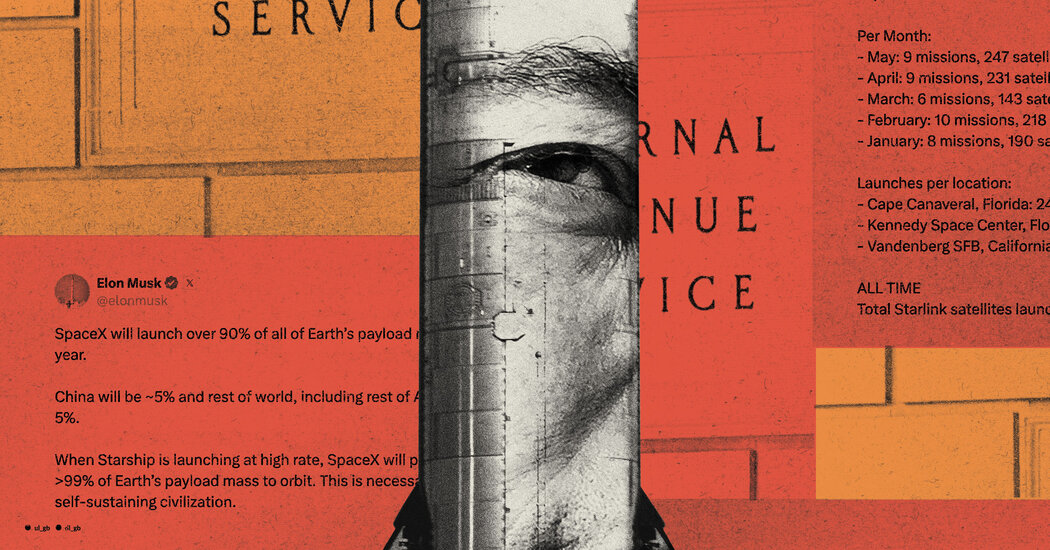
SpaceX, heavily reliant on federal contracts and with significant accumulated losses, has likely paid little to no federal income taxes since its founding, leveraging a legal tax benefit that allows it to offset future taxable income with past losses, raising questions about its tax contributions despite its profitability and government reliance.
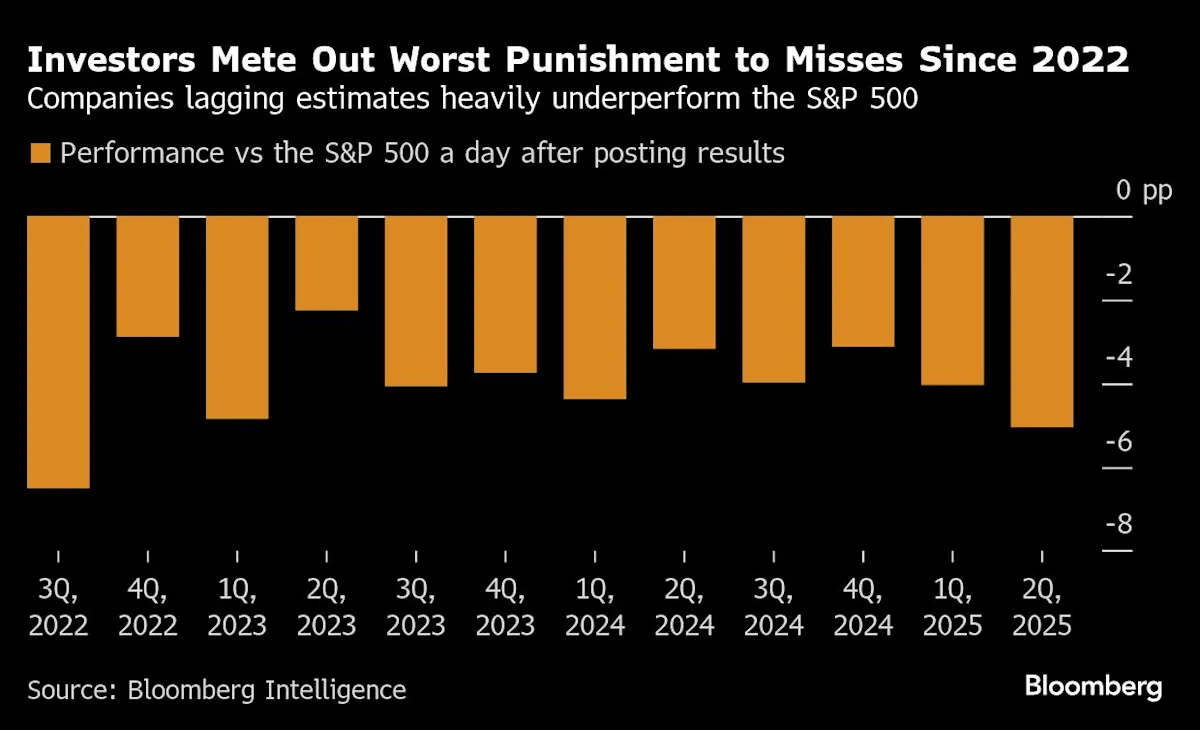
Despite strong second-quarter earnings from financials, Netflix, and airlines, the stock market has shown muted reactions, indicating that good news is already priced in and disappointments are heavily punished, with the S&P 500 nearing all-time highs amid high valuations.
Major US stock indexes rose despite trade fears, with upcoming earnings reports expected to shed light on tariffs' impact on corporate profits, particularly through changes in gross profit margins. The market remains near record highs, and economic indicators like the VIX are at low levels, suggesting investor confidence.
A UN report by Francesca Albanese accuses over 45 global entities of profiting from Israel's actions in Gaza, highlighting corporate complicity in human rights violations and international crimes, and exposing the intersection of profit and conflict in the region.
The US labor market shows signs of weakening with rising unemployment claims, declining corporate profits, and increased economic uncertainty due to tariffs and trade disputes, suggesting potential for a slowdown but not necessarily a recession.
US jobless claims increased more than expected last week, signaling rising layoffs amid economic uncertainty and declining corporate profits in Q1, with tariffs and trade policies adding to the economic outlook's dimming prospects.