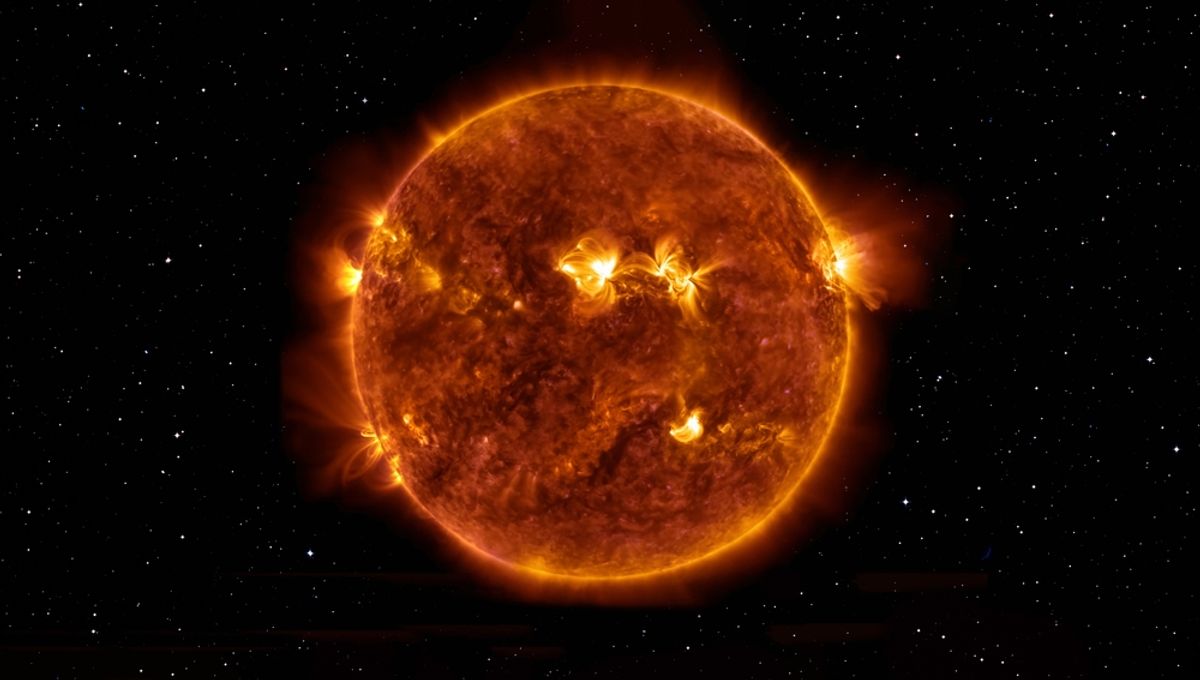
NASA's Parker Solar Probe has found evidence of a 'helicity barrier' in the Sun's atmosphere, which could help explain the long-standing mystery of why the Sun's corona is much hotter than its surface and improve understanding of solar wind acceleration. The study suggests that this barrier influences plasma heating and magnetic fluctuations, with implications for space weather and astrophysics. Further analysis is needed, but the findings are promising for solving key solar physics puzzles.

NASA's Parker Solar Probe has found evidence of a 'helicity barrier' in the Sun's atmosphere, which could help explain the long-standing mystery of why the Sun's corona is much hotter than its surface, by linking theories of turbulence and magnetic waves in plasma heating.
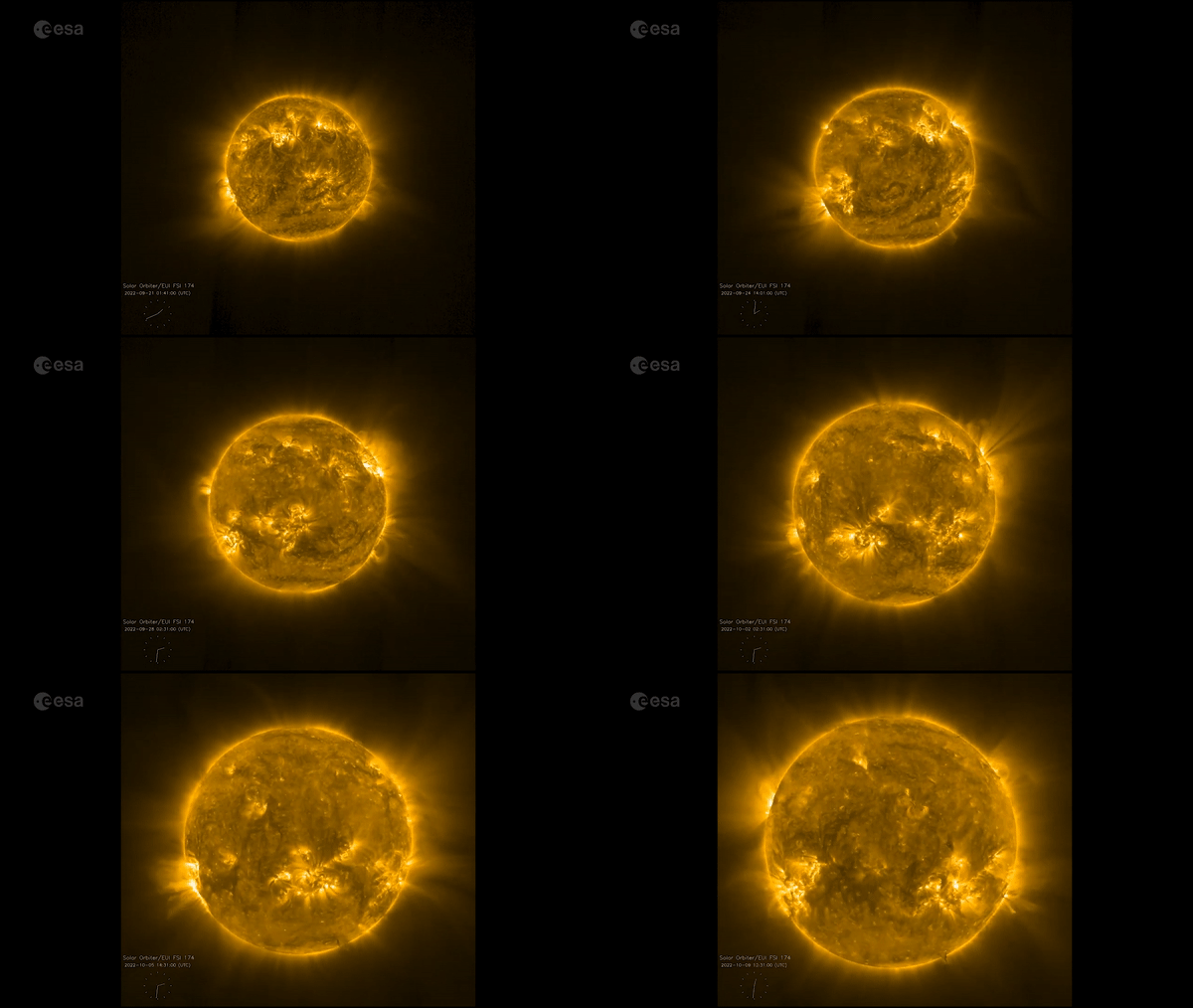
Solar Orbiter, a joint mission by the European Space Agency (ESA) and NASA, has captured images of tiny energy jets called picojets or picoflares on the sun's surface. These short-lived jets, lasting only 20 to 100 seconds, carry a significant amount of energy and could contribute to the mystery of why the sun's corona is much hotter than its visible surface. The spacecraft's discoveries also include flickering flares called campfires. By teaming up with NASA's Parker Solar Probe, Solar Orbiter aims to gather more data to better understand these phenomena and the origin of the solar wind.
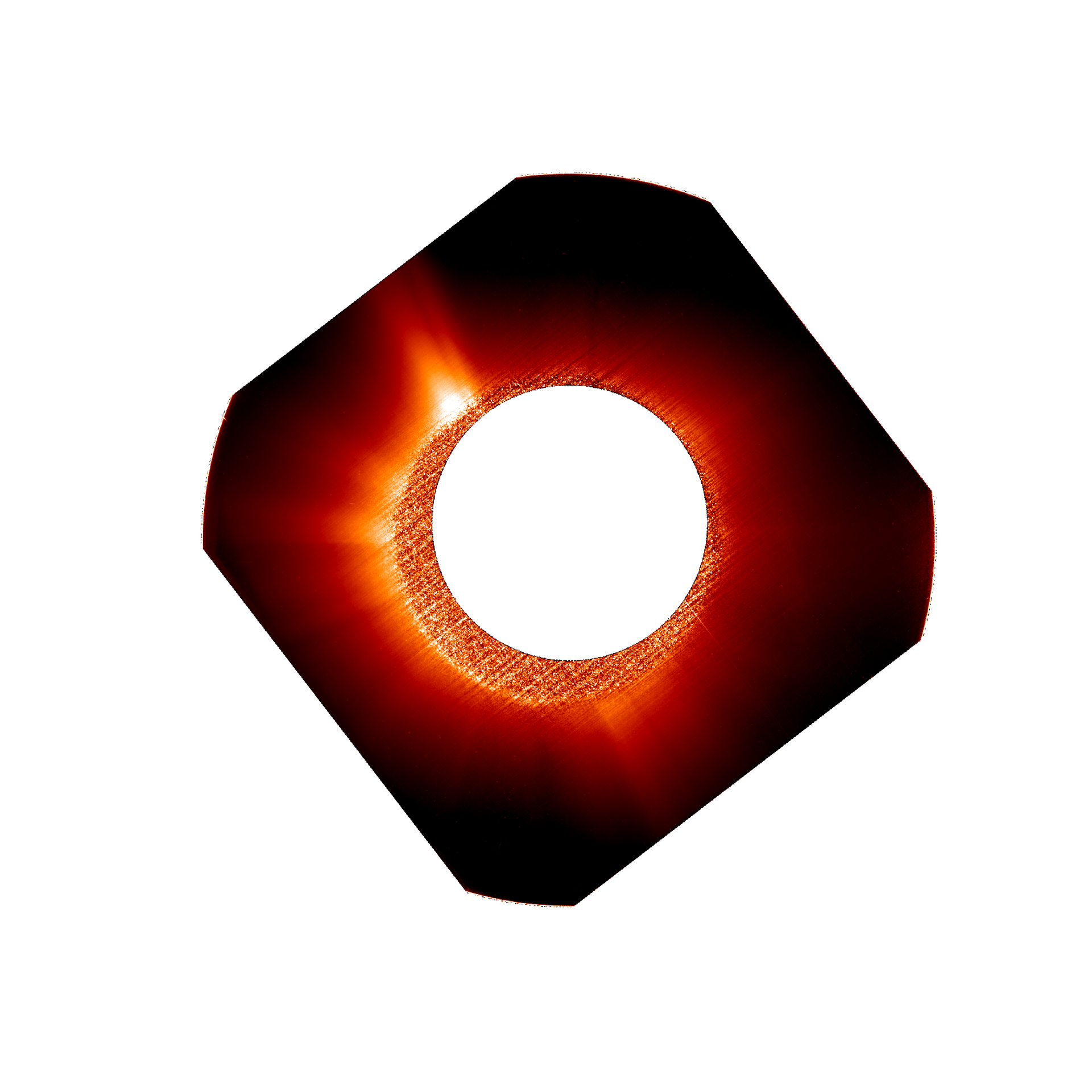
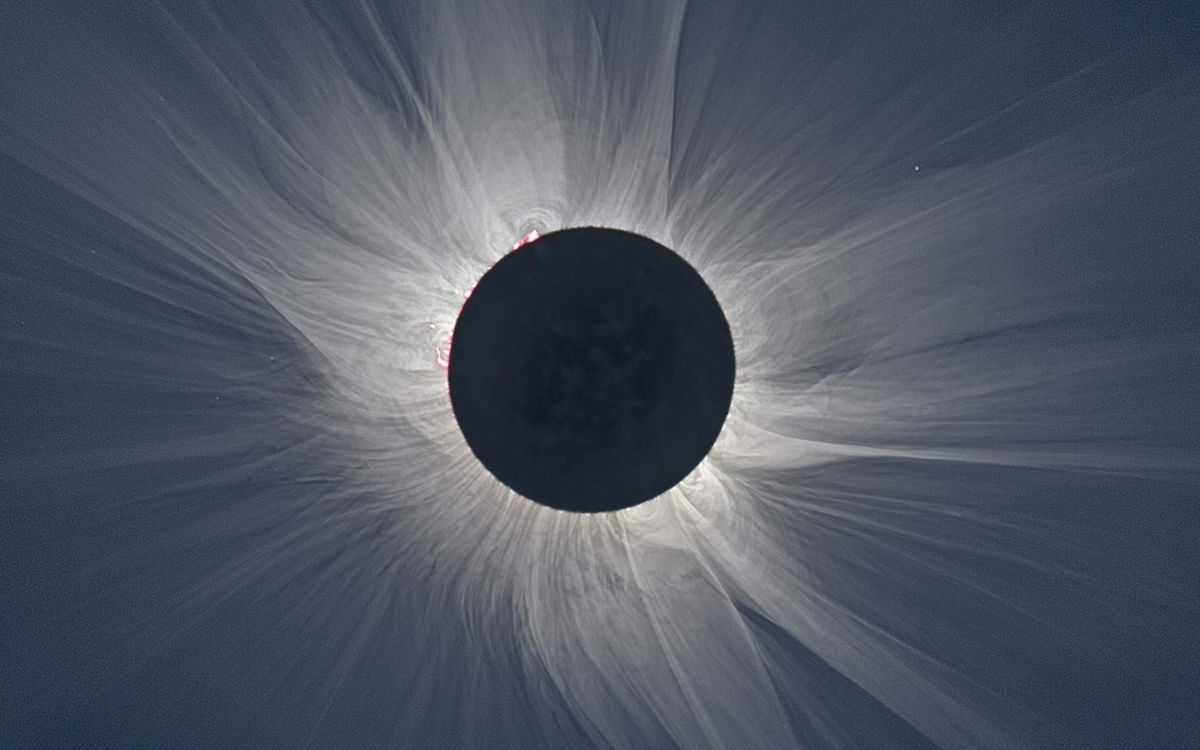
The Solar Orbiter spacecraft and NASA's Parker Solar Probe have provided the first simultaneous measurements of the large-scale configuration of the Sun's corona and the microphysical properties of the plasma, helping to solve the 65-year-old mystery of why the Sun's atmosphere is hotter than its surface. By comparing the newly measured rate of coronal heating to theoretical predictions, researchers have shown that turbulence in the solar atmosphere is likely responsible for transferring energy and heating the plasma. This groundbreaking research represents a significant step forward in understanding the coronal heating problem.
Scientists have discovered that weak but steady waves, known as low amplitude decayless kink oscillations, may explain the extreme heat in the sun's outer atmosphere, or corona. These waves, which do not decay in strength over multiple cycles, vibrate in the same direction and are likely associated with long-duration flows on the solar surface. The findings suggest that energy from the sun's surface can reach the corona and heat it, providing important insights into the long-standing question of what heats the sun's outer atmosphere.
Scientists using the Solar Orbiter spacecraft have discovered small-scale fast-moving magnetic waves on the sun's surface that may explain the inexplicably high temperatures of the corona, the sun's outer atmosphere. These waves produce significant energy and could account for the temperature difference between the sun's surface and the corona. The findings provide new evidence that magnetic waves play a key role in heating the corona, a mystery that has puzzled scientists for decades.
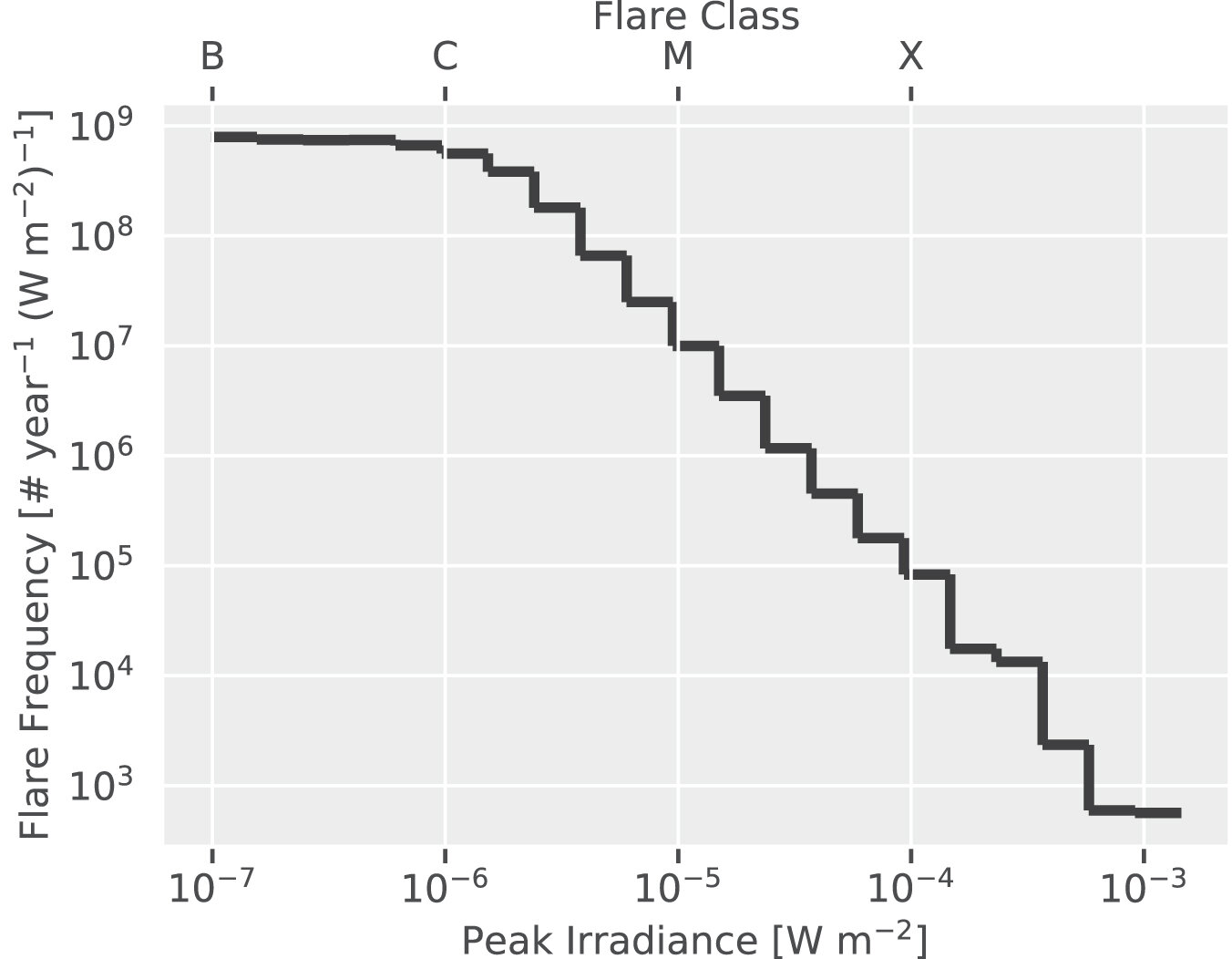
A team of physicists recruited around 1,000 undergraduate students at the University of Colorado Boulder to help answer one of the most enduring questions about the sun: How does the star's outermost atmosphere, or "corona," get so hot? The students' results cast doubt on the theory that especially tiny flares, or "nanoflares," may be responsible for superheating the sun's corona, as a popular theory in astrophysics suggests. The study's actual findings aren't its only important results. The students were able to learn first-hand about the collaborative and often-messy way that scientific research works in the real world.