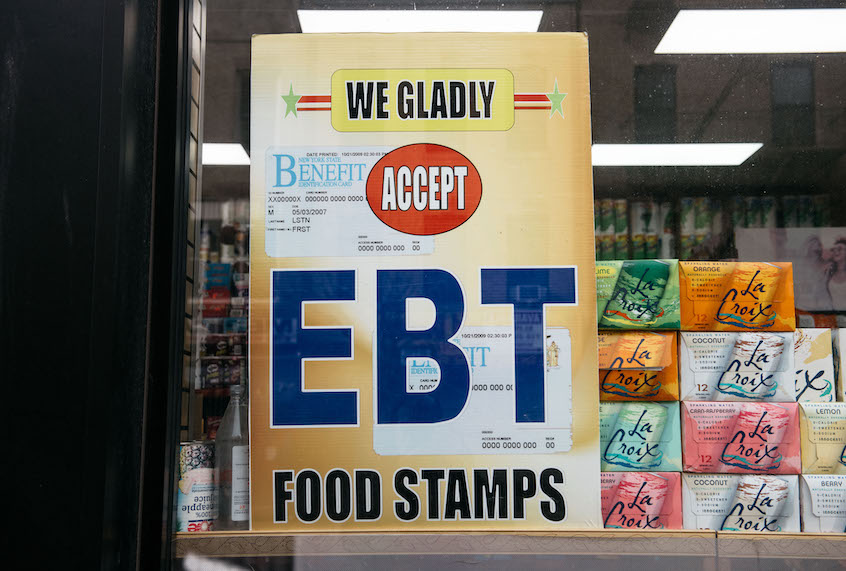
The article discusses the potential lapse of SNAP benefits amid the government shutdown, highlighting conservative rhetoric that criticizes the program and its recipients, while also pointing out the political motivations behind efforts to cut food assistance and the racial stereotypes used to justify these policies.
The film 'One Battle After Another' by Paul Thomas Anderson, based on a novel by Thomas Pynchon, has sparked controversy among conservatives who interpret its depiction of political violence and revolutionary characters as promoting radical left-wing terrorism, despite the film's underlying themes of community and optimism. Critics on the right focus on its violent sequences and political symbolism, while others argue it offers a nuanced, satirical view of political extremism and revolutionary ideals.
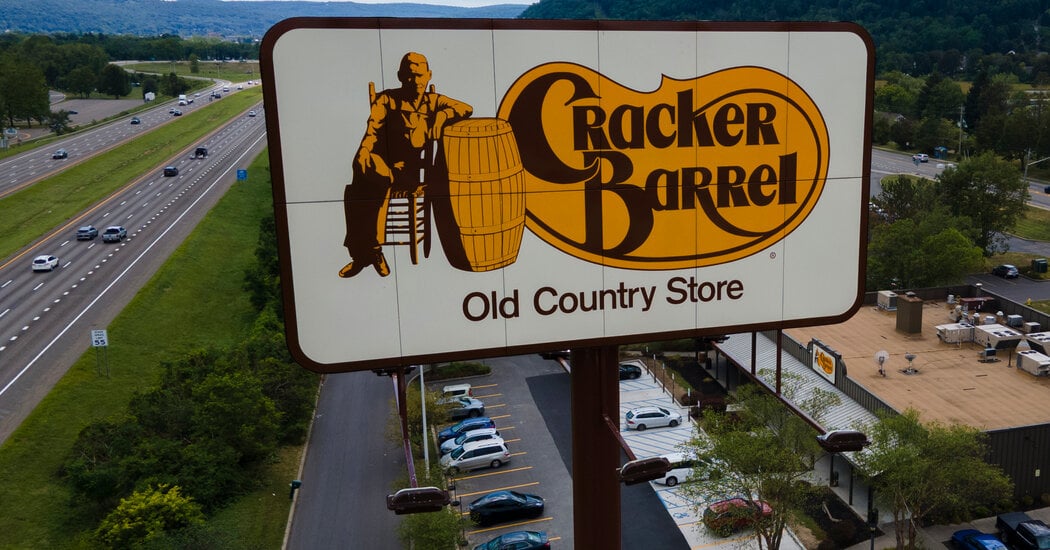
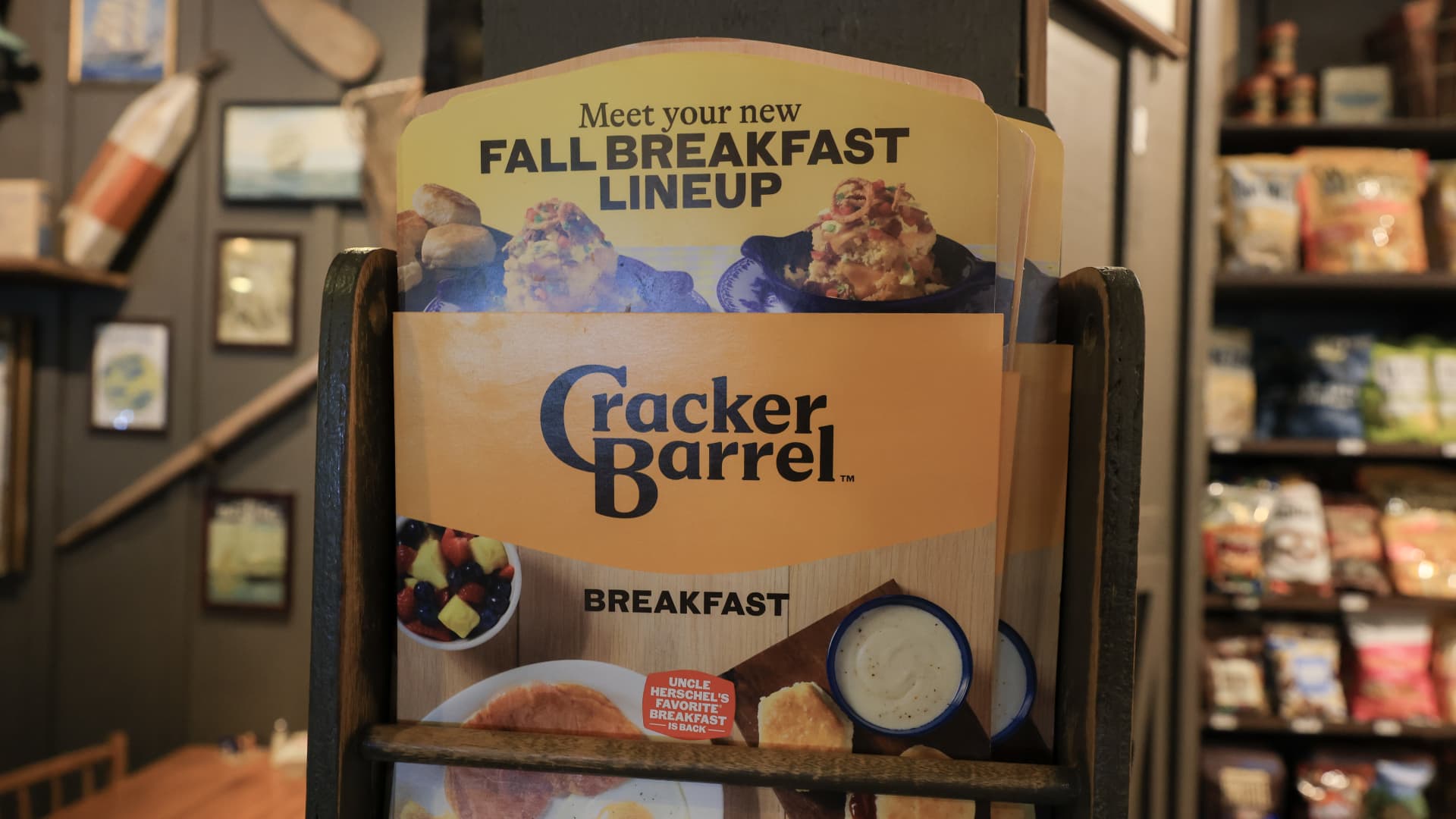
Cracker Barrel decided to keep its original logo after facing significant social media backlash, including from President Trump, over its planned rebranding that aimed to modernize its look but was criticized for losing its traditional farmhouse aesthetic and for perceived wokeness. The company acknowledged the feedback and reverted to its classic logo, emphasizing its commitment to its legacy and customer base.
Cracker Barrel's stock dropped about 10% following the unveiling of a new logo and brand refresh, which removed traditional imagery and sparked criticism from conservative circles and social media users, amid broader efforts to modernize the brand.
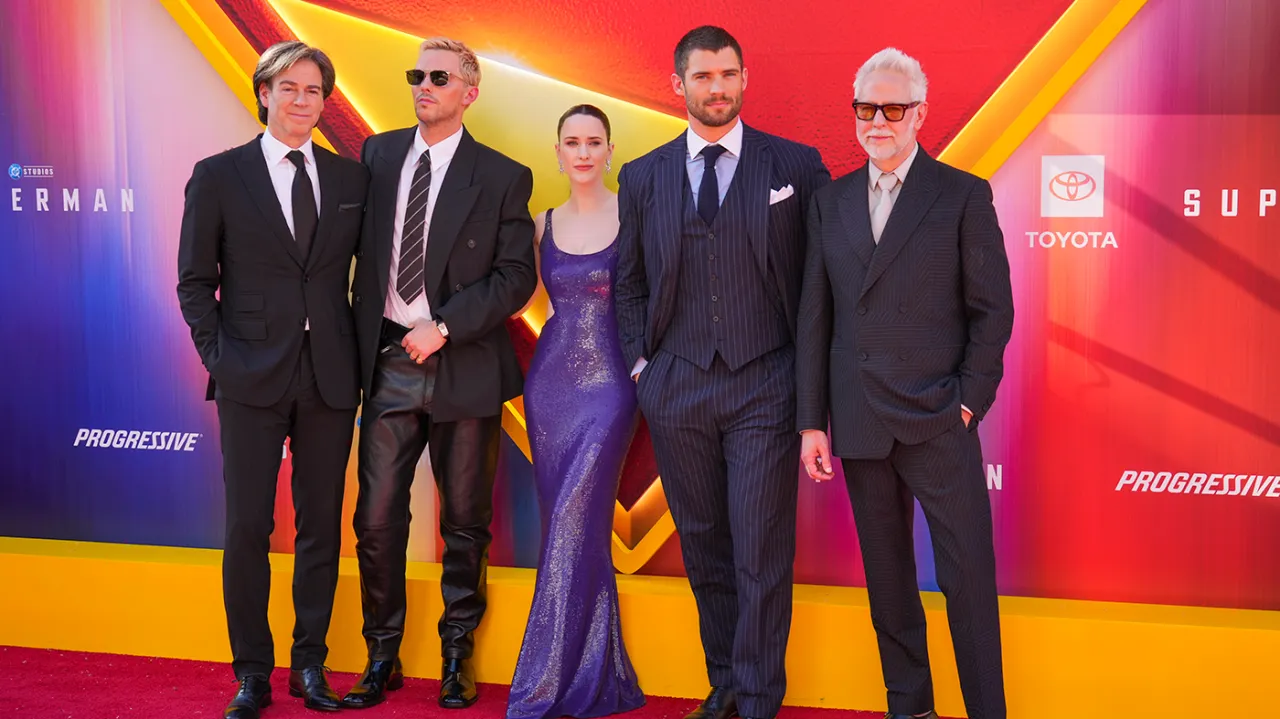
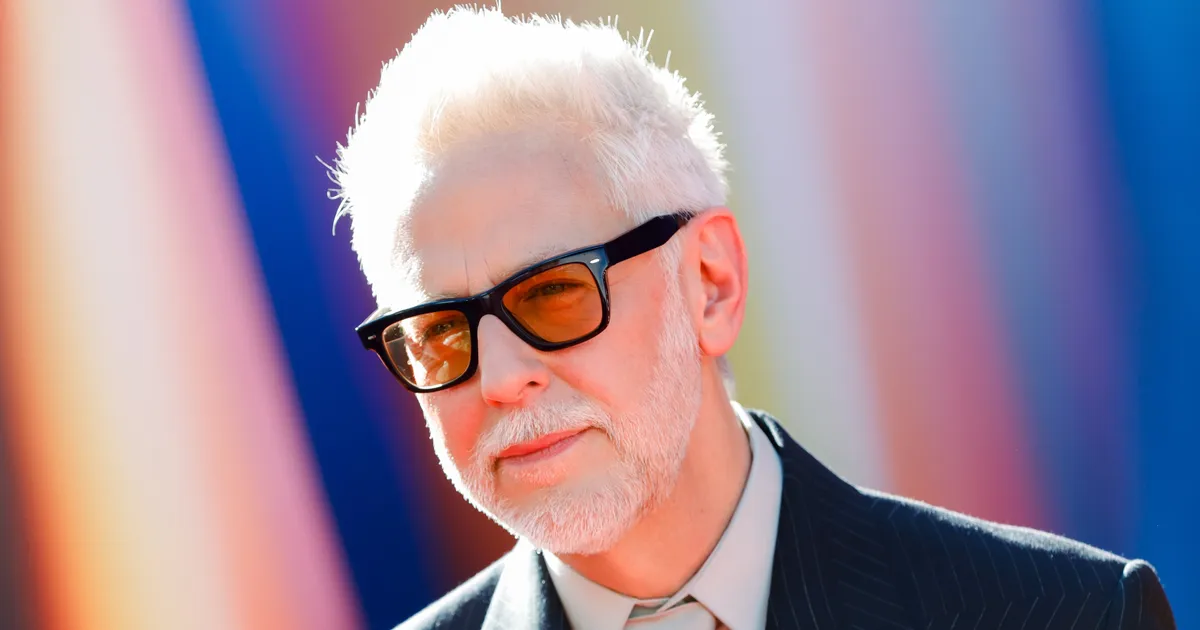
James Gunn's new Superman movie faces conservative backlash after he described Superman as an immigrant, sparking political controversy and affecting its box office prospects amid heightened political sensitivities.
Director James Gunn's new 'Superman' movie, which highlights the character as an immigrant and a story of kindness, faced right-wing criticism, but Gunn and his brother defend the message as universal and patriotic.
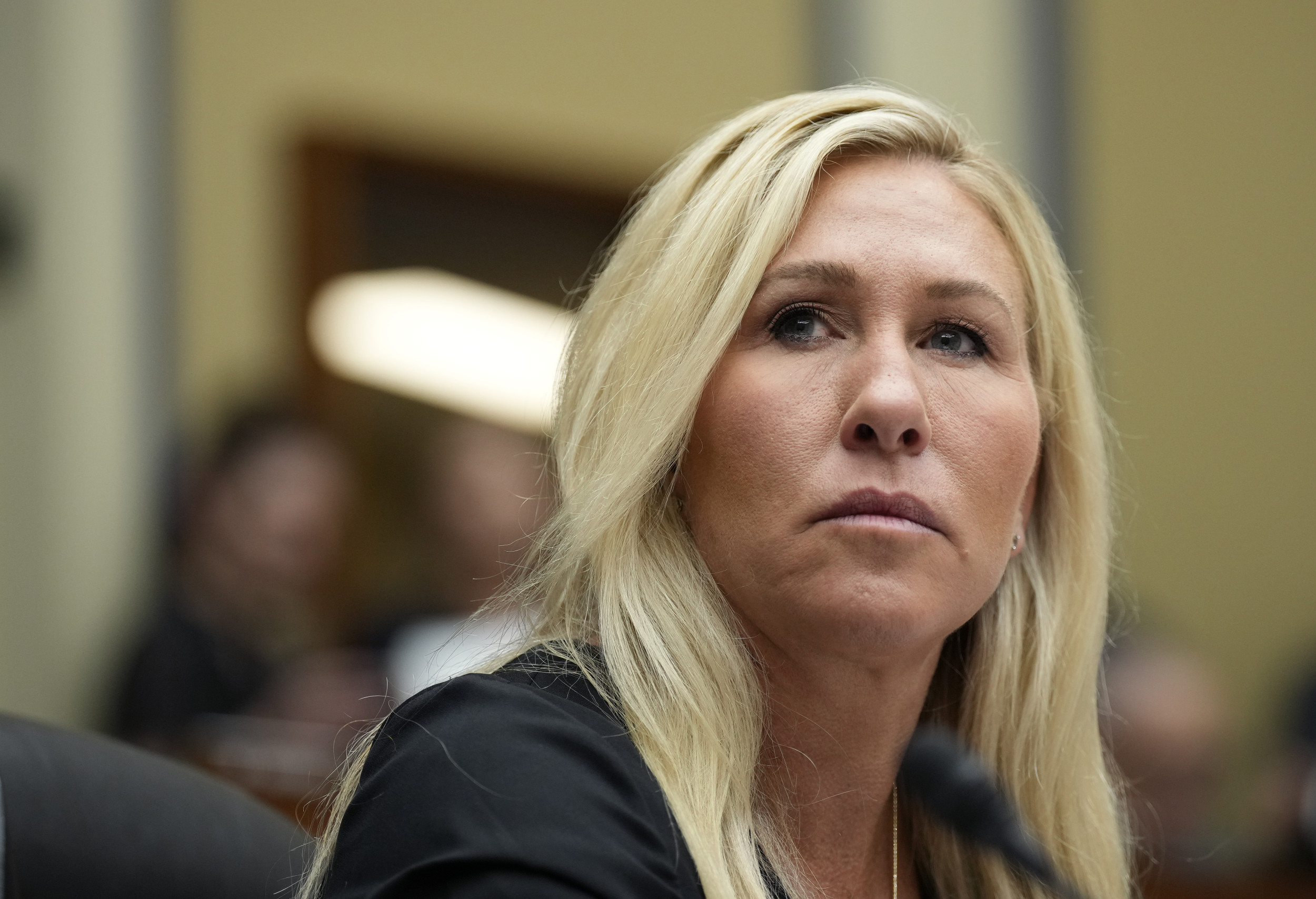
Representative Marjorie Taylor Greene faced criticism from the conservative Wall Street Journal's editorial board for her motion to oust House Speaker Mike Johnson, with the board likening her and her further-right colleagues to climate change protestors and accusing them of lacking a strategy beyond government shutdown threats. The editorial criticized Greene's move for potentially imperiling military support for U.S. allies and referred to her as "Mayhem Taylor Greene."
The Associated Press faced criticism for framing Laken Riley's murder as a concern for "female athletes" rather than addressing the suspect's illegal immigration and criminal record. Despite the suspect's immigration status and previous arrests, the AP's article focused on the dangers faced by female runners, prompting conservative backlash for what they perceived as a biased narrative. ICE confirmed that the suspect, Jose Antonio Ibarra, entered the U.S. illegally and had a criminal record, leading to calls for more transparent reporting on the case.
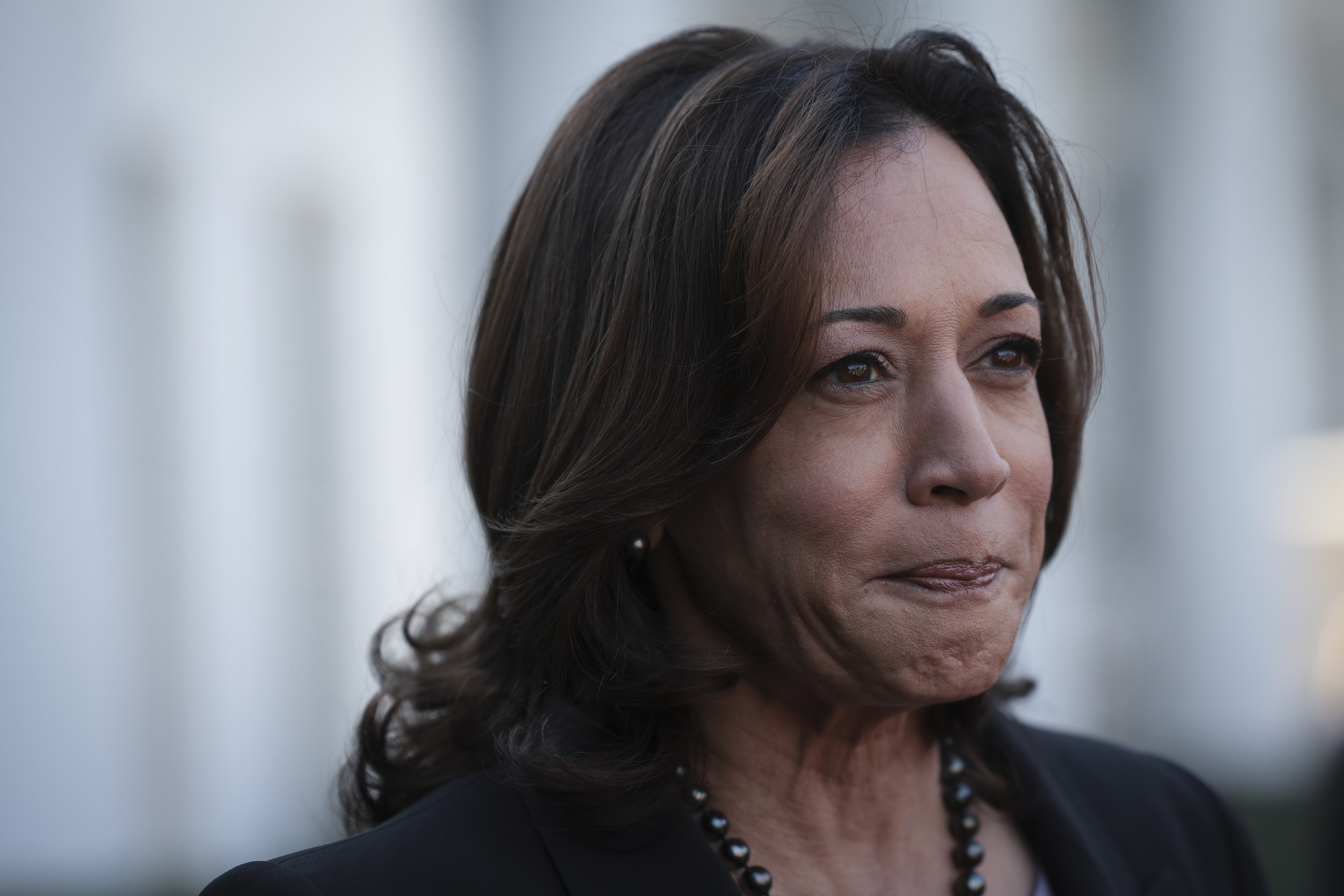
Vice President Kamala Harris' Thanksgiving photo of her cooking with her husband has sparked questions from conservatives due to the presence of a gas stove in their kitchen. Earlier claims that the Biden administration planned to ban gas stoves had caused controversy among right-wing figures. Although the U.S. Consumer Product Safety Commission (CPSC) had discussed the potential hazards of gas stove emissions, they clarified that they had no intention of banning them. Despite this, conservative commentators continue to use the gas stove issue to criticize the Biden administration.
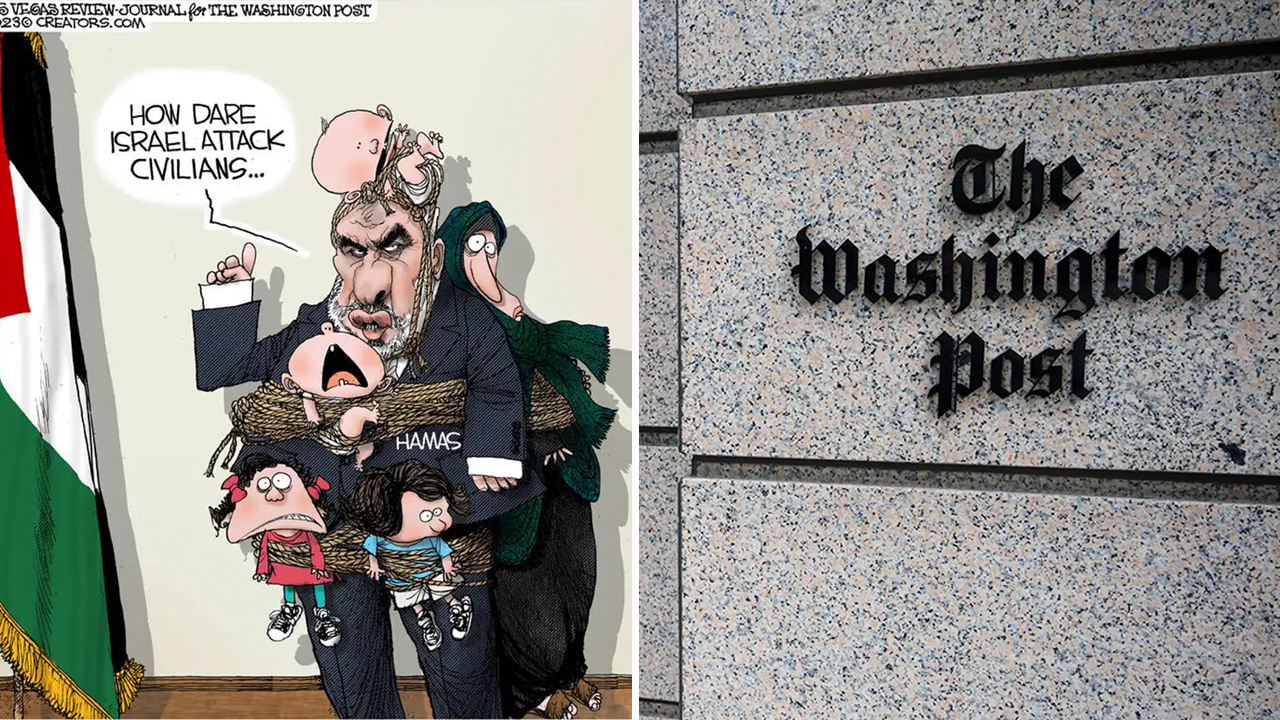
The Washington Post is facing conservative criticism for removing an anti-Hamas political cartoon titled "Human shields" by Michael Ramirez. The cartoon depicted a Hamas spokesperson using civilians as human shields. Some staffers expressed "deep concerns" about the panel, leading to its deletion and an apology from the Post. Conservative commentators online criticized the decision, arguing that it censored speech and failed to stand by the cartoon's message. The New York Post Editorial Board also criticized the apology, stating that it encourages censorship and goes against the Post's slogan of "Democracy dies in darkness." The opinions editor of the Post explained that the cartoon was seen as racist by many readers, leading to its removal.