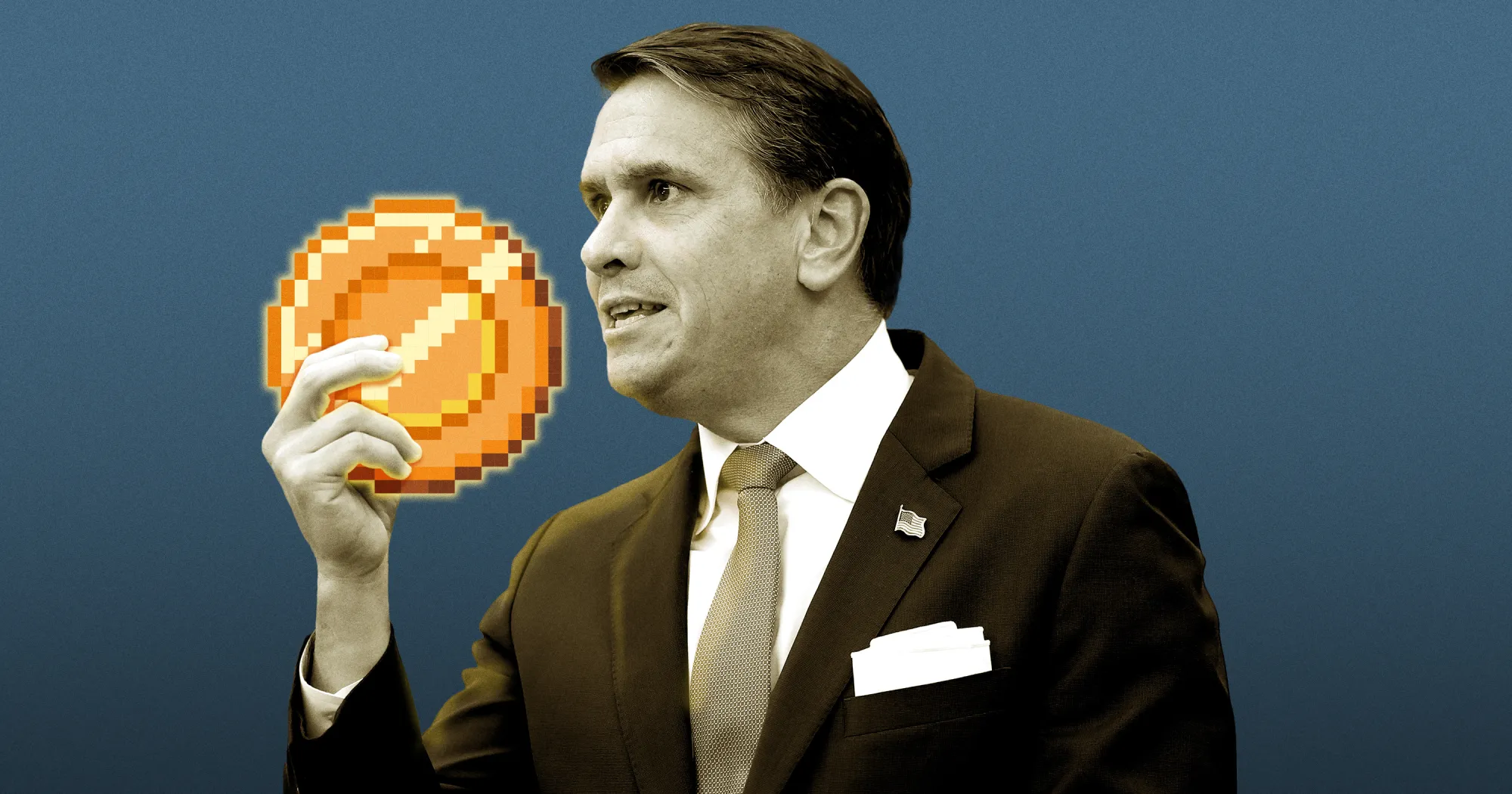
A top DOJ official, Todd Blanche, who held significant crypto investments, issued directives to halt crypto enforcement efforts during his tenure, violating conflict of interest laws, and later divested his assets by transferring them to family members, highlighting ethical concerns and the Trump administration's pro-crypto stance.
The article explores how the Trump family has leveraged their political power to expand their global business interests, raising concerns about corruption, conflicts of interest, and the potential impact on international relations and democracy.
The article discusses how former lobbyists who now hold key positions in the Trump administration, such as Attorney General Pam Bondi, Transportation Secretary Sean Duffy, and White House Chief of Staff Susie Wiles, are leveraging their previous connections to benefit their clients through increased lobbying activities, raising concerns about conflicts of interest and the influence of lobbying on government decisions.
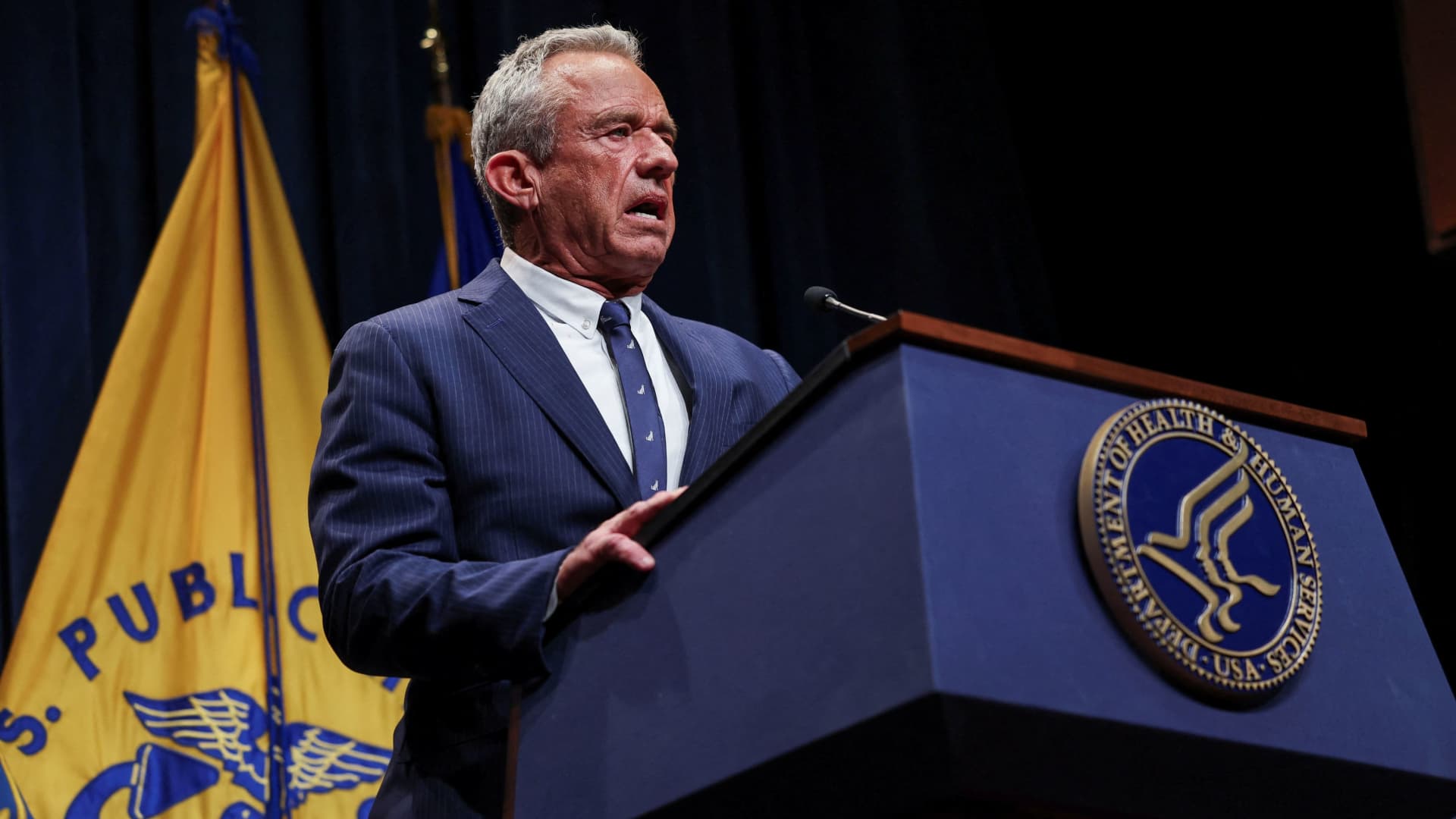
US Health and Human Services Secretary Robert F. Kennedy Jr. is considering appointing up to seven new members to the CDC's vaccine advisory panel, ACIP, amid controversy over conflicts of interest and unproven claims about vaccines, with the panel scheduled to meet in September to discuss COVID-19 and other vaccines.
During his time in office, Donald Trump engaged in a bond-buying spree, purchasing over $100 million worth of bonds from various entities including local governments and major corporations, raising questions about conflicts of interest and financial dealings while in office.
A new study challenges claims that conflicts of interest on U.S. vaccine panels are high, showing that conflicts have been historically low and mainly involve research support rather than personal income from vaccine makers, despite recent changes made by HHS Secretary Robert F. Kennedy Jr. The research suggests that concerns about conflicts may be overstated, even as Kennedy overhauls health agencies and questions vaccine policy integrity.
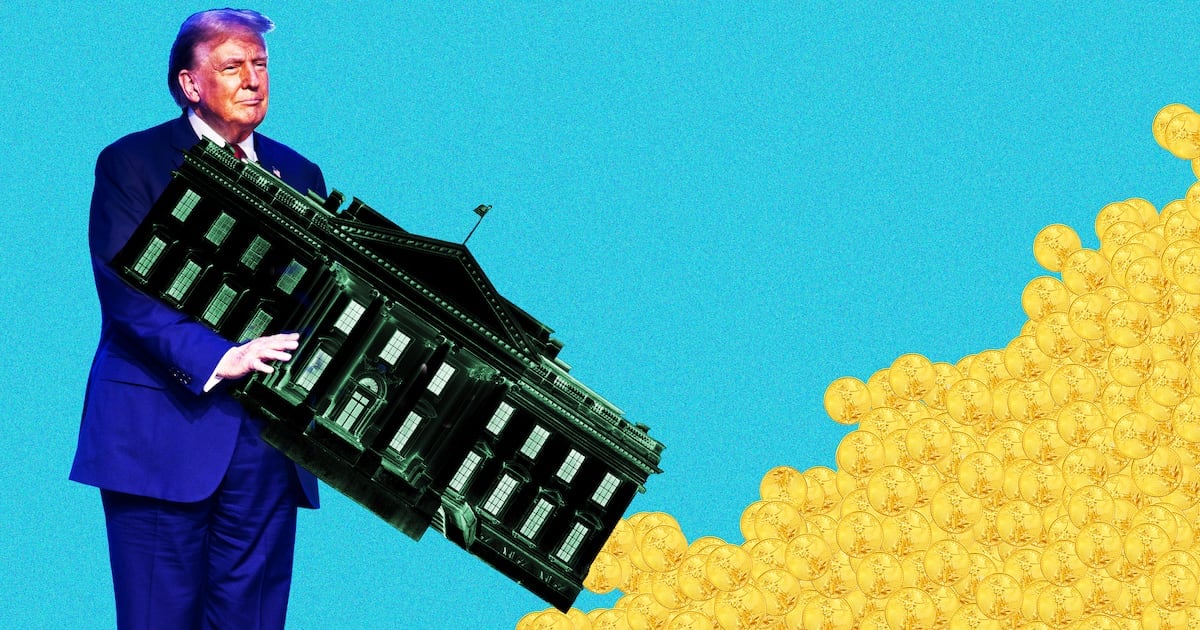
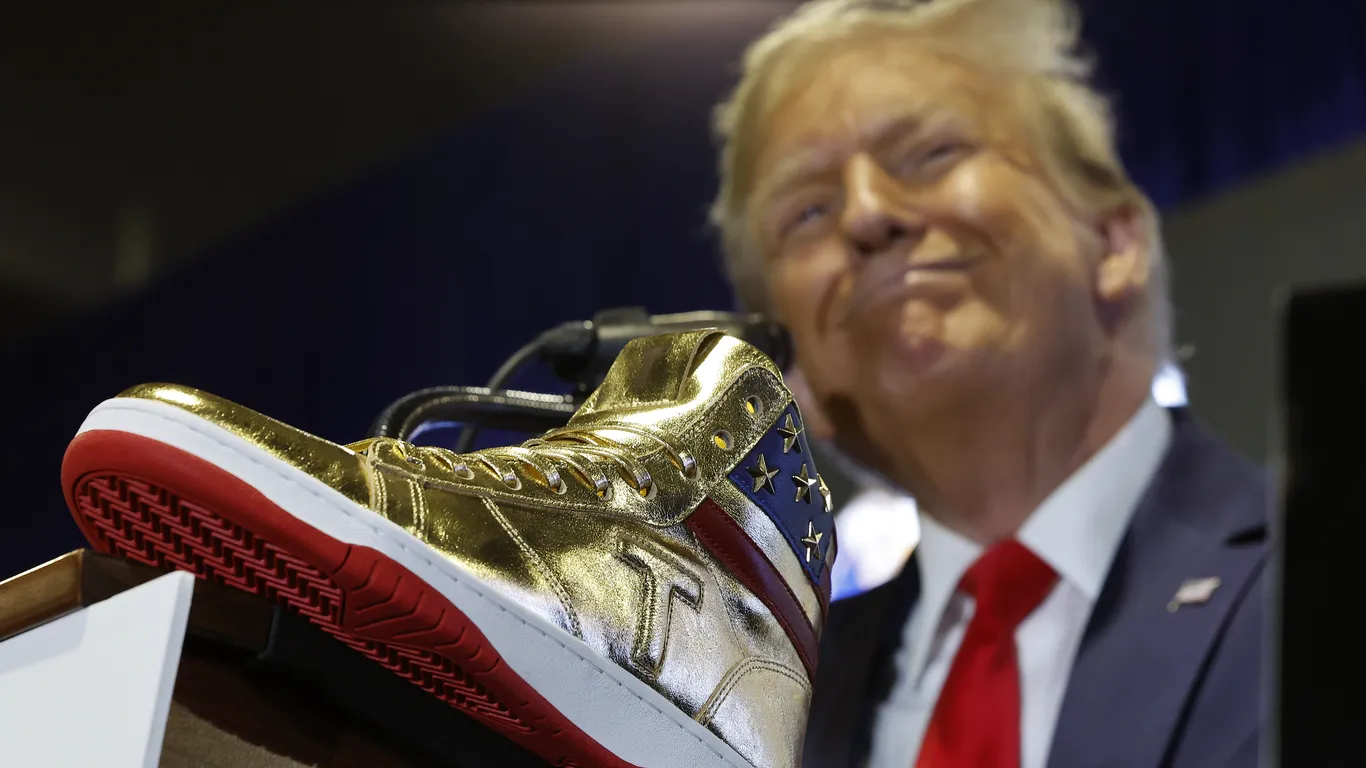
A report reveals Donald Trump and his family have profited over $3.4 billion during his presidency through various deals, investments, and merchandise, raising concerns about conflicts of interest and misuse of office for personal gain.
President Donald Trump opened a new golf course at his estate in Scotland during a visit that included political meetings and a controversial blending of his official duties with his business interests, amid ongoing debates about conflicts of interest.
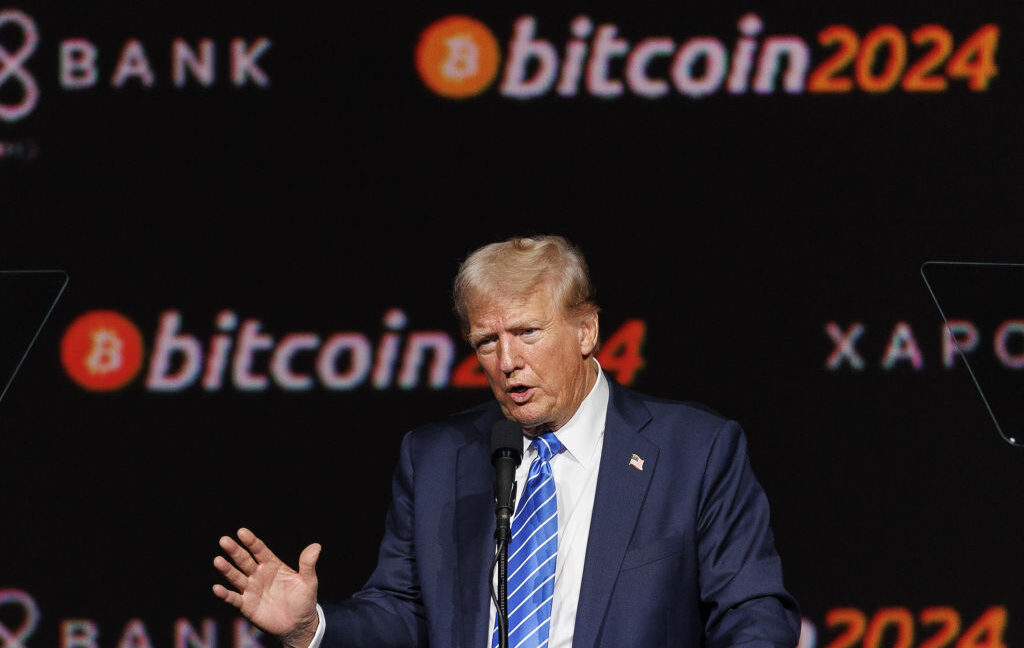
President Trump is urging the House to quickly pass the GENIUS Act, a bill establishing a framework for stablecoins in the U.S., despite concerns over conflicts of interest and broader crypto legislation debates. The bill has already passed the Senate but faces hurdles in the House, where lawmakers are considering combining it with other crypto laws. Trump also disclosed a $57 million profit from his crypto venture, raising questions about conflicts of interest.
The Senate passed the GENIUS Act, criticized for potentially enabling Trump to benefit financially from crypto-related deals and for lacking anti-corruption safeguards, with significant opposition from Democrats concerned about conflicts of interest and potential corruption.
President Trump disclosed assets exceeding $1.6 billion, including $600 million from his crypto ventures, merchandise sales, and licensing deals, while pursuing new business ventures like a U.S.-made smartphone, amid ongoing concerns about conflicts of interest and financial ties to his political activities.
Robert F. Kennedy Jr. announced a new group of vaccine advisers for the CDC, including individuals with controversial backgrounds such as posting Islamophobic comments and having financial ties to vaccine litigation, raising concerns about conflicts of interest and the influence of anti-vaccine sentiments on public health policy.
Health Secretary Robert F. Kennedy Jr. dismissed an entire vaccine advisory committee, citing conflicts of interest and political concerns, raising questions about the influence of politics on public health decisions and the legality of his actions.
US HHS Secretary Robert F. Kennedy Jr. dismissed the entire CDC vaccine advisory committee, citing conflicts of interest and lack of transparency, a move that has raised concerns about its impact on public health and vaccine trust.
US Health Secretary Robert F Kennedy Jr, a vaccine skeptic, has dismissed all 17 members of the Advisory Committee on Immunization Practices, citing conflicts of interest and a loss of public trust in vaccines, despite criticism from health experts and previous assurances of maintaining the committee. The move raises concerns about the future of vaccine recommendations amid ongoing public health challenges.