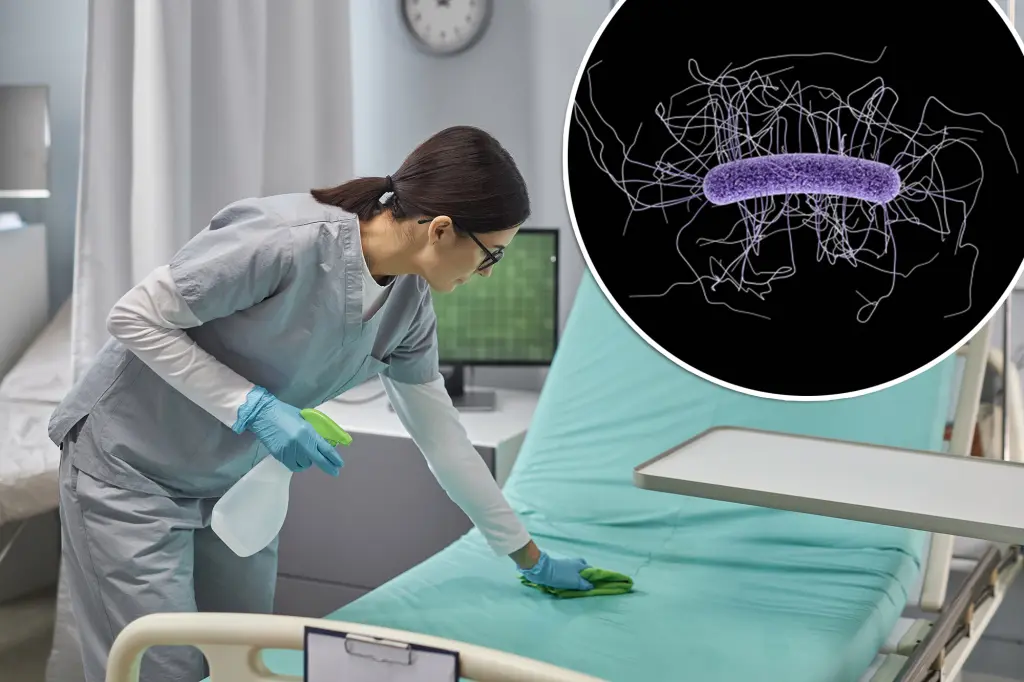
Common hospital cleaners, including bleach and chlorine chemicals, are ineffective in killing the deadly superbug Clostridioides difficile (C. diff), according to a study by the University of Plymouth. The rise in antimicrobial resistance (AMR) globally has made these cleaners less effective, posing a threat to human health. The research also found that C. diff spores can survive on personal protective equipment and hospital wear, highlighting the need for improved disinfection protocols in healthcare settings.
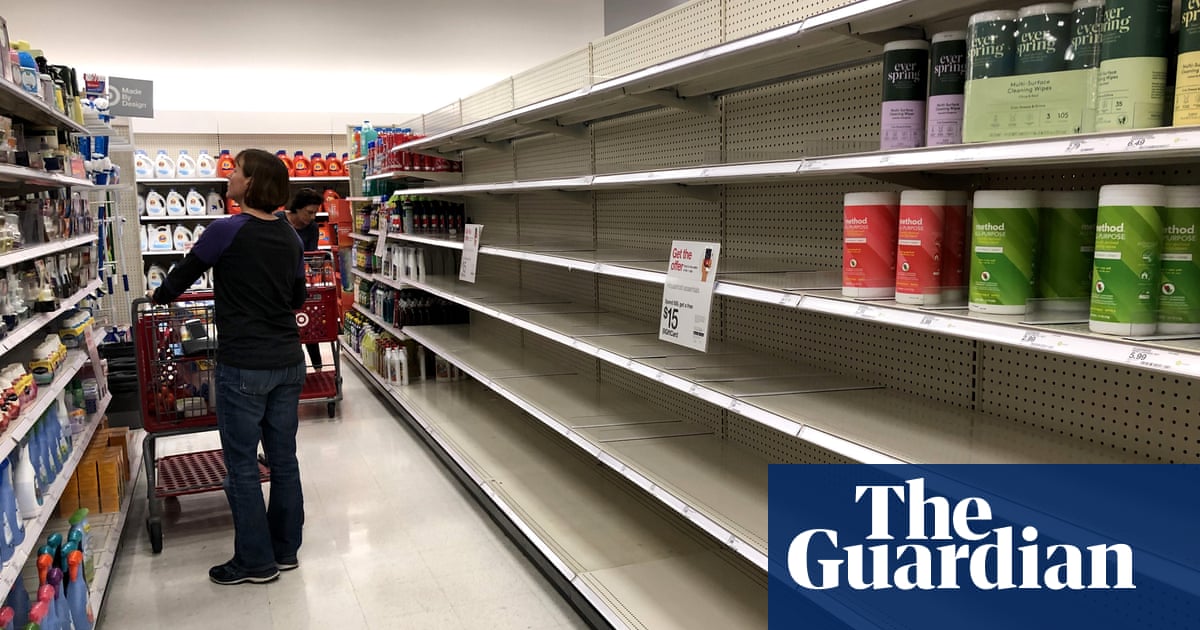
Disinfectant wipes containing quaternary ammonium compounds (QACs) are exposing people to dangerous chemicals that are linked to serious health problems, contribute to antimicrobial resistance, pollute the environment, and are not particularly effective against COVID-19. Recent research has linked QACs to infertility, birth defects, metabolic disruption, asthma, skin disorders, and other diseases. The chemicals are persistent and thought to be bioaccumulative, meaning they accumulate in human bodies and the environment. The paper calls on regulatory agencies to provide more clarity around the chemicals, including more research on quats’ health effects, better labeling, and elimination of non-essential uses.
Scientists warn that the increased use of quaternary ammonium compounds (QACs) in disinfectants during the COVID-19 pandemic is linked to health problems, antimicrobial resistance, and environmental harm. QACs are found in disinfectant solutions, wipes, hand sanitizers, sprays, and foggers, and are also being incorporated into personal care products, textiles, paints, medical instruments, and more. The scientists recommend eliminating unnecessary uses of QACs and requiring full disclosure of QACs in all products to reduce health hazards and environmental harm.
The use of antimicrobial cleaners increased during the pandemic, but experts warn that repeated inhalation or skin contact with the chemicals used in those products may be harmful over time. The most concerning disinfecting chemicals are quaternary ammonium compounds (Q.A.C.s) and bleach, which have been linked to skin irritation, asthma, and other lung problems. Simple soap and water is sufficient for regular cleaning, and safer alternatives include disinfecting products that use hydrogen peroxide or citric acid. If harsher chemicals are needed, it's important to follow guidelines and use them safely.