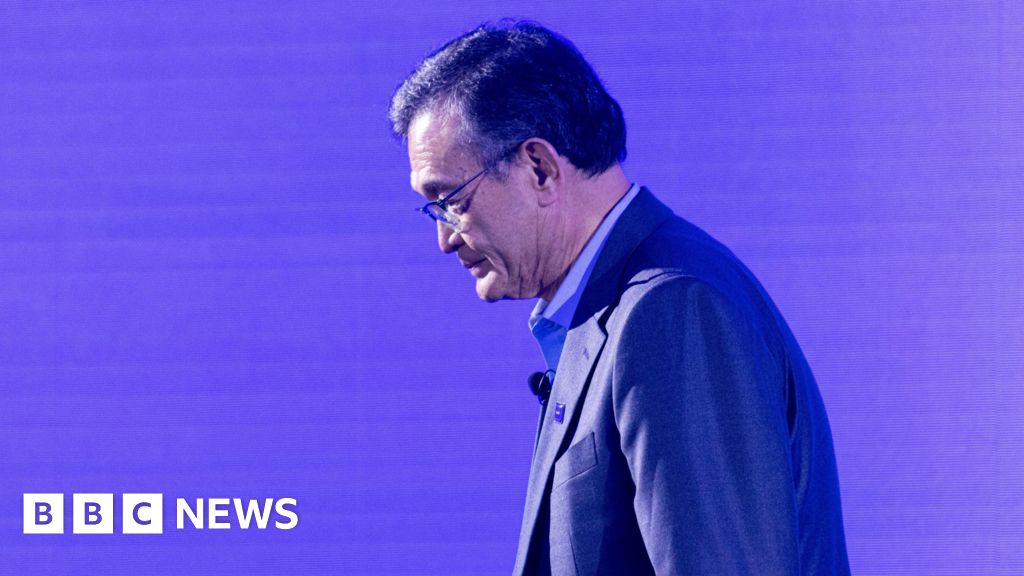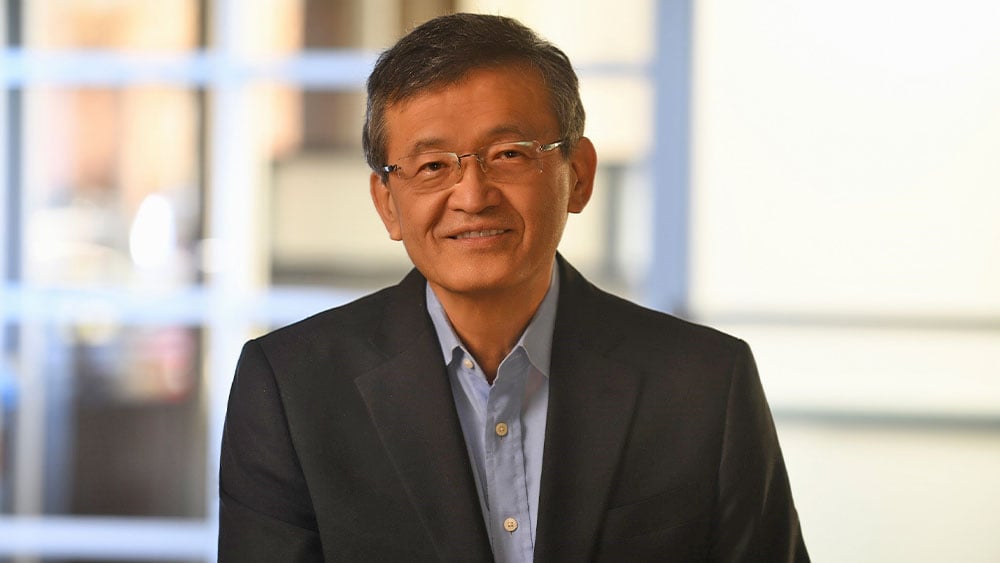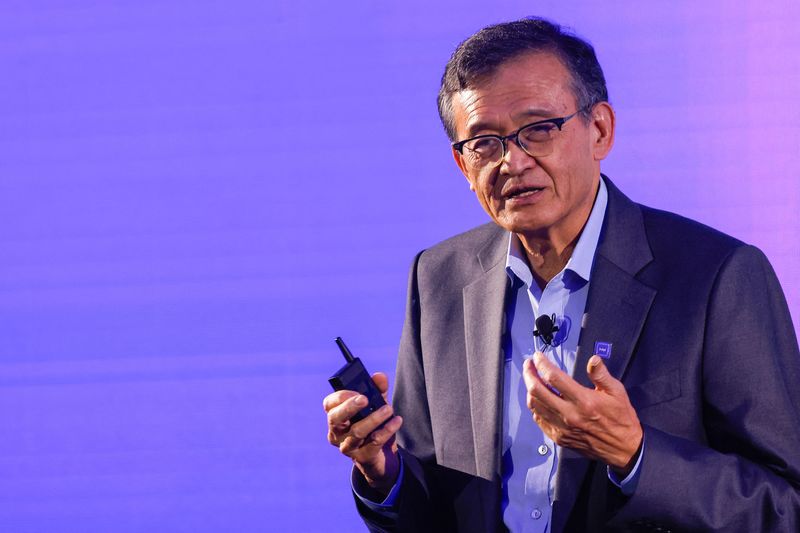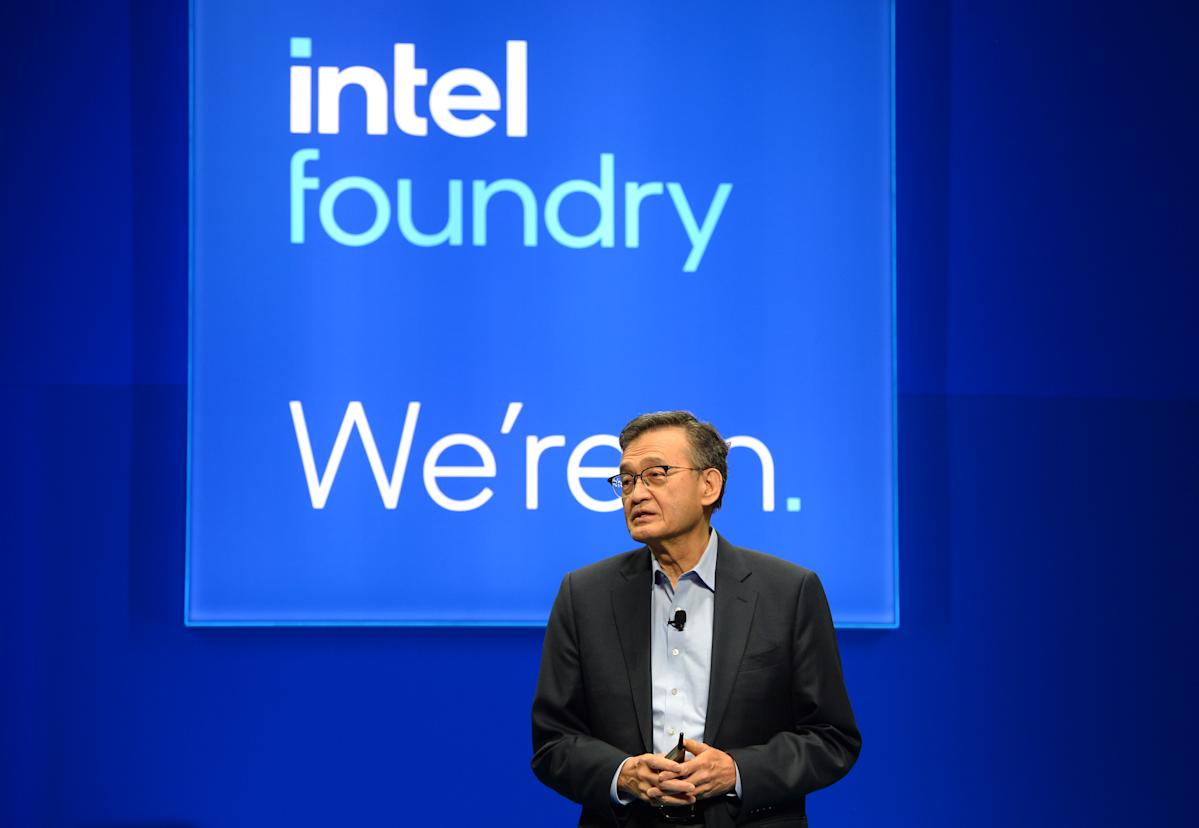
Intel's CEO Lip-Bu Tan has gained President Trump's support after a meeting that seemingly addressed concerns over his ties to Chinese firms, which had previously led to calls for his resignation due to security concerns. Tan clarified his compliance with legal standards and discussed ongoing communication with the White House to resolve misinformation and security issues.

President Trump demanded Intel CEO Lip-Bu Tan resign over alleged Chinese ties, raising concerns about national security and the company's ability to fulfill U.S. obligations, though Intel defended Tan's commitment to American interests amid market fluctuations.
President Trump called for Intel CEO Lip-Bu Tan to resign over alleged China ties, citing conflicts of interest related to investments in Chinese companies linked to the military. The demand is unusual for a sitting president and comes amid broader US-China tensions and scrutiny of tech industry investments. Intel defended its commitment to US security and its investments, while critics and industry experts see the move as politically motivated amid ongoing US efforts to bolster domestic chip manufacturing.
Intel's stock dropped 3.1% after President Trump called for CEO Lip-Bu Tan's resignation, citing conflicts related to his ties to Chinese firms amid ongoing concerns about national security and Intel's recent struggles to compete with rivals like AMD and Nvidia.
President Donald Trump has called for Intel CEO Lip-Bu Tan to resign immediately due to alleged ties to Chinese tech firms, raising concerns about national security and conflicts of interest amid Intel's ongoing struggles and layoffs.
President Trump demanded Intel's CEO resign over alleged Chinese ties, citing national security concerns and political pressure amid ongoing tensions in the semiconductor industry, which is crucial for AI development and U.S. economic competitiveness.
U.S. President Donald Trump demanded Intel's CEO Lip-Bu Tan resign due to his investments in Chinese firms linked to the military, raising concerns about conflicts of interest amid efforts to bolster U.S. domestic chip manufacturing. The call for resignation has impacted Intel's stock and sparked debate over presidential influence in corporate leadership.
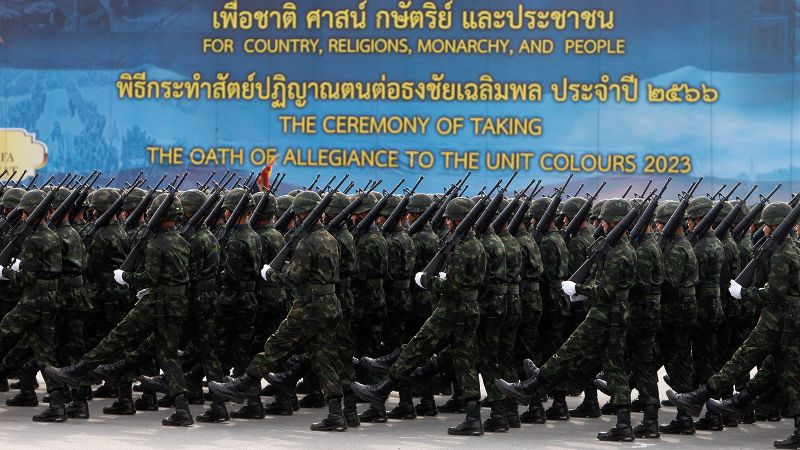
The conflict between Thailand and Cambodia over disputed territory involves a well-equipped Thai military backed by the US and a younger Cambodian force with strong China links, with Thailand holding significant military and economic advantages, but terrain and strategic factors influencing the ongoing clashes.
The family of Jane Wu, a Chinese American neuroscientist at Northwestern University who died by suicide after her lab was shut down amid an investigation into her China ties, has filed a lawsuit alleging discrimination and wrongful treatment by the university, which they claim contributed to her death. The case highlights issues of racial profiling and the treatment of Asian scientists in the US.
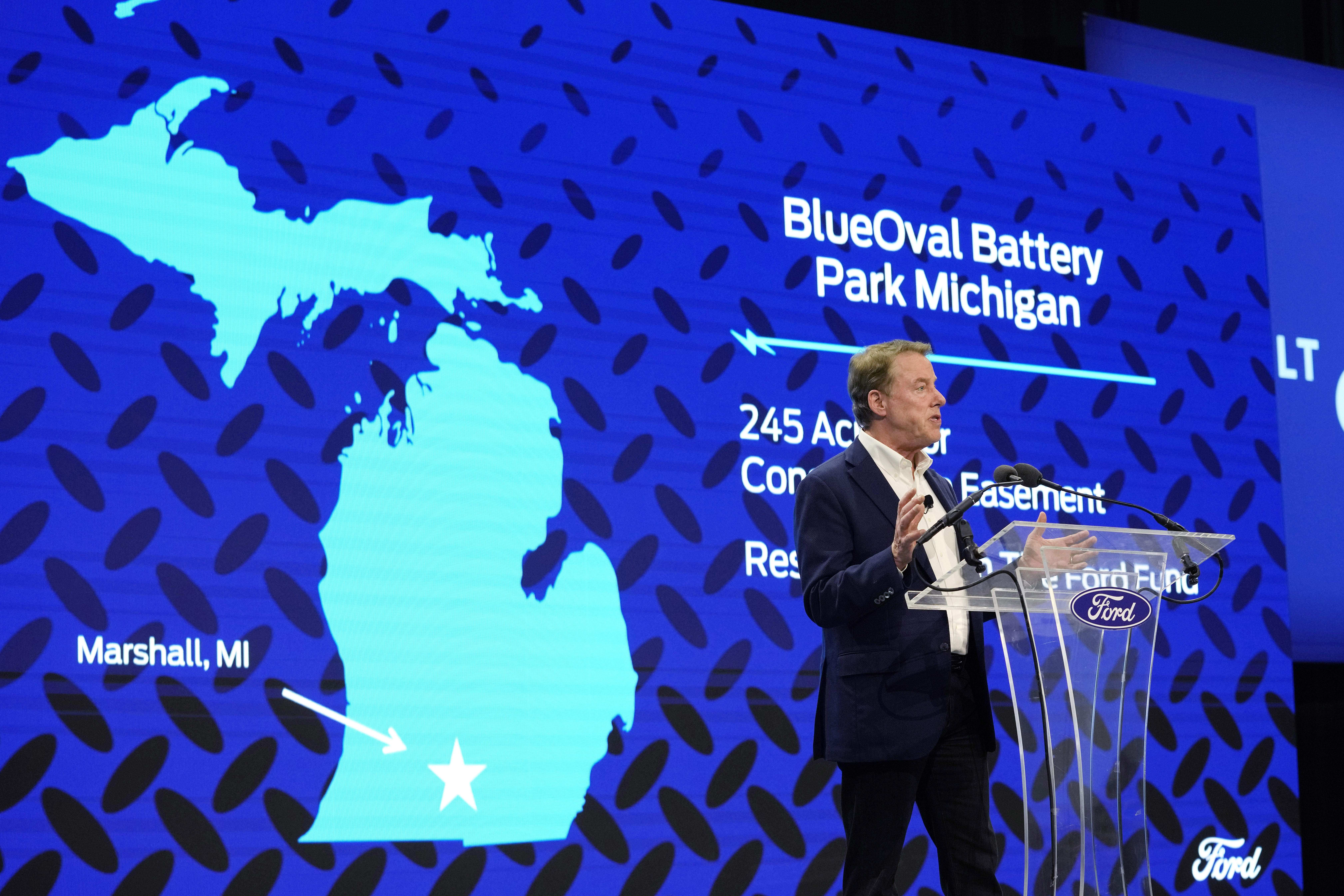
Ford is halting construction on its planned electric vehicle battery plant in Michigan due to concerns over its ability to competitively operate the facility. The decision comes amid criticism from Republicans over the company's use of licensed Chinese battery technology. The pause in construction coincides with the ongoing United Auto Workers strike against Ford, GM, and Stellantis, which is expected to raise labor costs for automakers as they shift focus to producing electric vehicles. The planned $3.5 billion plant in Marshall, Michigan, would employ 2,500 workers and become the first automaker to manufacture next-gen lithium, iron, phosphate batteries on U.S. soil.
The Biden administration has canceled a $200 million grant to Microvast, a US battery manufacturer, due to criticism from Republican lawmakers over the company's alleged ties to China. Microvast was one of 20 companies to win preliminary grants totaling $2.8 billion to boost domestic manufacturing of batteries for electric vehicles. The Energy Department said it "maintains a rigorous review process" and it is not uncommon for entities selected to participate in award negotiations to ultimately be denied a federal grant. Both Republicans and Democrats praised the department's decision.
The US Energy Department has informed Microvast Holdings that it will not award the company a $200m grant to help build a plant in Tennessee, after lawmakers raised concerns over its alleged links to China's government. Two Republican lawmakers criticized the decision to grant the funding in a letter last December to Energy Secretary Jennifer Granholm, saying Microvast had ties to the Chinese Communist Party that raised "serious concerns about the department’s ability to protect US taxpayer dollars." The grant had been set to support work by General Motors and Microvast on developing specialized EV battery separator technology and building a new separator plant.