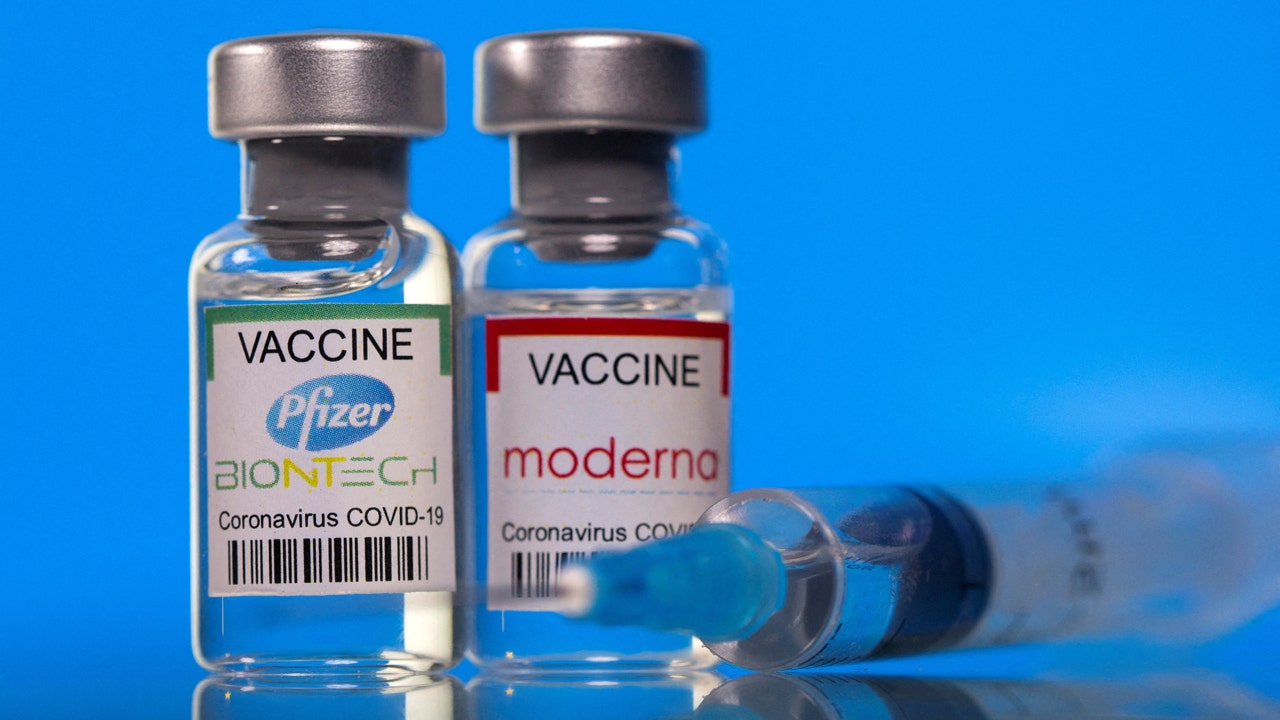
The CDC has updated its COVID-19 guidelines, removing the five-day isolation requirement. People can return to normal activities if their symptoms are mild and improving, and they have been fever-free for 24 hours. Additional precautions like wearing masks and maintaining distance are recommended for five more days. The CDC emphasizes vaccination, good hygiene, and improving air quality to prevent infections.

COVID-19 cases are rising in California, with new FLiRT subvariants becoming dominant. Wastewater data and test positivity rates indicate an increase in infections, particularly in Southern California and the San Francisco Bay Area. Health officials urge vaccinations, especially for high-risk groups, as the summer travel season begins. Despite the rise, current case numbers are still low compared to previous peaks.
The "FLiRT" COVID-19 variants, named for their spike protein mutations, have been the dominant strains globally this year. Despite these new variants, COVID-related hospitalizations and emergency department cases have remained stable or decreased. Current vaccines are expected to still offer some protection, and health regulators are planning to discuss updated vaccine designs in June 2024.
Health experts warn of a potential Covid-19 surge this summer due to rising cases of the FLiRT variants. To protect yourself, in addition to masking and vaccinations, it's recommended to boost your immune system by lowering sugar intake, exercising regularly, eating fiber-rich foods, prioritizing sleep, taking probiotics, avoiding smoking and drugs, and drinking less alcohol. Strengthening your immune system can also improve overall well-being and mental health.
The new FLiRT variants, subvariants of the Omicron lineage, are contributing to a rise in COVID-19 cases globally, including in Australia. These variants, named after specific mutations in the virus' spike protein, may be more transmissible and better at evading immunity from prior infections and vaccinations. However, there is no evidence they cause more severe disease. Current vaccines, particularly boosters targeting Omicron XBB.1.5, are expected to offer substantial protection against severe illness. As COVID-19 remains endemic, continued vigilance and vaccination are recommended, especially for vulnerable populations.