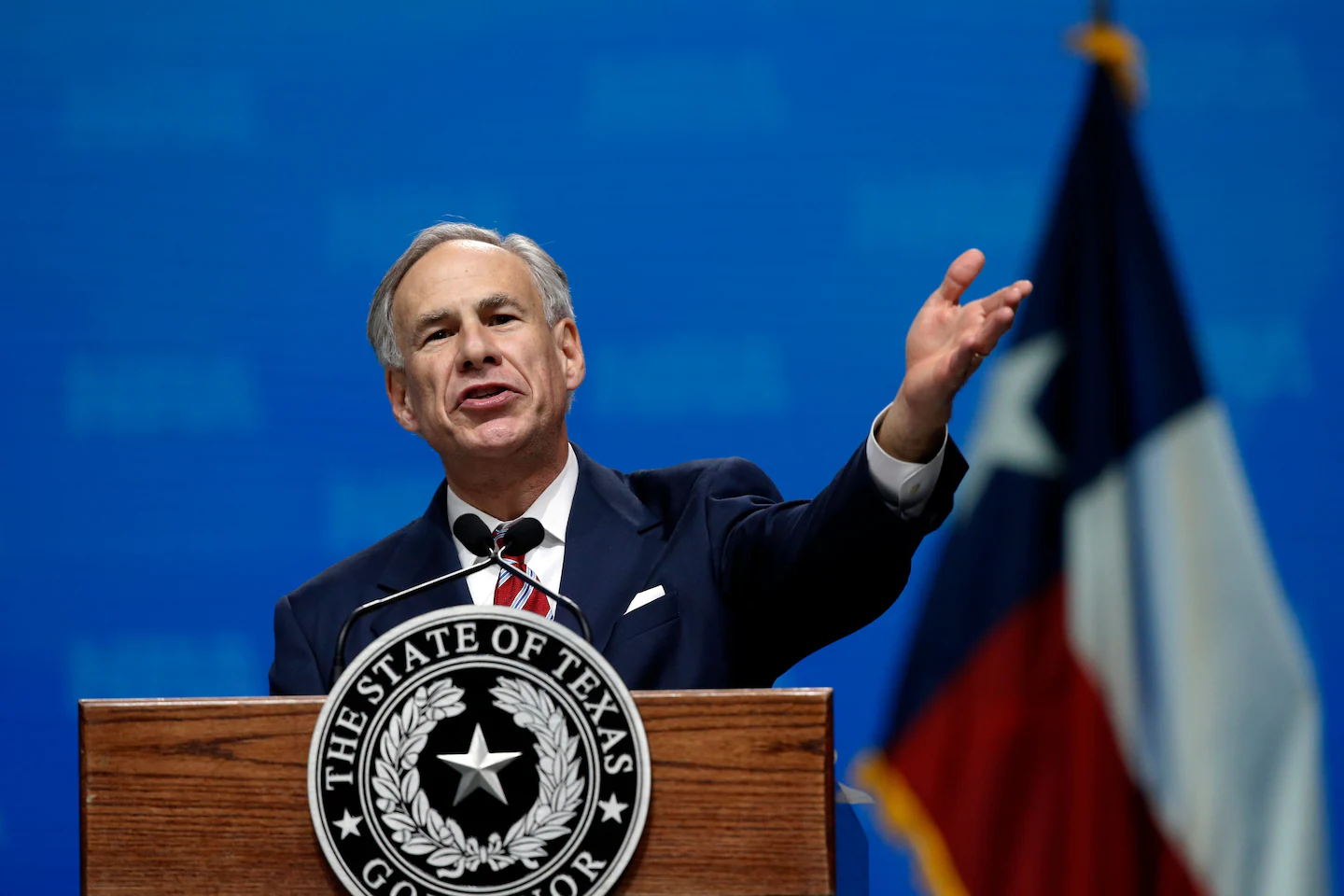
Texas Governor Greg Abbott vetoed a bill that would have banned intoxicating hemp-derived THC products, citing legal and regulatory concerns, which was welcomed by the hemp industry and advocates for medical use, while highlighting ongoing debates over cannabis regulation at state and federal levels.
The North Carolina Senate approved House Bill 328, which bans synthetic hemp products, regulates Delta-9 THC products, sets licensing and testing requirements for sellers, and imposes packaging and age restrictions to control the cannabis market in the state.
FDA Commissioner Robert Califf urges the DEA not to delay in making a decision on rescheduling marijuana, emphasizing the need for a regulatory scheme for cannabis. He also highlights the complexities of regulating cannabis, especially in the context of medical and recreational use. Meanwhile, the FDA is facing criticism for its refusal to regulate hemp products like CBD, with lawmakers expressing concerns about the lack of regulations and the potential dangers to consumers. The Biden administration continues to push for marijuana reform, with President Biden issuing cannabis pardons and Vice President Harris advocating for the DEA to expedite its review and rescheduling process.
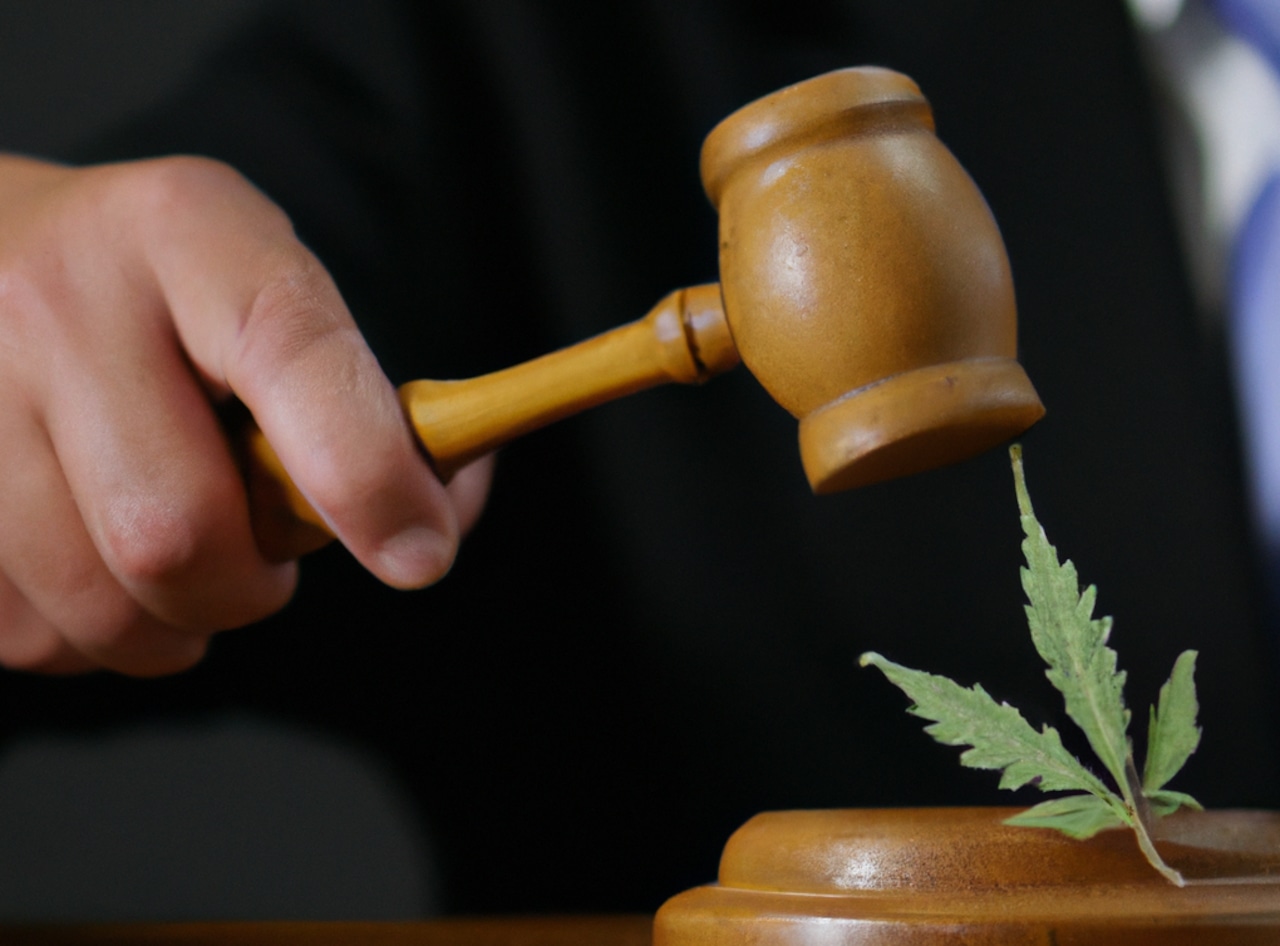
An Albany County Supreme Court judge initially invalidated New York's Office of Cannabis Management's entire adult-use regulations but later amended the decision to only void the rules banning third-party advertising. The ruling came from a lawsuit filed by Leafly Holdings, Stage One Dispensary, and a customer, arguing that the regulations were arbitrary and capricious. The judge criticized the lack of evidence and foundation for the regulations, calling them impermissible restrictions on free speech and unconstitutionally vague. This is not the first time a court has expressed frustration with the Office of Cannabis Management.
The Missouri Division of Cannabis Regulation has defended its lab testing rules in response to questions about the effectiveness of its software for tracking marijuana products. The agency argued that regulations can only do so much when "bad actors" intentionally falsify records to evade oversight. The defense comes after a major product recall of THC-infused products purchased from a company accused of importing illegal marijuana products from other states. The company argues that it was importing federally legal hemp. The division stated that intentional falsification of records and non-compliance can lead to unreliable test results and potential health risks. Regulators are committed to investigating tracking and testing evasion or manipulation and treating them as serious violations.
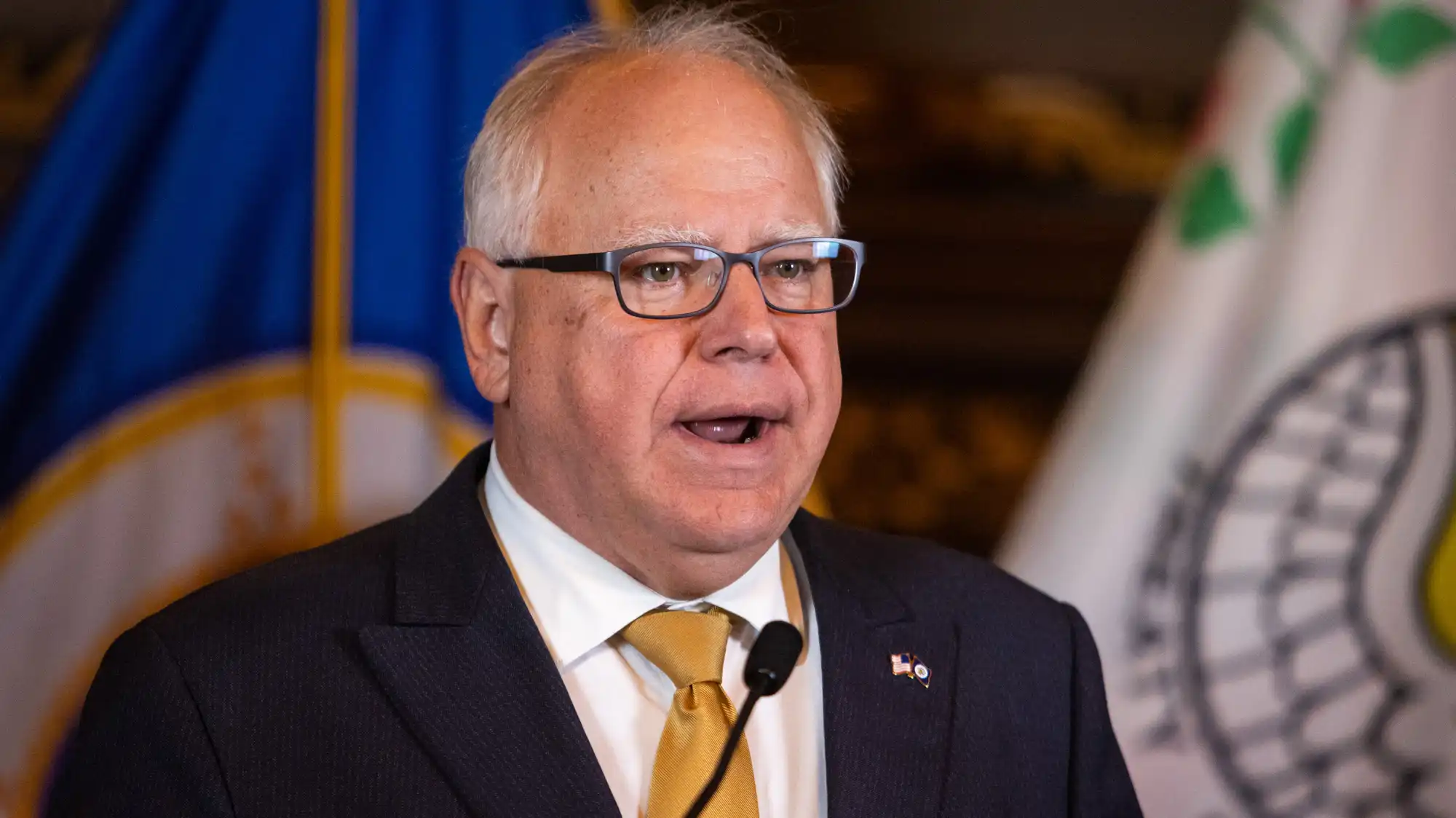
Minnesota Governor Tim Walz takes responsibility for the flawed vetting process that led to the resignation of Erin DuPree, his first pick for the director of the state's new Office of Cannabis Management. DuPree's businesses were found to have problems, and Walz acknowledged that the system failed in this instance. He did not provide a direct explanation for the vetting failure but expressed a commitment to rectifying the process. The Office of Cannabis Management will be responsible for regulating and enforcing cannabis and hemp product potency, and finding a suitable replacement for DuPree is now a priority.
Erin DuPree, the newly appointed director of the Office of Cannabis Management in Minnesota, has stepped down following allegations that her cannabis store, Loonacy, sold illegal products with higher THC concentrations and restricted ingredients. DuPree denies knowingly selling noncompliant products but acknowledges becoming a distraction. Governor Tim Walz praised DuPree's experience and leadership but emphasized the importance of a safe and well-regulated cannabis market. The agency now lacks a permanent director, and the state's first non-reservation cannabis shops are set to open in 2025.
Ohio activists have submitted a final batch of signatures to put a marijuana legalization initiative on the November ballot after falling short in a prior submission. The new batch includes over 6,000 additional signatures, and advocates are confident they have made up the difference. The initiative would legalize possession of up to 2.5 ounces of cannabis for adults 21 and older, allow personal cultivation of up to six plants, and impose a 10% sales tax on cannabis sales. The revenue would be allocated to support social equity and jobs programs, localities, education and substance misuse programs, and administrative costs. The measure also establishes a Division of Cannabis Control and gives a head start to current medical cannabis businesses in the recreational market. If enacted, Ohio would become the 24th state to legalize adult-use cannabis.
A congressional committee held a hearing to address the Food and Drug Administration's (FDA) inaction on developing regulations for hemp-derived CBD as food items or dietary supplements. Lawmakers criticized the FDA for not using its existing authority to regulate CBD products and called for clear guidance and certainty in the market. The hemp industry has been struggling due to the lack of regulations, which has allowed potentially unsafe products to flood the market. Witnesses at the hearing emphasized the need for federal regulation to ensure safety standards and protect consumers. Bipartisan lawmakers have introduced bills to provide a pathway for the regulation of hemp derivatives like CBD.
Minnesota Governor Tim Walz has suggested that Indian tribes in the state could start selling marijuana for the adult-use market before private businesses are approved by regulators. While it is expected to take more than a year for the state's Office of Cannabis Management to start licensing conventional cannabis shops under the legalization law he signed last week, Walz said that Indian tribes in the state could begin operating sooner. The now-enacted legislation allows the governor or a designee to negotiate compacts with tribes that wish to work with the state on coordinating marijuana regulations.
Maryland Governor Wes Moore has signed a bill to regulate marijuana sales, setting the stage for statewide legalization. The law will tax cannabis at nine percent, with medical marijuana sales exempt from the tax. Thirty-five percent of marijuana tax revenue will go toward a community reinvestment fund, with counties, a Cannabis Public Health Fund, and a Cannabis Business Assistance Fund each getting another five percent. The legislation will end sales of delta-8 hemp products on the broad market, instead requiring that any intoxicating cannabis products be done through licensed marijuana businesses. Past convictions for conduct made legal under the proposed law will be automatically expunged, and people currently serving time for such offenses will be eligible for resentencing.
A New Jersey state senator has called for the disbandment of the New Jersey Cannabis Regulatory Commission due to complaints about the commission's slow progress in approving licenses for cannabis businesses. The commission, which turned two years old this month, has tripled the number of medicinal marijuana shops, approved 50 new businesses, and launched the first recreational sales a year ago. Chairwoman Dianna Houenou thanked the commission staff for their work and the public for their support.