A survey reveals that many dog owners misinterpret symptoms of aging in their senior pets as normal, potentially delaying necessary veterinary care. The study found that owners often attribute common clinical signs in older dogs to aging, such as slowing down on walks and dental issues, and may not seek medical attention promptly. To address this issue, a new toolkit has been developed to improve communication between pet owners and veterinary professionals, aiming to increase owner understanding and engagement with veterinary care for aging dogs.
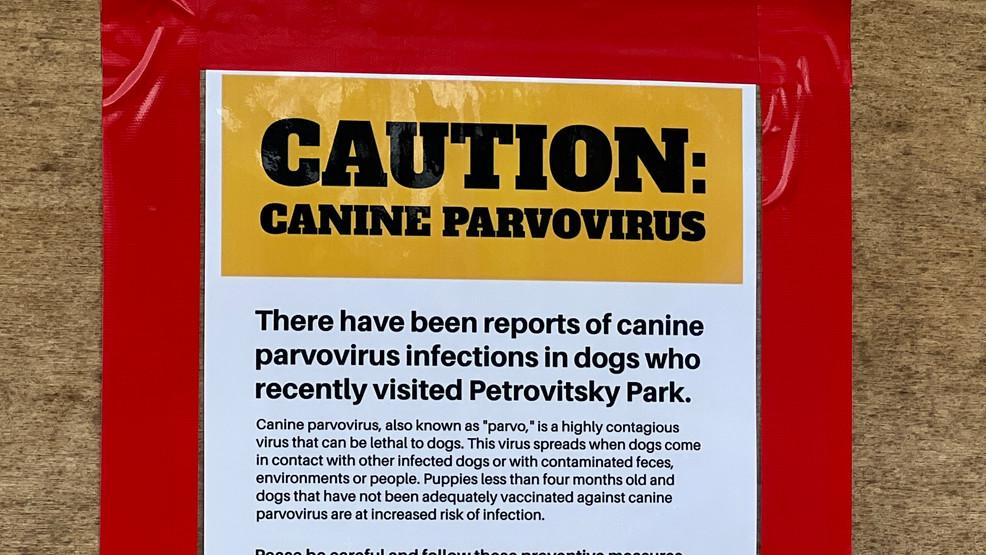
Canine Parvovirus, also known as "Parvo," has been spreading in King County's Petrovitsky Park, leading to at least three known infections in the last month. The virus is highly contagious and can be fatal to dogs if not promptly treated. Dog owners are advised to ensure their pets are vaccinated and to keep them away from infected dogs and pet waste. Treatment options include vaccines for prevention and monoclonal antibody treatment for infected dogs. It is crucial for dog owners to clean up after their pets to prevent the spread of the virus.
Veterinarians in Ohio are puzzled by a mystery respiratory disease spreading among dogs, causing symptoms such as coughing, lethargy, and breathing difficulties. The disease does not consistently show up on tests, making it difficult to identify the underlying cause. Researchers are working to identify the disease, but in the meantime, dog owners are advised to limit contact with other dogs. If a dog's symptoms persist or worsen, immediate veterinary attention is recommended.
The Oregon Veterinary Medical Association has issued a warning about the increasing cases of kennel cough in the Portland metro area and the Willamette Valley. The respiratory disease is resistant to antibiotics, and the Department of Agriculture is urging dog owners to have their pets tested before they show symptoms. The association advises dog owners to ensure their pets are up to date on vaccines and consider avoiding areas with a high concentration of dogs.
A study by Boston University's School of Public Health found that 53% of dog owners in the U.S. have hesitations towards vaccinating their pets, viewing them as unsafe, ineffective, or unnecessary. This vocal anti-vax movement among dog owners poses risks not only to the animals themselves but also to humans. The study also revealed that misinformation about vaccines, including the belief that routine vaccines can cause autism in dogs, has been projected onto pets. However, there is no evidence to support this claim.
A study published in the journal Vaccine reveals that over half of dog owners in the United States hold negative views towards canine vaccinations, with concerns about safety, efficacy, and importance. This skepticism has increased since the pandemic, with some pet owners citing adverse reactions, overvaccination, and cost as reasons for their hesitancy. Veterinarians emphasize the importance of vaccines in preventing life-threatening diseases and recommend tailoring vaccination plans based on a pet's age, lifestyle, environment, and medical history. Canine vaccine hesitancy could have public health consequences, as it may lead to opposition to policies promoting widespread rabies vaccination and reluctance to vaccinate pets, which can put both animals and humans at risk.
A study conducted by Boston University's School of Public Health in partnership with YouGov has found that a significant majority of dog owners in the United States are hesitant about vaccinating their pets. The study revealed that 37% of owners consider dog vaccines to be unsafe, 22% view them as ineffective, and 30% deem them unnecessary. This hesitancy increases the risk of disease transmission for dogs, their owners, and veterinarians. The findings parallel the anti-vaccination movement observed during the COVID-19 pandemic and highlight the need for education and awareness regarding the importance of canine vaccines.
A study published in the medical journal Vaccine reveals that 53% of dog owners in the US have concerns about the safety, efficacy, or necessity of vaccinating their dogs, including for rabies. The study also found that 37% of dog owners worry that vaccines could cause cognitive issues or autism in dogs, despite the lack of scientific evidence supporting this theory. This growing skepticism, known as Canine Vaccine Hesitancy (CVH), not only poses risks to canine and human populations by facilitating the spread of infectious diseases but also affects veterinary care providers' mental and physical health. The study warns that if CVH continues to rise, vaccination rates for rabies and other diseases could drop below the recommended 70%, leading to deleterious health consequences for both humans and animals.
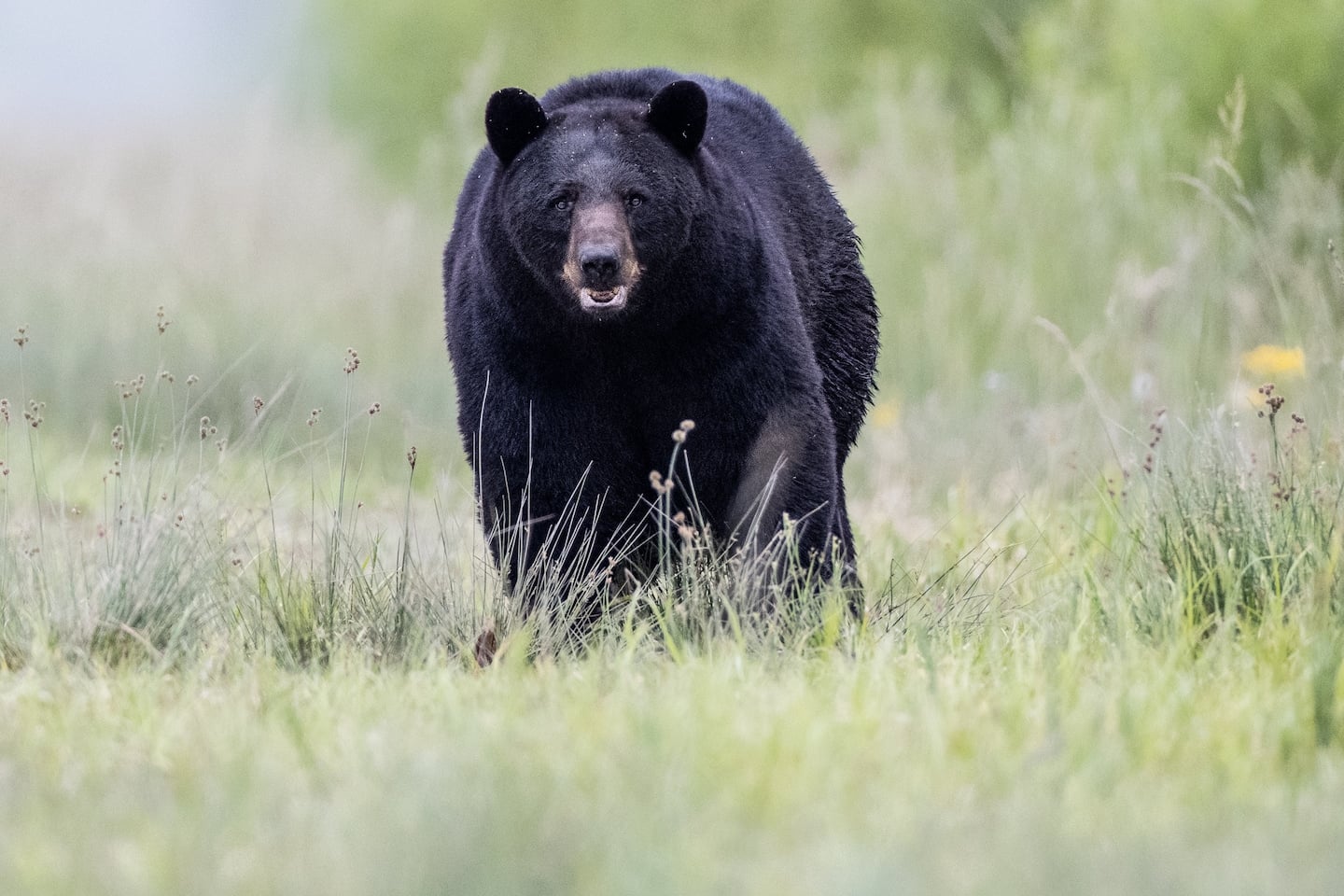
Two separate incidents in Maine and Connecticut involved 60-somethings getting injured while protecting their dogs from bear attacks. In Maine, a woman punched a black bear in the nose after it chased her dog, resulting in a bite to her hand. In Connecticut, a man tried to stop a bear from attacking his dog, sustaining non-life-threatening injuries. Both incidents highlight the importance of taking precautions to prevent human-bear conflicts, such as walking dogs on short leashes and removing food sources that attract bears. Authorities are still searching for the bears involved in the incidents.
A 65-year-old man and a 64-year-old woman were injured in separate incidents after their dogs chased bears in Connecticut and Maine. In Maine, the woman confronted a black bear that was chasing her dog and punched it in the nose, but was bitten on the hand. In Connecticut, a bear attacked a dog and the homeowner intervened, sustaining non-life-threatening injuries. Officials advised dog owners to use non-retractable leashes and cautioned against getting between dogs and bears. They also recommended not keeping bird feeders outside and properly storing food and trash to avoid attracting bears.
Minnesota officials are urging dog owners to consider vaccinating their pets against canine influenza as the virus continues to spread. The state has seen an increase in cases of the highly contagious respiratory illness, which can cause coughing, sneezing, and fever in dogs. Vaccination is an effective way to prevent the spread of the virus and protect dogs from getting sick.
Minneapolis officials are warning dog owners to be cautious as the canine flu spreads in the area. The virus is highly contagious and can cause symptoms such as coughing, fever, and lethargy in dogs. Vaccination is recommended for dogs who frequently interact with other dogs, such as those who go to dog parks or boarding facilities.
The Twin Cities area is experiencing an outbreak of canine influenza, with eight cases reported so far. Dog owners are advised to keep their pets distanced from unfamiliar dogs, avoid dog parks, and keep their dogs six feet away from other dogs on walks. Dog day cares, shelters, and kennels are recommended to take extra precautions. Any symptomatic dogs should be kept at home for a full 30 days, and quarantined dogs should stay inside the house and in yards to ensure they don’t come into contact with any other dogs.
Veterinarians in Durham and Moore counties are warning dog owners about a rise in canine influenza cases, with all cases involving dogs that had been boarded or stayed at a day care facility within the past two weeks. Symptoms include a dry, honking cough, runny nose, fever, respiratory problems, lethargy, eye discharge, reduced appetite, and low-grade fever. The virus is highly contagious and can easily spread through direct contact, coughing and sneezing, contaminated surfaces, and people moving between infected and uninfected dogs.