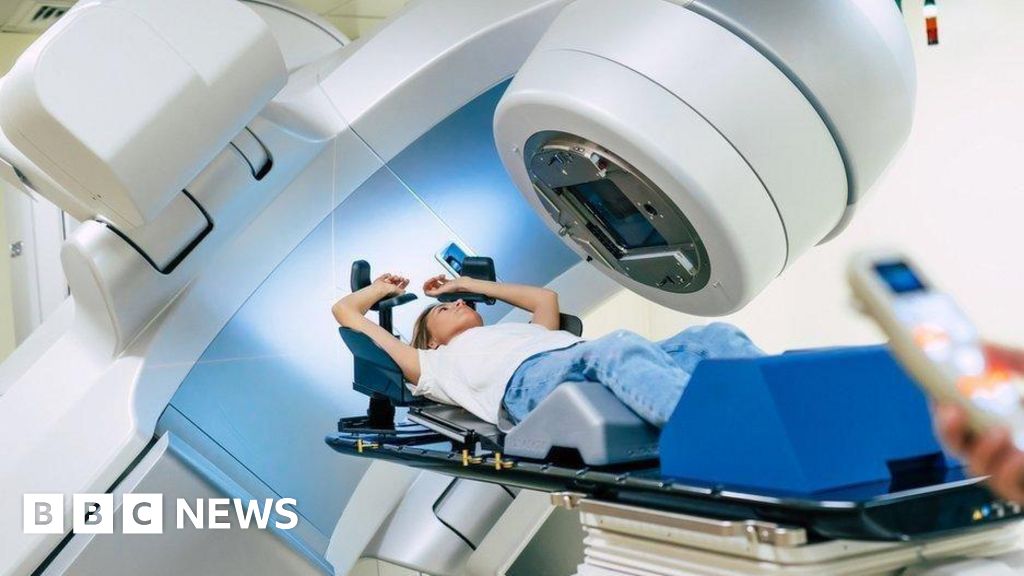
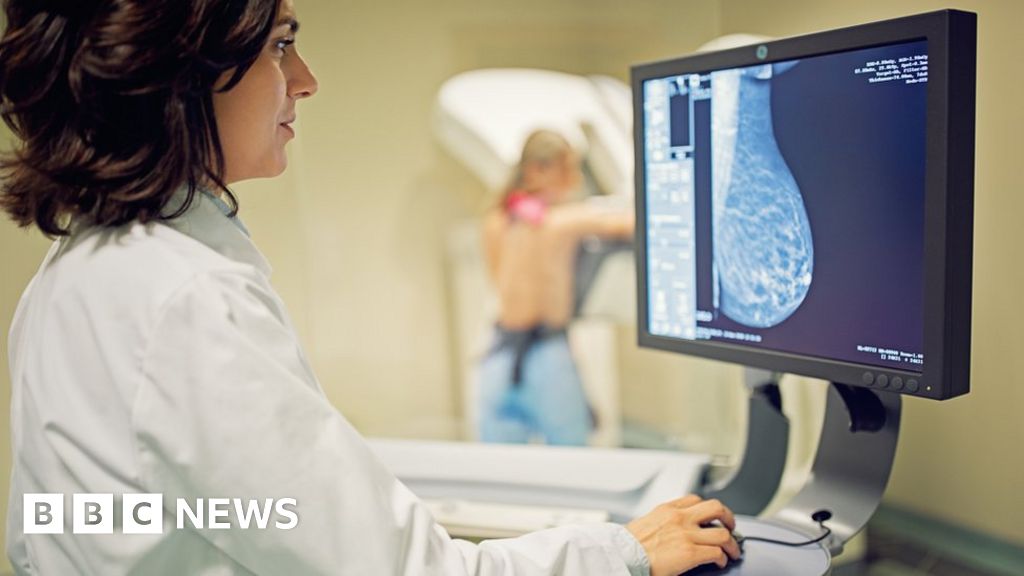
While cancer survival rates have improved significantly over the past 50 years, progress has been uneven, with some cancers like melanoma seeing high survival rates, whereas others such as pancreatic, oesophageal, stomach, and lung cancers still have very low survival rates and have seen little improvement. Experts emphasize the need for earlier detection, reduced waiting times, and increased research investment to address these disparities.
Nearly half of Brits will develop cancer in their lifetime, with men having a slightly higher risk than women. Prostate and breast cancers are among the most common, with higher survival rates compared to other forms of the disease. Lung and pancreatic cancers are the deadliest, with over 85% of patients dying within 10 years of diagnosis. About 38% of cancer cases in the UK are preventable, often linked to factors like smoking or obesity. The NHS advises seeking medical attention for symptoms such as new lumps, unexplained bleeding, changes in bowel habits, persistent cough, and unexplained weight loss. Princess of Wales revealed her own cancer battle and emphasized the importance of support and privacy during treatment.
A report by Cancer Research UK reveals that the rate of improvement in cancer survival has slowed significantly, with lack of sufficient funding for research largely to blame. While the likelihood of surviving a decade or more with cancer in the UK has risen to 49.8% in 2018, up from 47.9% in 2010-11, the report warns of a funding gap of over £1bn unless government spending levels for research are maintained. The report emphasizes the impact of screening programs and research on prevention, diagnosis, and treatment, but highlights the need for faster diagnosis and treatment, as well as more efforts in cancer prevention.