
"Unearthing 12,000-Year-Old Preserved Human Brains Challenges Decay Theories"
TL;DR Summary
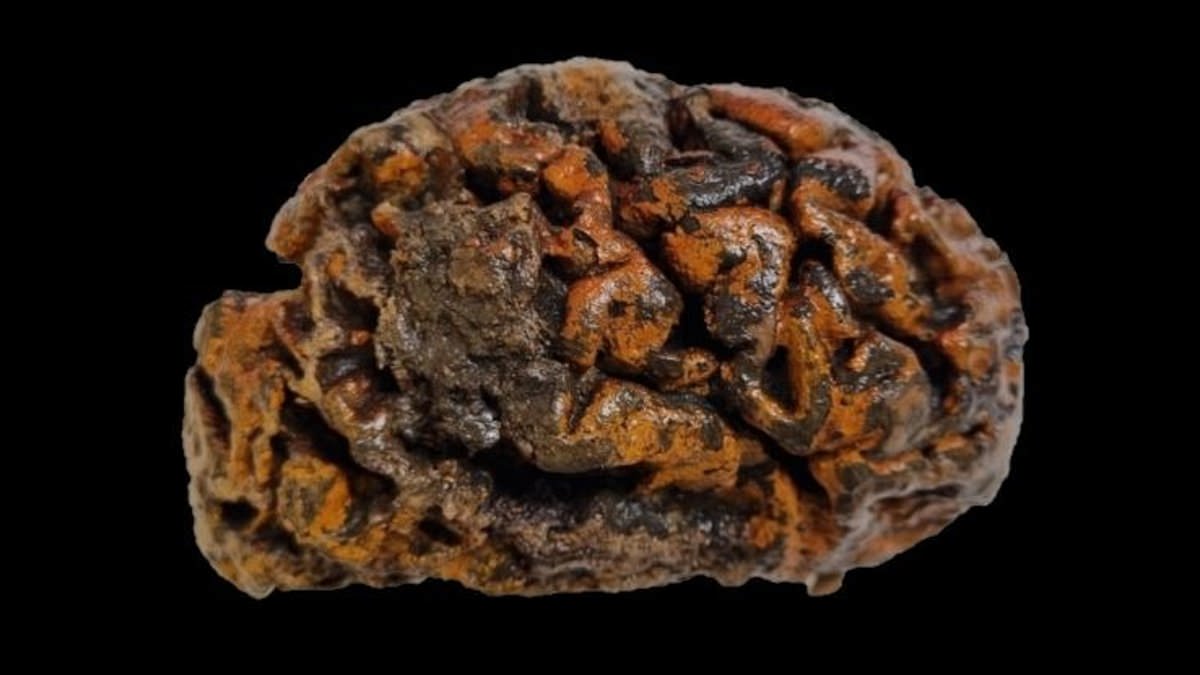
A team of scientists at Oxford University has discovered that human brains can preserve quite well, challenging the long-held belief that they quickly decompose after death. Through an analysis of over 4,000 human brains dating back 12,000 years, the researchers identified five distinct preservation methods, including saponification, freezing, tanning, dehydration, and an unknown category. The study suggests that local environmental conditions play a significant role in brain preservation, and it raises questions about how nearly a third of the brains have lasted as long as they have.
Topics:health#archaeology#archaeologyscience#brain-preservation#human-remains#oxford-university#scientific-research
- Discovery of 12,000-year-old preserved human brains could change what we know about the organ Daily Mail
- Discovery of 12,000-year-old preserved human brains contradicts deterioration theory The Times of India
- Human brains found at archaeological sites are surprisingly well-preserved Science News Magazine
- Archaeologists Keep Finding Preserved Human Brains. But How Do the Organs Remain Intact? Smithsonian Magazine
- Scientists find 12,000-year-old preserved human brains resisting decomposition WION
Reading Insights
Total Reads
0
Unique Readers
8
Time Saved
4 min
vs 5 min read
Condensed
90%
891 → 87 words
Want the full story? Read the original article
Read on Daily Mail