An online trend among young people promotes doing nothing as a way to improve attention spans, counteracting the constant barrage of digital notifications and updates, and encouraging a return to boredom as a beneficial state.
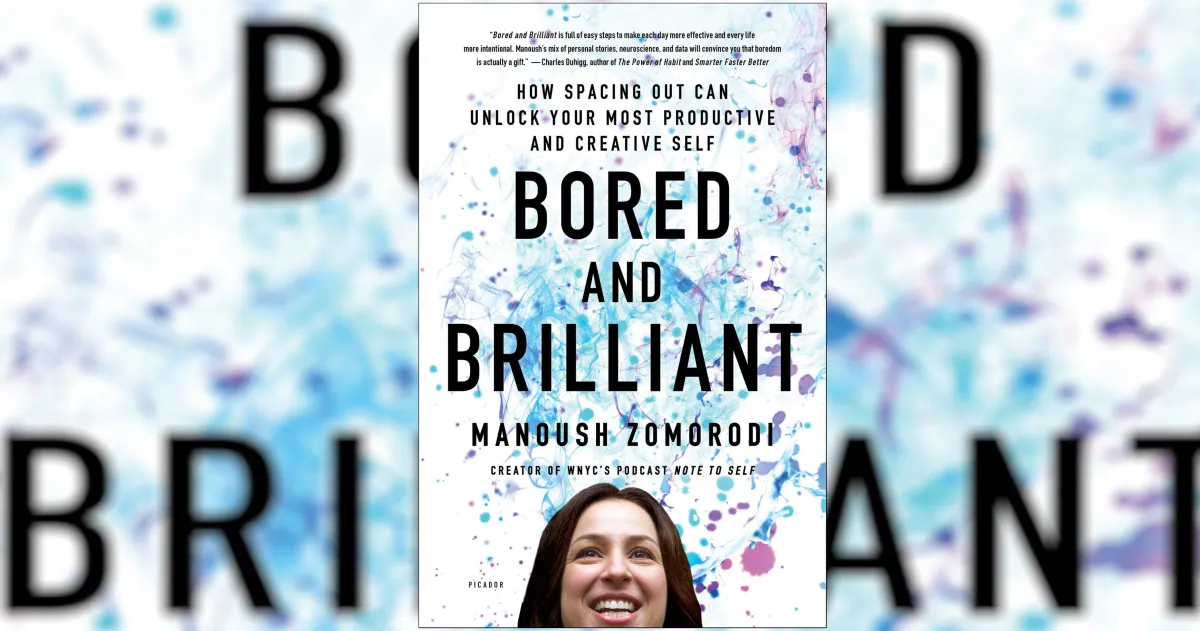
Manoush Zomorodi's book 'Bored and Brilliant' emphasizes the importance of allowing our minds to wander and embrace boredom in the digital age, highlighting how spacing out can boost creativity and productivity, supported by scientific studies and personal anecdotes.
After selling his business for $532 million, millennial Tom Grogan found life after the sale surprisingly boring and is now seeking new challenges, highlighting that wealth and success do not necessarily bring fulfillment or purpose.
A millennial who sold his business for $532 million finds that wealth and success don't necessarily bring happiness or purpose, leading him to seek new challenges, as he describes life after the sale as surprisingly boring. This sentiment echoes other successful entrepreneurs like Brian Chesky, who also experienced loneliness and a lack of fulfillment despite their achievements.
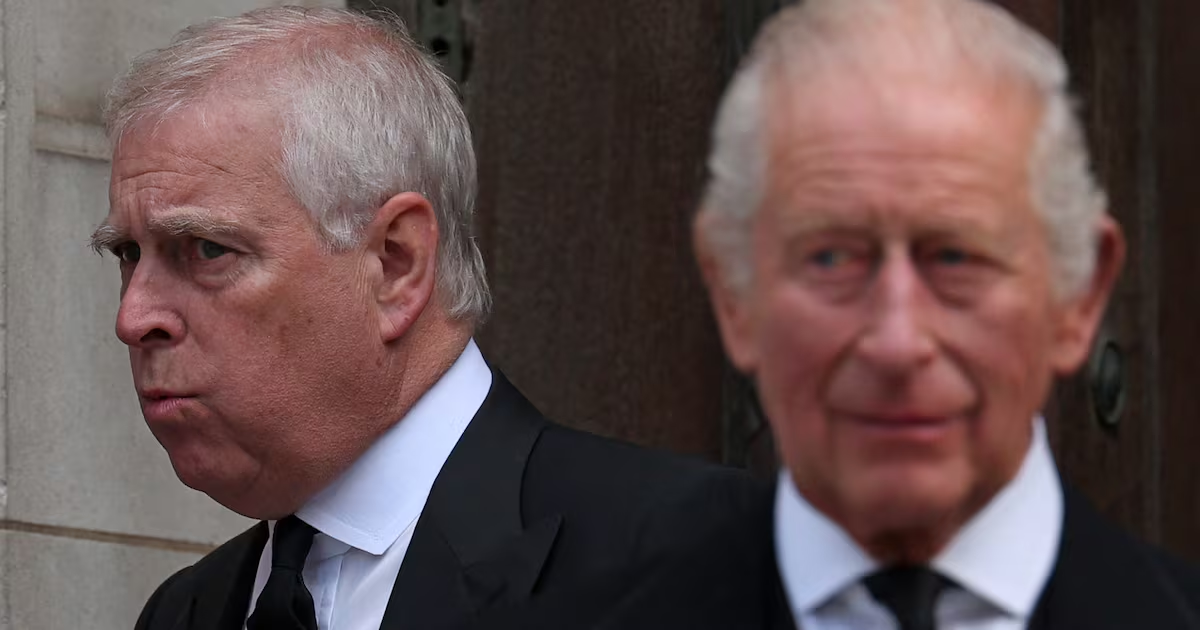
Prince Andrew, 65, is reportedly spending much of his time at Royal Lodge playing video games like Call of Duty, living a secluded and routine life with little social interaction since his public duties have diminished, leading to concerns about his loneliness and boredom.
The article explores how digital overload diminishes our capacity for reflection and depth, drawing on Heidegger's philosophy to argue that embracing boredom and silence can foster authentic thinking and self-awareness, serving as a resistance to the constant stimulation of modern technology.
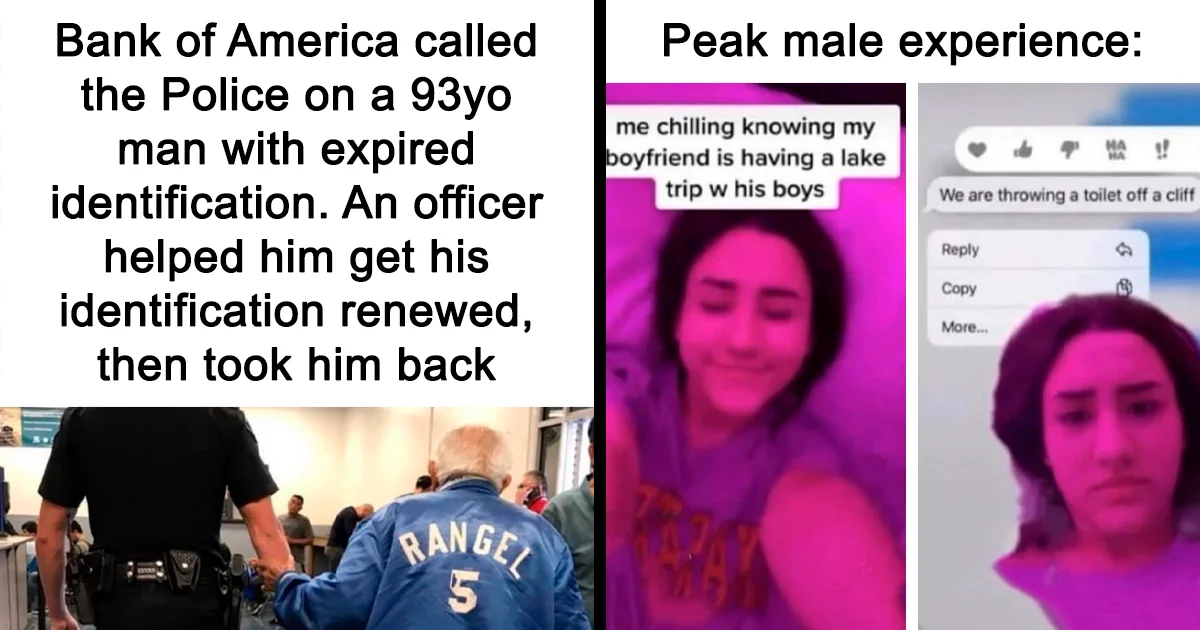
A collection of funny memes from an Instagram page aims to help people fight boredom by providing relatable and humorous content across various topics, encouraging viewers to enjoy a carefree laugh.
New psychology research suggests that gratitude may effectively reduce and prevent boredom by enhancing the feeling that life is meaningful. The study found a strong negative association between gratitude and boredom, with individuals feeling more gratitude tending to feel much less bored. The research also indicated that gratitude might increase the experience of meaning in life, which, in turn, reduces boredom. However, the study's design does not allow for cause-and-effect inferences, and the results were based on MTurk workers, so they may not be representative of the general population.
Great writers and thinkers throughout history have embraced forced boredom as a catalyst for exceptional creativity. From Ian Fleming locking himself in a dull hotel room to Maya Angelou removing art from her writing space, many renowned figures have used boredom to fuel their creative process. Modern research also supports the connection between enforced boredom and increased creativity. Boredom forces the brain to delve into its deepest recesses, make unlikely connections, and confront truths. To tap into this creative potential, experts suggest scheduling empty "non-time" or simply allowing oneself to experience boredom without distractions. Embracing boredom may lead to surprising creative breakthroughs, as demonstrated by history's greatest thinkers.
Sleepiness during virtual meetings is linked to mental underload and boredom, contrary to the popular belief of mental overload. New research from Aalto University challenges the notion that fatigue from virtual meetings stems from mental overload, instead indicating that sleepiness during such meetings might actually be a result of mental underload and boredom, especially among those less engaged in their work. The study also found that multitasking during virtual meetings strains the brain, and highly engaged workers remained active during virtual sessions while those less passionate found them exhausting.
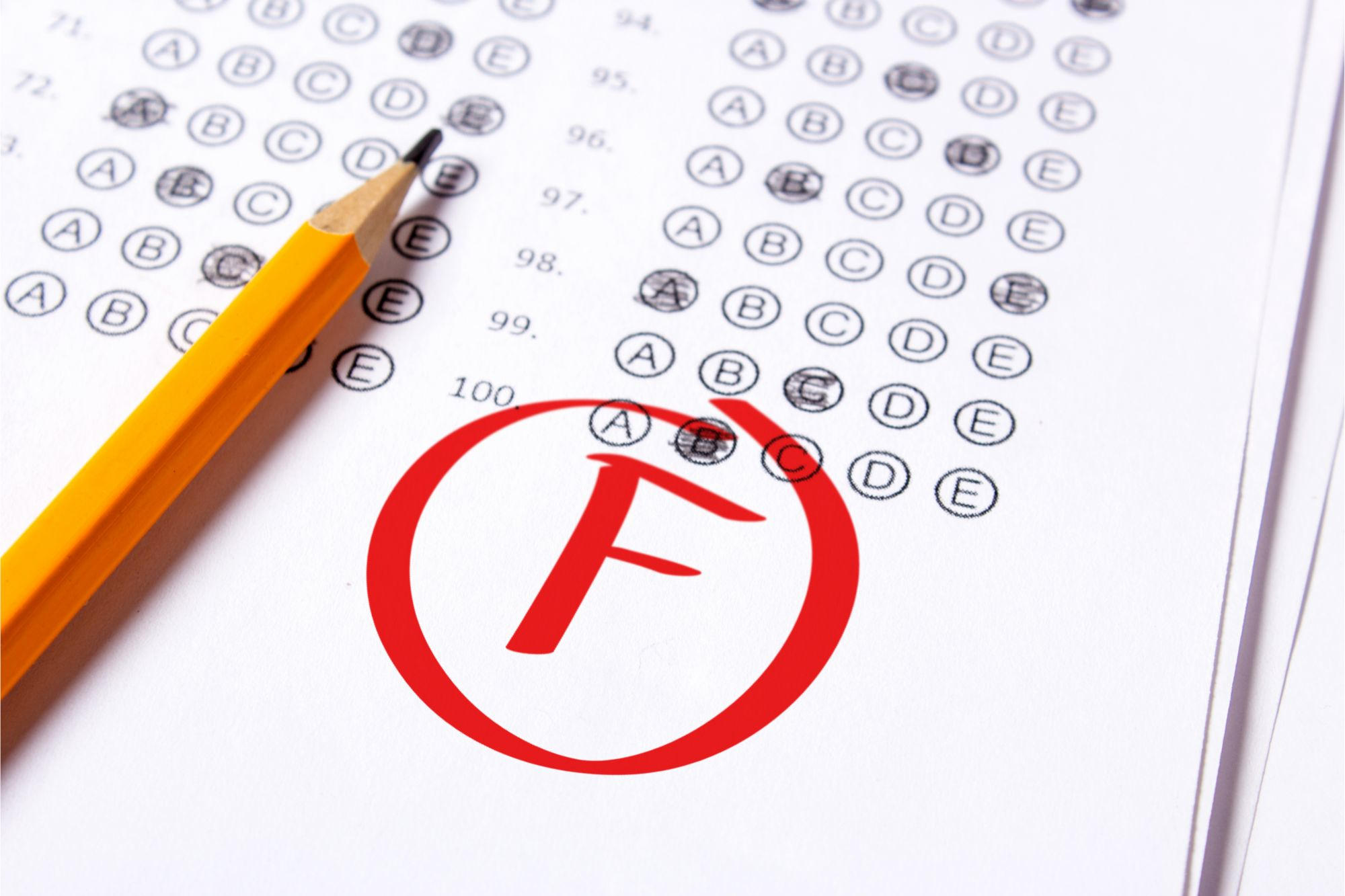
A groundbreaking international study led by researchers from the University of Vienna has found that students often experience boredom during exams, which negatively impacts their performance. The study reveals that test boredom is higher when exam content is not personally relevant and when students are either under-challenged or over-challenged. Extreme boredom during exams can significantly deteriorate test results. The researchers recommend that teachers prepare exam tasks that relate to students' lives and avoid tasks that are too easy or too difficult. Parents and guardians are encouraged to have open conversations with students about potential challenges at school to prevent boredom and its negative consequences. This study sheds light on the previously overlooked phenomenon of test boredom and its impact on academic achievement.
Channel 4's reality show "Alone" fails to deliver on its promise of suspense and danger as contestants are left to fend for themselves in Canada's wilderness. The show lacks excitement and is as boring as unkind people say Canada is. Despite the ominous music and Blair Witch Project vibes, the challenges faced by the contestants seem manageable, and they appear to have received undisclosed training and survival tools. The eccentricities of some contestants, like Louie's failed attempts at hunting and his desire for beaver, provide some comedic relief. However, the most memorable moment comes when a contestant accidentally nails his hand to his shelter and requires rescue. Overall, the show falls short of expectations and lacks the excitement it promises.
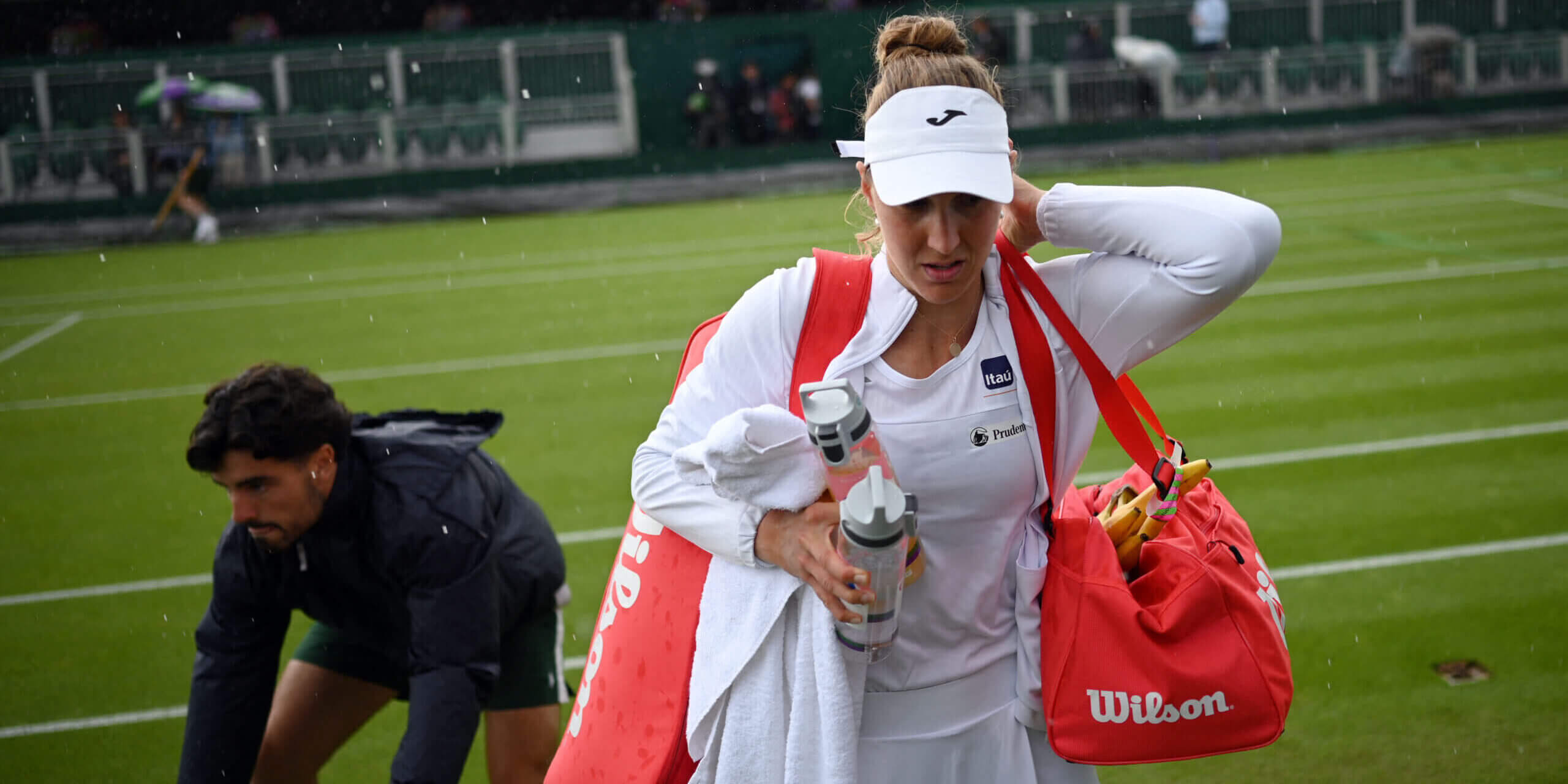
Tennis players at Wimbledon pass the time during rain delays by engaging in various activities such as playing cards, talking, watching videos, and doing puzzles. Some players visit the on-site hair salon or plan for concerts. Coaches play a crucial role in keeping players grounded and managing their energy levels. The uncertainty of when play will resume makes it challenging for players to balance warming up and staying mentally engaged. Despite the frustrations, some players, like Grigor Dimitrov, actually enjoy the rain delays.
Life on Earth was boring until the discovery of the element arsenic, which was deadly to most organisms but allowed some to evolve and thrive in arsenic-rich environments. This discovery has led to new insights into the evolution of life and the potential for life on other planets with different chemical environments.
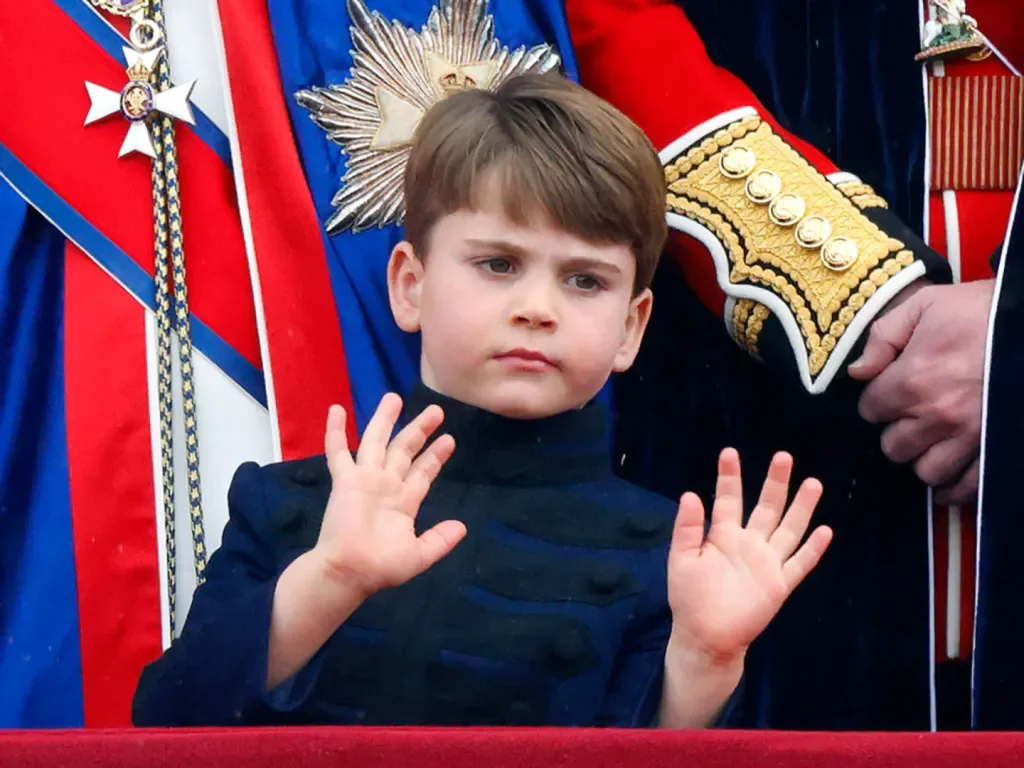
Prince Louis stole the show at King Charles III's coronation by looking unimpressed and bored throughout the ceremony. The 5-year-old prince yawned, yelled, and made funny faces, showing that the centuries-old traditions weren't made to hold the attention of 21st-century audiences or 5-year-old princes. His hilarious expressions have become a tradition, and he made headlines last summer for getting bored during the Platinum Jubilee.