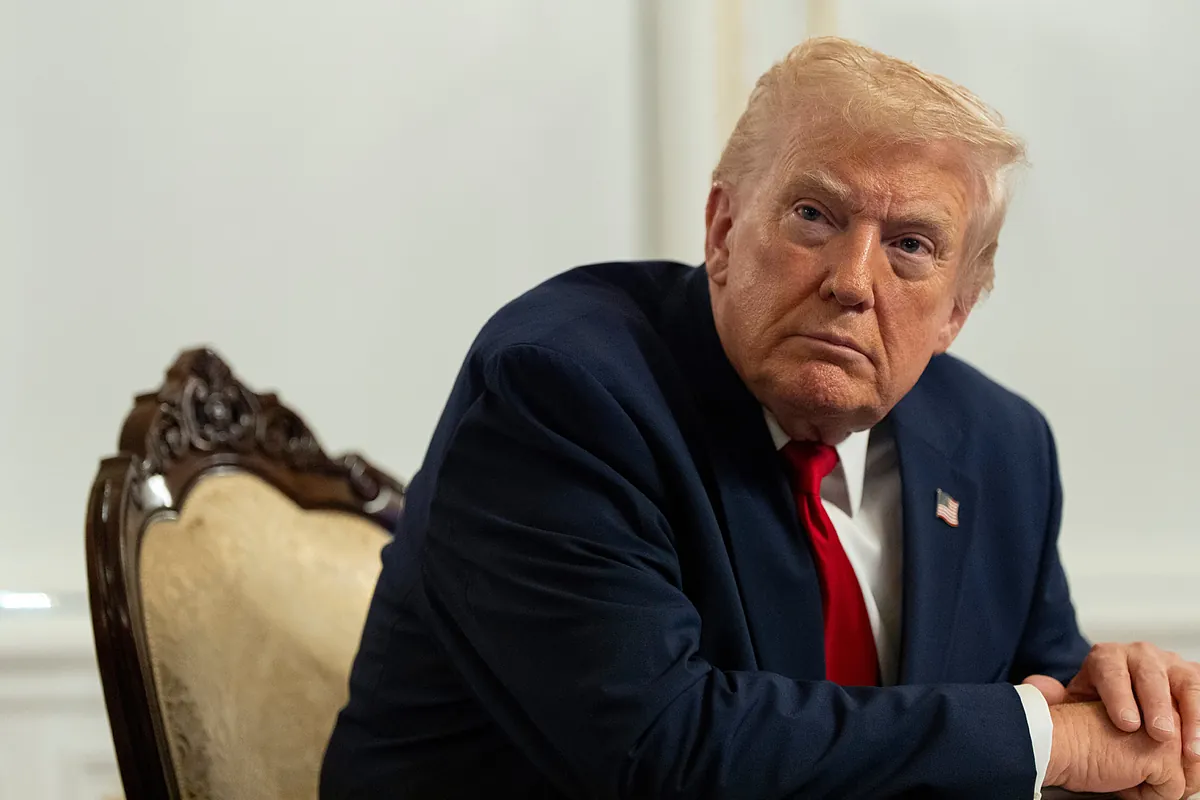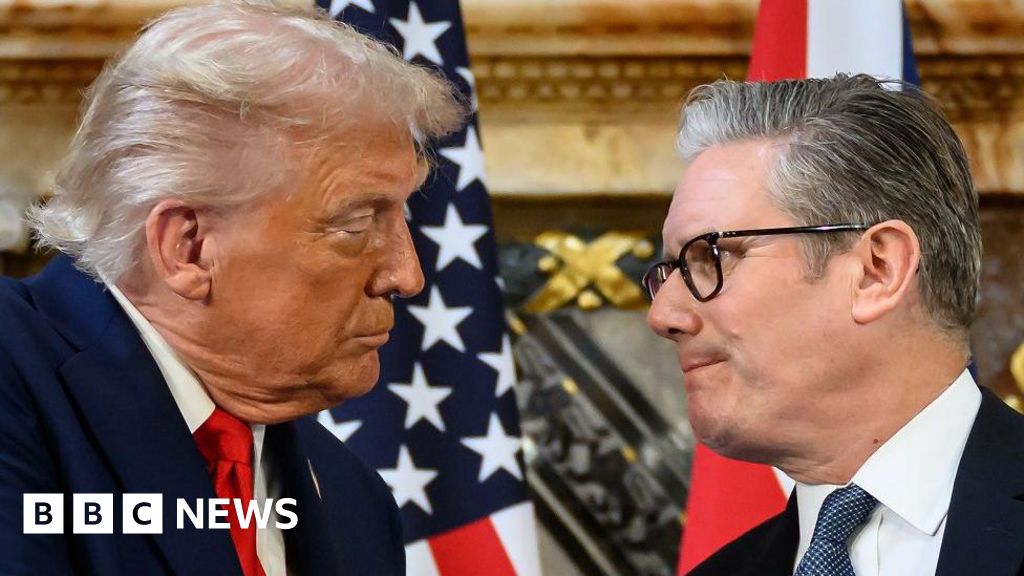
Donald Trump has announced an expansive immigration review, placing around 50 countries under increased visa scrutiny, leading to delays and potential denials for applicants from these nations, amid concerns over national security and humanitarian impacts.
The UK government announced plans to introduce mandatory digital ID cards for all citizens and residents to improve border control, reduce illegal work, and facilitate access to public services, despite longstanding debates over privacy and civil liberties.
A UK cabinet minister has rejected US President Trump's suggestion to use military force to address illegal migration, emphasizing the role of the UK Border Force and the Navy's support, while the government continues efforts to remove migrants and deter crossings.
Americans' attitudes towards immigration have become more positive over the past year, with a significant decrease in those wanting to reduce immigration and record-high support for its benefits, while support for strict border enforcement and deportation has declined, reflecting changing perceptions amid lower illegal border crossings and policy shifts.
Europe is increasingly adopting a tougher stance on migration, with many countries implementing stricter border controls, offshoring asylum requests, and seeking to limit migrants' rights, reflecting a significant shift from previous policies and a rise in nationalist sentiments across the continent.
Over 1,100 migrants crossed the English Channel into the UK in a single day in 2025, marking the highest daily total this year, with ongoing concerns about border control and smuggling networks, prompting calls for increased cooperation with French authorities.
Romania and Bulgaria have been approved to join the EU's border-free Schengen travel zone starting January 1, 2025, allowing passport-free travel across most of Europe. This decision is a significant relief for the 25 million residents of these countries, marking their full acceptance into the EU. However, challenges remain for truck drivers due to continued border inspections, particularly at the Romania-Hungary crossing, which could persist for at least six months. The move is expected to benefit private travelers more immediately, while the transport industry anticipates gradual improvements.
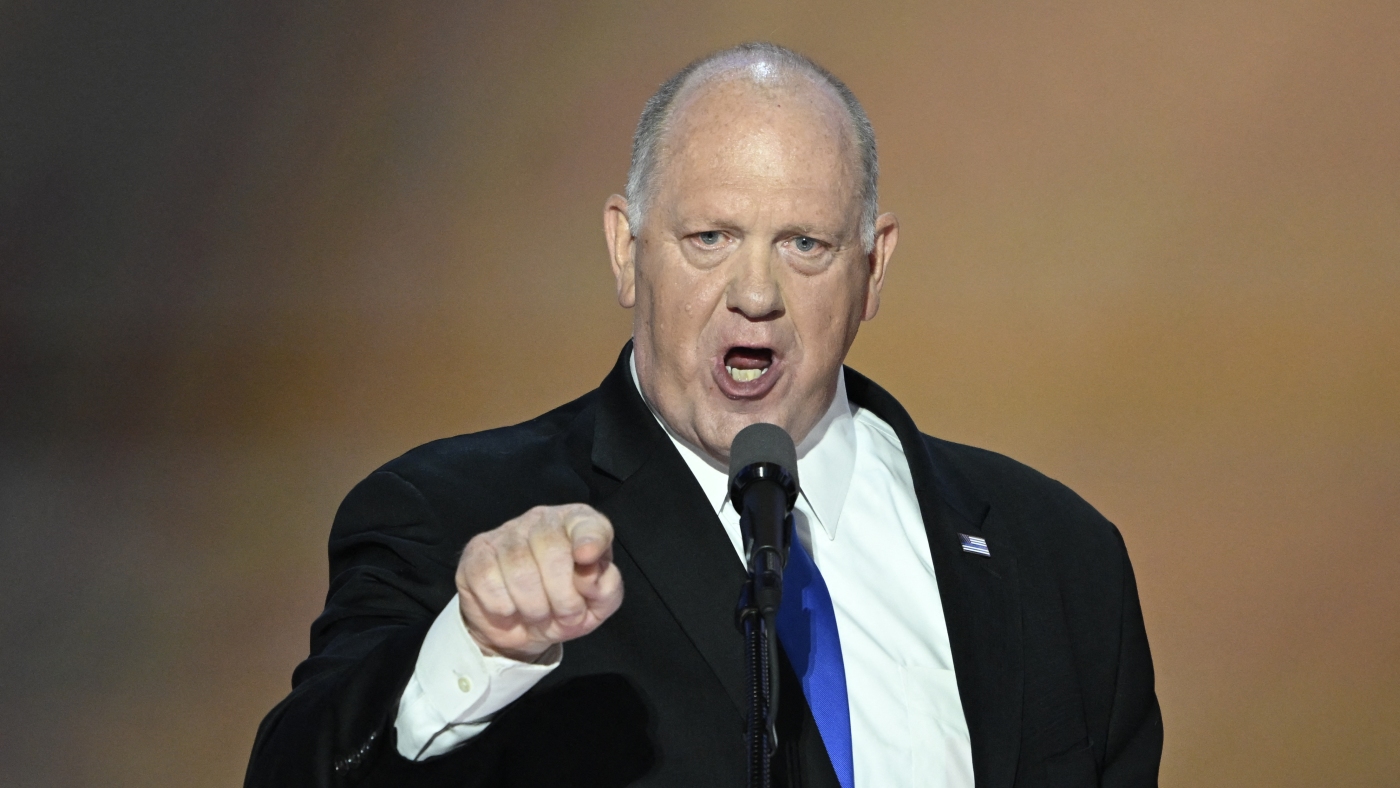
Tom Homan, former acting head of ICE, has been appointed by President-elect Trump as the 'border czar' for his second administration, overseeing U.S. border control and deportations. Homan, known for his role in the controversial family separation policy, plans to conduct a large-scale deportation operation targeting undocumented immigrants. His appointment aligns with Trump's immigration-focused agenda, despite criticism from immigrant rights groups and concerns about economic impacts from reduced migration.
The European Union's vision of a 'United States of Europe' faces setbacks as several member states reintroduce border controls, challenging the bloc's goal of political and economic integration. Concerns over illegal immigration, terrorism, and economic struggles in major economies like Germany and France have prompted these measures, which could hinder free movement and increase costs. Critics argue that border checks may not effectively address terrorism and call for a more integrated EU policing system. The EU's competitive position and future integration remain uncertain amid these challenges.
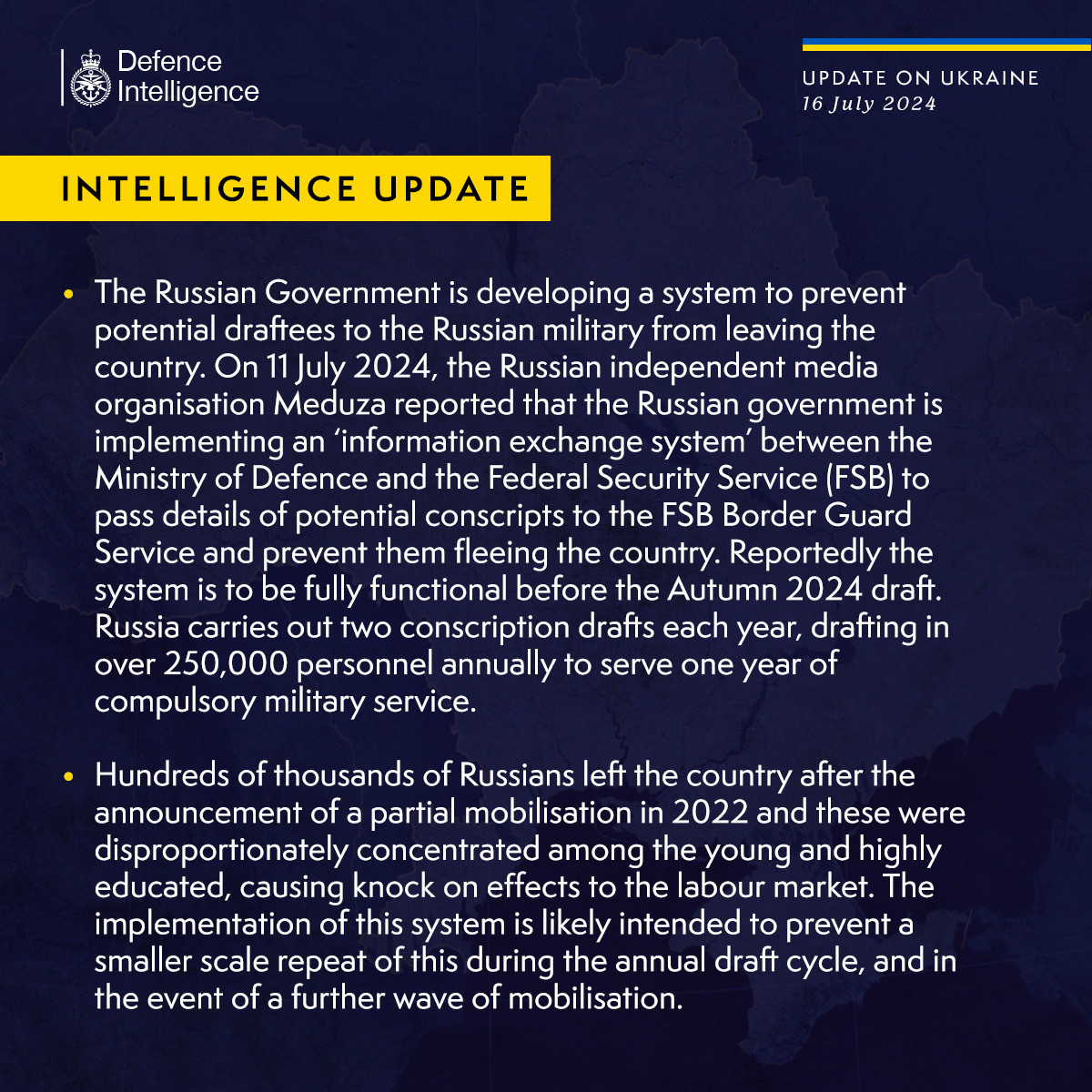
The Russian government is developing an 'information exchange system' between the Ministry of Defence and the Federal Security Service (FSB) to prevent potential military draftees from leaving the country. This system, expected to be operational before the Autumn 2024 draft, aims to avoid a repeat of the mass exodus seen during the 2022 partial mobilization, which significantly impacted the labor market.
The Supreme Court has temporarily blocked a Texas law that would allow state officers to arrest migrants suspected of entering the U.S. illegally and order them to leave the country. The law, known as Senate Bill 4, has been put on hold while the high court considers the federal government's authority over immigration. The Justice Department argued that the law would profoundly alter the relationship between the United States and the states in the context of immigration and create chaos in enforcing federal immigration laws in Texas. This legal showdown is part of multiple disputes between Texas officials and the Biden administration over border control measures.
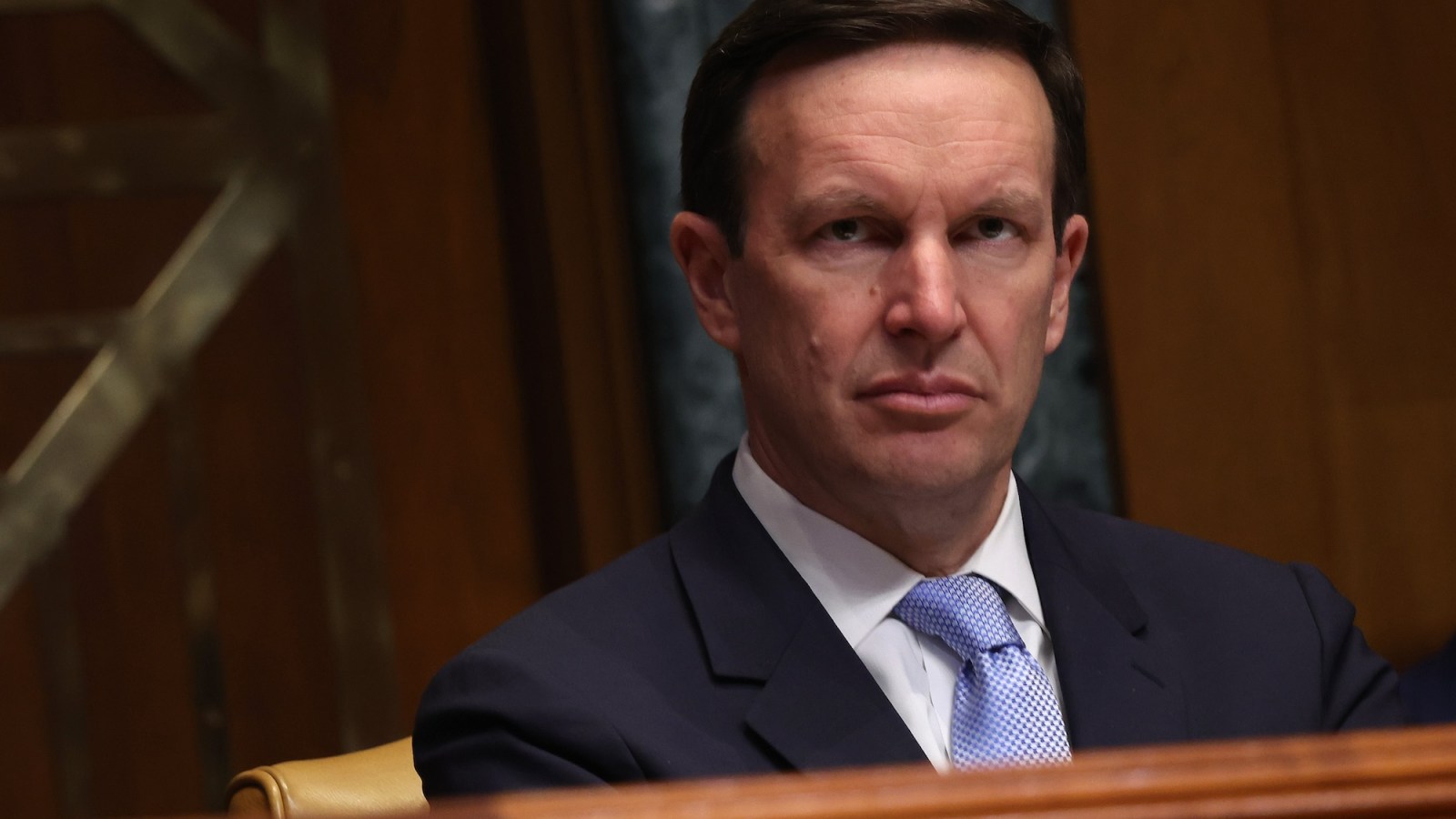
Sen. Chris Murphy accuses Republicans of intentionally blocking a bipartisan immigration bill to fuel the border crisis for political gain, stating that they want chaos at the border to aid Trump's campaign. Murphy urges Democrats to take an offensive stance on immigration and highlights that Biden's ability to address the issue is limited without legislation from Congress. He emphasizes that the bipartisan bill, which Republicans blocked, would have provided $20 billion in resources to control the border. Murphy also points out that undocumented crossings doubled in 2023, driven by various factors, and criticizes Republicans for opposing tough border reform.
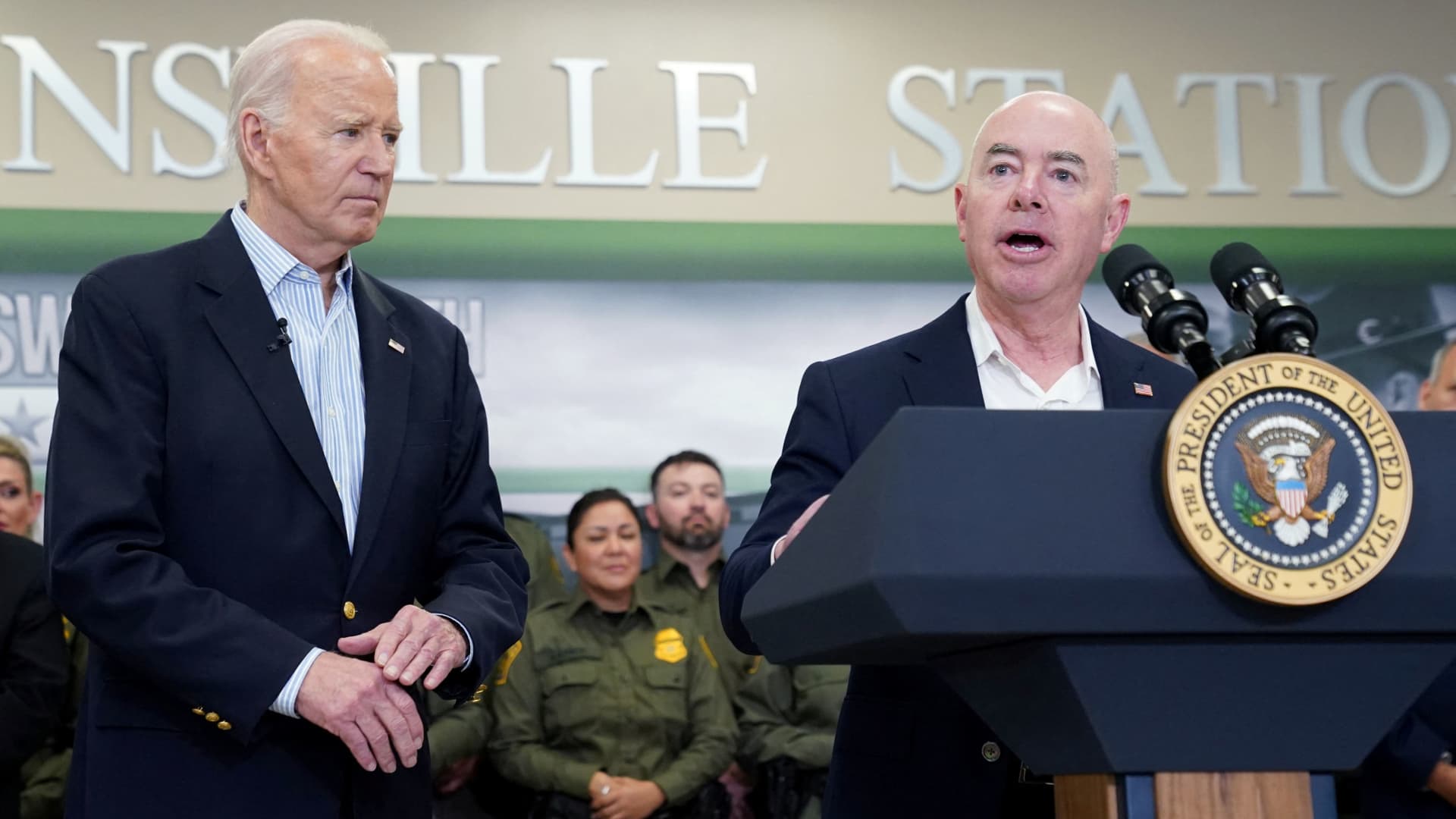
Homeland Security Secretary Alejandro Mayorkas rebukes Republican claims that the border can be managed solely through President Joe Biden's executive action, emphasizing the need for an enduring solution from Congress. While the White House privately considers implementing harsher asylum standards without Congress, Mayorkas insists that executive action is not a substitute for a lasting fix and urges Congress to pass bipartisan border proposals. The border issue has become a political battleground, with both Biden and former President Donald Trump visiting southern border towns to address the crisis and exchange criticisms.
Congressional Republicans claim President Biden has the authority to control the U.S.-Mexico border, but the reality is more complex, as changes to immigration laws and increased funding are needed. A bipartisan deal in Congress, facing likely defeat, would provide new powers to expel migrants and overhaul the asylum system, but is being opposed by Trump's allies. Biden has taken numerous executive actions on immigration, but faces limitations without congressional support and funding. The situation highlights the complexities of border control and the challenges in finding bipartisan solutions.
Texas and the White House are in a standoff over control of a section of the Texas-Mexico border, with Texas continuing to erect razor wire despite opposition from the Biden administration and a Supreme Court ruling. The situation has escalated into a broader political and cultural issue, with other states sending National Guard members to aid Texas. The standoff raises legal and constitutional questions, and draws attention to the human toll faced by migrants as they continue to cross the border.