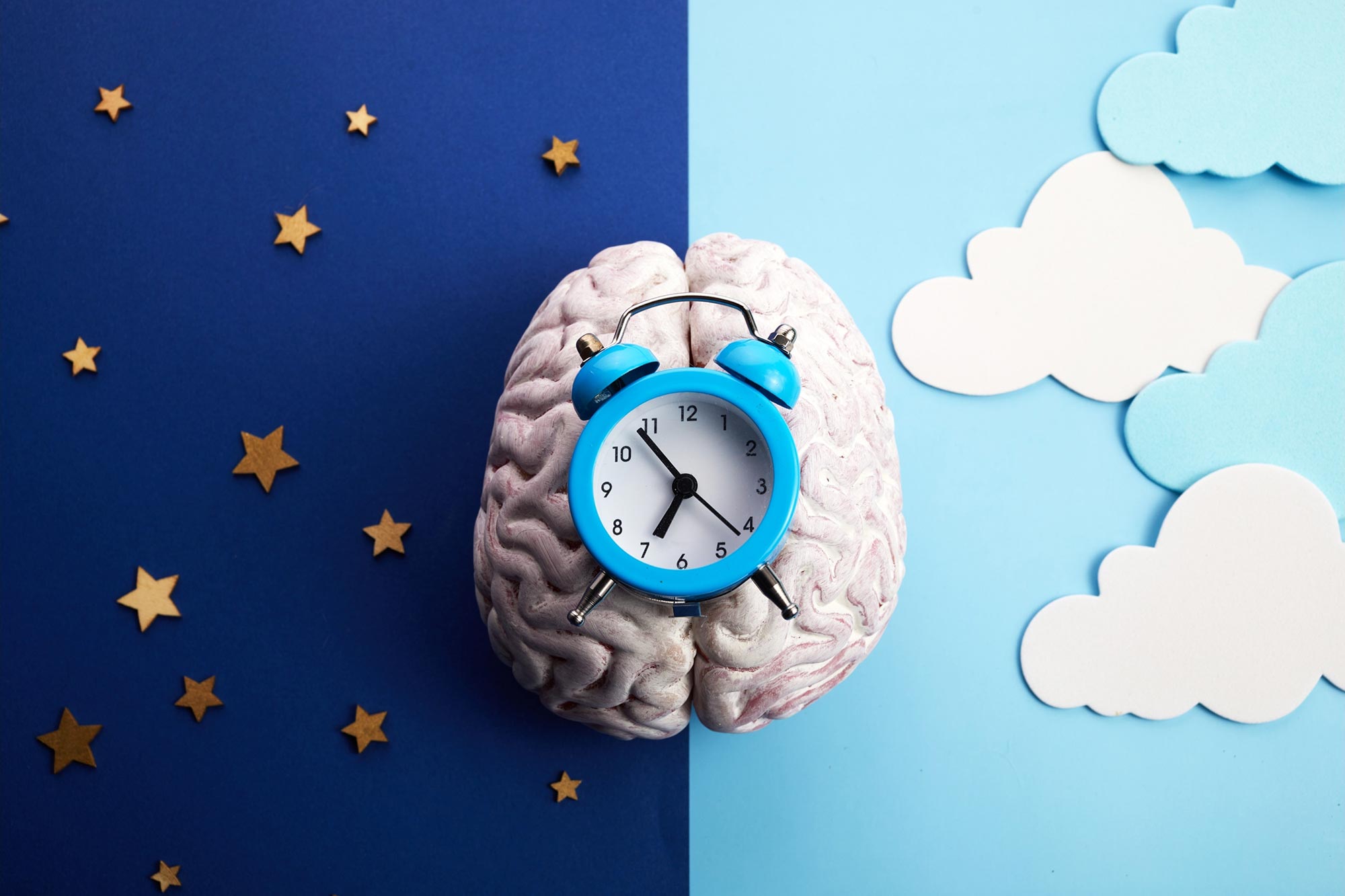
A study finds that disruptions in the body's internal clock, especially weaker circadian rhythms and later activity peaks, are linked to a higher risk of developing dementia in older adults, suggesting potential benefits of circadian rhythm interventions for prevention.
Naturopath Almog Gold explains the ancient Chinese body clock, emphasizing aligning daily routines with energy shifts for better health, highlighting key times for activities like sleep, digestion, and emotional connection, with a focus on protecting liver hours through deep sleep for optimal metabolic health.
New research suggests that early risers may have inherited genetic variants from Neanderthals, increasing their likelihood of being morning people. Neanderthals, who evolved in regions with high latitudes and seasonal variation in daylight, may have had a better adaptation to changes in daylight compared to early Homo sapiens. As early humans migrated out of Africa and interbred with Neanderthals, this genetic legacy may have influenced the variation in the human body clock and chronotype. The study analyzed DNA from modern humans, Neanderthals, and Denisovans, identifying differences in the genes related to circadian rhythms. The research found that Neanderthal DNA associated with chronotype consistently increased the propensity to be a morning person.
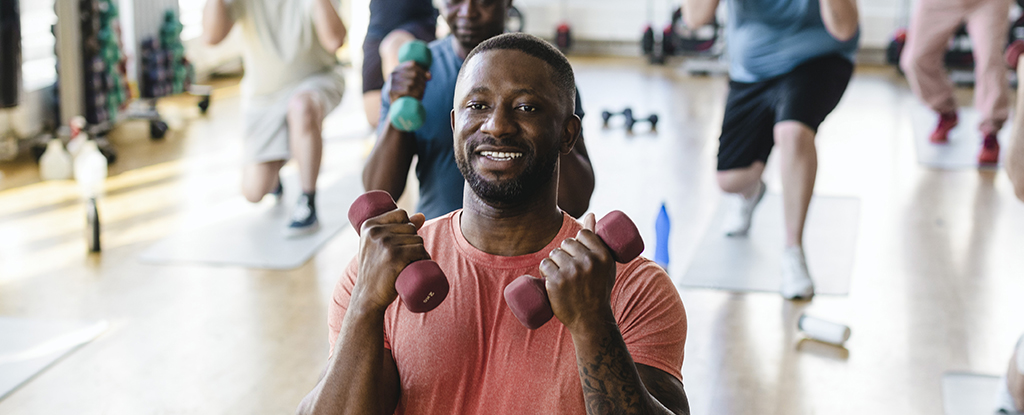
Exercising at the same time each day can reset localized body clocks in joints and spine, improving synchronization with the central body clock in the brain, according to a study in mice. This regular exercise rhythm may offer several health benefits, including reducing the risk of diabetes and cardiovascular disease. The study suggests that consistent timing of physical activity conveys timing information to skeletal tissues, improving their function. While the research needs to be replicated in humans, it highlights the potential benefits of maintaining a regular exercise routine for bone and joint health.
Research shows that evening exercise can provide health benefits, including better sleep, despite concerns that it may disrupt sleep patterns. While morning exercise is often recommended for its ability to synchronize the body clock and prevent skipping workouts, evening exercise can still be beneficial. Studies have shown that evening exercise does not necessarily harm sleep and may even increase time spent in restorative deep sleep. However, the effects of exercise at different times of day may vary for individuals, and it is important to allow time for the body to cool down before bedtime. Ultimately, the best time to exercise depends on personal preference and individual sleep patterns.
Sleep expert Professor Russell Foster explains that catching up on sleep over the weekend is unlikely to compensate for sleep debt accumulated during the week. Oversleeping on weekends can throw off the body's internal clock, making it harder to fall asleep at night. Those who regularly feel tired, irritable, and in need of sugary or caffeinated drinks may need more time in bed. However, sleeping in at the weekend can have a negative impact on the body clock if it prevents exposure to morning light. Foster suggests going to bed earlier in the evening and sticking to a regular routine to improve sleep.
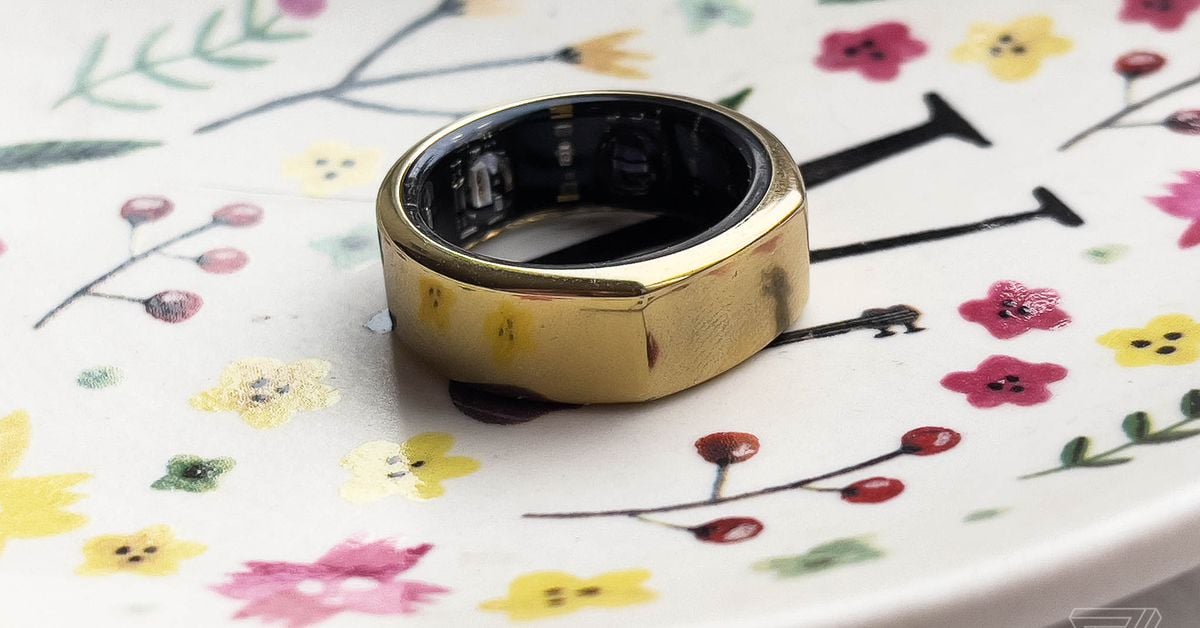
Oura Ring, a sleep tracker, is introducing a new feature that assigns users a chronotype based on body temperature, sleep-wake times, and physical activity over a three-month period. The feature tells users whether their body prefers mornings or evenings and how strong that affinity is, without the use of cute animals. The app also includes a body clock feature that tells users how well their sleeping habits align with an "optimal" sleep schedule. Oura is also adding support for people with irregular sleeping schedules and a new Sleep Regularity metric. These features will be available for both the Gen 2 and Gen 3 versions of the Oura Ring, but the body clock and chronotype feature will require an active subscription.