The article discusses the new partnership between Affirm and Xsolla that allows players to finance in-game purchases through interest-free installment plans, raising concerns about the potential for increased consumer debt and targeting vulnerable populations, amidst broader issues of economic instability and rising household debt.
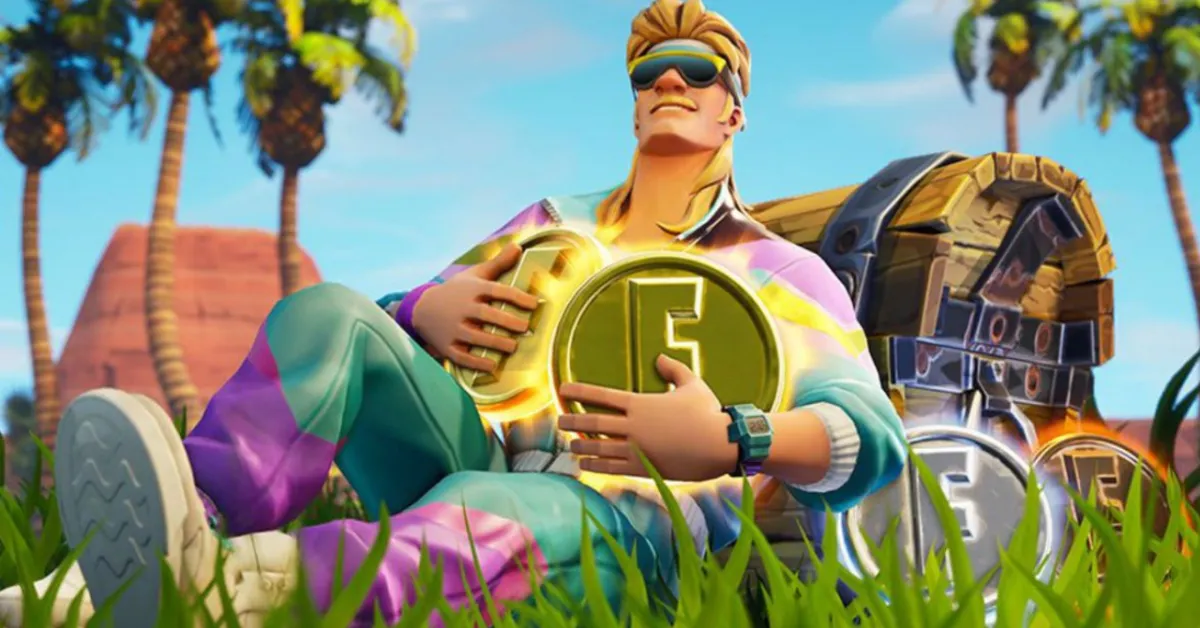
The FTC is issuing $126 million in refunds to nearly 970,000 Fortnite players who were charged for unwanted in-game items, following a 2022 lawsuit against Epic Games for deceptive practices related to in-game purchases. The settlement requires Epic to obtain positive consent before charging players and to allow disputed charges to be contested without account lockouts. Players affected between 2017 and 2022 can now file claims until July 9, with options for refunds via check or PayPal.
The FTC has reopened claims for Fortnite settlement refunds, allowing eligible US players who were charged for unwanted in-game items or had unauthorized charges to apply for refunds until July 9, 2023. Over $200 million has already been distributed from a $245 million settlement related to privacy violations and deceptive design tricks by Epic Games.
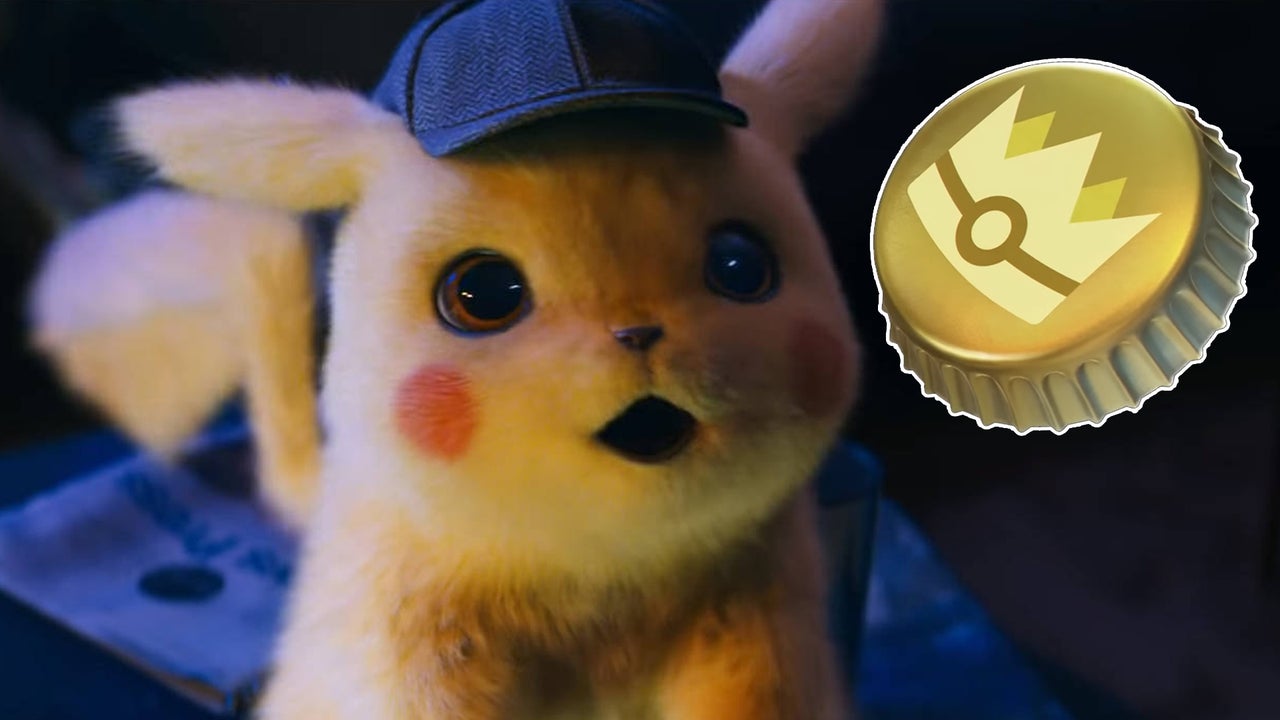
Pokémon Go is introducing a rare $20 Premium Pass with a Gold Bottle Cap that boosts a Pokémon's stats to 100%, sparking concerns about pay-to-win dynamics. The item will be very rare, available through a paid event pass, and designed to enhance gameplay without destroying game balance, as confirmed by the game director.
The Federal Trade Commission has announced a settlement with Epic Games, the maker of Fortnite, over unauthorized in-game purchases. Players and parents of players may be eligible for part of a $72 million payout if they were wrongly charged for items or if their accounts were locked after disputing charges. Claims can be filed until January 10, 2025, and payments will be made via check or PayPal. The settlement requires Epic Games to obtain positive consent before charging users and prohibits account lockouts over disputed charges.
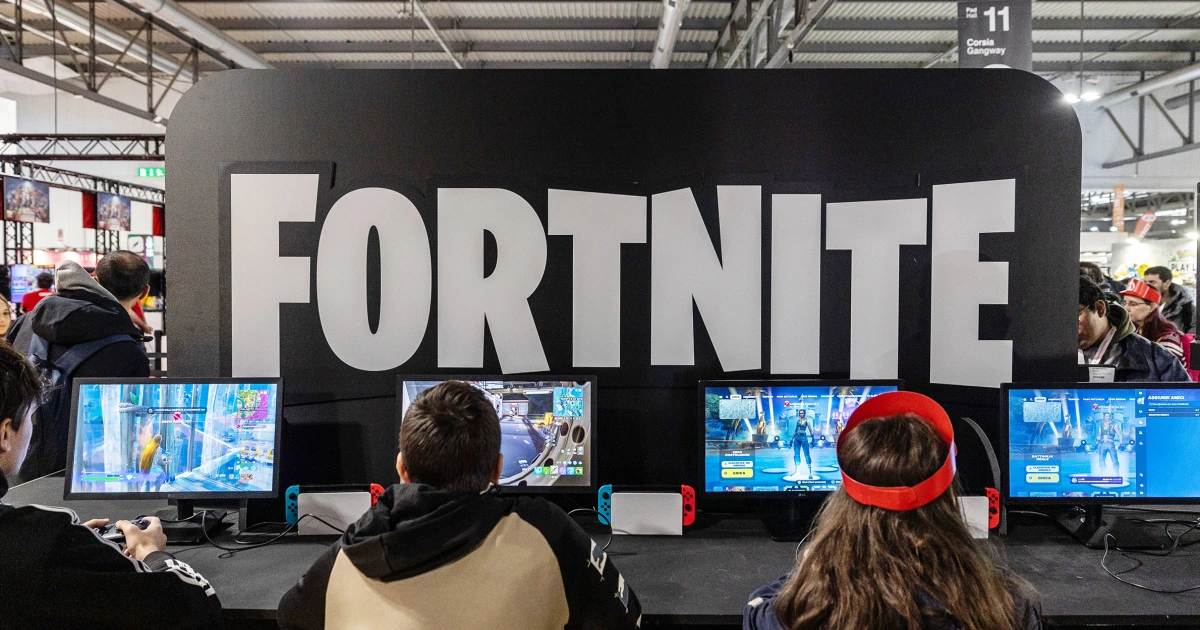
Epic Games, the developer of Fortnite, will refund over $72 million to more than 600,000 players after the FTC found the company "tricked" users into unwanted in-game purchases. This follows a previous $520 million settlement over privacy violations. The average refund is about $114 per player, and claims can be submitted until January 10.
Fortnite players have begun receiving refunds from Epic Games as part of a $245 million settlement with the FTC over claims that the game's confusing button configuration led to unintended purchases. Over 600,000 payments totaling $72 million have been distributed so far. Players who submitted valid claims before October 8, 2024, are currently receiving payments, and the deadline to file a claim is January 10, 2025. More details are available on the FTC's website.
Pokémon GO's Go Fest 2024 was a rare success, reminding players of the game's former fun by offering generous rewards and engaging events. However, this highlighted the game's usual state of money-grabbing tactics and lackluster content, leaving players wishing for a return to its more enjoyable roots.
Overwatch 2's new Mythic Shop allows players to buy old Mythic Skins using a new currency called Mythic Prisms, which can be earned through the premium battle pass or purchased with real money. However, catching up on missed skins is expensive, with bundles of Prisms costing up to $74.99, far more than the previous premium battle pass cost of $10. This change follows the decision to no longer put heroes behind the battle pass, but has sparked criticism for its high cost and shift in monetization practices.
Dragon’s Dogma 2's first title update, Update 1.050, brings new graphics options, faster quest unlocking, and a tweak to in-game purchases, enhancing the overall gaming experience.
The video game industry, particularly companies like Electronic Arts and Take-Two Interactive, heavily relies on microtransactions, subscriptions, and in-game purchases for revenue, with live-service games like Fortnite and Call of Duty: Warzone being prime examples. The shift towards battle pass systems and seasonal content packaging has garnered a more positive response from gamers. In-game spending has become a contentious issue, with companies like Electronic Arts making billions from live-services, and legal battles such as Epic Games' dispute with Apple over in-game payment systems. Regulatory focus on app stores and loot boxes is also increasing in Europe.
Pokemon Go players are expressing frustration over the game's monetization practices, claiming that the best content is increasingly hidden behind paywalls, particularly through research tickets. Users on The Silph Road Reddit have criticized Niantic for implementing a "faux-subscription model" and accused the company of targeting rural and casual players with unfavorable in-game purchases. The debate raises concerns about the game's future monetization strategies and the impact on player experience.
Fortnite players in the US have until February 29, 2024, to request refunds for unwanted in-game purchases, following a settlement against Epic Games by the Federal Trade Commission. Eligible users impacted by the company’s practices can submit claims through the official FTC website, providing their Epic account ID and details of the unauthorized charges. The extension aims to address concerns of users, including children, who were charged for unintended purchases between January 2017 and September 2022. This comes as part of ongoing changes in response to the FTC claims case, which also led to adjustments in Epic Games' payment information policy.
Star Citizen, a space simulation game still in alpha after over a decade, has released a $48,000 "Legatus Pack" which includes 187 ships and hundreds of accessories. This pack, which costs roughly two-thirds of the median annual household income in the US, is available only to members of the game's Chairman's Club, who have already spent at least $1,000. Despite the high price, an analysis shows that the inflation-adjusted average price-per-ship has decreased by about 12 percent since 2019. The game has raised over $658 million to date, with a record $117 million in the last year alone, indicating a strong, ongoing financial support from its community. However, some fans express concern over the optics of selling expensive DLC for a game that has yet to be fully released.
A Pokemon Go player sparked disbelief among the community by asking if it's worth buying Poke Balls, despite the game providing them for free through various activities. Many players expressed shock at the idea of spending real money on Poke Balls, as they are easily obtained by spinning PokeStops, completing tasks, or receiving Gifts. Some players suggested using daily incense for free Poke Balls, while others mentioned that running out of Poke Balls is rare and usually a result of poor management. Overall, the consensus among players is that spending money on Poke Balls is unnecessary and there are more valuable in-game items to prioritize.