Scammers have already found a way to abuse Gmail's new blue checkmark verification system, which was introduced to help prevent scam emails. The system uses Brand Indicators for Message Identification (BIMI) and DMARC to verify both the logo and the domain attached. However, a senior cybersecurity architect for Dartmouth Health has revealed that it's possible to fake these badges. Google has responded by requiring senders to use the DomainKeys Identified Mail (DKIM) authentication standard to qualify for blue checkmarks, which will be rolled out by the end of this week.
Gmail has introduced blue verified checkmarks next to companies that have adopted Brand Indicators for Message Identification (BIMI) to help users identify messages from legitimate senders and stop spam. The checkmarks will be available to all personal accounts, as well as Google Workspace and legacy G Suite customers. The move is aimed at increasing confidence in email sources and creating a better email ecosystem for everyone.
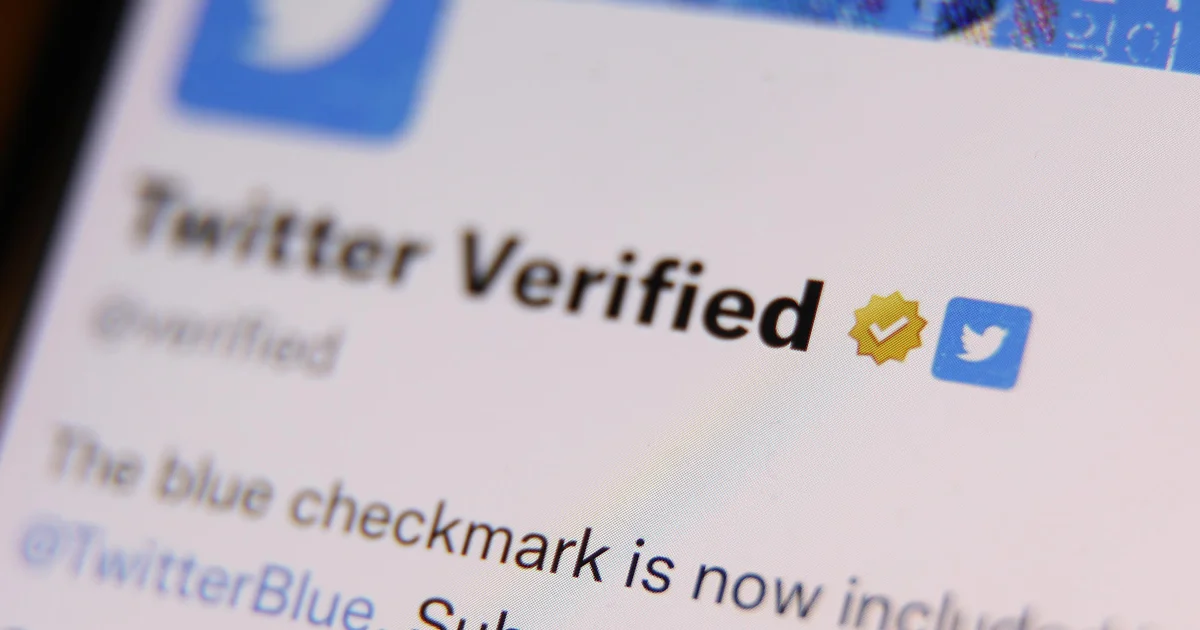
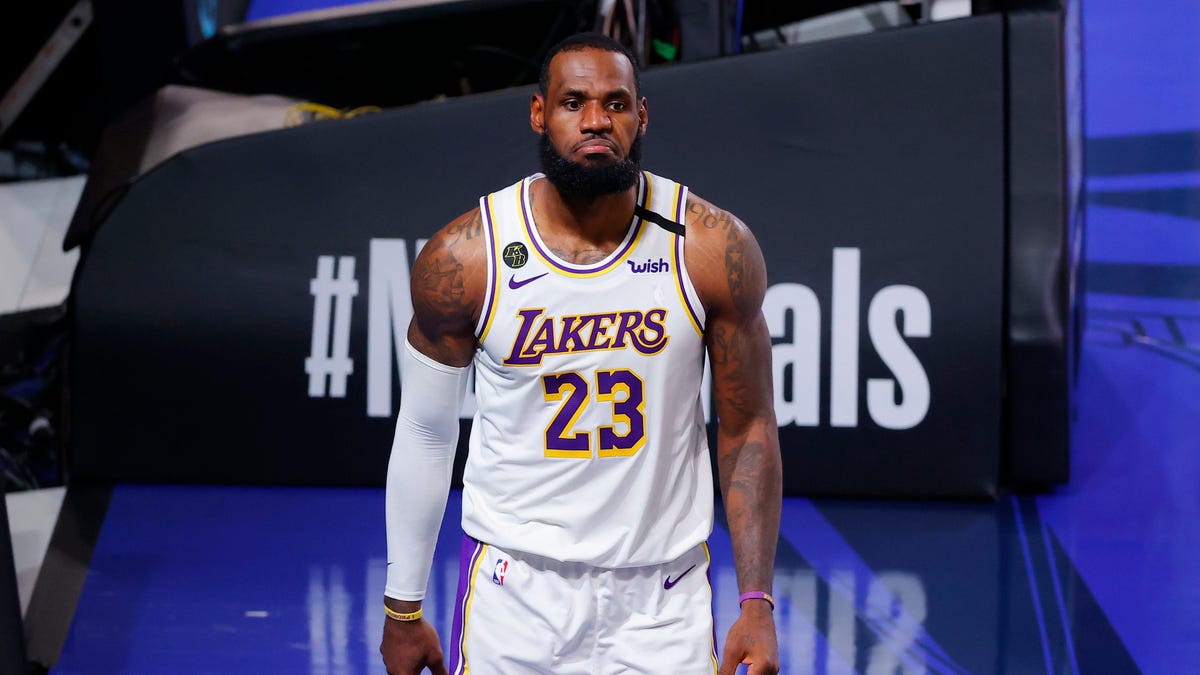
Elon Musk claims he is paying for the blue checkmarks of three celebrities on Twitter, including William Shatner, LeBron James, and Stephen King, who were able to keep their verification without subscribing to Twitter Blue. Many high-profile Twitter pages lost their verification after refusing to pay for the subscription, which also allows users to write longer tweets and edit them. Twitter began labeling some organizations' Twitter pages with gold checks for official businesses or corporations, gray for government organizations and officials, an affiliation badge for accounts connected to an organization on Twitter, and a badge for state-run media entities and individuals who are part of those entities.
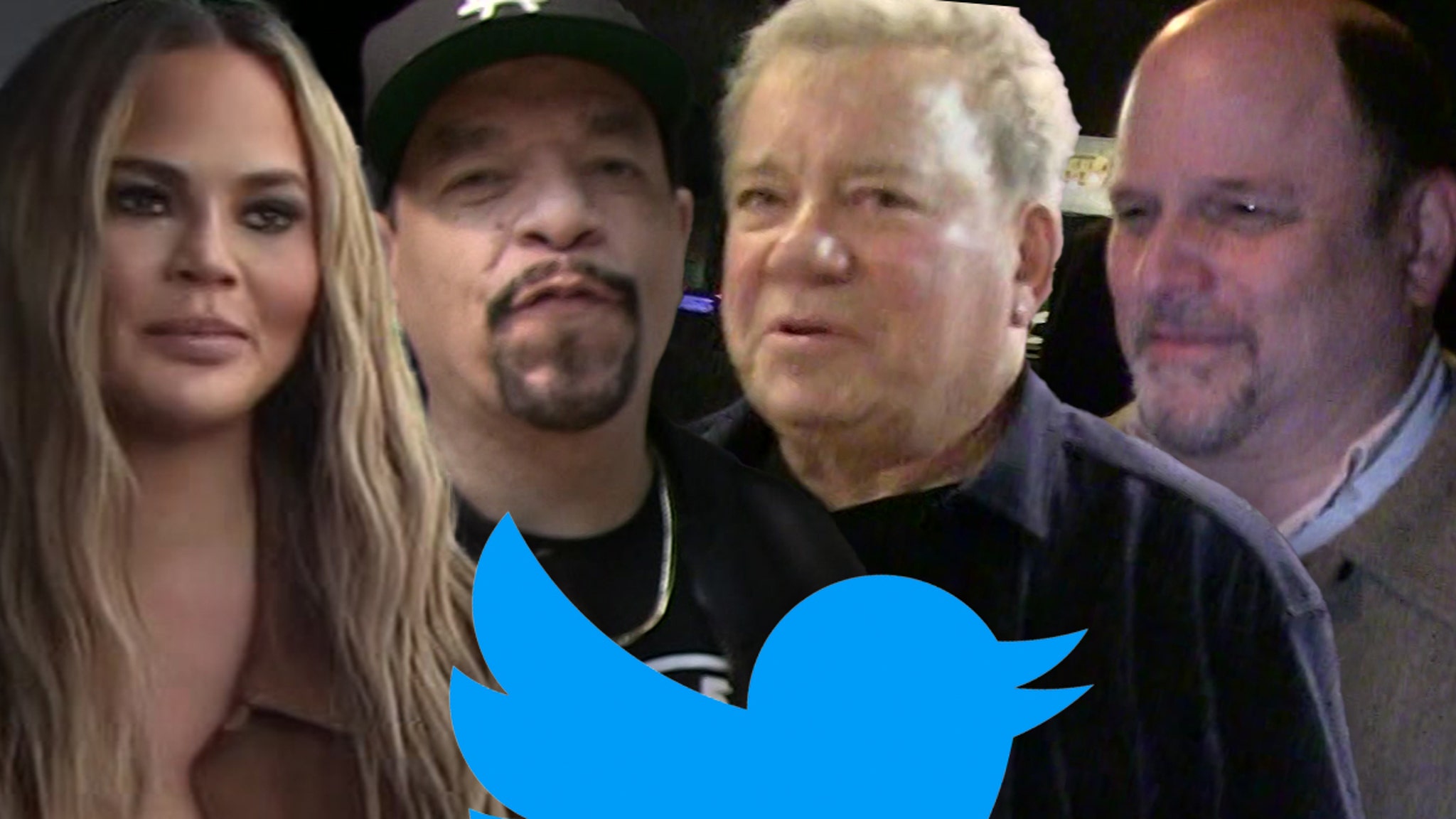
Despite Elon Musk's announcement that Twitter users would have to pay $8 for their blue checkmarks, many high-profile celebrities and media organizations have refused to pay, including LeBron James, Chrissy Teigen, and The New York Times. Twitter's former VP of global commerce and media, Nathan Hubbard, warned that if most OG blue checks stop tweeting in protest of being asked to pay to create the content that Twitter lives by, Twitter dies. Musk held off on removing blue checkmarks, but made it more difficult to tell who had a legacy blue checkmark and who had paid for it with their Twitter Blue subscription.
Twitter did not remove blue checkmarks from verified accounts despite Elon Musk's threat to do so if they did not pay for a monthly subscription. Instead, Twitter added a new disclaimer to profiles indicating that the account is verified because it is subscribed to Twitter Blue or is a legacy verified account. The hybrid solution was deemed a good compromise by some, but it is unclear if it is temporary or permanent. The New York Times had its verified checkmark removed after publicly stating it would not pay for the status.
Twitter CEO Elon Musk has made it harder to distinguish between verified accounts and Twitter Blue subscribers after backing away from his threat to take legacy blue checkmarks away from verified accounts if they didn't pay $8 for Twitter Blue. Musk's new message when hovering over someone's blue checkmark reads, "This account is verified because it's subscribed to Twitter Blue or is a legacy verified account." Noteworthy accounts that were verified remained verified, although whether that check will remain is unclear.
Twitter is discontinuing legacy verifications and introducing a new system where users can buy their blue checkmarks for $8/month through Twitter Blue subscriptions. Many verified celebrities are unhappy about the change and have taken to social media to express their grievances. However, Elon Musk has pointed users towards Twitter's Verified Organizations system to ensure companies and notable entities stay verified on the platform. It remains to be seen how this change will affect individual users and journalists.
Twitter will begin phasing out its legacy verified program and removing blue checkmarks from some verified users starting April 1. Those who wish to retain their blue checkmarks will have to switch to Twitter Blue, a subscription service that costs $7 per month for an annual plan or $8 per month for a monthly plan. Organizations can get verification through Twitter's Verified Organizations program for a monthly payment of $1,000. Elon Musk, who acquired Twitter in October, has expressed plans to get rid of legacy blue checkmarks in the past.
Twitter will begin removing legacy blue checkmarks from the platform on April Fool's Day, as previously announced by CEO Elon Musk. Legacy checkmark holders have been seeing a pop-up warning that their account may or may not be notable. Twitter users can now purchase a blue checkmark through the Twitter Blue subscription model for $8 per month, which also gives access to subscriber-only features. The news comes as Twitter announces the availability of the Blue subscription globally.