Microsoft 365 admins have been warned by Microsoft to authenticate outbound messages due to Google's stricter anti-spam rules for bulk senders. Failure to follow email authentication standards may result in emails being rejected or marked as spam. Microsoft advises against using Microsoft 365 for bulk emailing and suggests using on-premises email servers or third-party mass mailing providers. Google's new guidelines require senders of over 5,000 daily emails to implement SPF/DKIM and DMARC authentication by February 1, 2024, and provide a one-click unsubscribe option. Google will closely monitor spam thresholds and mark abusive bulk senders' emails as spam to protect users.
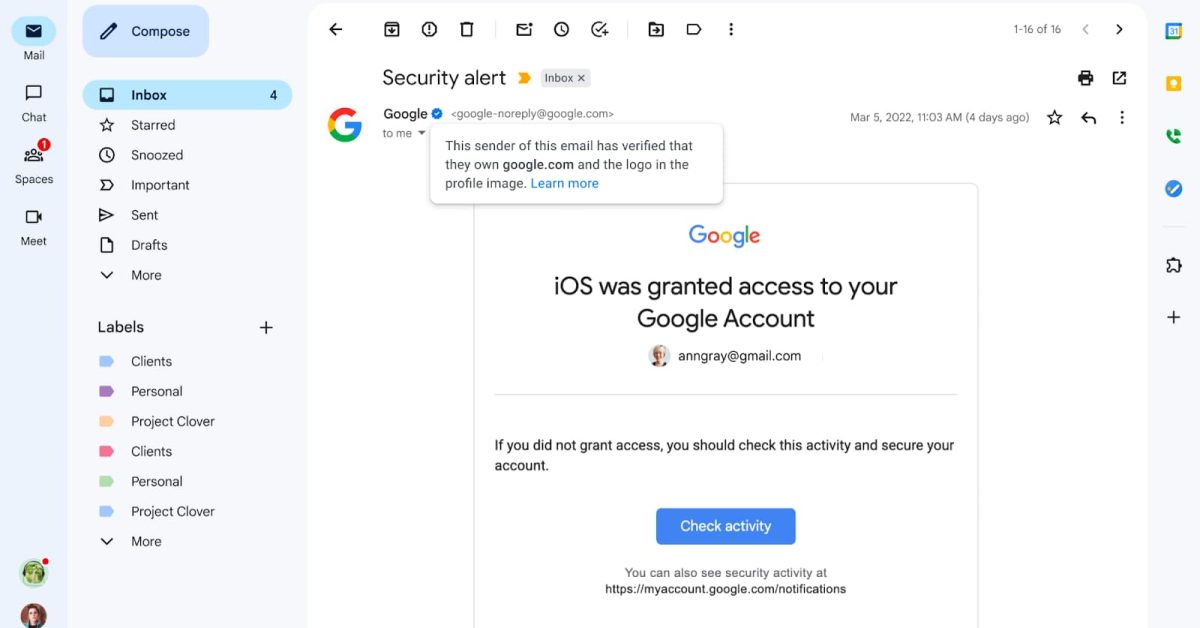
Gmail has introduced blue verified checkmarks next to companies that have adopted Brand Indicators for Message Identification (BIMI) to help users identify messages from legitimate senders and stop spam. The checkmarks will be available to all personal accounts, as well as Google Workspace and legacy G Suite customers. The move is aimed at increasing confidence in email sources and creating a better email ecosystem for everyone.
Gmail is adding a blue checkmark to emails to help users identify messages from legitimate senders versus impersonators. The feature is based on the Brand Indicators for Message Identification (BIMI) standard, which uses strong authentication with DMARC and logo verification. The checkmark icon will be available to all Google Workspace customers and personal Google Accounts over the coming days/weeks. This will increase confidence in email sources and create a better email ecosystem for everyone.