Tag

Hindu Nationalism

All articles tagged with #hindu nationalism

Bollywood Film Re-ignites Taj Mahal Origin Debate Amid Nationalist Tensions
culture24 days ago

Bollywood Film Re-ignites Taj Mahal Origin Debate Amid Nationalist Tensions

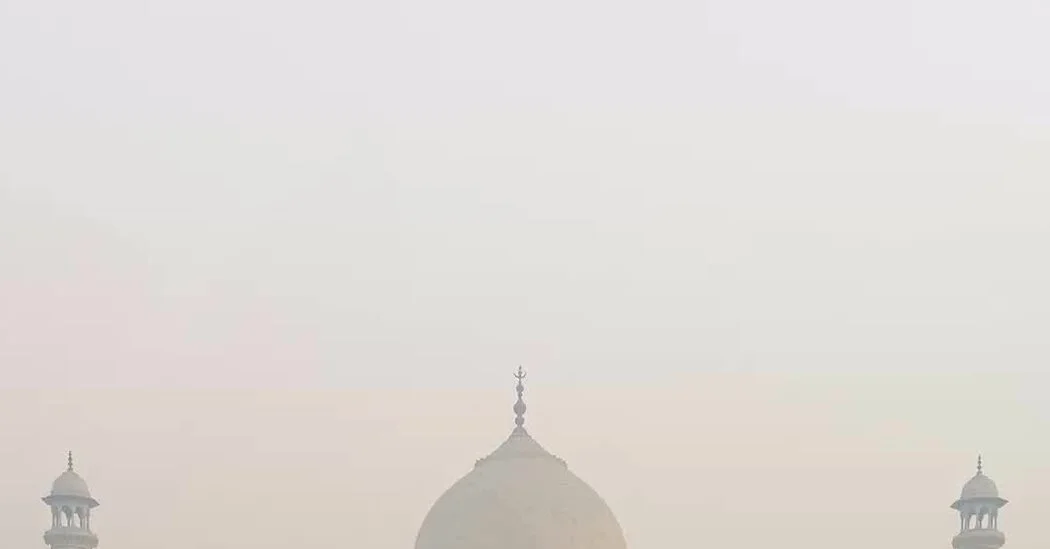
A new Bollywood film, The Taj Story, promotes the long-standing claim that the Taj Mahal was originally a Hindu structure rather than a Mughal tomb, reviving debunked theories and stoking sectarian tensions. Critics say the movie rehashes fringe ideas, blurs fact and fiction, and serves nationalist narratives. The piece traces origins to P. N. Oak, notes repeated court dismissals of the claims, and highlights how the controversy has entered mainstream discourse online, even as historians and the Archaeological Survey of India push back.
Hindu-majoritarian rhetoric broadens its targets to Christians in India
politics1 month ago

Hindu-majoritarian rhetoric broadens its targets to Christians in India

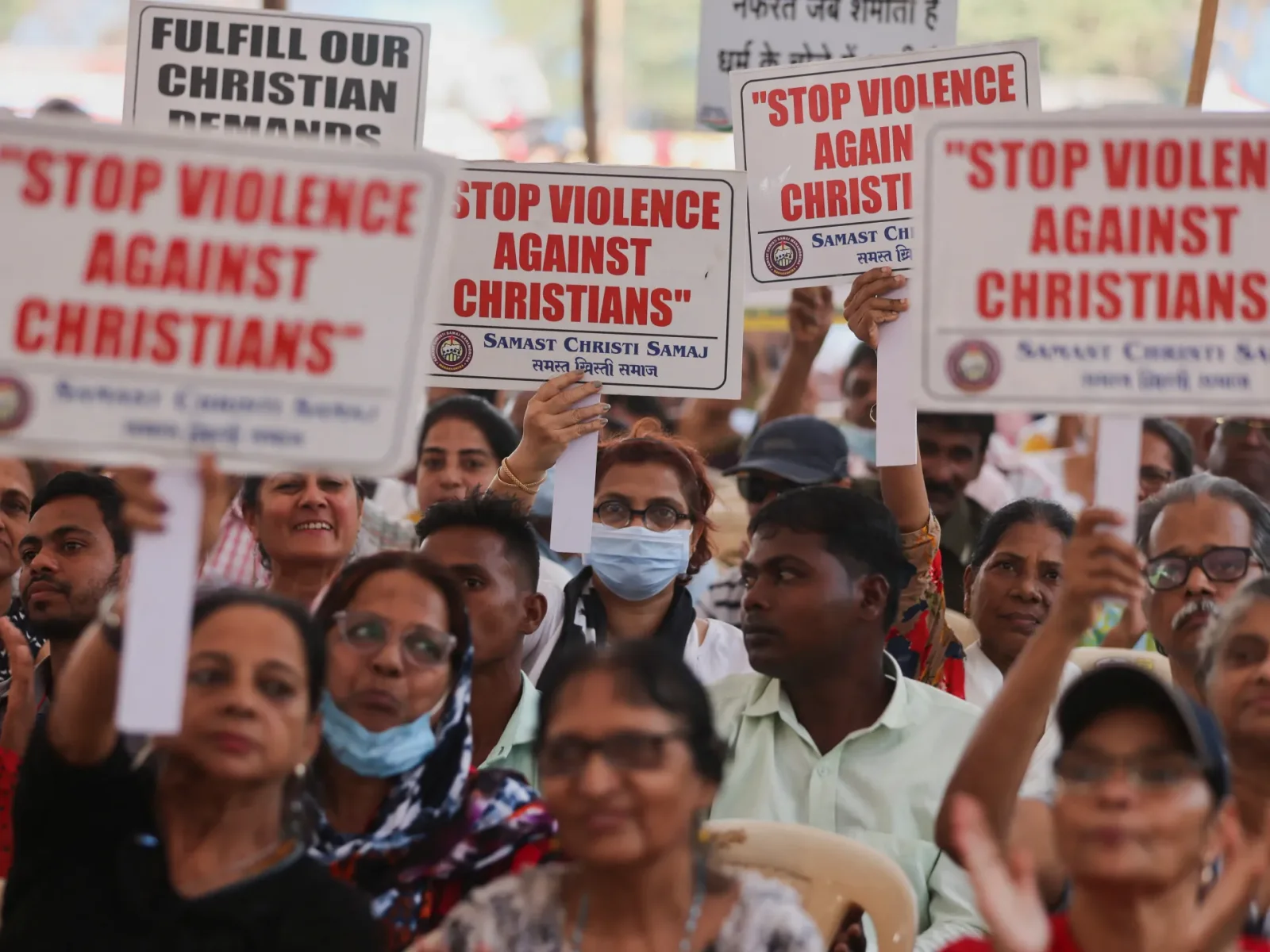
A CSOH/India Hate Lab report shows a sharp rise in hate speech and violence against Christians and Muslims in India under Modi’s BJP-RSS environment, with 1,318 hate-speech events in 2025 (up 97% since 2023) and attacks across states including Raipur, Delhi, and Kerala. Anti-Christian rhetoric grew alongside anti-Muslim hate, often framed as “forced conversions” or conspiracies like “love jihad,” and linked to BJP-affiliated groups and leaders. Experts warn this escalating rhetoric facilitates violence and seeks to consolidate political support for Hindu majoritarianism while triggering laws targeting religious conversions.

Modi Faces Setback as India's 2024 Election Results Unfold
politics1 year ago

Modi Faces Setback as India's 2024 Election Results Unfold

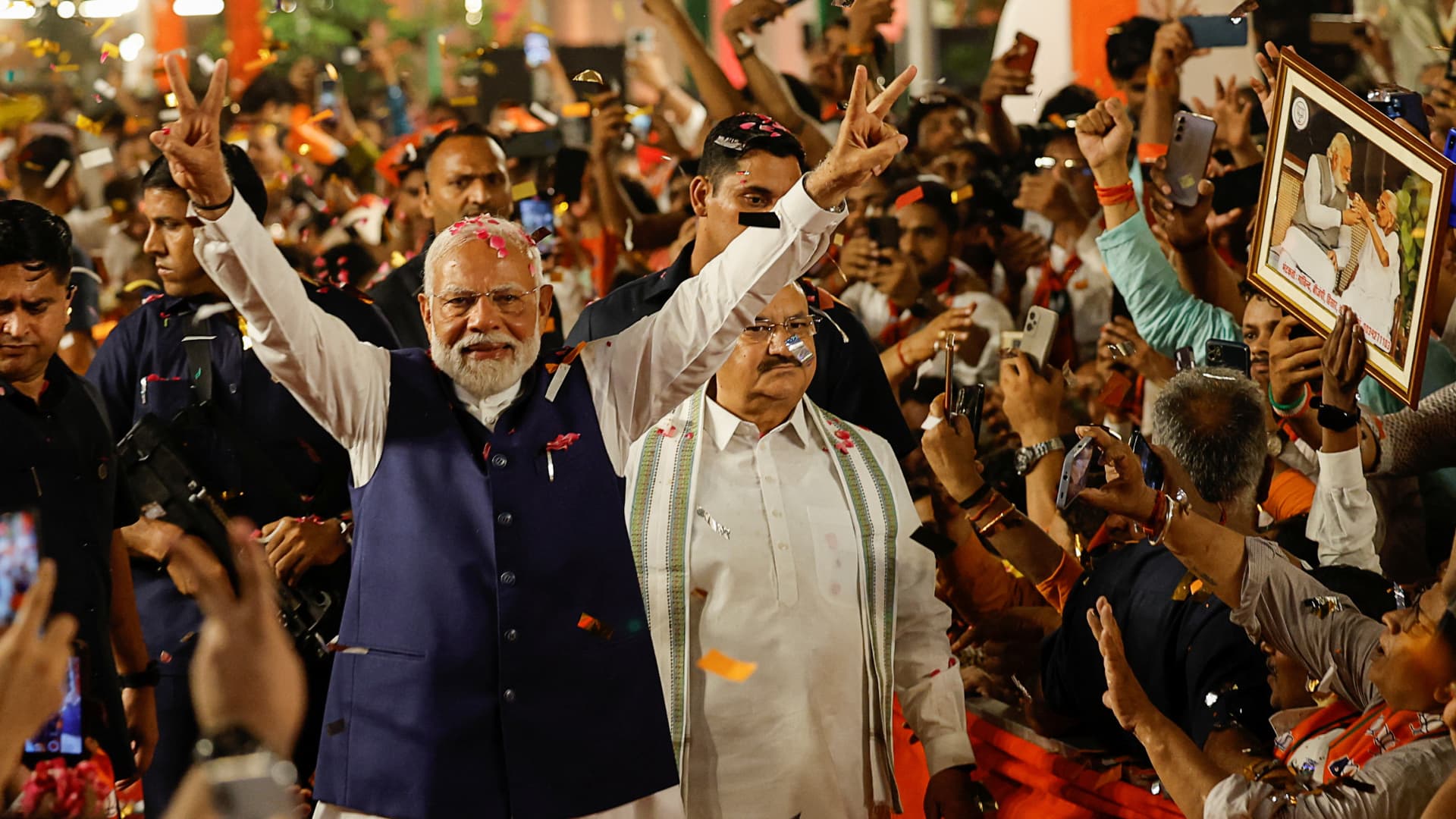
Indian Prime Minister Narendra Modi's Bharatiya Janata Party (BJP) won the recent election but with a significantly reduced mandate, securing only 240 seats and falling short of a majority in the lower house of parliament. This outcome forces Modi to rely on coalition partners for the first time in his decade-long rule, raising questions about his ability to govern effectively. The BJP's weaker performance, particularly in key states like Uttar Pradesh, Maharashtra, and Rajasthan, signals voter dissatisfaction with Modi's governance and Hindu nationalist agenda. The opposition, led by the Indian National Congress and its allies, made substantial gains, marking a significant shift in India's political landscape.

"Modi Secures Third Term: Implications for India and the World"
politics1 year ago

"Modi Secures Third Term: Implications for India and the World"

The article critically examines the political career of Narendra Modi, highlighting his controversial rise to power, his association with the 2002 Gujarat riots, and his tenure as Prime Minister of India. It discusses Modi's use of Hindu nationalism, his alleged corruption, and his ability to maintain electoral dominance despite significant opposition. The piece also touches on the challenges faced by the Congress Party and other opposition groups in countering Modi's influence.

"Narendra Modi Secures Third Term Amid India's Economic Rise and Political Divide"
politics1 year ago

"Narendra Modi Secures Third Term Amid India's Economic Rise and Political Divide"

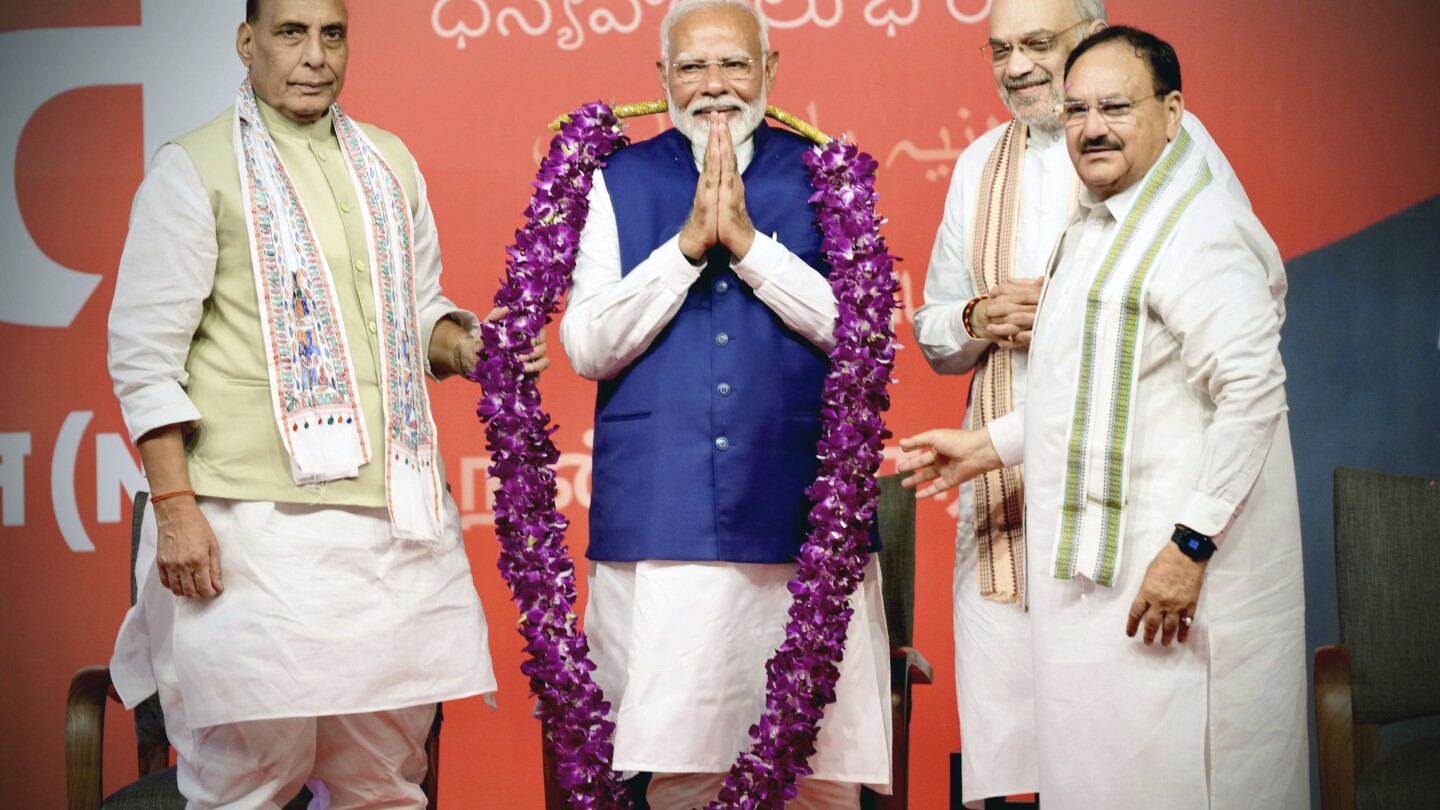
India's Prime Minister Narendra Modi, a polarizing figure known for his Hindu nationalist agenda and economic reforms, has secured a third consecutive term despite his party not winning a majority on its own. Modi's tenure has seen significant economic growth and social welfare improvements, but also increased religious tensions and accusations of undermining democracy. His leadership style, rooted in Hindu nationalism, has both fervent supporters and strong critics.

PM Modi Begins 2-Day Meditation Retreat as Election Campaign Ends
politics1 year ago

PM Modi Begins 2-Day Meditation Retreat as Election Campaign Ends

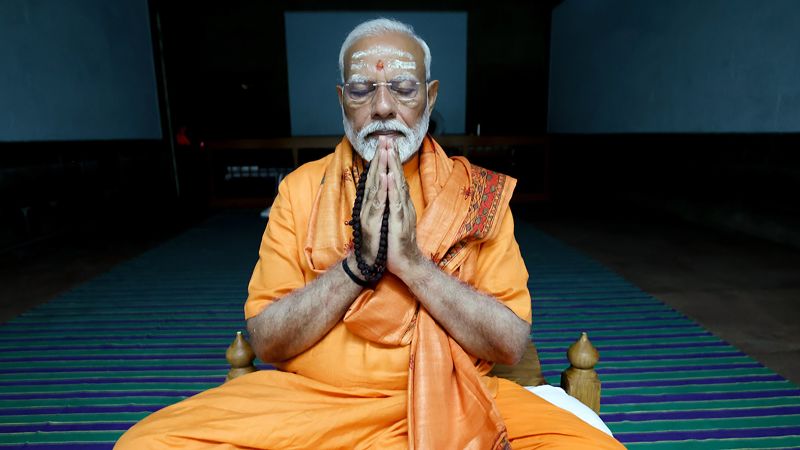
As India's election nears its end, Prime Minister Narendra Modi is heading to the Vivekananda Rock Memorial for two days of meditation, a move seen as a display of religiosity to bolster Hindu-nationalist sentiment. Modi's campaign has increasingly intertwined religious symbolism with politics, raising concerns about rising Islamophobia and deepening religious divides in the constitutionally secular nation.

"Modi Seeks Third Term as India Begins World's Largest Election"
politics1 year ago

"Modi Seeks Third Term as India Begins World's Largest Election"

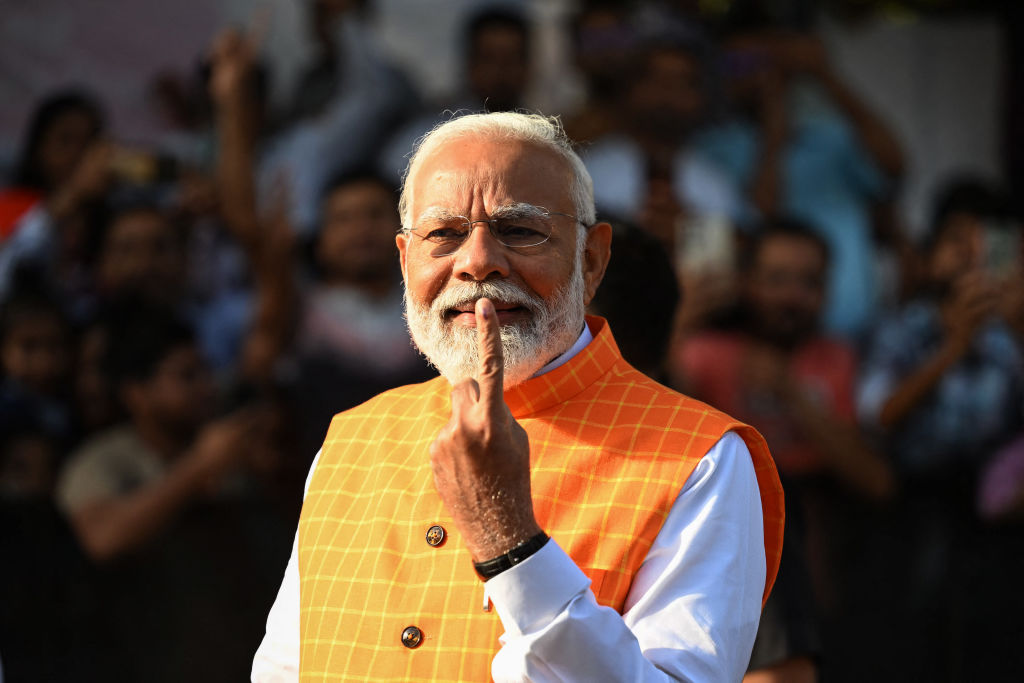
India begins voting in the world's largest election, with nearly 970 million voters electing 543 members to the lower house of Parliament. Prime Minister Narendra Modi seeks a rare third term, facing a tough challenge from a broad opposition alliance. The election is seen as a referendum on Modi's Hindu nationalist politics and economic development, with critics warning of growing illiberalism and threats to India's secular roots. The BJP hopes to secure a landslide win, while the opposition alliance promises to arrest what it sees as a democratic slide under Modi's rule.

"Rise of Hindu Nationalism: Impact of Modi's 10-Year Reign in India"
politics1 year ago

"Rise of Hindu Nationalism: Impact of Modi's 10-Year Reign in India"

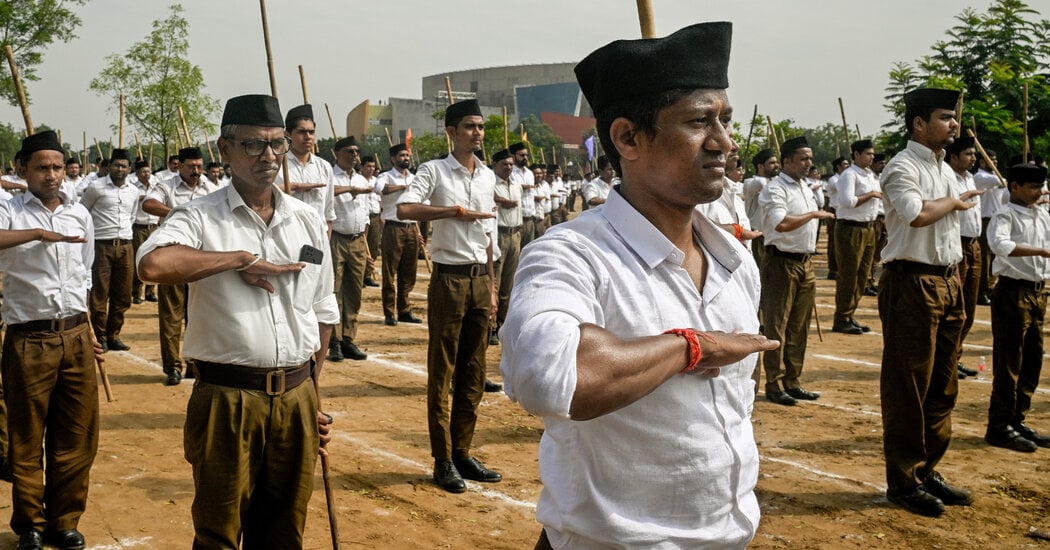
Hindu nationalism, once a fringe ideology in India, has become mainstream under Prime Minister Narendra Modi's leadership, heavily influenced by the paramilitary right-wing group RSS. Modi's political upbringing in the RSS has shaped his policies, leading to attacks against minorities and blurring the line between religion and state. As he campaigns for a third term, Modi's popularity and influence have made Hindu nationalism acceptable to a nation of 1.4 billion, with immense support from the Hindu majority.

"India's 2024 Election: Modi's Push for Hindu Nationalism and the World's Largest Democratic Exercise"
politics1 year ago

"India's 2024 Election: Modi's Push for Hindu Nationalism and the World's Largest Democratic Exercise"

The upcoming Indian election is expected to result in a third term for Prime Minister Narendra Modi and his Bharatiya Janata Party (BJP), which aims to reshape India as a Hindu nation. The BJP's Hindu nationalist ideology, rooted in the early 20th century, seeks to marginalize Muslims and Christians, and has already led to discriminatory laws and policies. With a strong majority, the BJP could further solidify its vision, potentially altering the constitution and fundamentally restructuring the Indian state. The opposition faces challenges, and the outcome of the election will have significant implications for the future of India and its diverse population.

"India Enacts Controversial Citizenship Law Excluding Muslims"
politics2 years ago

"India Enacts Controversial Citizenship Law Excluding Muslims"

India has announced rules to implement a controversial citizenship bill that excludes Muslims, providing a fast-track to citizenship for immigrants from Afghanistan, Bangladesh, and Pakistan, but not for Muslims. The bill, originally passed in 2019, has been heavily protested by opposition parties, claiming it marginalizes India's 200-million Muslim population. Critics argue that it reflects the Hindu nationalist agenda of Prime Minister Narendra Modi's Bharatiya Janata Party, leading to religious divisions and persecution of minorities in the country.

"India's Shifting Political Landscape: From Babri Mosque to Modi's Vision"
politics2 years ago

"India's Shifting Political Landscape: From Babri Mosque to Modi's Vision"

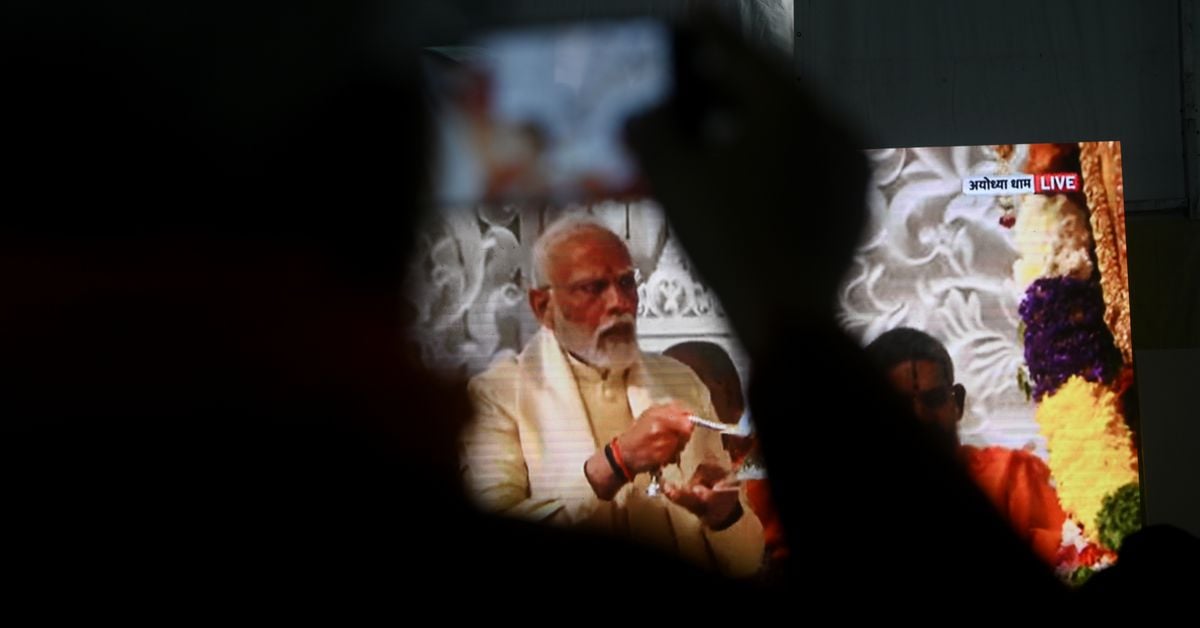
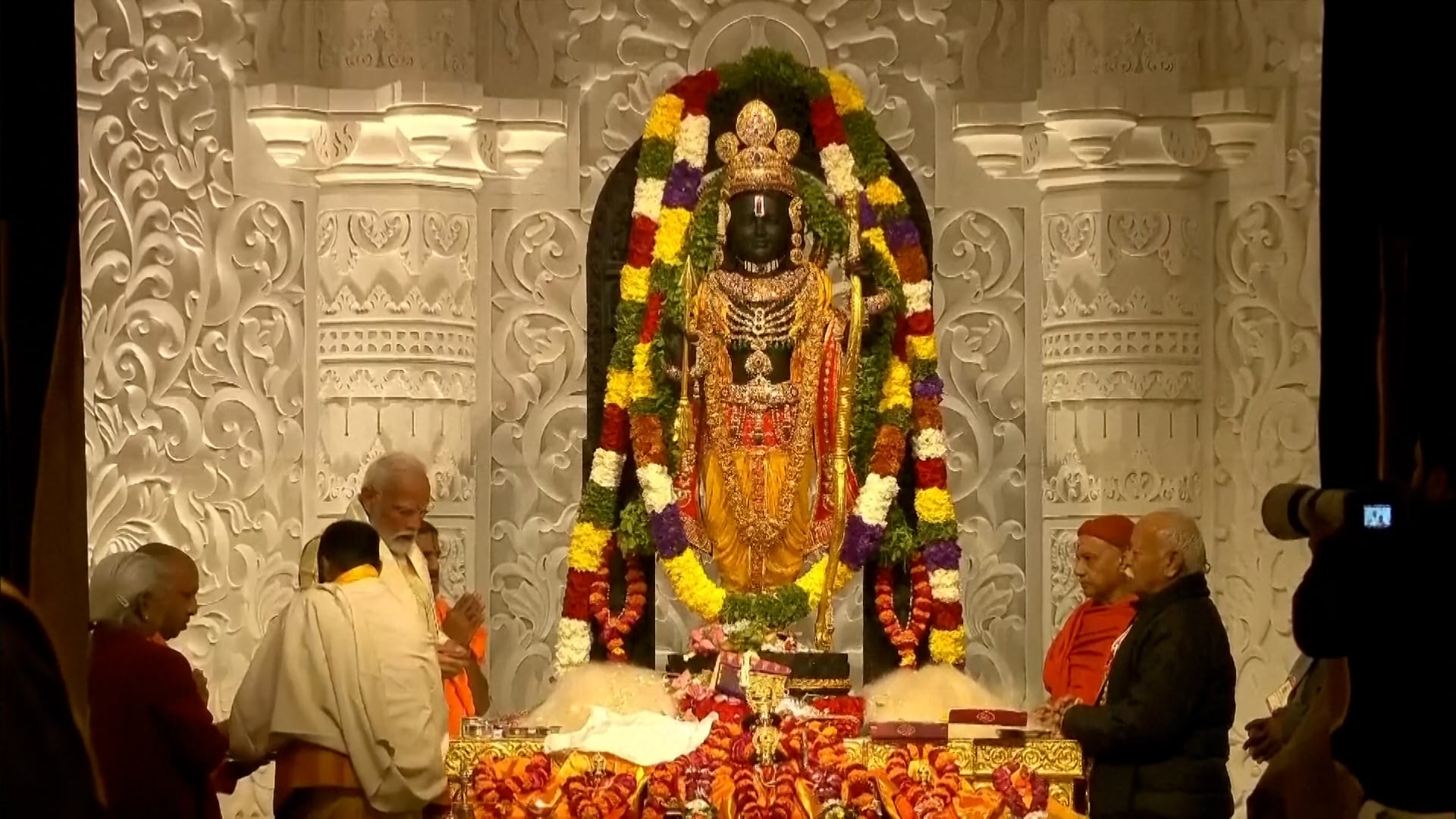
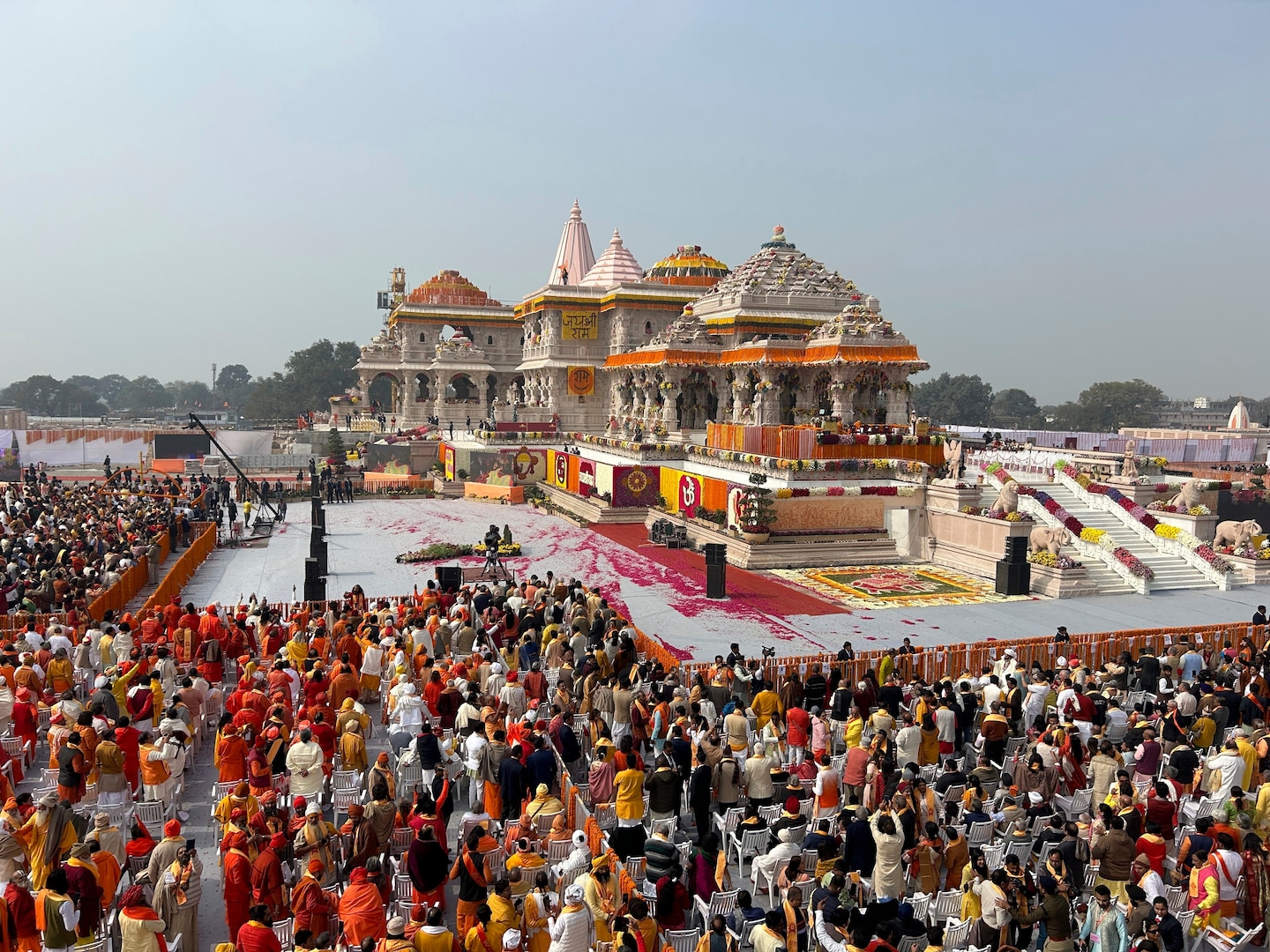
Indian Prime Minister Narendra Modi presided over the inauguration of the Ram Mandir, a new temple built on the site of an ancient mosque torn down by a Hindu mob in 1992, marking a significant event for many Hindus but also symbolizing Modi's vision for India's future. Since coming to power in 2014, Modi has worked to replace India's secular democracy with a Hindu sectarian state, revoking autonomy in Jammu and Kashmir, implementing biased citizenship and immigration rules, and suppressing critical speech. The construction of the temple is a culmination of this agenda, reflecting the erosion of Indian democracy and the rise of Hindu nationalism under Modi's leadership.

politics2 years ago

"Modi's Ayodhya Temple Inauguration: Unveiling the Power of Hindutva in Indian Politics"

Indian Prime Minister Narendra Modi's participation in the opening of the Ayodhya temple reflects his alignment with Hindu nationalism, a move that has drawn both praise and criticism. The temple's construction has been a long-standing point of contention, and Modi's involvement is seen as a strategic political move to solidify support among Hindu nationalists.

"Modi Inaugurates Ram Temple in Ayodhya, Marking Historic Moment for India"
politicsreligion2 years ago

"Modi Inaugurates Ram Temple in Ayodhya, Marking Historic Moment for India"

Indian Prime Minister Narendra Modi inaugurated a Hindu temple in Ayodhya, built on the site of a demolished mosque, marking a significant moment in his Hindu nationalist agenda. The temple's construction has been a source of religious and political tension for decades, with its opening symbolizing the alignment of governance with the country's majority faith. The event, attended by millions, has sparked controversy and criticism from opposition parties and raised concerns about the fusion of religion and politics in India's officially secular state.

"Modi's Triumph: Unveiling a Vision of Hindu India with Ayodhya Ram Temple Consecration"
world-politics2 years ago

"Modi's Triumph: Unveiling a Vision of Hindu India with Ayodhya Ram Temple Consecration"

Indian Prime Minister Narendra Modi consecrated a controversial Hindu temple in Ayodhya, marking the culmination of a decades-long campaign by Hindu nationalists. The temple's construction on the site of a razed mosque represents the triumph of Hindu nationalist ideology over India's secular, multicultural vision. Critics fear that the state-encouraged religious festivities and talk of Hindu supremacy under Modi's leadership signal a shift towards a de facto theocratic state, with Hinduism becoming the official religion. The temple's inauguration is expected to boost Modi's popularity ahead of national elections, but it has also sparked concerns about the treatment of religious minorities and the potential for further religiously motivated conflicts.